 Image 1 of 2
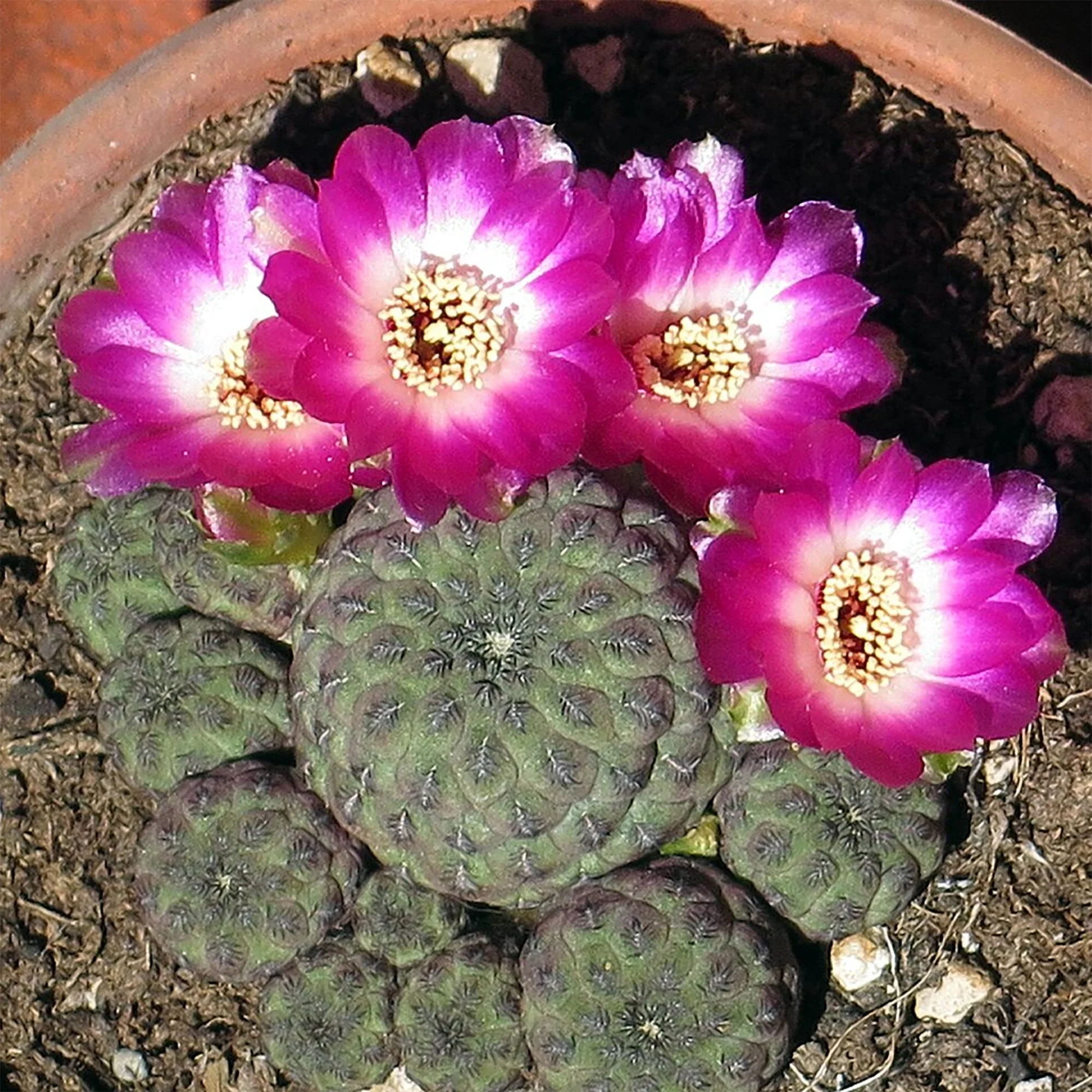 Image 2 of 2
Botanical Name: Sulcorebutia rauschii
Common Names: Rausch’s Sulcorebutia, Rausch’s Cactus
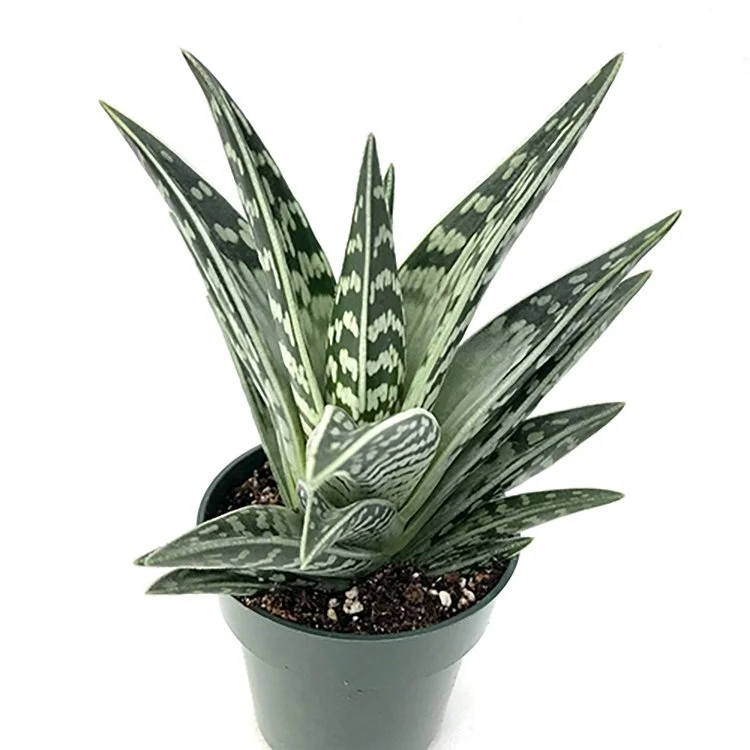
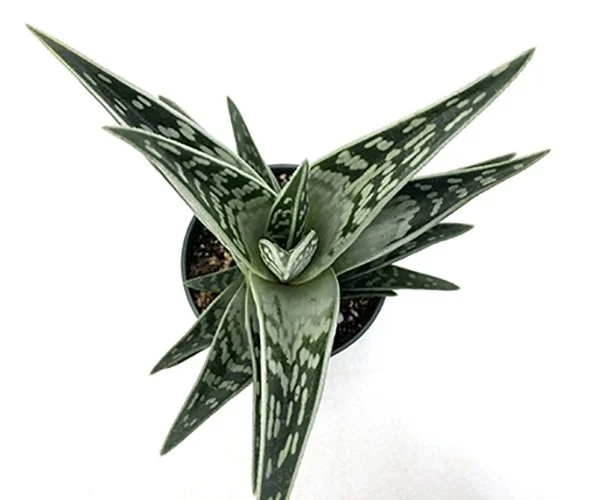
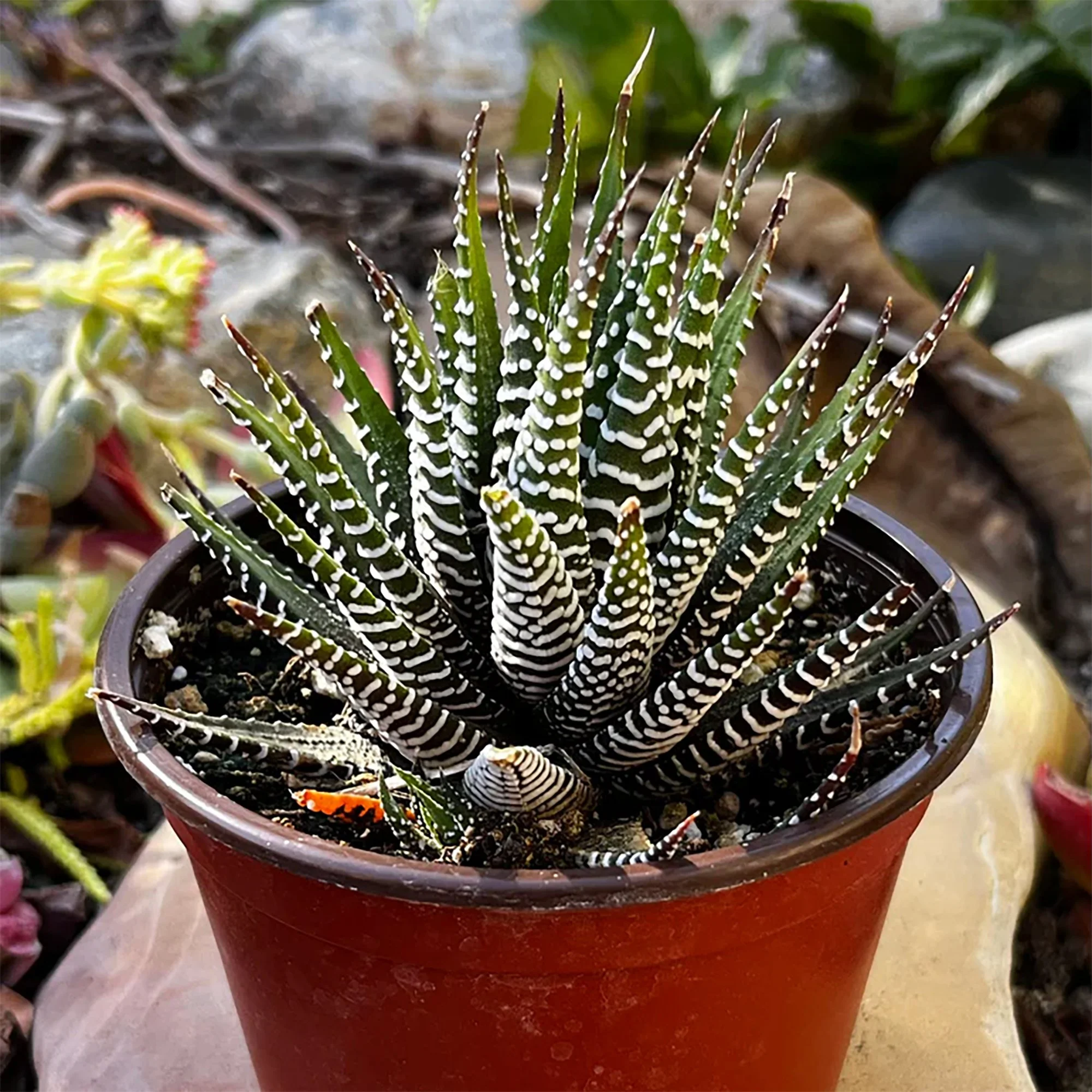
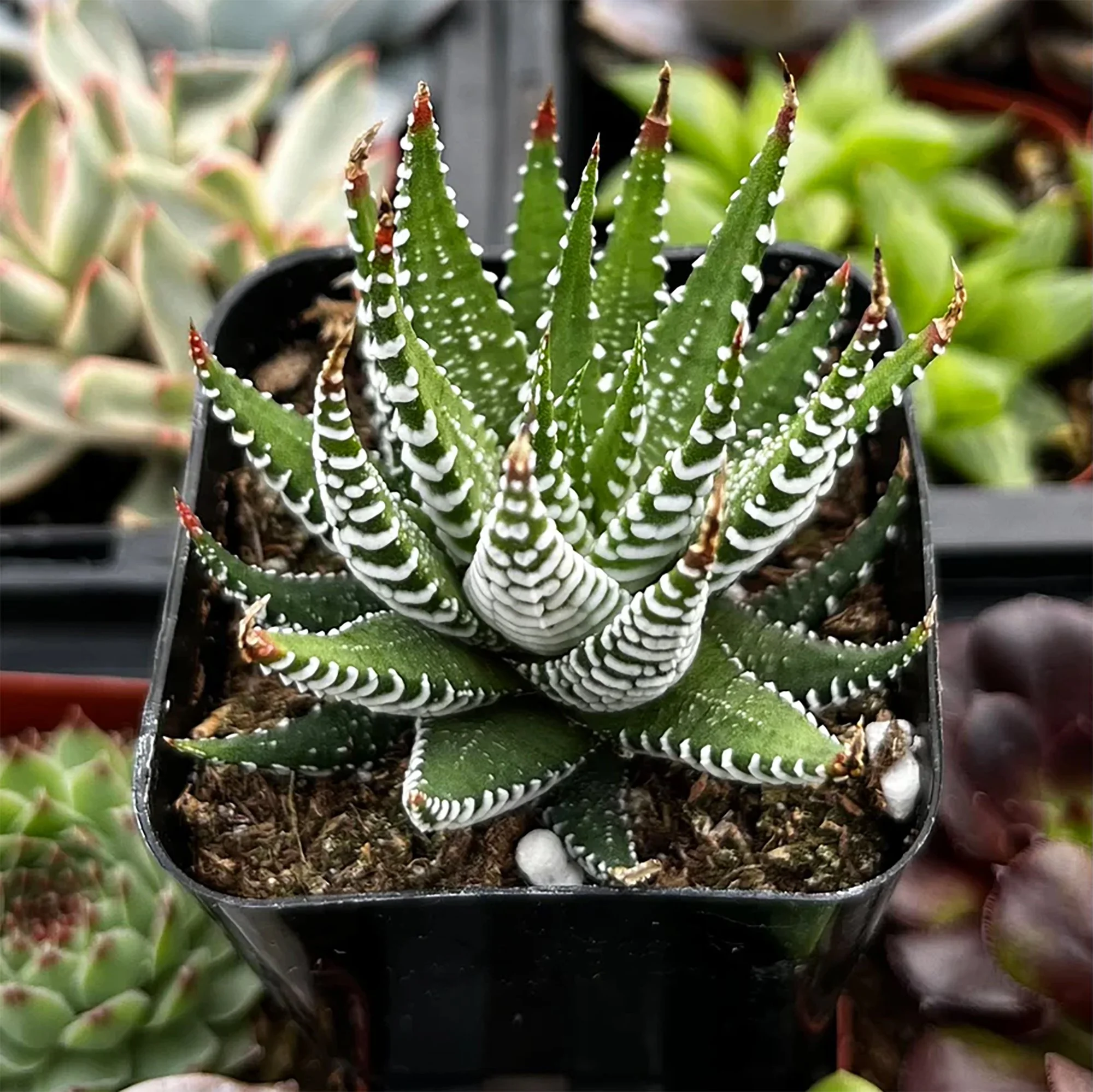
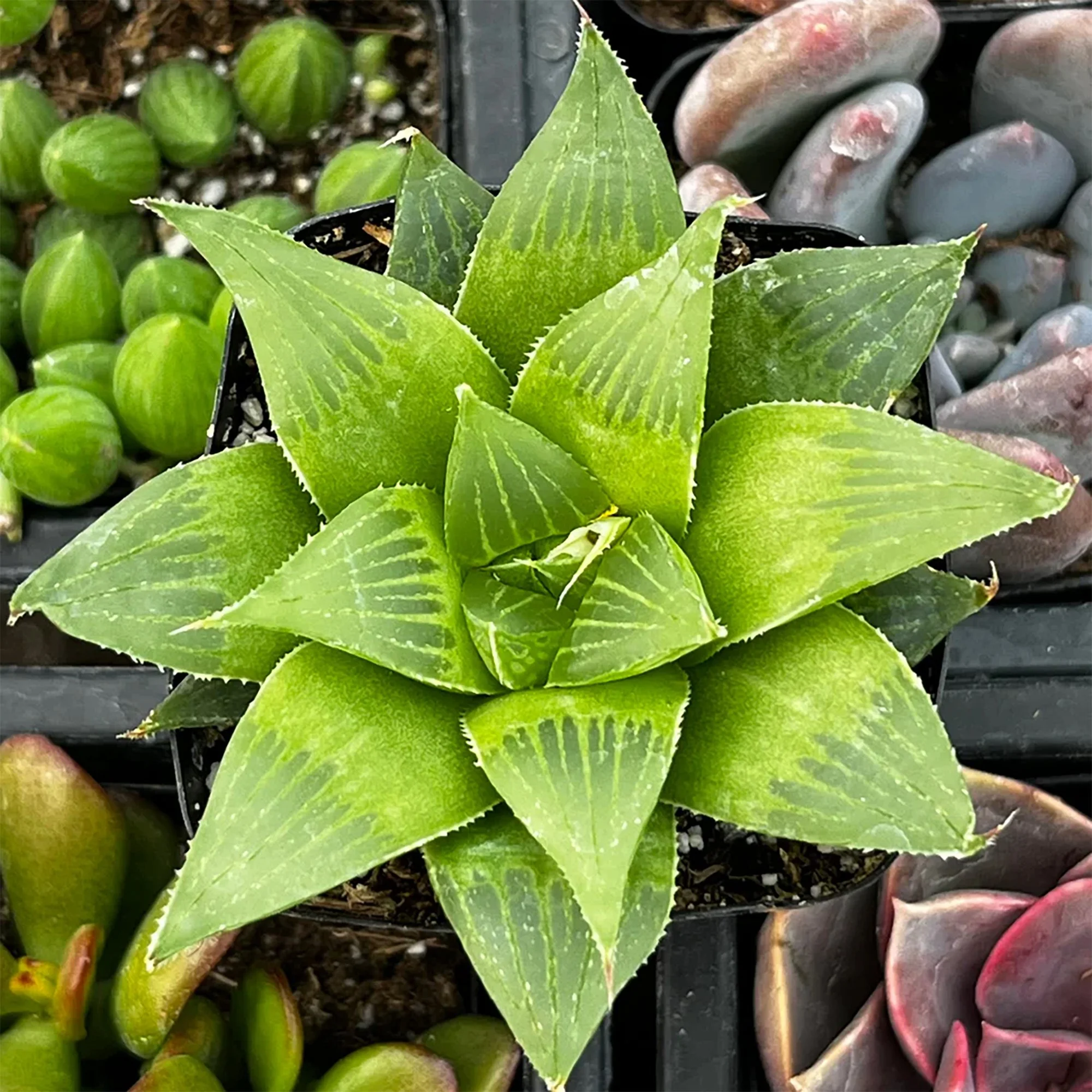
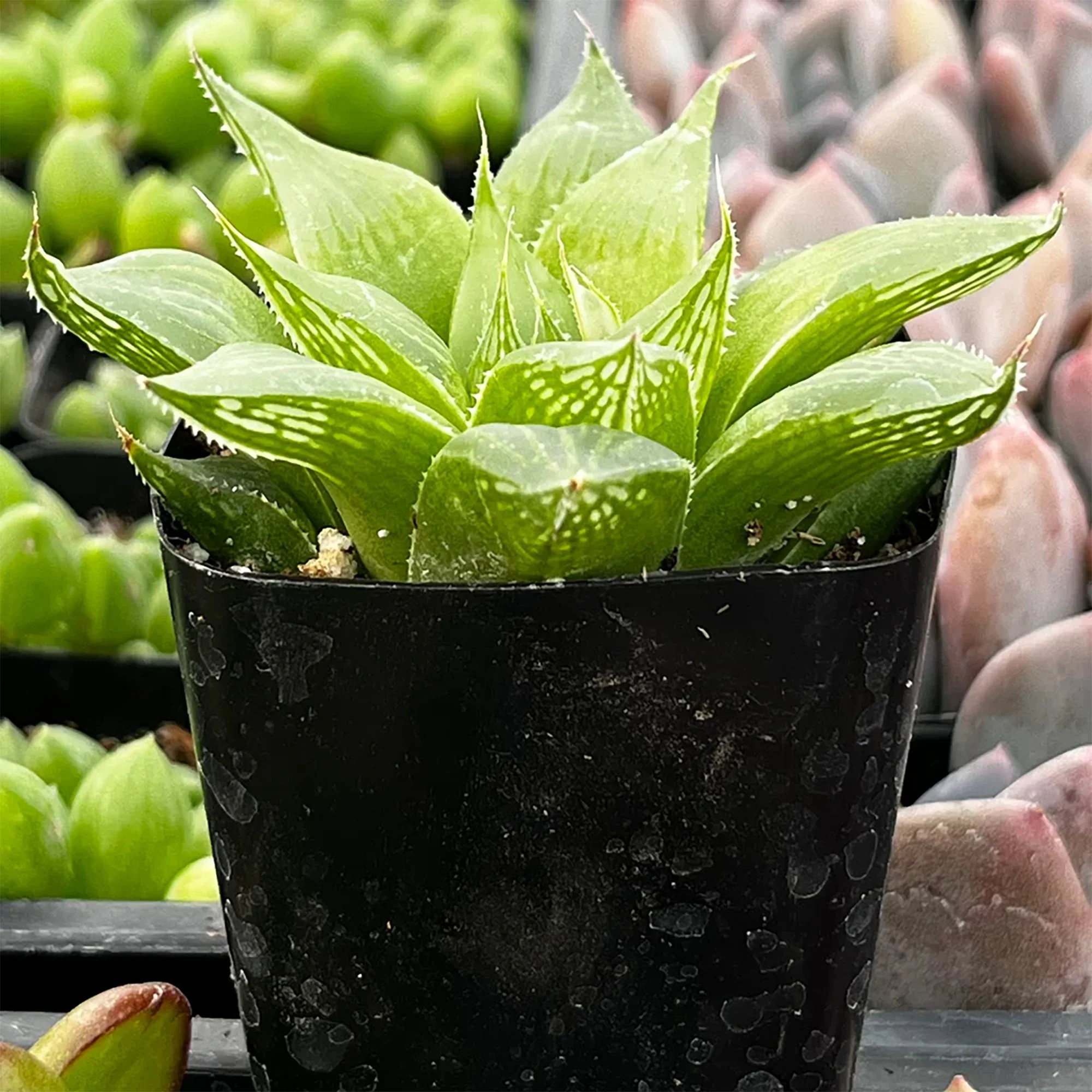
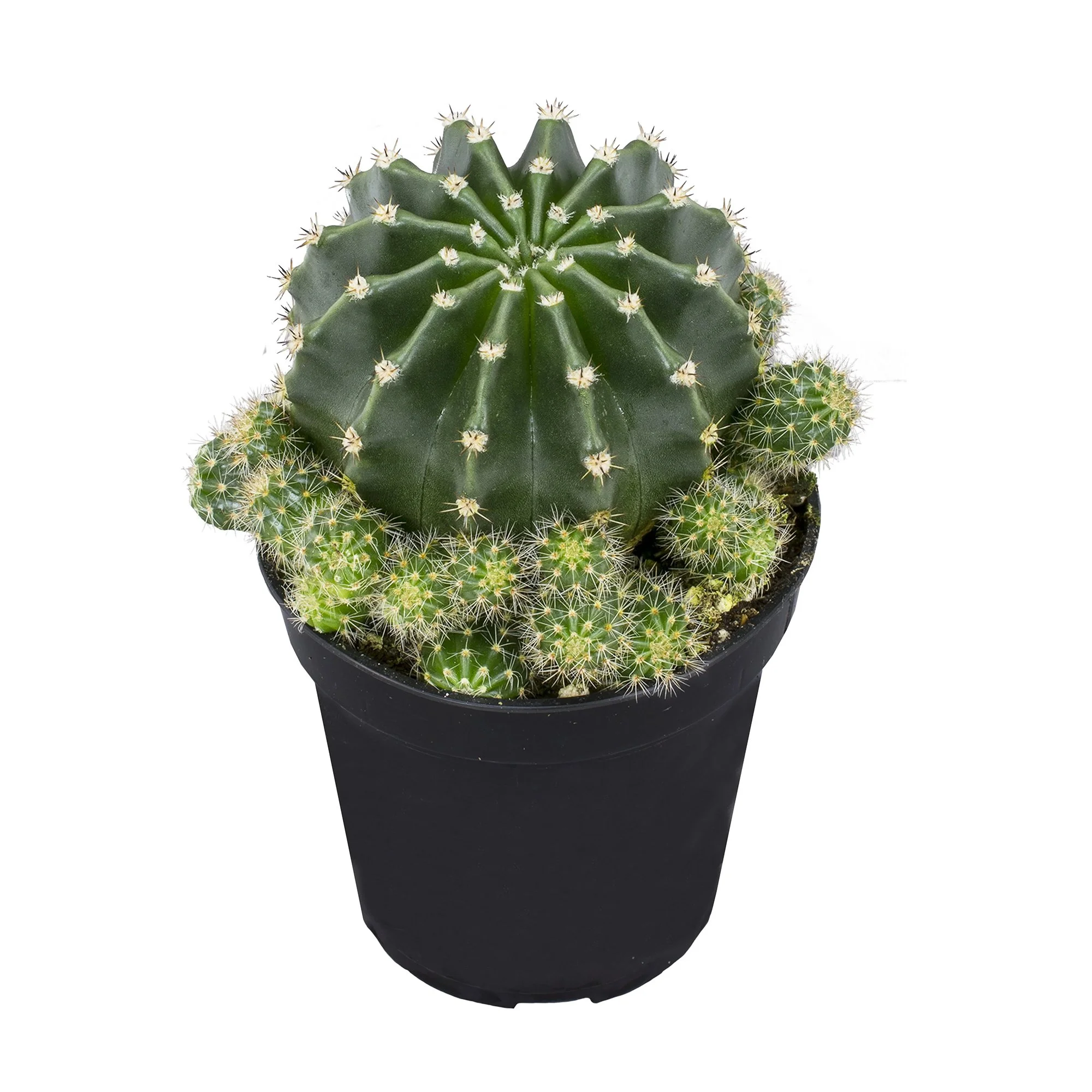
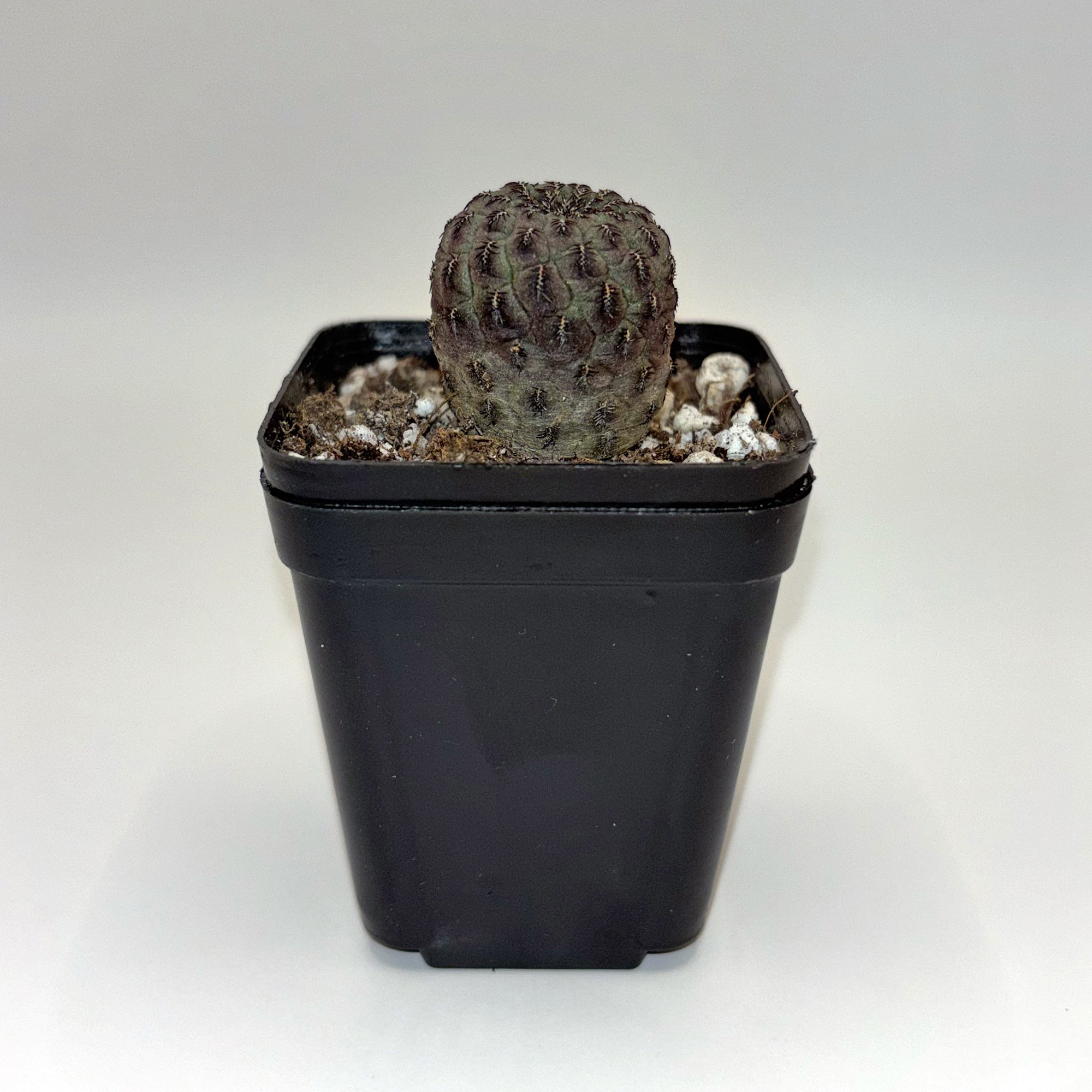
Sulcorebutia rauschii is a charming, small globular cactus native to the high-altitude regions of Bolivia, where it thrives on rocky slopes and exposed alpine terrain. Its naturally compact, spherical stems grow to approximately 1–2 inches in height and diameter, often forming dense, attractive clusters over time. Each stem is adorned with pronounced tubercles and fine radial spines, giving the plant a distinctive, textured appearance and making it an eye-catching specimen even when not in bloom. Its slow but steady multiplication habit allows Sulcorebutia rauschii to form neat clumps that are ideal for collectors or for small container arrangements.
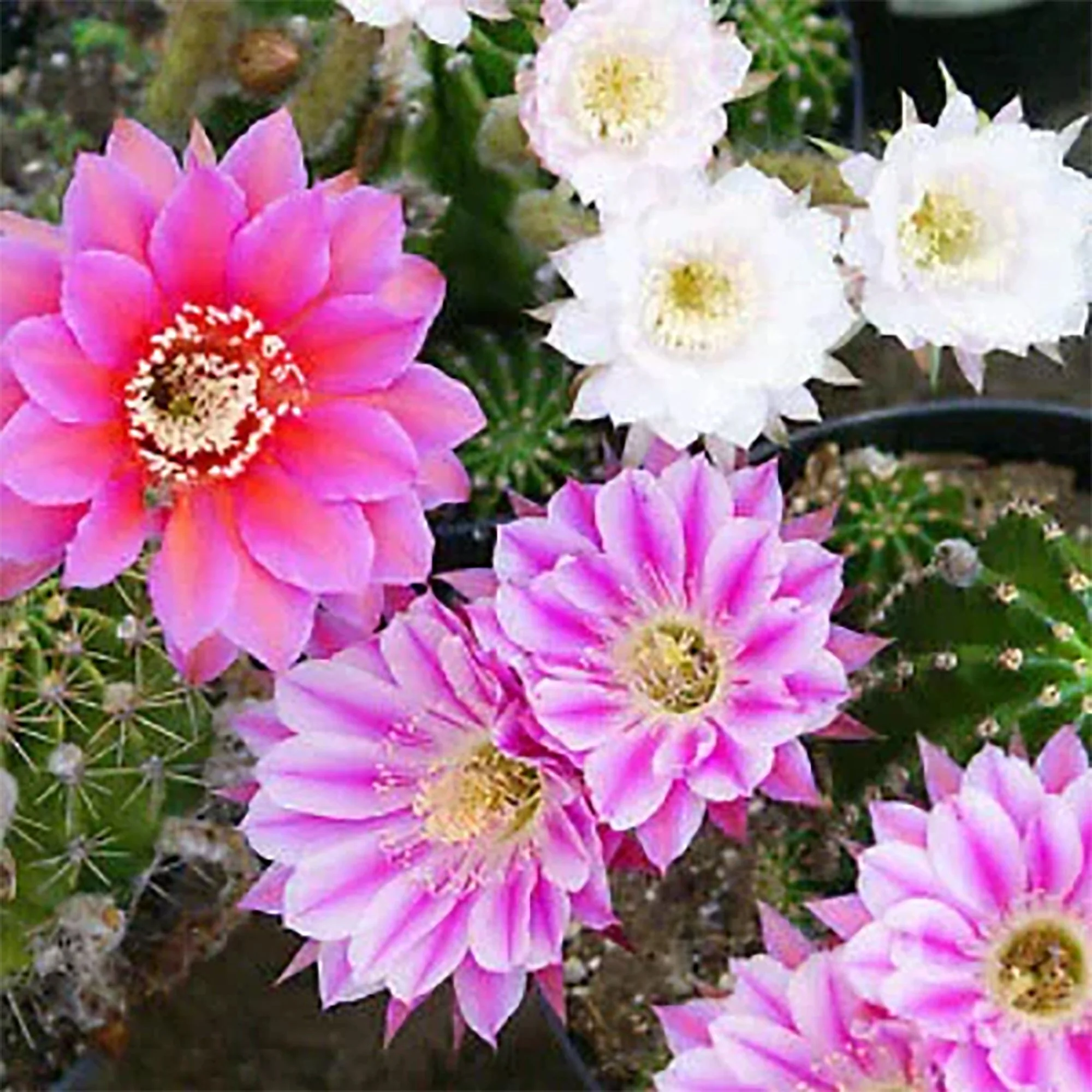
One of the most captivating features of this species is its seasonal flowering. In late spring through summer, Sulcorebutia rauschii produces brilliant funnel-shaped flowers ranging from deep magenta to vivid pink. The blossoms emerge from the tops of the stems and often cover the plant in a colorful display, contrasting beautifully against the green globular bodies. With proper care, the flowering can be prolific, adding dynamic visual interest to cactus collections, rock gardens, and miniature alpine plantings. Sulcorebutia rauschii is exceptionally suited for container cultivation due to its compact size and slow growth. It flourishes in bright light to full sun and prefers well-draining soil to prevent root rot. Watering should be sparing, allowing the soil to dry completely between sessions, especially during cooler months when the cactus enters dormancy. Its hardy nature and drought tolerance make it a relatively low-maintenance addition for both novice and experienced growers.
Care and Cultivation:
Prefers full sun to bright light
Water sparingly; allow soil to dry completely between waterings
Use a fast-draining cactus or succulent soil mix
Ideal for containers, rock gardens, and alpine-style plantings
Ideal growing temperatures: 60–85°F (16–29°C)
Frost Tolerance and Cold Hardiness:
Can tolerate brief cold down to about 20°F (-6°C) when soil is dry
Protect from prolonged freezing and excessive winter moisture
Winter Dormancy and Health:
Growth slows during cooler months
Reduce watering significantly in winter
Maintain bright light to support healthy growth and flowering
Notes:
Produces vibrant magenta to pink flowers in summer
Forms small clusters as it matures
Compact miniature cactus ideal for containers and rockeries
Drought-tolerant and relatively low-maintenance
Botanical Name: Sulcorebutia rauschii
Common Names: Rausch’s Sulcorebutia, Rausch’s Cactus
Sulcorebutia rauschii is a charming, small globular cactus native to the high-altitude regions of Bolivia, where it thrives on rocky slopes and exposed alpine terrain. Its naturally compact, spherical stems grow to approximately 1–2 inches in height and diameter, often forming dense, attractive clusters over time. Each stem is adorned with pronounced tubercles and fine radial spines, giving the plant a distinctive, textured appearance and making it an eye-catching specimen even when not in bloom. Its slow but steady multiplication habit allows Sulcorebutia rauschii to form neat clumps that are ideal for collectors or for small container arrangements.
One of the most captivating features of this species is its seasonal flowering. In late spring through summer, Sulcorebutia rauschii produces brilliant funnel-shaped flowers ranging from deep magenta to vivid pink. The blossoms emerge from the tops of the stems and often cover the plant in a colorful display, contrasting beautifully against the green globular bodies. With proper care, the flowering can be prolific, adding dynamic visual interest to cactus collections, rock gardens, and miniature alpine plantings. Sulcorebutia rauschii is exceptionally suited for container cultivation due to its compact size and slow growth. It flourishes in bright light to full sun and prefers well-draining soil to prevent root rot. Watering should be sparing, allowing the soil to dry completely between sessions, especially during cooler months when the cactus enters dormancy. Its hardy nature and drought tolerance make it a relatively low-maintenance addition for both novice and experienced growers.
Care and Cultivation:
Prefers full sun to bright light
Water sparingly; allow soil to dry completely between waterings
Use a fast-draining cactus or succulent soil mix
Ideal for containers, rock gardens, and alpine-style plantings
Ideal growing temperatures: 60–85°F (16–29°C)
Frost Tolerance and Cold Hardiness:
Can tolerate brief cold down to about 20°F (-6°C) when soil is dry
Protect from prolonged freezing and excessive winter moisture
Winter Dormancy and Health:
Growth slows during cooler months
Reduce watering significantly in winter
Maintain bright light to support healthy growth and flowering
Notes:
Produces vibrant magenta to pink flowers in summer
Forms small clusters as it matures
Compact miniature cactus ideal for containers and rockeries
Drought-tolerant and relatively low-maintenance