 Image 1 of 2
 Image 2 of 2
Botanical Name: Agave inaequidens ‘Ashy White’
Common Name: Ashy White Agave
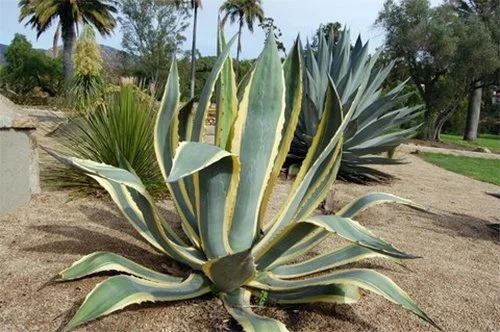
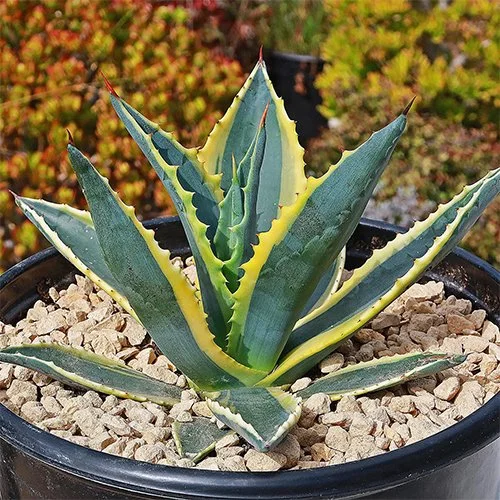
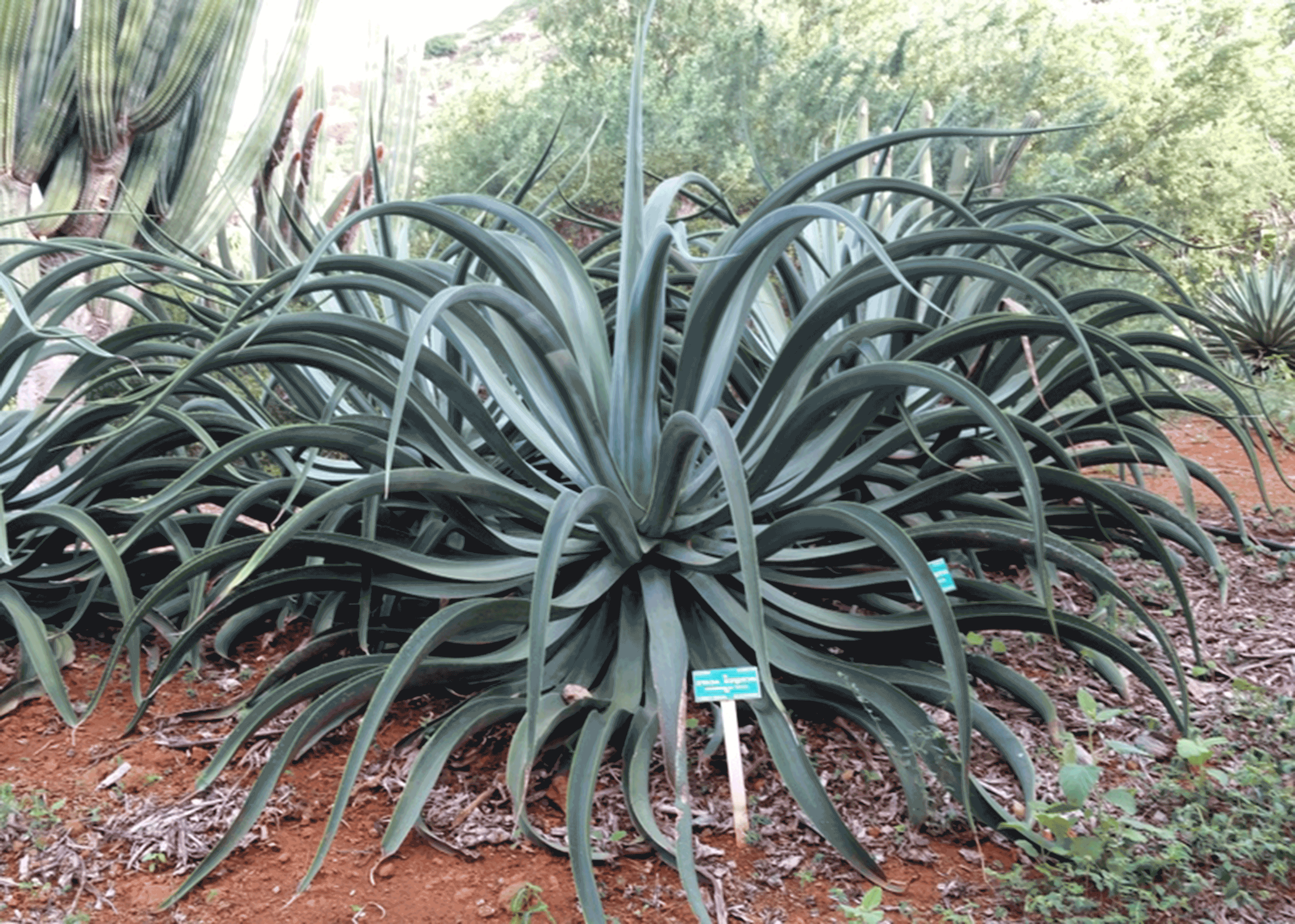
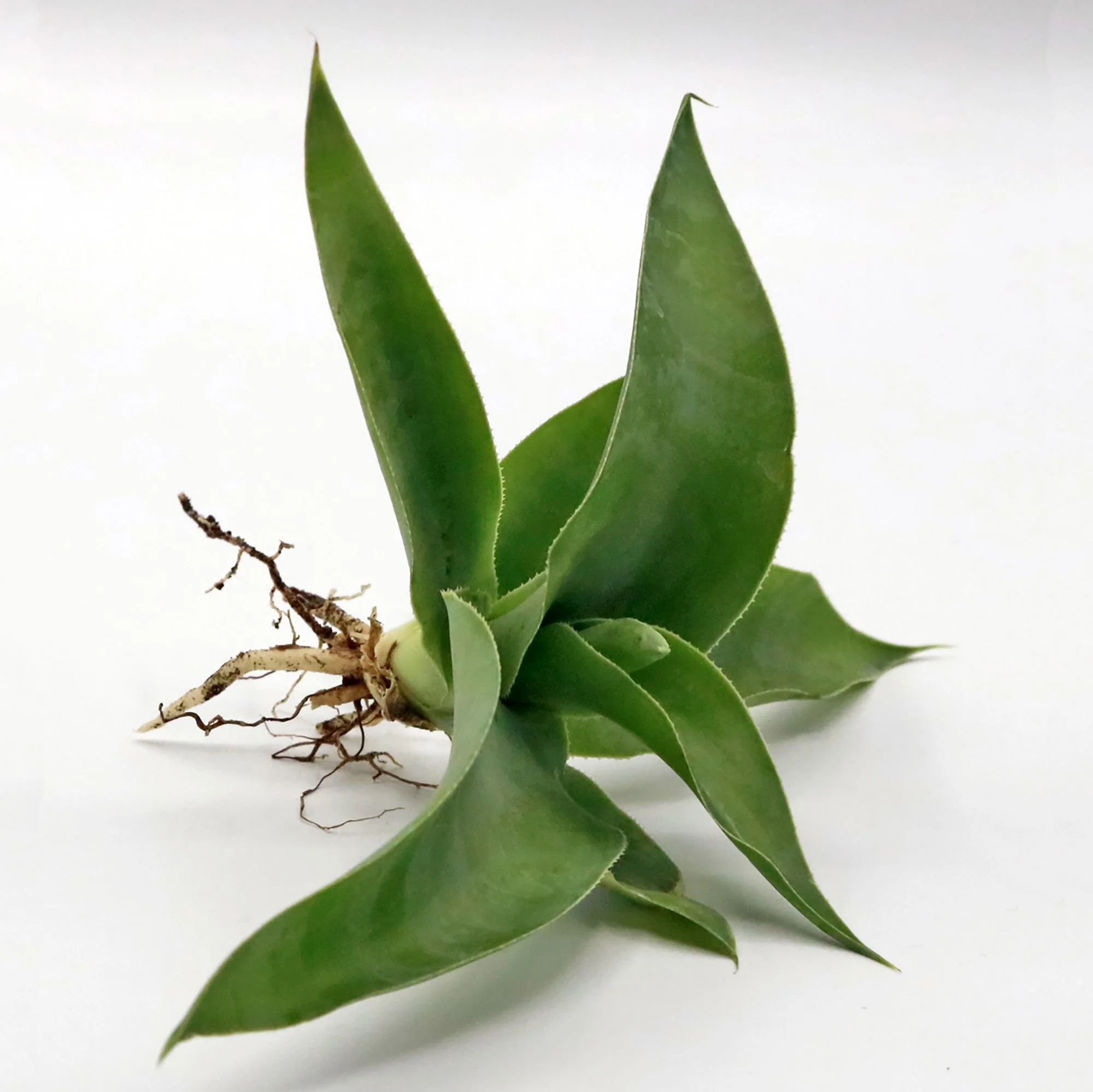
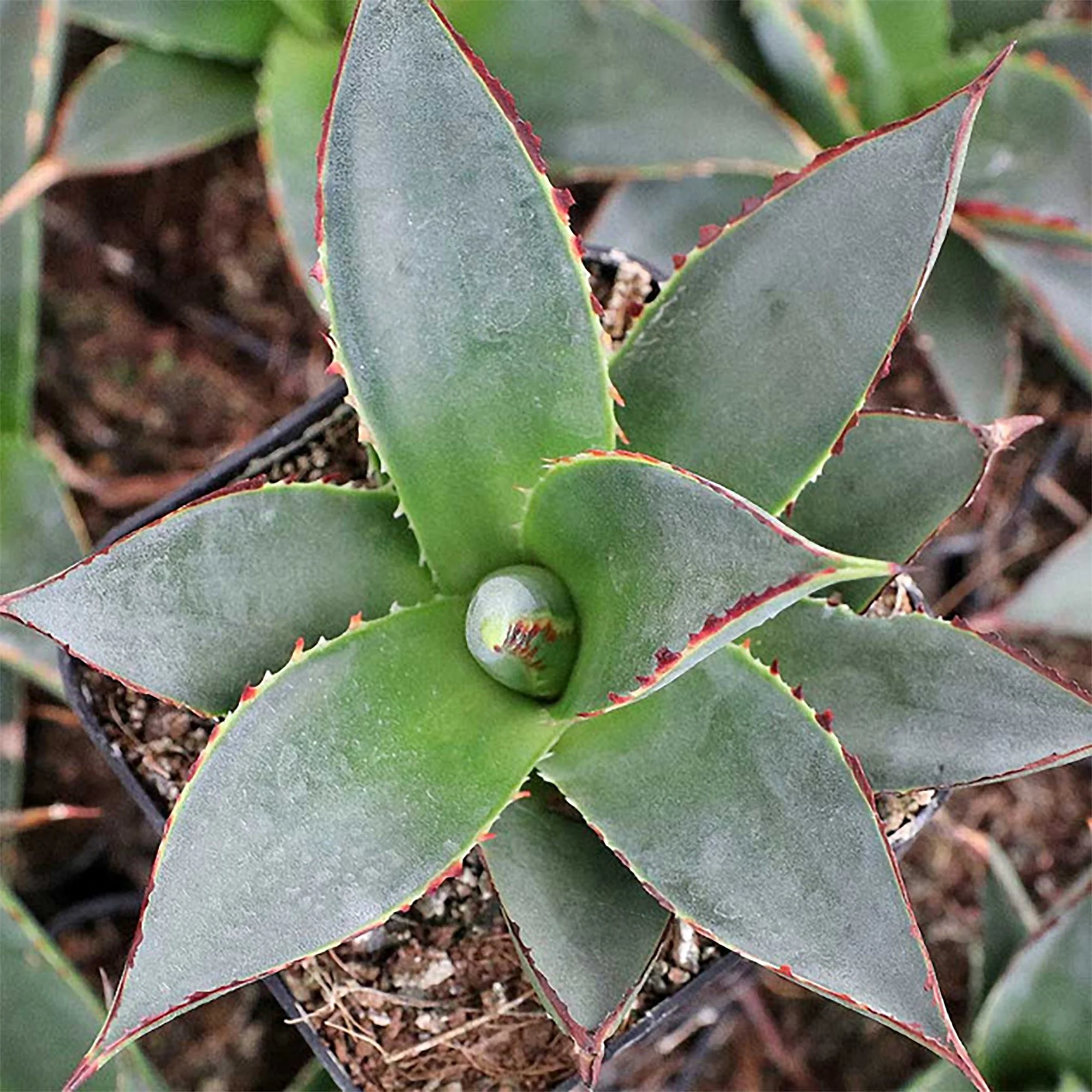
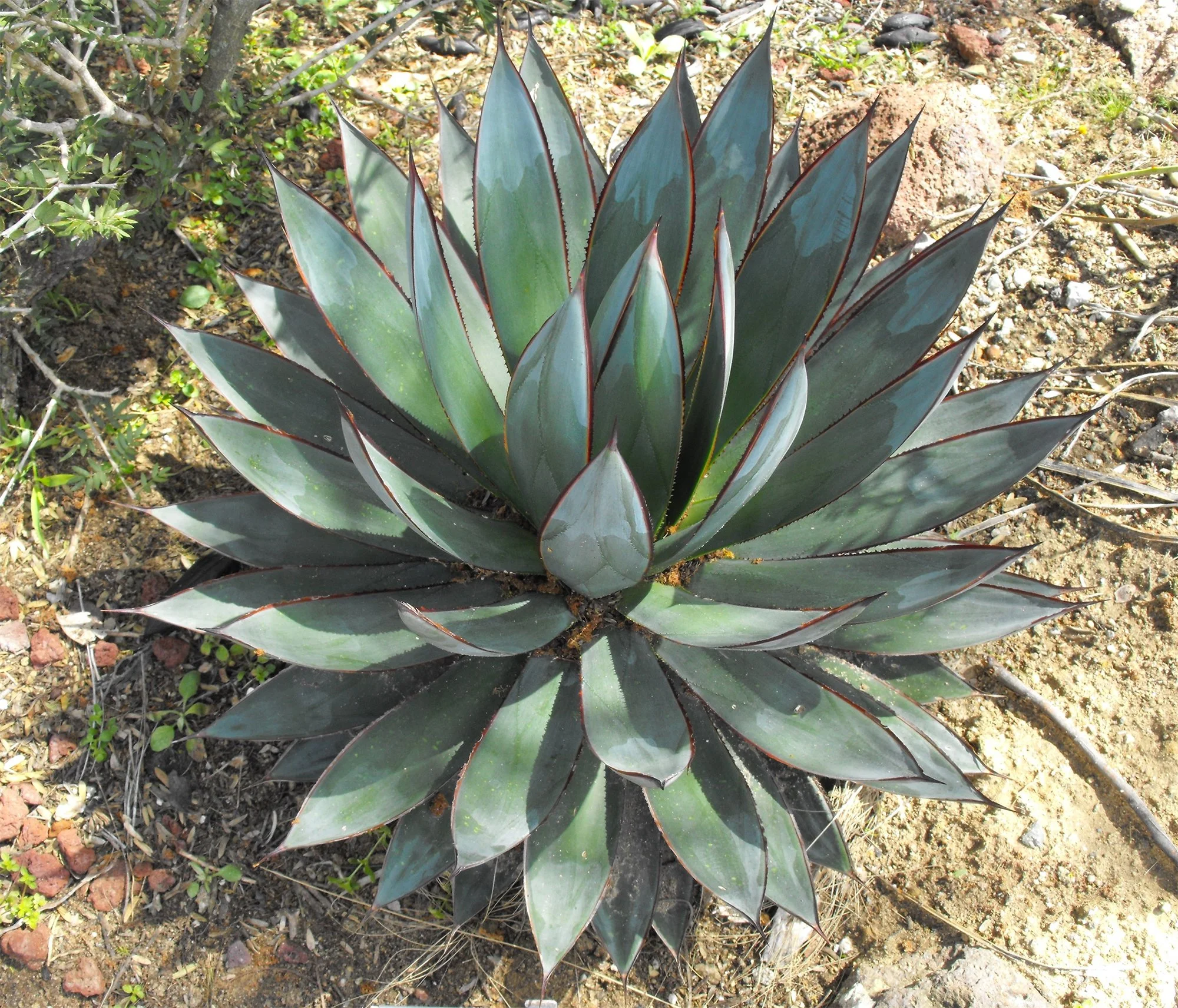
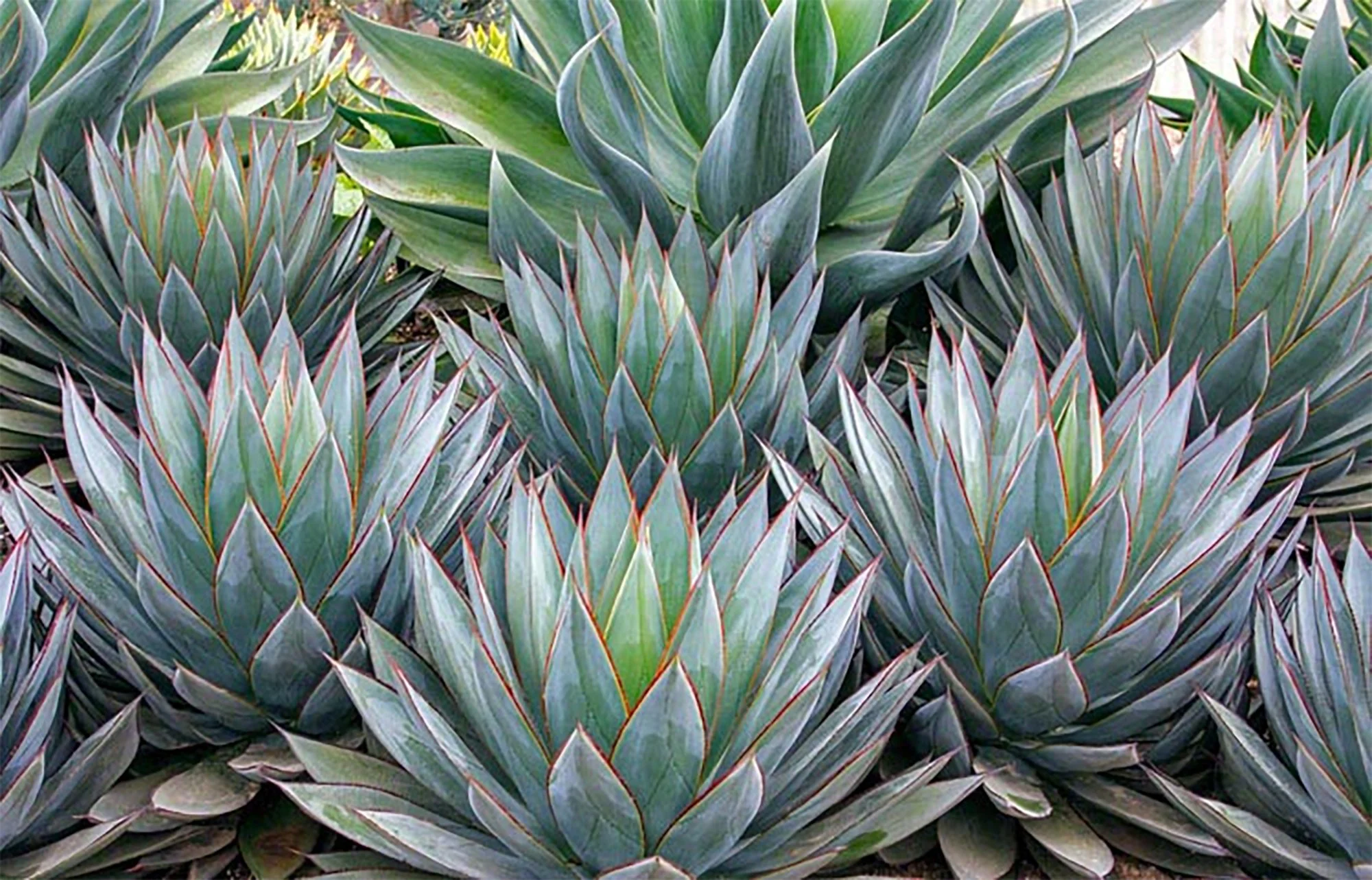
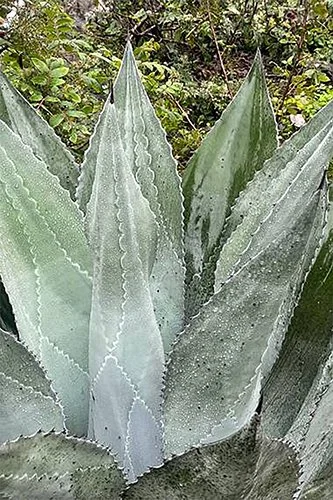
Agave inaequidens ‘Ashy White’ is a striking agave selected for its broad, powdery blue-gray leaves coated in a heavy glaucous bloom, giving the plant an ashy, white appearance. Native to western Mexico through its parent species, this bold agave forms large, dramatic rosettes and makes an exceptional statement in containers, xeriscape landscapes, and collector gardens. Mature plants typically reach 4–6 feet tall and wide.
Care and Cultivation:
Prefers full sun to bright light
Water sparingly; allow soil to dry completely between waterings
Use a fast-draining cactus or succulent soil mix
Best suited for large containers or open landscapes
Frost Tolerance and Cold Hardiness:
Best suited for USDA Zones 8–11
Can tolerate brief cold down to 20°F (-6°C) when soil is dry
Protect from prolonged freezing and winter moisture
Ideal growing temperatures: 55–90°F (13–32°C)
Avoid prolonged exposure to temperatures below 45°F (7°C)
Winter Dormancy and Health:
Growth slows during cooler months
Reduce watering significantly in winter
Maintain good airflow to prevent rot
Keep in bright light during dormancy
Notes:
Large terminal spines; handle with care
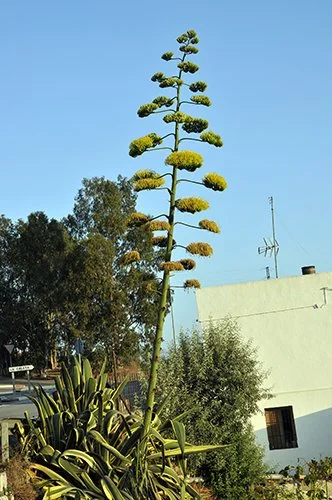
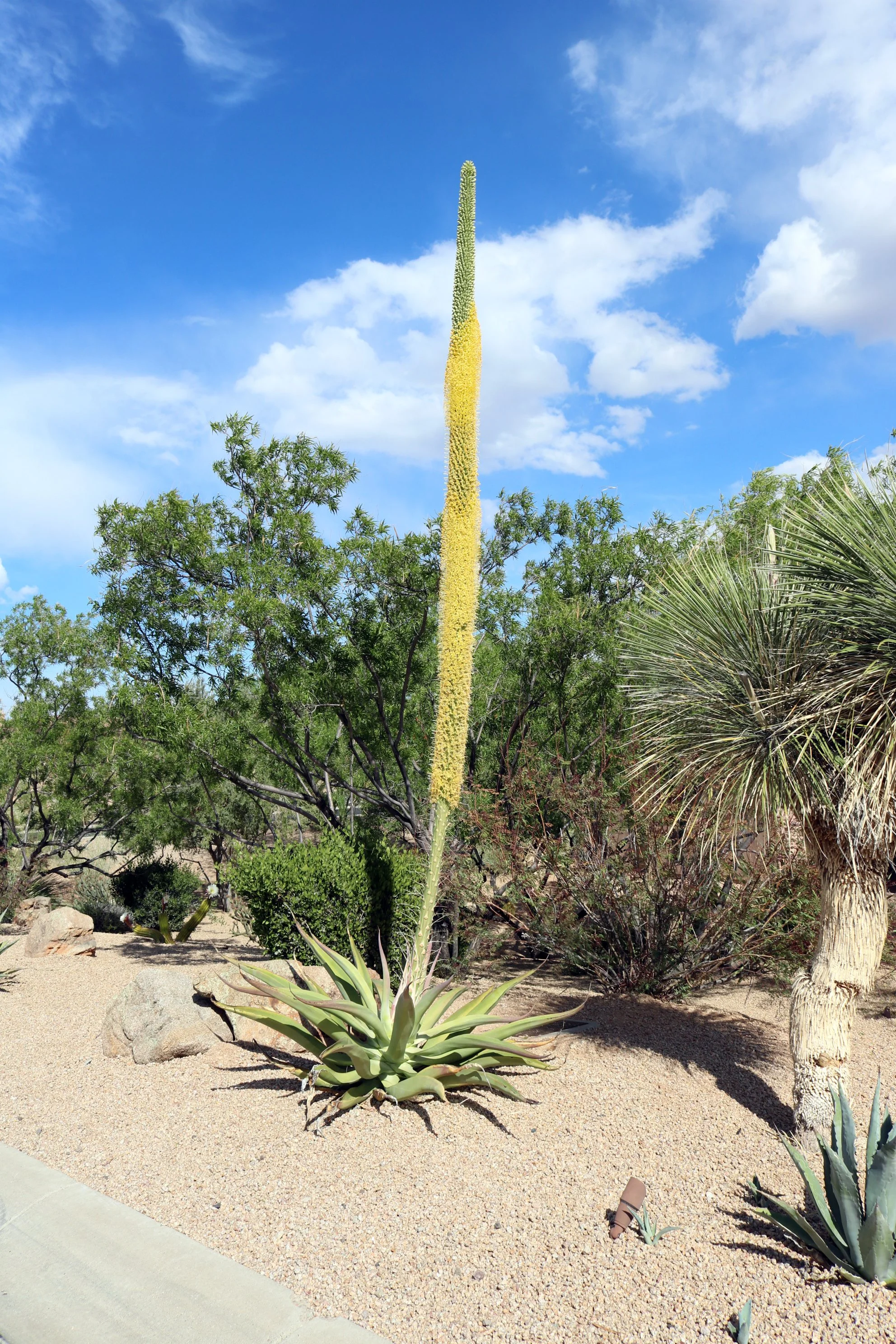
Monocarpic: flowers once at maturity
Bold, architectural form ideal for statement planting
Highly drought-tolerant once established
Botanical Name: Agave inaequidens ‘Ashy White’
Common Name: Ashy White Agave
Agave inaequidens ‘Ashy White’ is a striking agave selected for its broad, powdery blue-gray leaves coated in a heavy glaucous bloom, giving the plant an ashy, white appearance. Native to western Mexico through its parent species, this bold agave forms large, dramatic rosettes and makes an exceptional statement in containers, xeriscape landscapes, and collector gardens. Mature plants typically reach 4–6 feet tall and wide.
Care and Cultivation:
Prefers full sun to bright light
Water sparingly; allow soil to dry completely between waterings
Use a fast-draining cactus or succulent soil mix
Best suited for large containers or open landscapes
Frost Tolerance and Cold Hardiness:
Best suited for USDA Zones 8–11
Can tolerate brief cold down to 20°F (-6°C) when soil is dry
Protect from prolonged freezing and winter moisture
Ideal growing temperatures: 55–90°F (13–32°C)
Avoid prolonged exposure to temperatures below 45°F (7°C)
Winter Dormancy and Health:
Growth slows during cooler months
Reduce watering significantly in winter
Maintain good airflow to prevent rot
Keep in bright light during dormancy
Notes:
Large terminal spines; handle with care
Monocarpic: flowers once at maturity
Bold, architectural form ideal for statement planting
Highly drought-tolerant once established