 Image 1 of 2
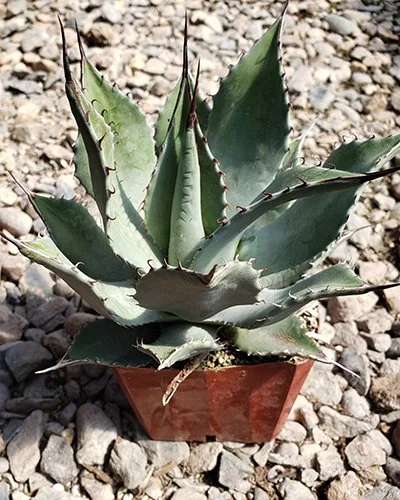 Image 2 of 2
Botanical Name: Agave parryi var. huachucensis
Common Name: Huachuca Agave
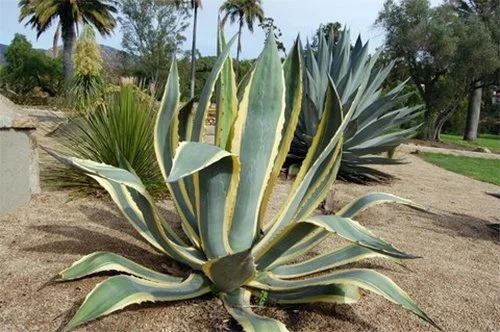
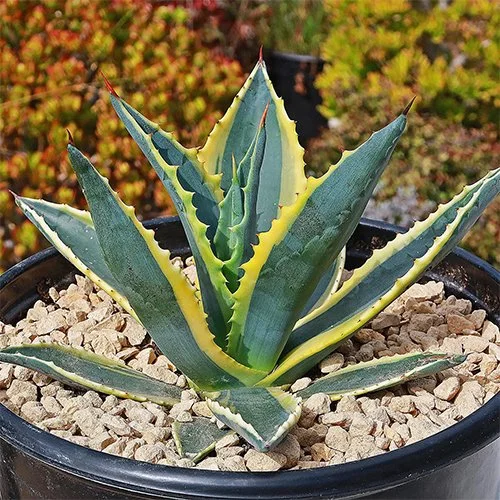
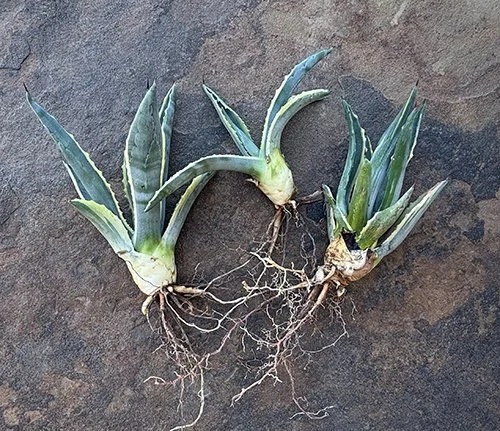
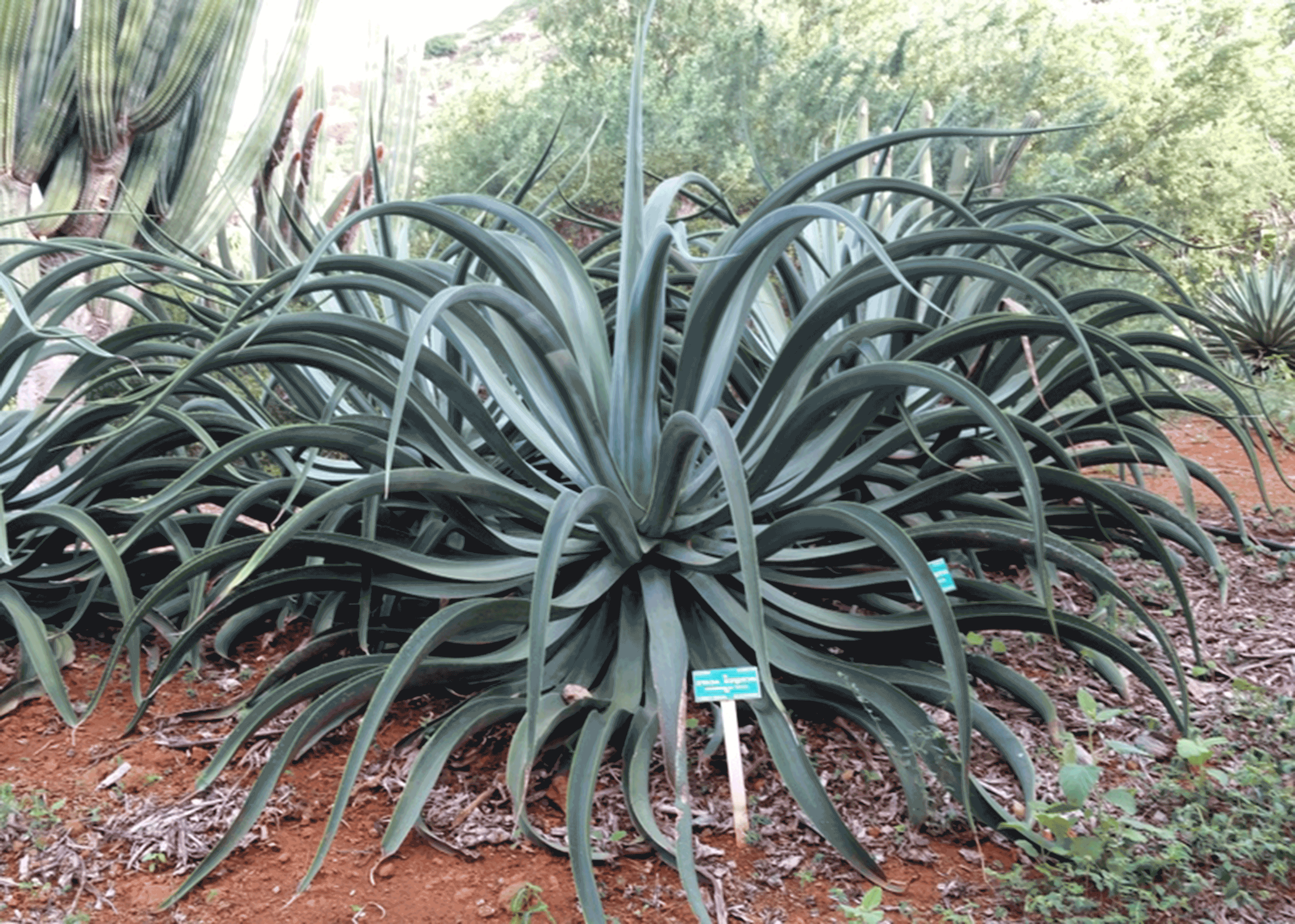
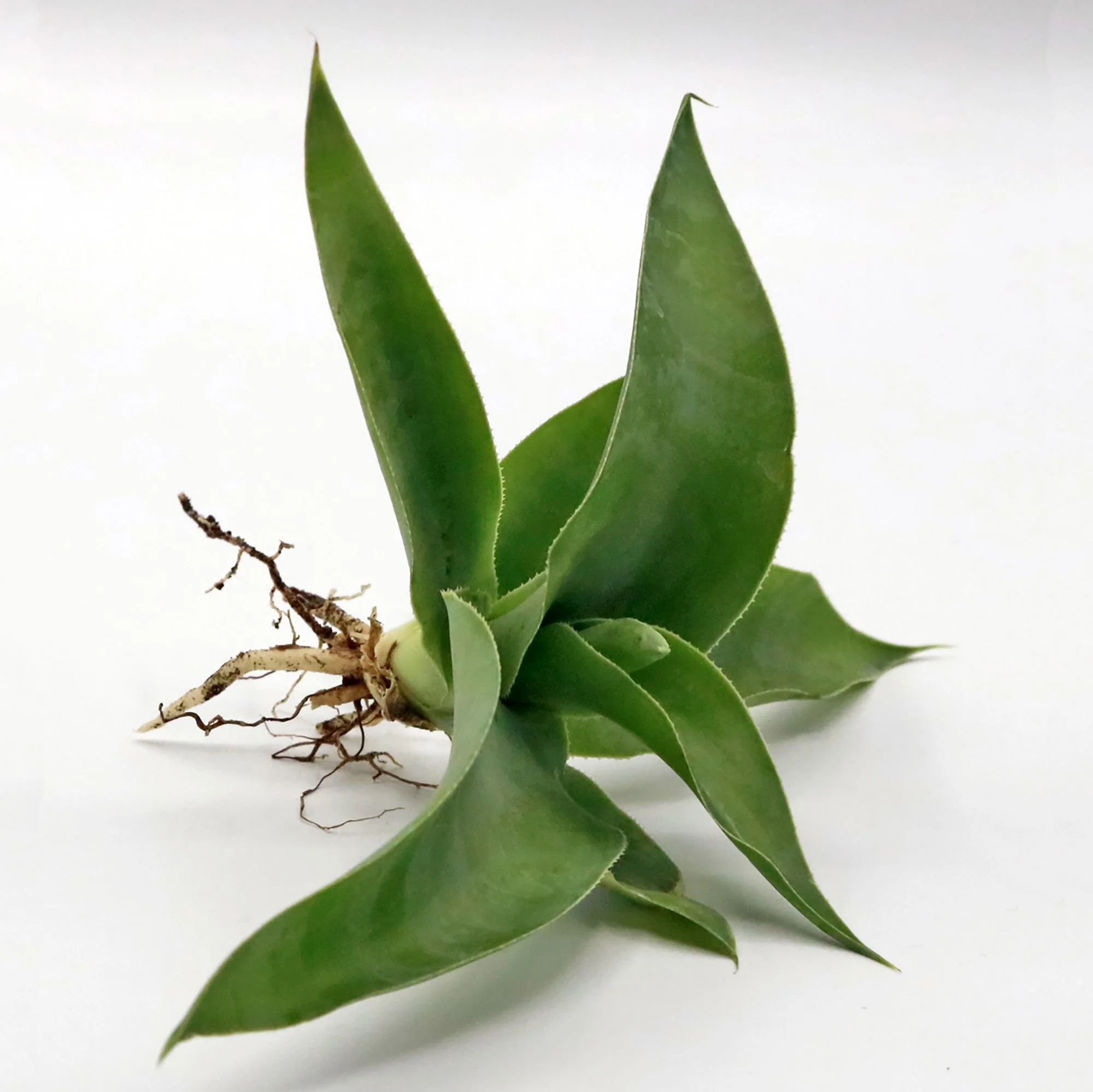
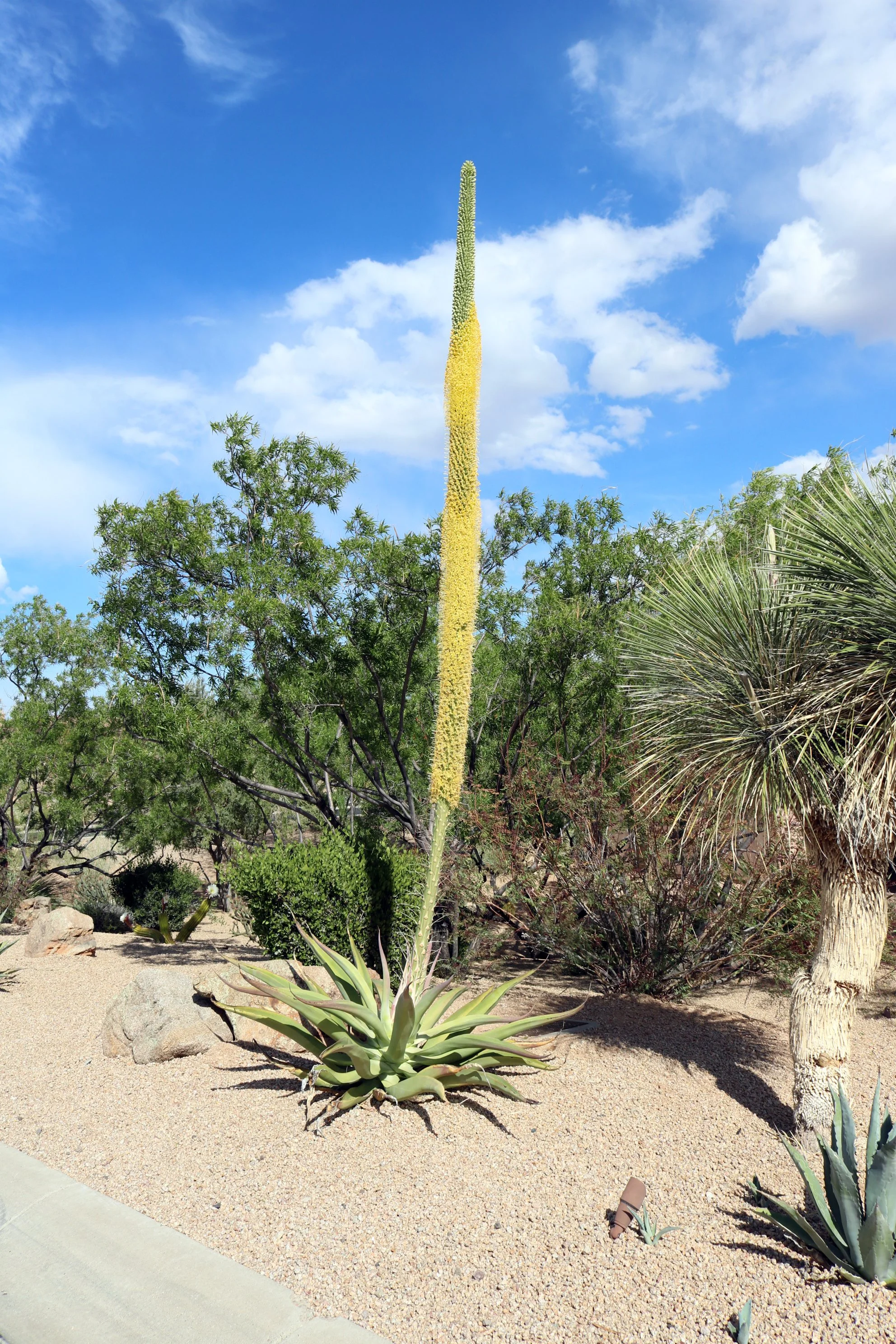
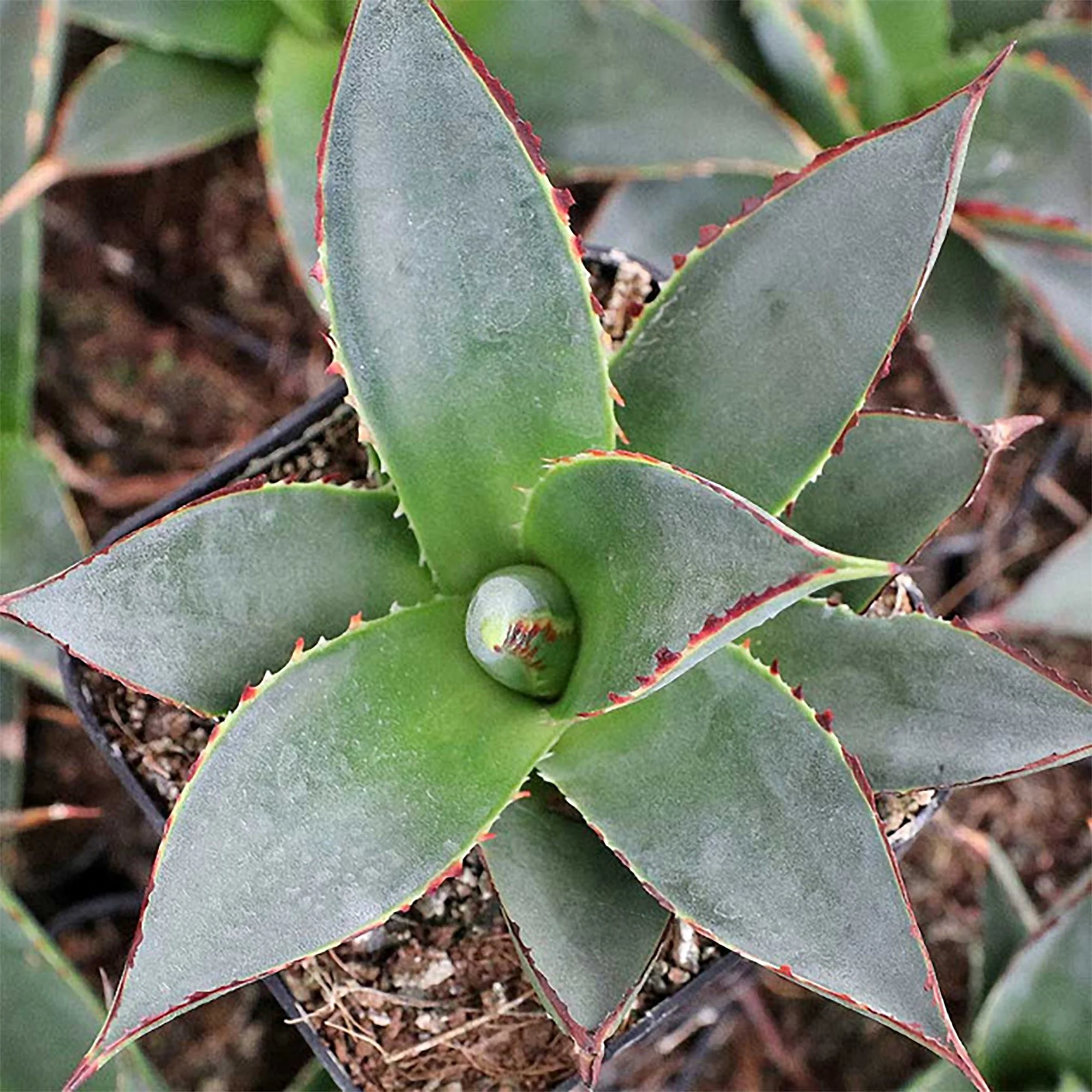
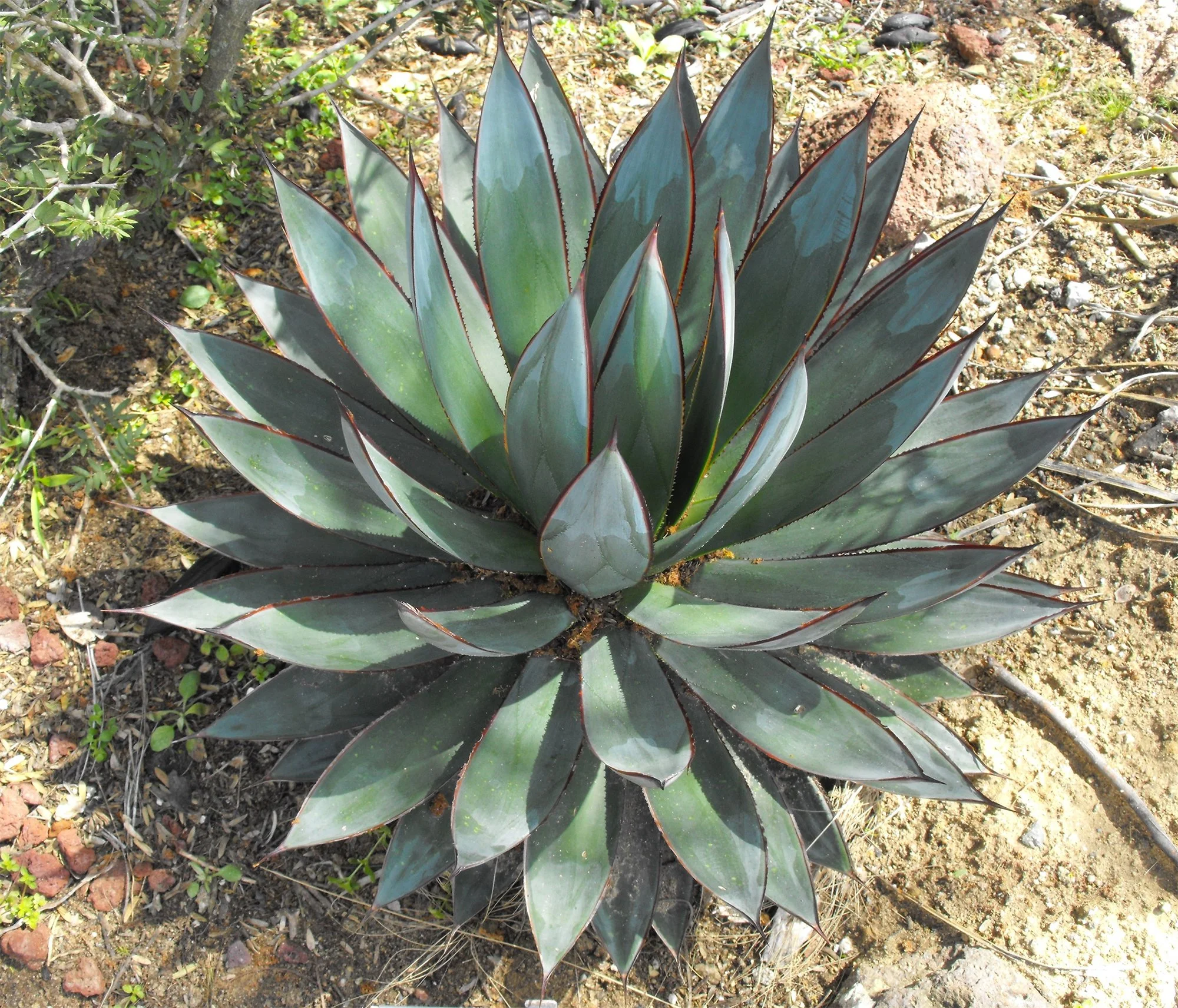
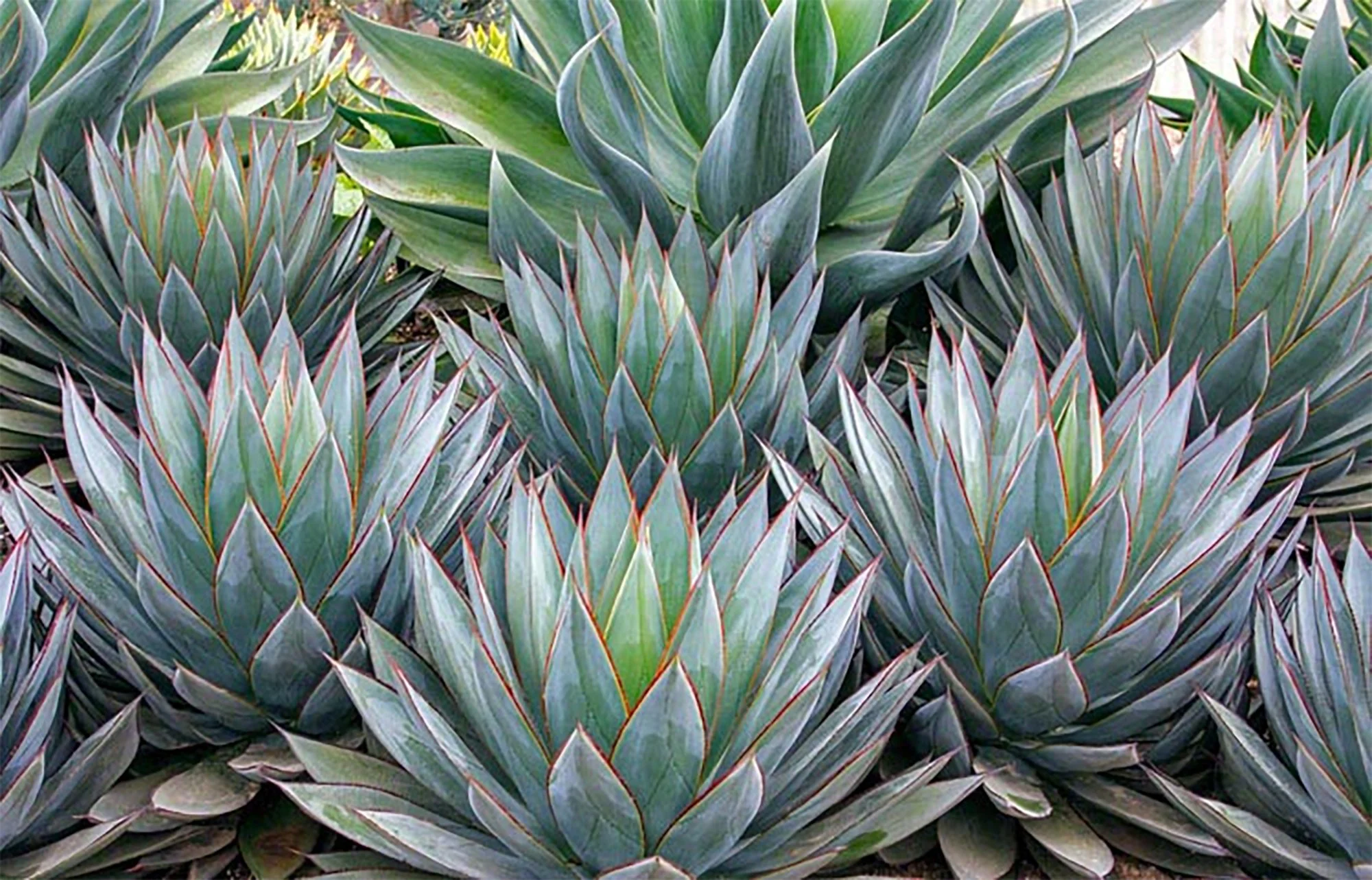
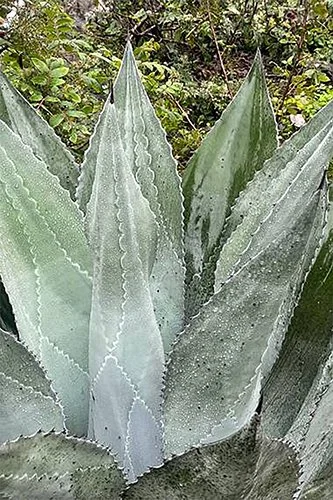
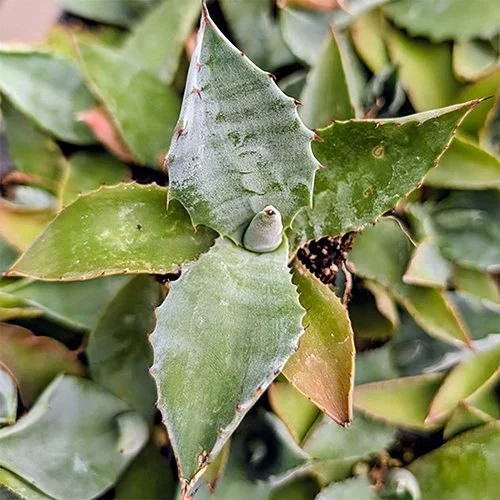
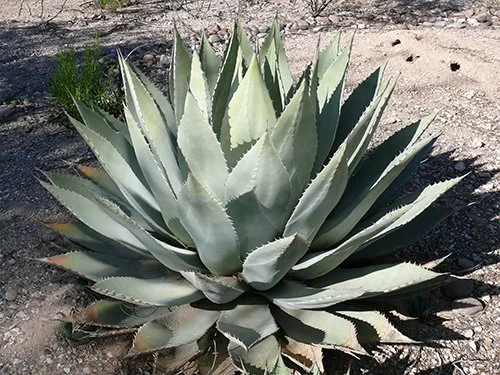
Agave parryi var. huachucensis is a compact, cold-hardy agave native to the mountain regions of southeastern Arizona and northern Mexico. It forms dense, symmetrical rosettes of thick, blue-gray leaves, each tipped with a dark terminal spine. This slow-growing species is highly valued for its durability, tidy form, and excellent cold tolerance, making it ideal for rock gardens, containers, and xeriscape landscapes. Mature plants typically reach 18–24 inches tall and wide. SHIPPED AS A YOUNG BARE ROOT SPECIMEN.
Care and Cultivation:
Prefers full sun to bright light
Water sparingly; allow soil to dry completely between waterings
Use a fast-draining cactus or succulent soil mix
Excellent for containers and cold-hardy landscapes
Frost Tolerance and Cold Hardiness:
Best suited for USDA Zones 6–10
Cold hardy to -10°F (-23°C) when soil is dry
Protect from excess winter moisture
Ideal growing temperatures: 20–85°F (-7–29°C)
Avoid prolonged exposure to temperatures below 25°F (-4°C) if soil is wet
Winter Dormancy and Health:
Growth slows during winter
Reduce watering significantly in cold months
Excellent tolerance to both heat and cold
Maintain bright light and good airflow during dormancy
Notes:
Sharp terminal spines; handle with care
Offsets slowly over time
Compact, architectural rosette ideal for rock gardens and containers
Highly drought-tolerant once established
Botanical Name: Agave parryi var. huachucensis
Common Name: Huachuca Agave
Agave parryi var. huachucensis is a compact, cold-hardy agave native to the mountain regions of southeastern Arizona and northern Mexico. It forms dense, symmetrical rosettes of thick, blue-gray leaves, each tipped with a dark terminal spine. This slow-growing species is highly valued for its durability, tidy form, and excellent cold tolerance, making it ideal for rock gardens, containers, and xeriscape landscapes. Mature plants typically reach 18–24 inches tall and wide. SHIPPED AS A YOUNG BARE ROOT SPECIMEN.
Care and Cultivation:
Prefers full sun to bright light
Water sparingly; allow soil to dry completely between waterings
Use a fast-draining cactus or succulent soil mix
Excellent for containers and cold-hardy landscapes
Frost Tolerance and Cold Hardiness:
Best suited for USDA Zones 6–10
Cold hardy to -10°F (-23°C) when soil is dry
Protect from excess winter moisture
Ideal growing temperatures: 20–85°F (-7–29°C)
Avoid prolonged exposure to temperatures below 25°F (-4°C) if soil is wet
Winter Dormancy and Health:
Growth slows during winter
Reduce watering significantly in cold months
Excellent tolerance to both heat and cold
Maintain bright light and good airflow during dormancy
Notes:
Sharp terminal spines; handle with care
Offsets slowly over time
Compact, architectural rosette ideal for rock gardens and containers
Highly drought-tolerant once established