 Image 1 of 2
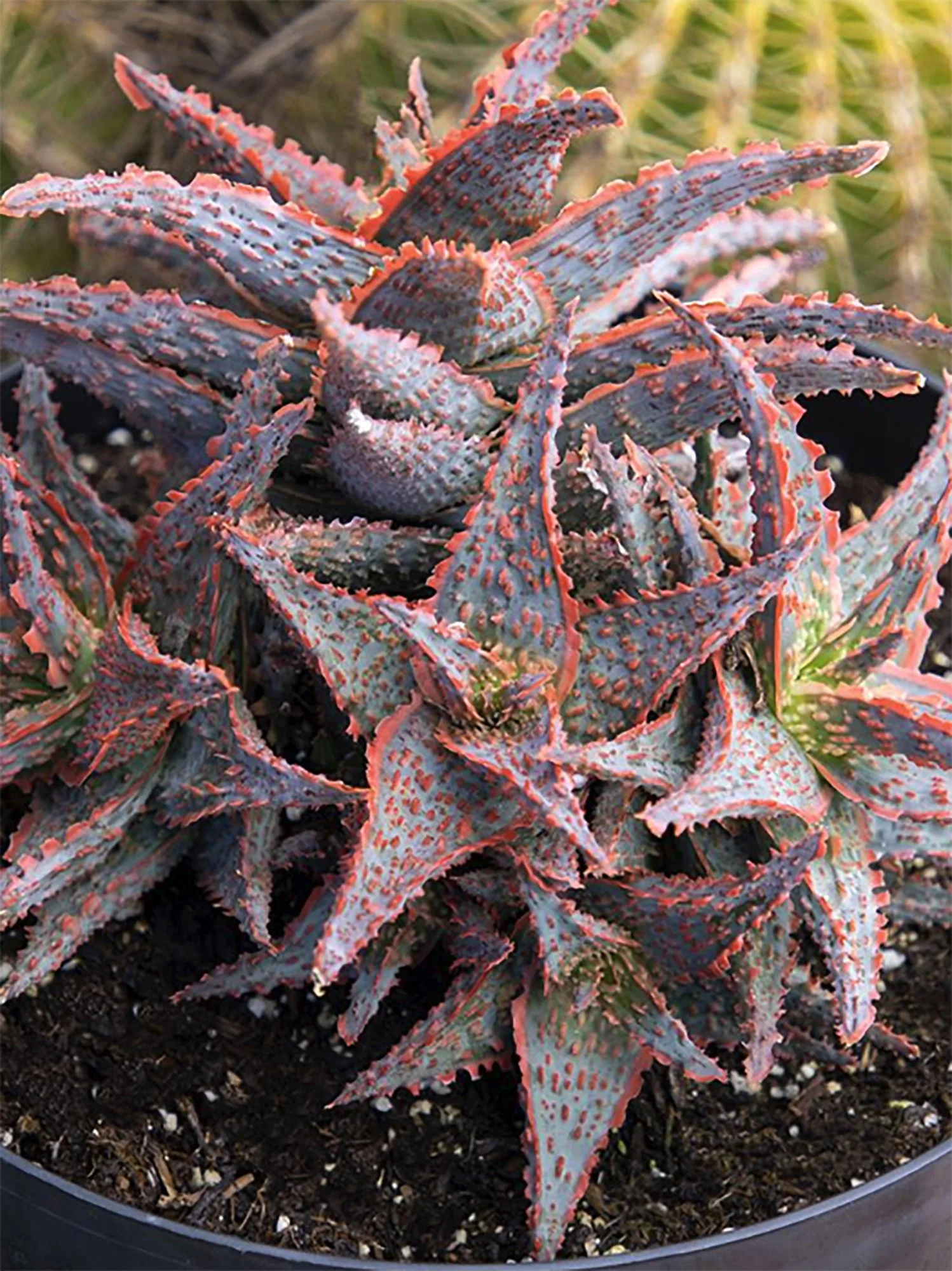 Image 2 of 2
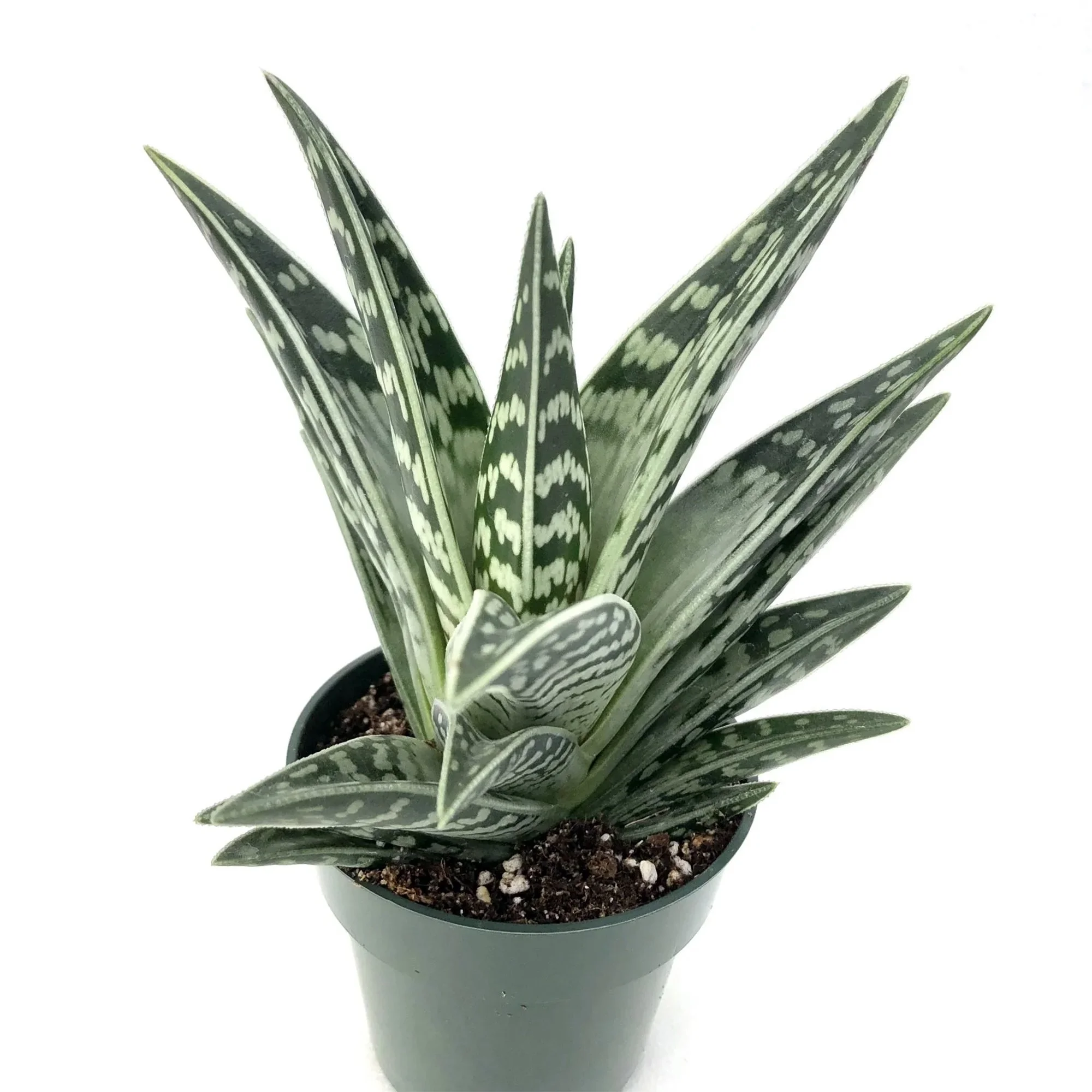
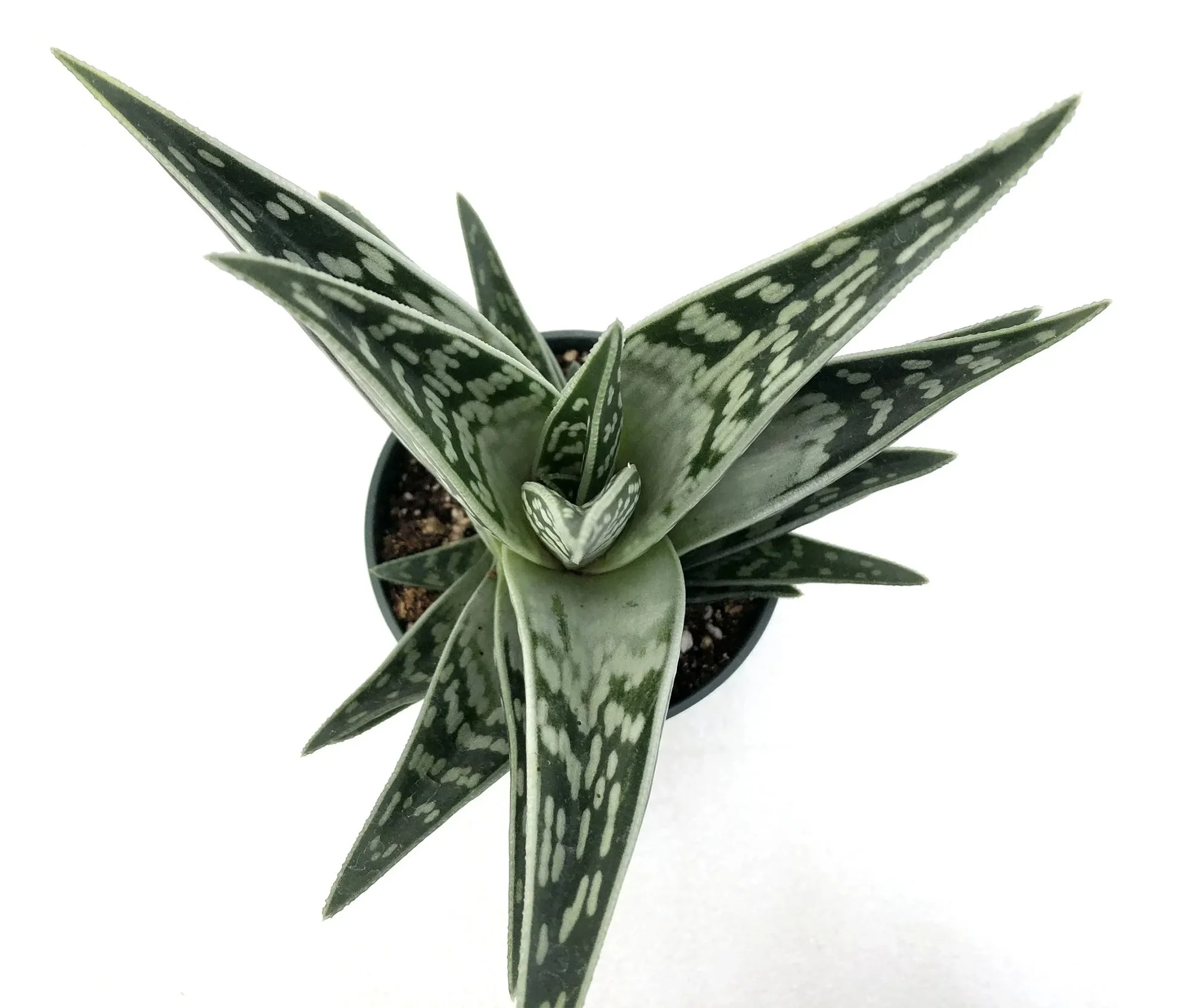
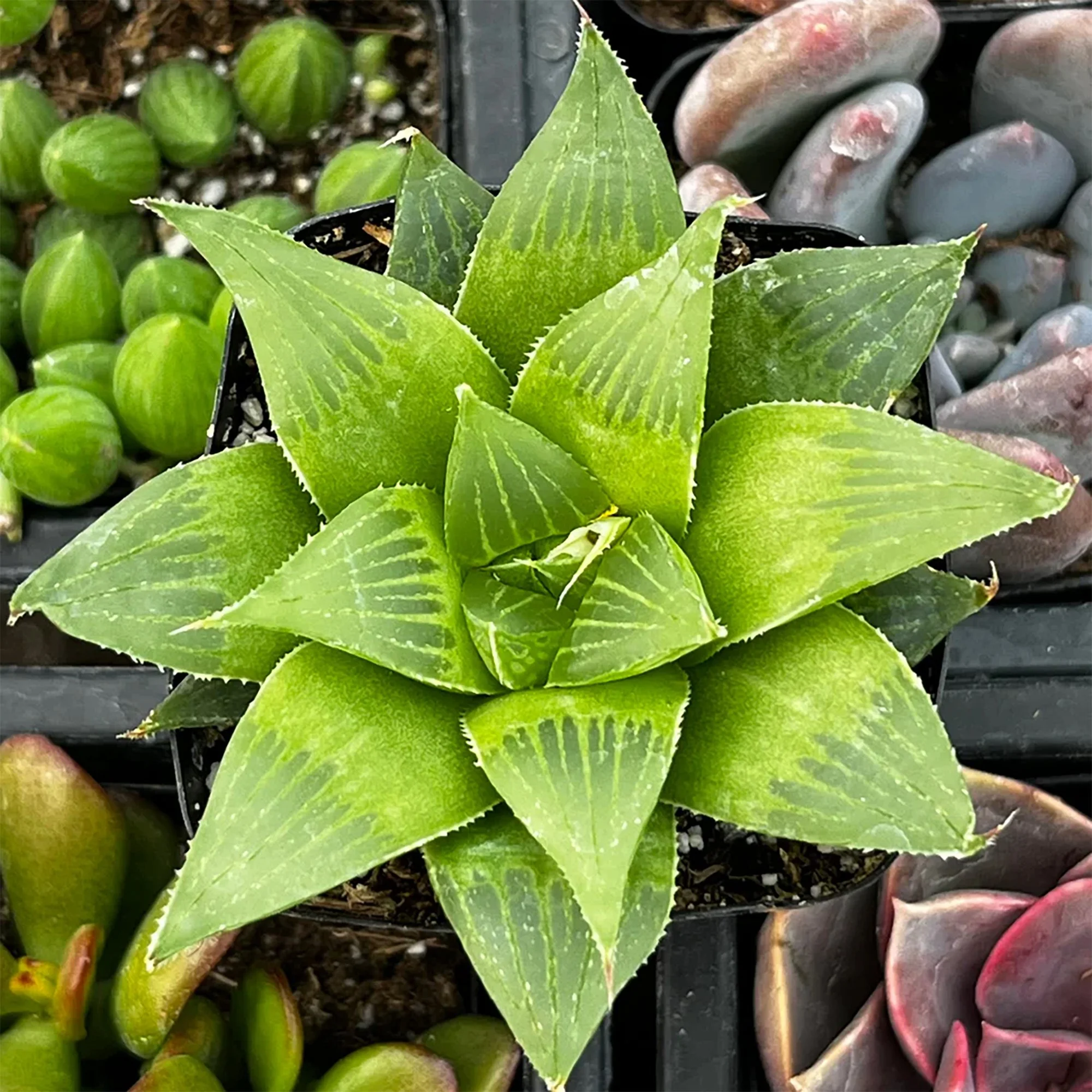
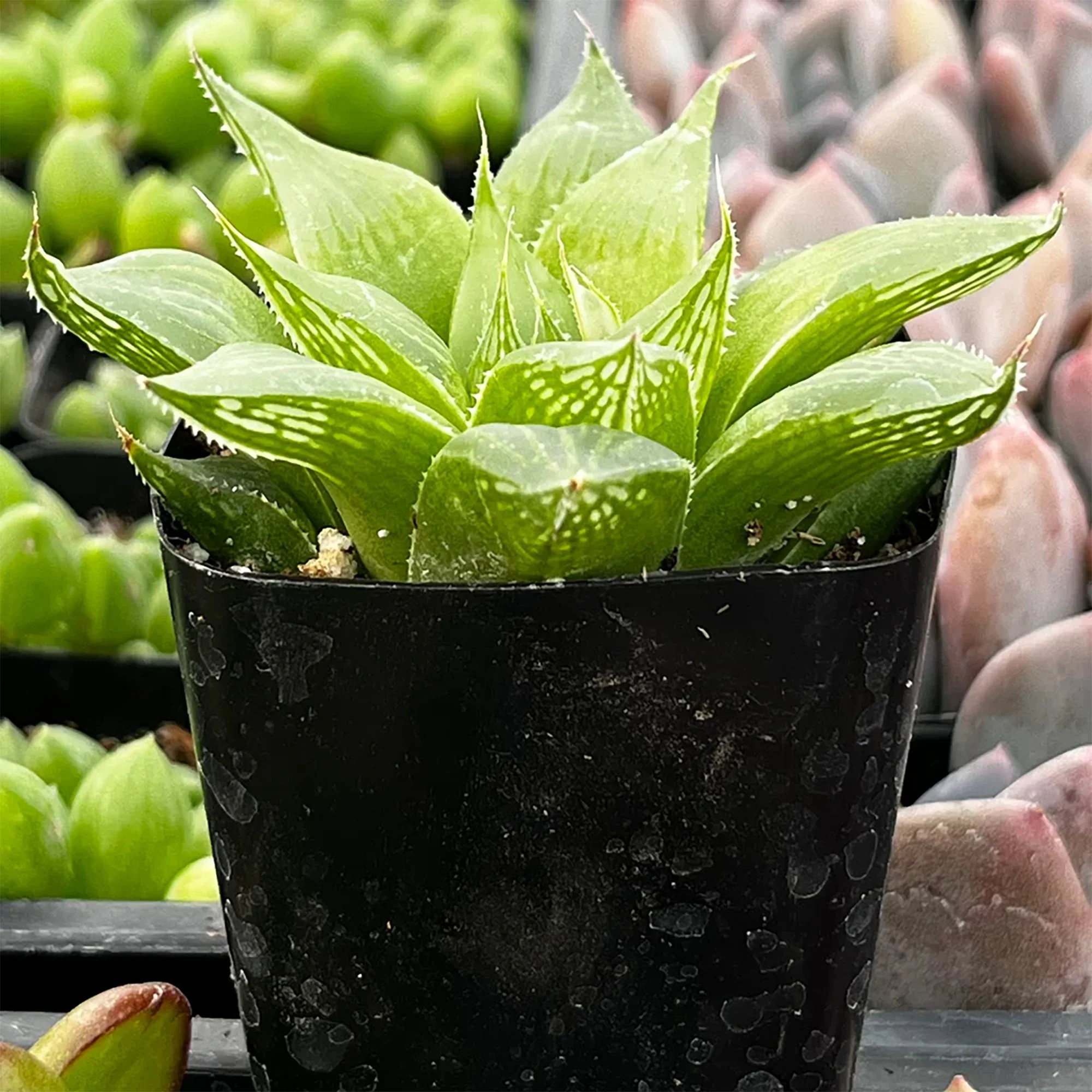
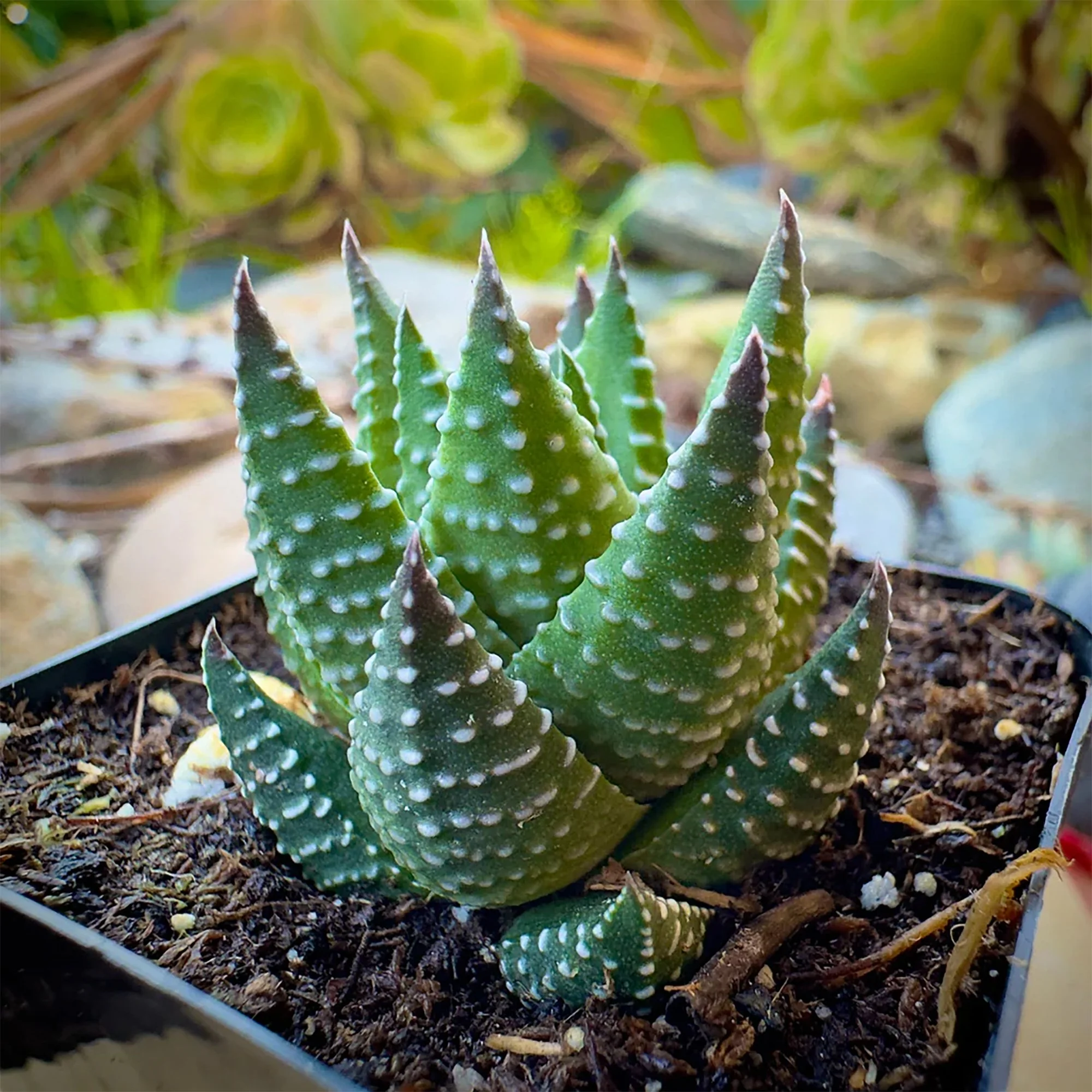
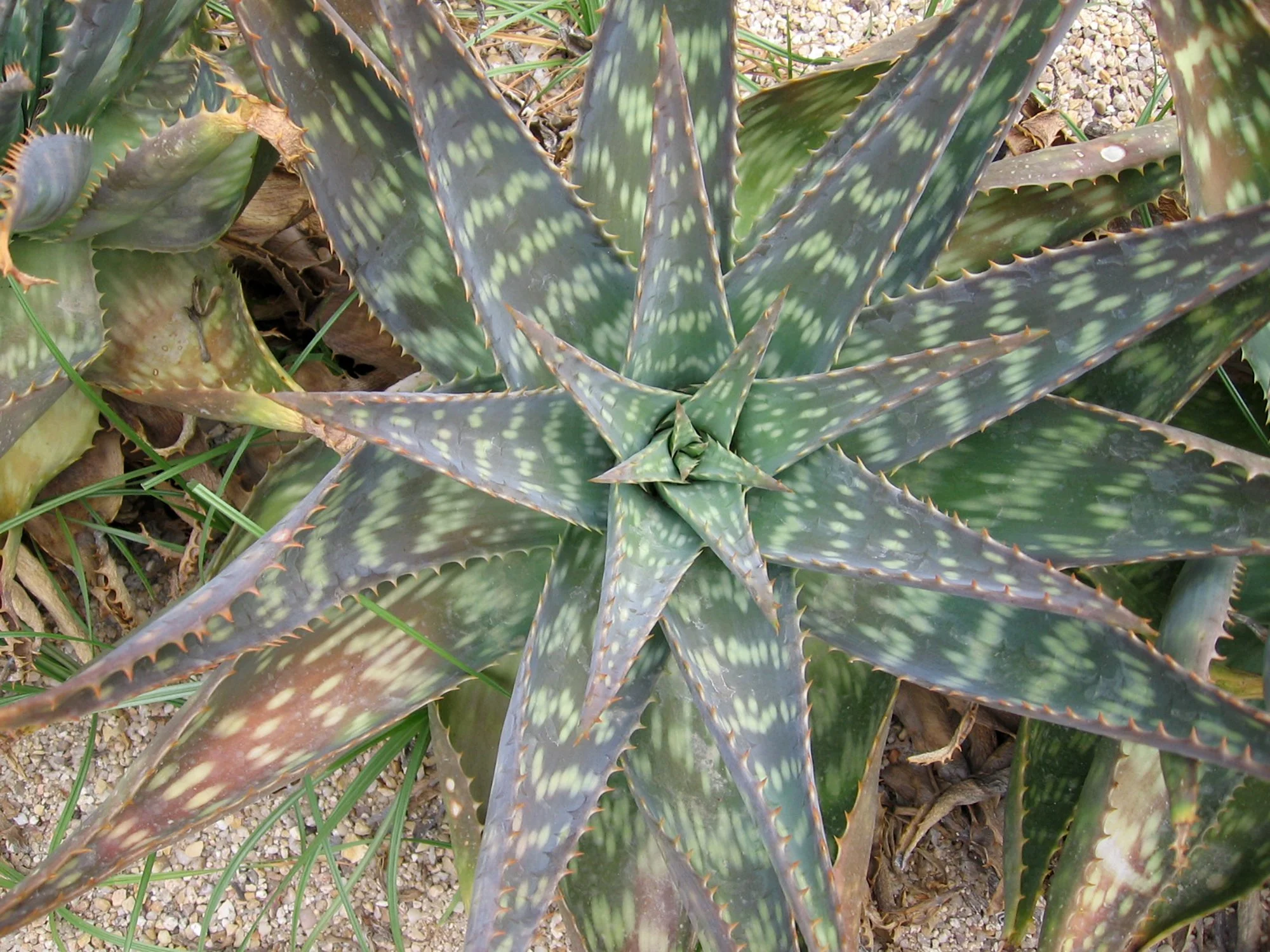
Botanical Name: Aloe ‘Oik’
Common Names: Oik Aloe, Hybrid Aloe
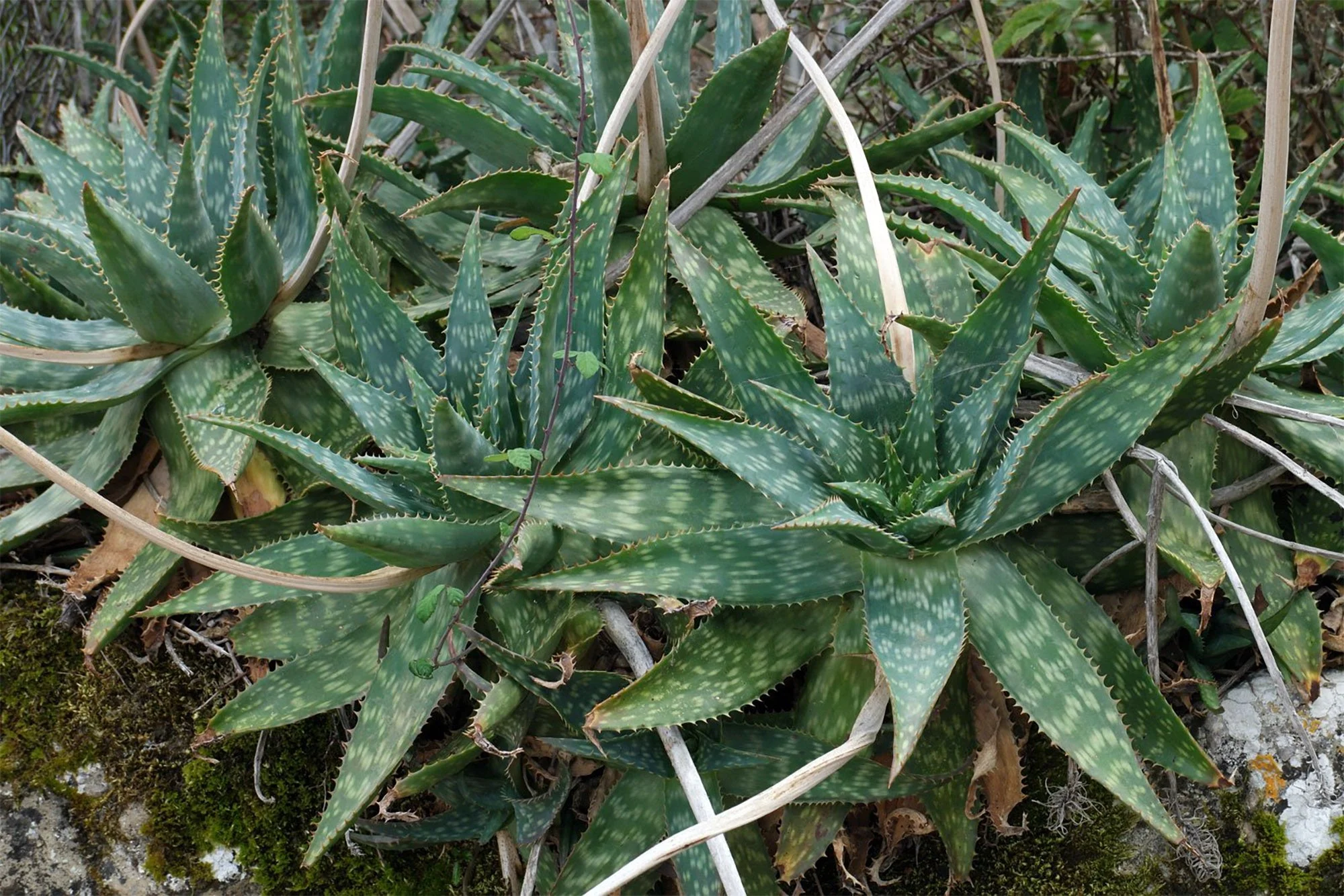
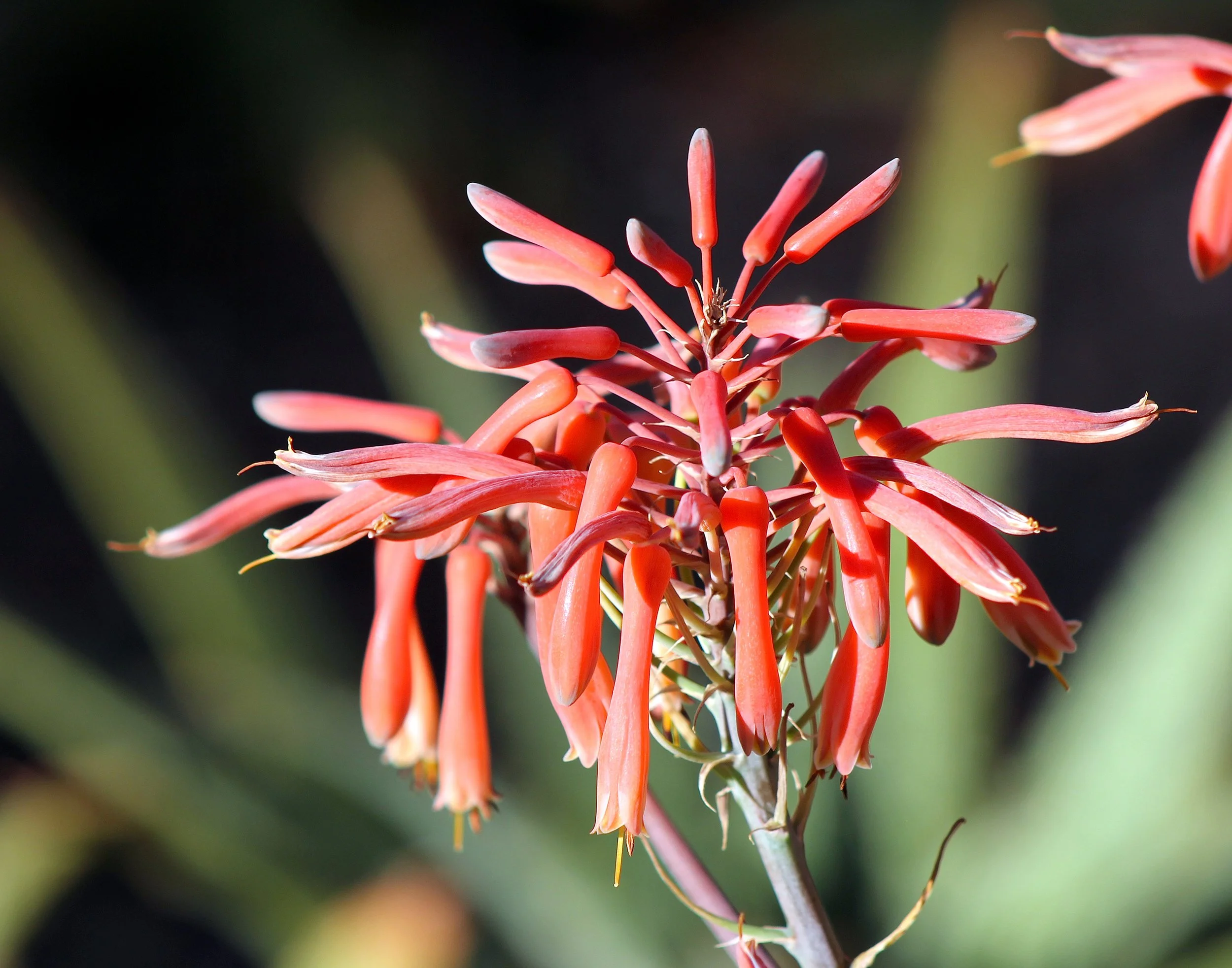
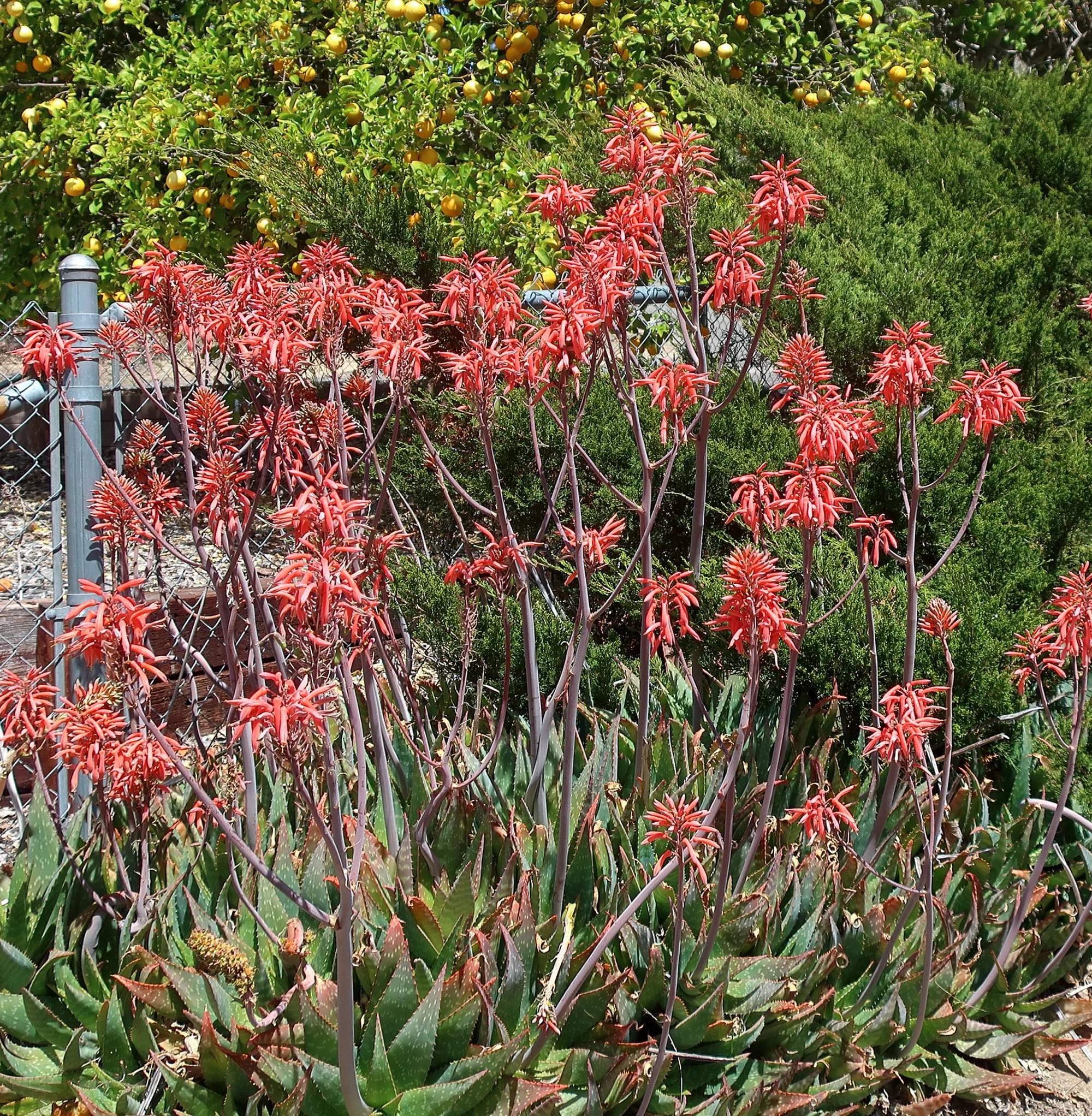
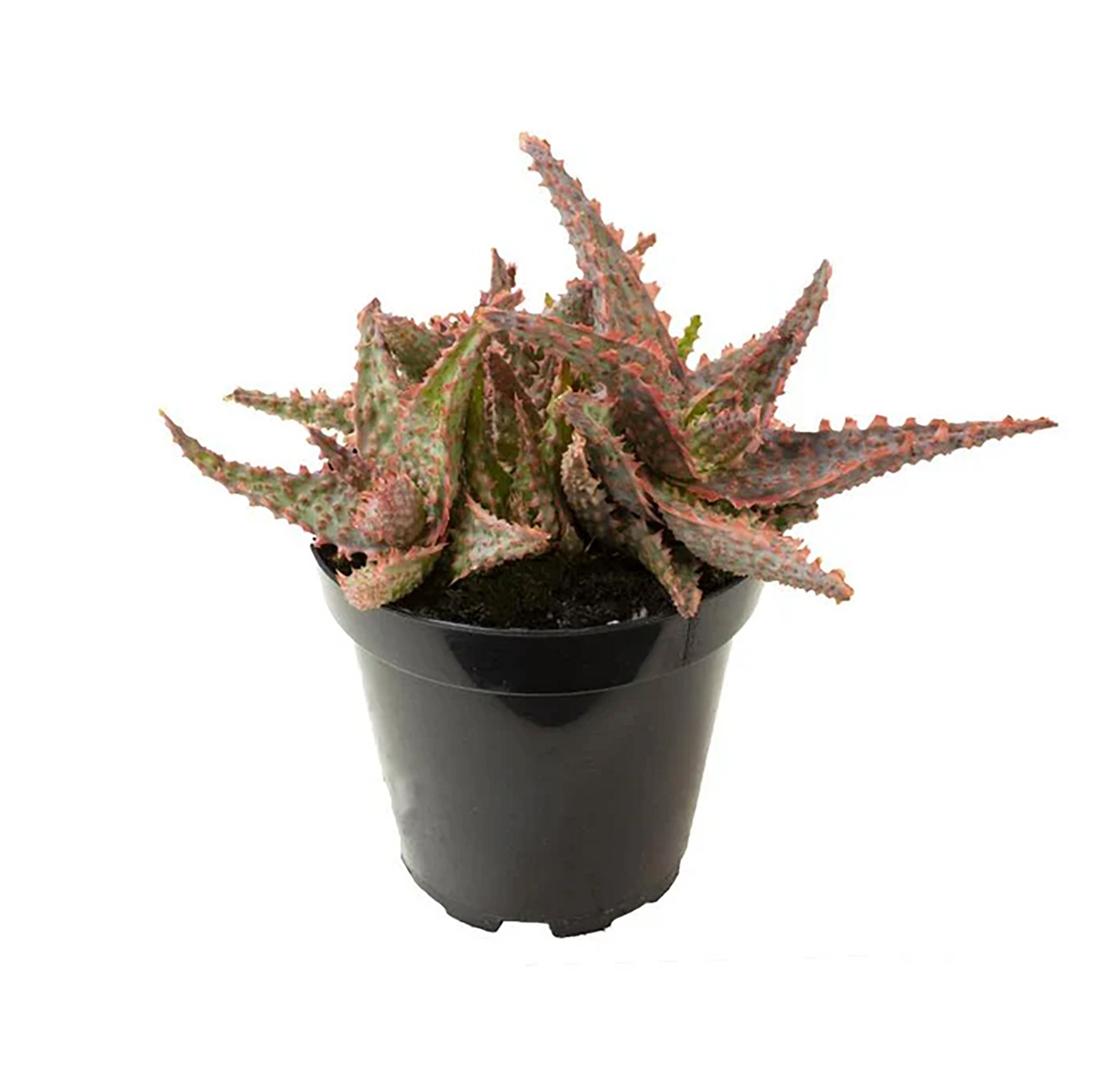
Aloe ‘Oik’ is a compact hybrid aloe with textured blue-green foliage and subtle patterned markings. Its tidy rosette form and manageable size make it ideal for containers, windowsills, and succulent collections. Derived from aloe species native to southern and eastern Africa, it is drought-tolerant and easy to grow. Mature plants typically reach 8–12 inches (20–30 cm) tall and wide.
Plant Care:
• Bright light to partial sun; avoid harsh midday sun indoors
• Well-draining cactus or succulent soil
• Water only after soil has dried completely
• Drought-tolerant and easy to care for
Frost Tolerance:
• Soft succulent and not frost-hardy
• Suitable for outdoor growing in USDA zones 9–11
• Minimum temperature approximately 32°F (0°C)
• Protect from freezing and excess winter moisture
Winter Dormancy:
• Growth slows significantly during winter
• Reduce watering substantially or stop entirely
• Keep soil dry during dormancy
• Resume watering in spring when active growth returns
Botanical Name: Aloe ‘Oik’
Common Names: Oik Aloe, Hybrid Aloe
Aloe ‘Oik’ is a compact hybrid aloe with textured blue-green foliage and subtle patterned markings. Its tidy rosette form and manageable size make it ideal for containers, windowsills, and succulent collections. Derived from aloe species native to southern and eastern Africa, it is drought-tolerant and easy to grow. Mature plants typically reach 8–12 inches (20–30 cm) tall and wide.
Plant Care:
• Bright light to partial sun; avoid harsh midday sun indoors
• Well-draining cactus or succulent soil
• Water only after soil has dried completely
• Drought-tolerant and easy to care for
Frost Tolerance:
• Soft succulent and not frost-hardy
• Suitable for outdoor growing in USDA zones 9–11
• Minimum temperature approximately 32°F (0°C)
• Protect from freezing and excess winter moisture
Winter Dormancy:
• Growth slows significantly during winter
• Reduce watering substantially or stop entirely
• Keep soil dry during dormancy
• Resume watering in spring when active growth returns