 Image 1 of 2
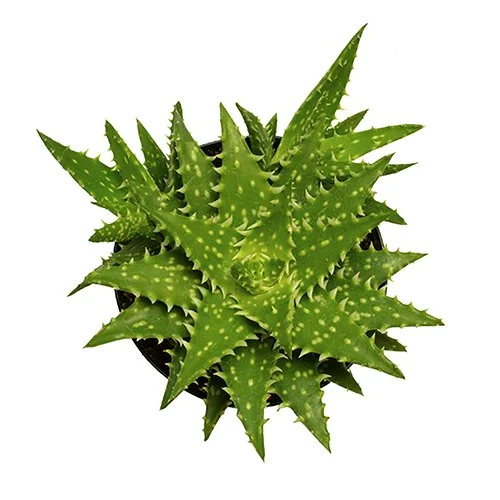 Image 2 of 2
Botanical Name: Aloe ‘Minnie Belle’
Common Names: Minnie Belle Aloe, Hybrid Aloe
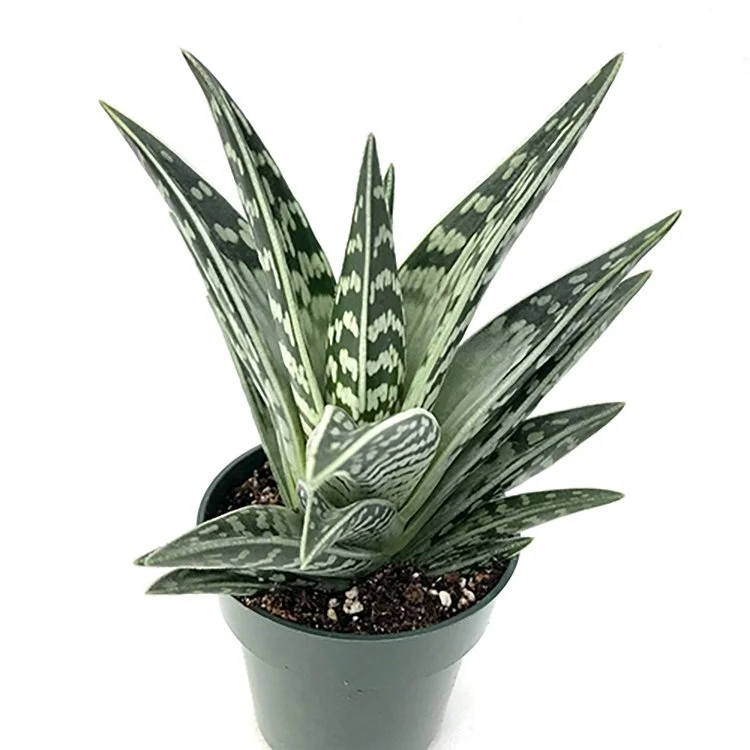
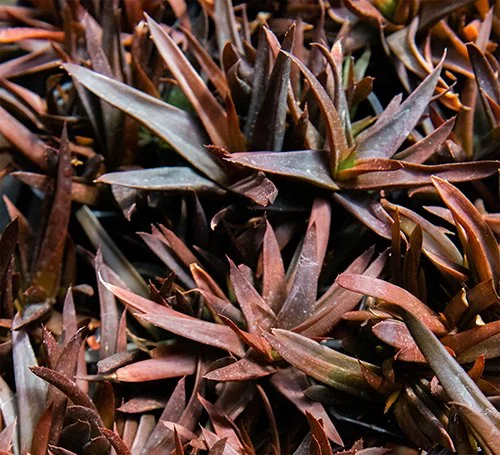
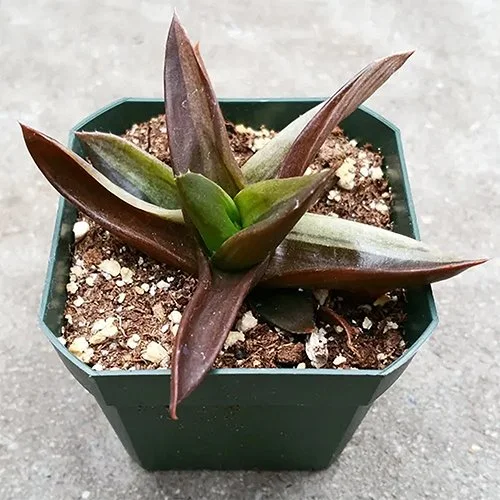
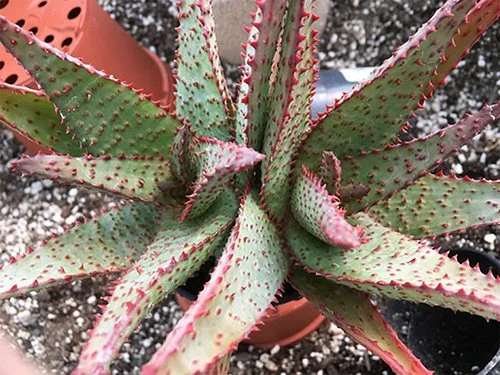
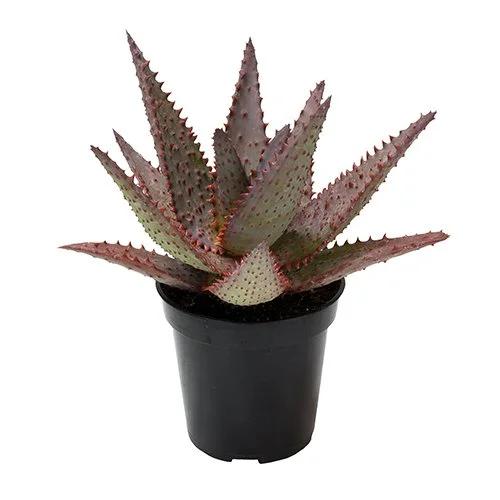
Aloe ‘Minnie Belle’ is a compact, cluster-forming hybrid succulent prized for its bright green leaves speckled with white and its vibrant, bell-shaped vermilion flowers. This attractive cultivar was developed by noted hybridizer Ed Hummel, whose work introduced several distinctive aloe hybrids valued by collectors and gardeners. With its manageable size and colorful blooms, Aloe ‘Minnie Belle’ has become a popular choice for succulent enthusiasts seeking an ornamental plant that performs well in both containers and small garden settings.
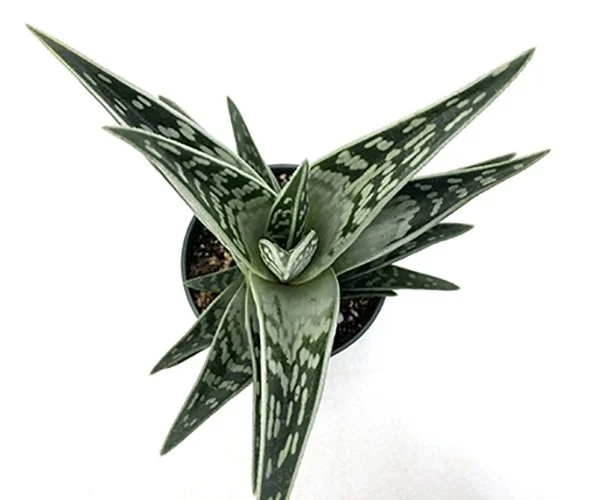
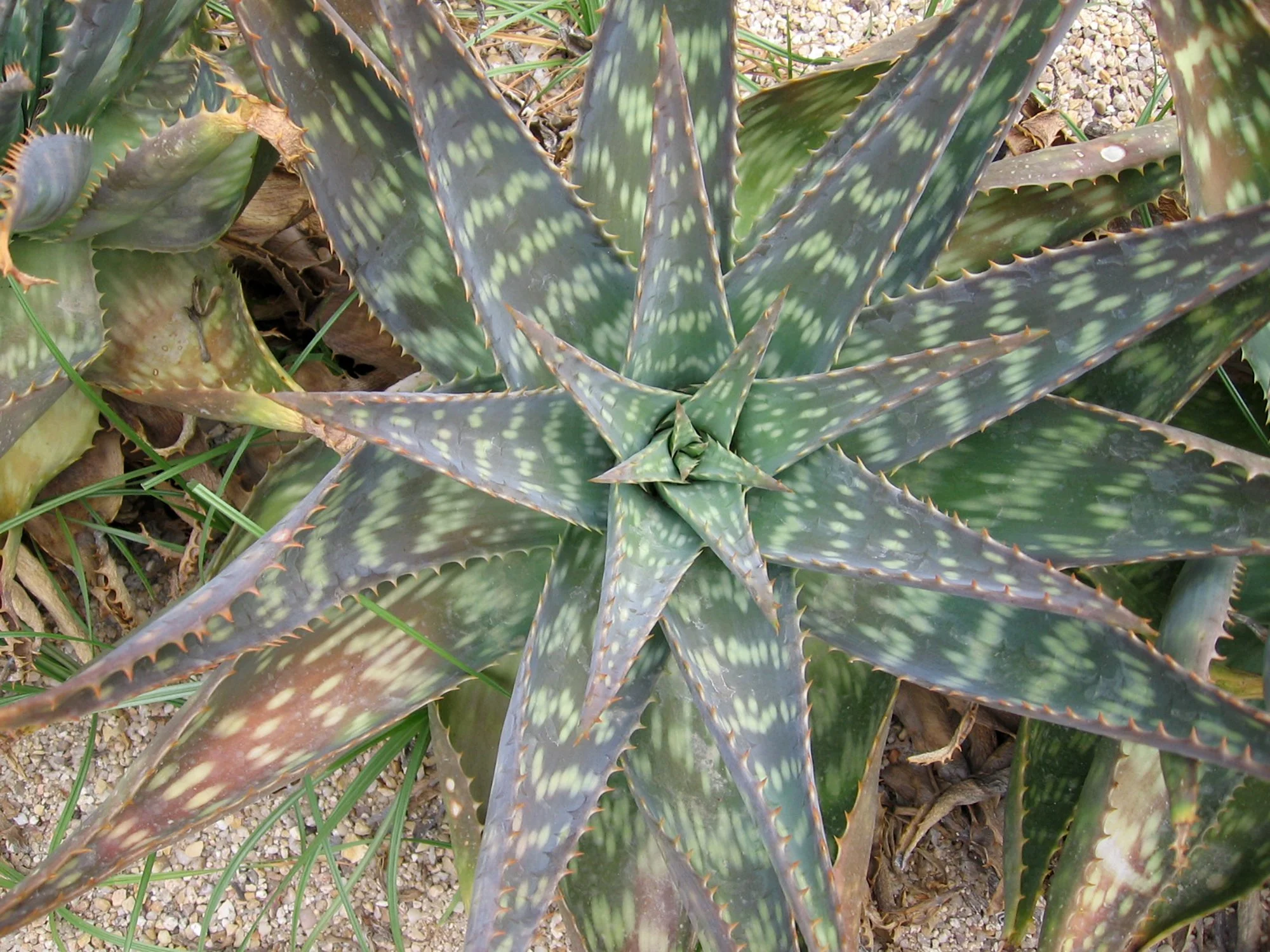
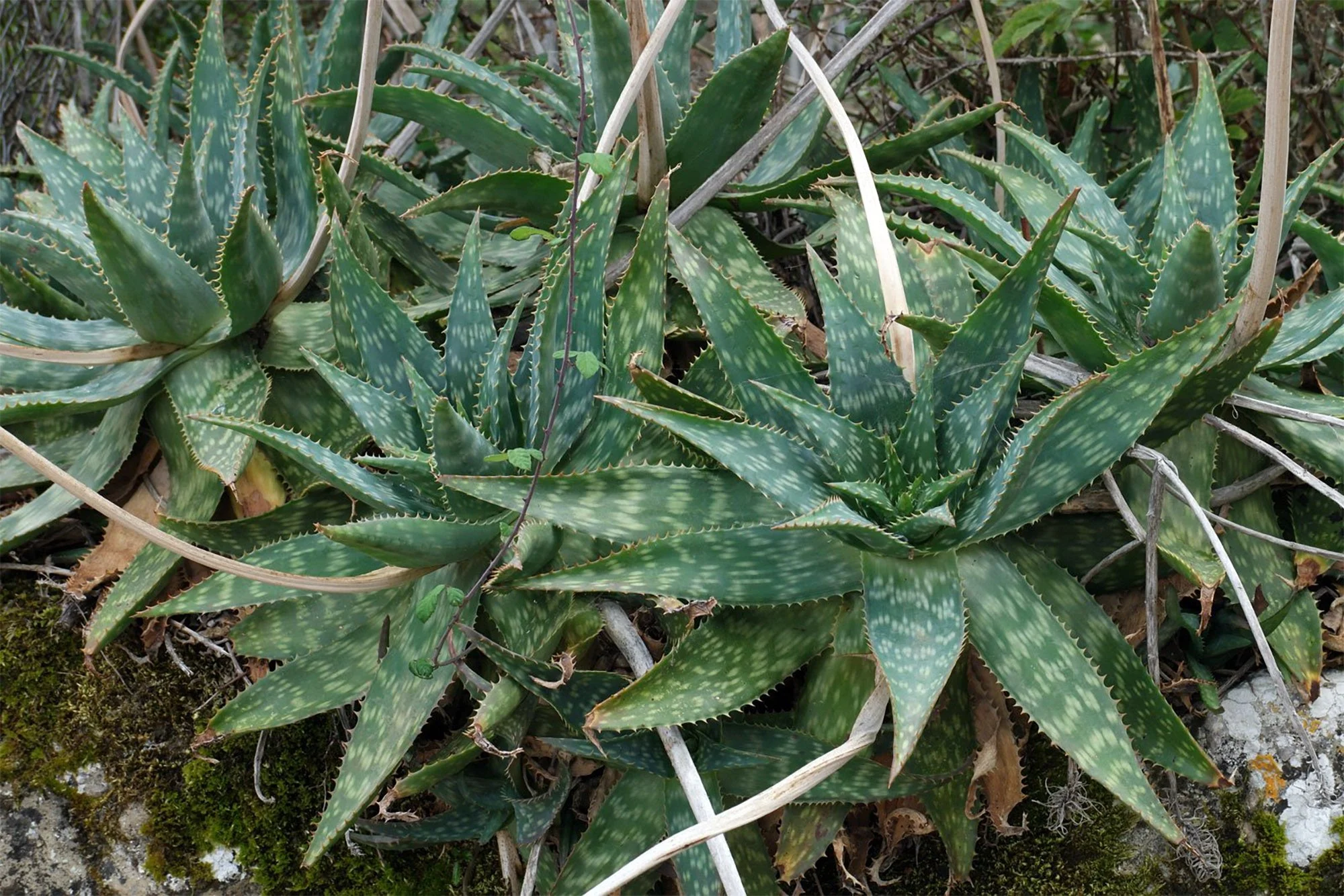
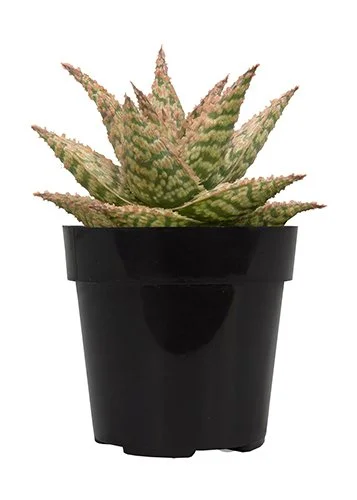
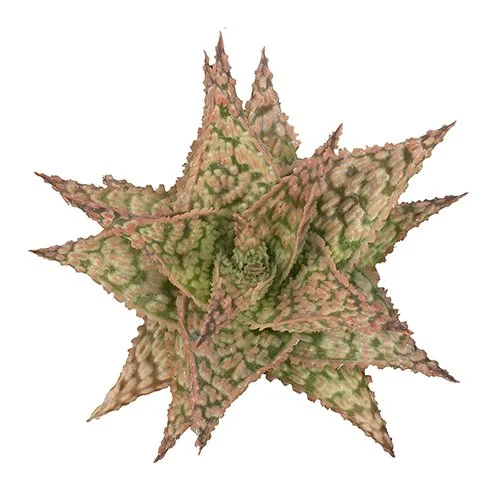
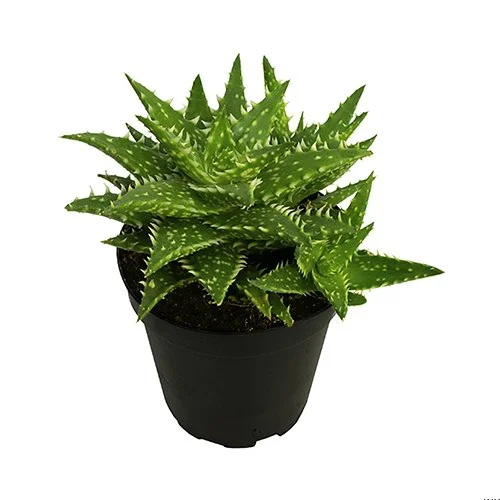
The plant forms tight rosettes of narrow, slightly arching leaves that gradually produce offsets around the base. Over time, these offsets create dense clusters that give the plant a full, attractive appearance. Mature clumps typically reach 6–12 inches (15–30 cm) in height and width, making them ideal for windowsills, dish gardens, rock gardens, and decorative containers. The speckled foliage provides texture and visual interest year-round, even when the plant is not in bloom.
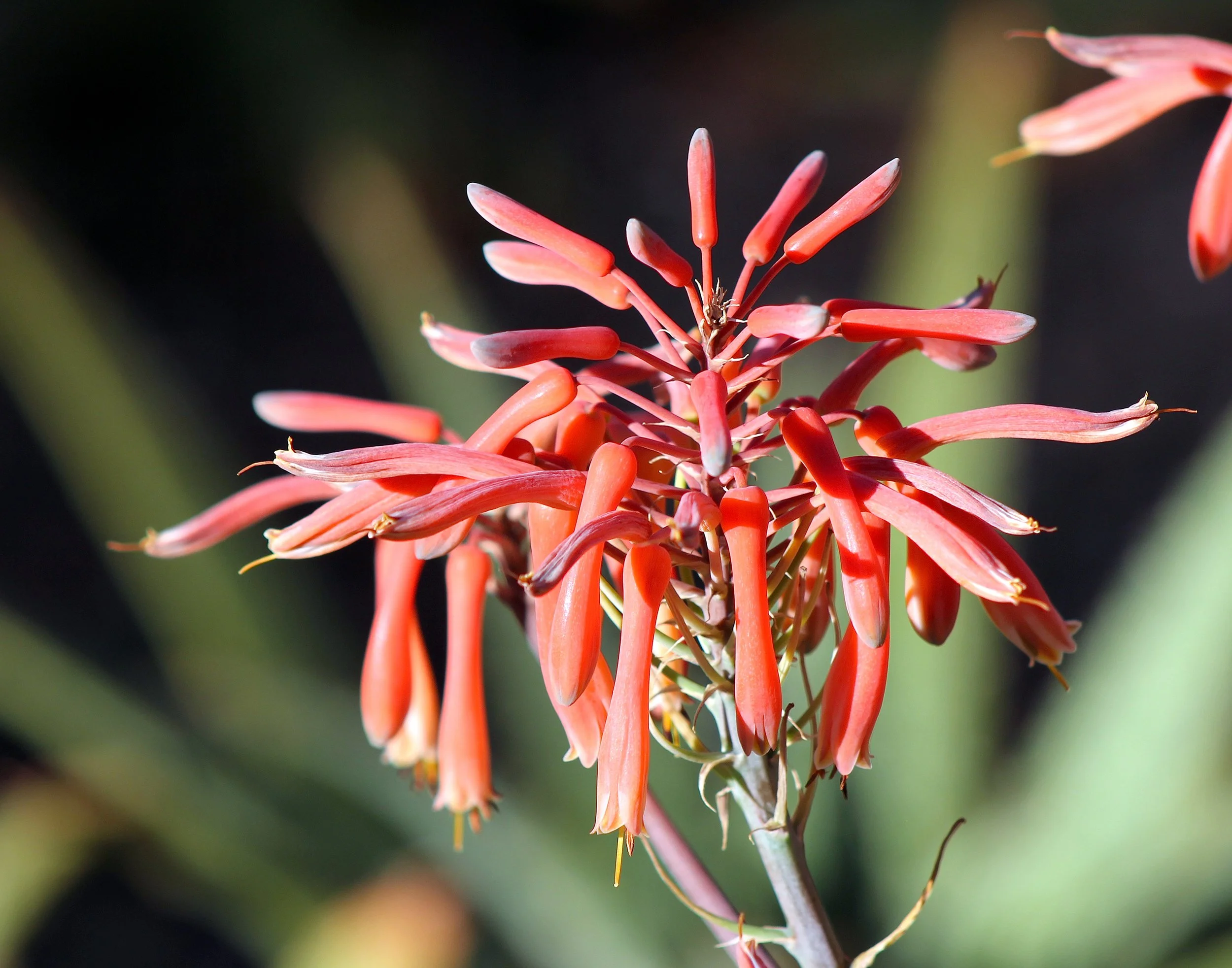
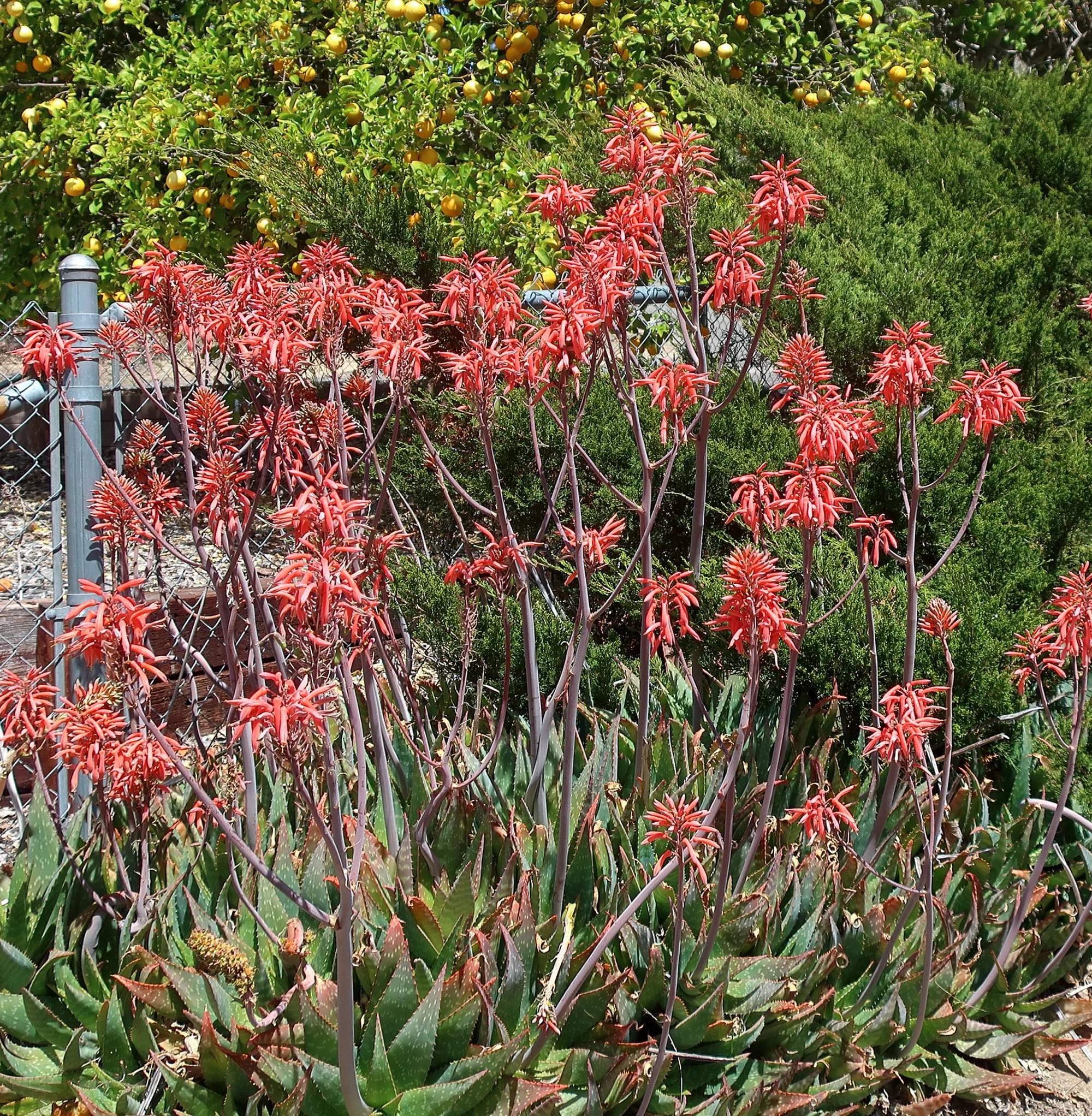
When conditions are favorable, Aloe ‘Minnie Belle’ produces slender flower stalks topped with bright vermilion, bell-shaped blooms. These flowers often appear from late winter through spring and create a striking contrast against the green foliage. When grown outdoors in warm climates, the flowers may attract hummingbirds and other pollinators. Most aloe species originate from South Africa, and this hybrid reflects that heritage with its tolerance for bright light and dry conditions.
Care and Cultivation:
• Bright, indirect light or filtered sun with good airflow
• Well-draining cactus or succulent soil amended with perlite or pumice
• Allow soil to dry completely between waterings; drought-tolerant and low-maintenance
• Avoid overwatering to prevent root rot
• Ideal for containers, dish gardens, rock gardens, or indoor displays
• USDA Zones: 9–11
• Thrives between: 50–85°F (10–29°C)
Cold Hardiness:
• Soft succulent and not frost-hardy
• Protect from freezing temperatures below 32°F (0°C)
• Excess moisture in cold conditions may lead to rot
Winter Dormancy and Seasonal Health:
• Growth slows significantly during winter months
• Reduce or pause watering while the plant is dormant
• Keep soil relatively dry during cooler periods
• Resume regular watering in spring as active growth returns
• Dry, bright winter conditions help maintain long-term plant health
Notes:
• Produces offsets that can be separated and propagated
• Ideal for small containers or mixed succulent arrangements
• Can be grown indoors year-round in bright light
• Flowers may appear sporadically and often become more vibrant outdoors
Botanical Name: Aloe ‘Minnie Belle’
Common Names: Minnie Belle Aloe, Hybrid Aloe
Aloe ‘Minnie Belle’ is a compact, cluster-forming hybrid succulent prized for its bright green leaves speckled with white and its vibrant, bell-shaped vermilion flowers. This attractive cultivar was developed by noted hybridizer Ed Hummel, whose work introduced several distinctive aloe hybrids valued by collectors and gardeners. With its manageable size and colorful blooms, Aloe ‘Minnie Belle’ has become a popular choice for succulent enthusiasts seeking an ornamental plant that performs well in both containers and small garden settings.
The plant forms tight rosettes of narrow, slightly arching leaves that gradually produce offsets around the base. Over time, these offsets create dense clusters that give the plant a full, attractive appearance. Mature clumps typically reach 6–12 inches (15–30 cm) in height and width, making them ideal for windowsills, dish gardens, rock gardens, and decorative containers. The speckled foliage provides texture and visual interest year-round, even when the plant is not in bloom.
When conditions are favorable, Aloe ‘Minnie Belle’ produces slender flower stalks topped with bright vermilion, bell-shaped blooms. These flowers often appear from late winter through spring and create a striking contrast against the green foliage. When grown outdoors in warm climates, the flowers may attract hummingbirds and other pollinators. Most aloe species originate from South Africa, and this hybrid reflects that heritage with its tolerance for bright light and dry conditions.
Care and Cultivation:
• Bright, indirect light or filtered sun with good airflow
• Well-draining cactus or succulent soil amended with perlite or pumice
• Allow soil to dry completely between waterings; drought-tolerant and low-maintenance
• Avoid overwatering to prevent root rot
• Ideal for containers, dish gardens, rock gardens, or indoor displays
• USDA Zones: 9–11
• Thrives between: 50–85°F (10–29°C)
Cold Hardiness:
• Soft succulent and not frost-hardy
• Protect from freezing temperatures below 32°F (0°C)
• Excess moisture in cold conditions may lead to rot
Winter Dormancy and Seasonal Health:
• Growth slows significantly during winter months
• Reduce or pause watering while the plant is dormant
• Keep soil relatively dry during cooler periods
• Resume regular watering in spring as active growth returns
• Dry, bright winter conditions help maintain long-term plant health
Notes:
• Produces offsets that can be separated and propagated
• Ideal for small containers or mixed succulent arrangements
• Can be grown indoors year-round in bright light
• Flowers may appear sporadically and often become more vibrant outdoors