 Image 1 of 4
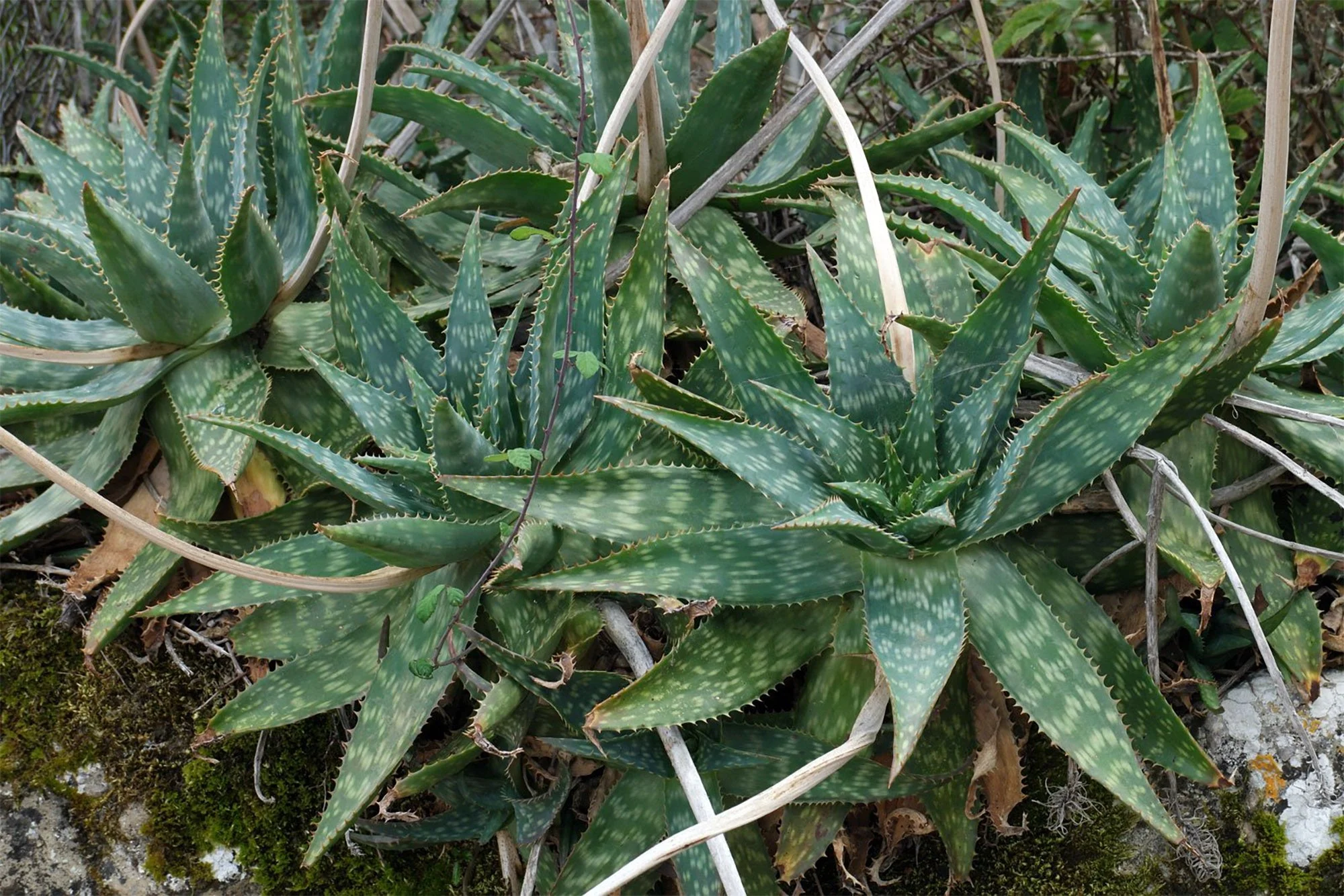 Image 2 of 4
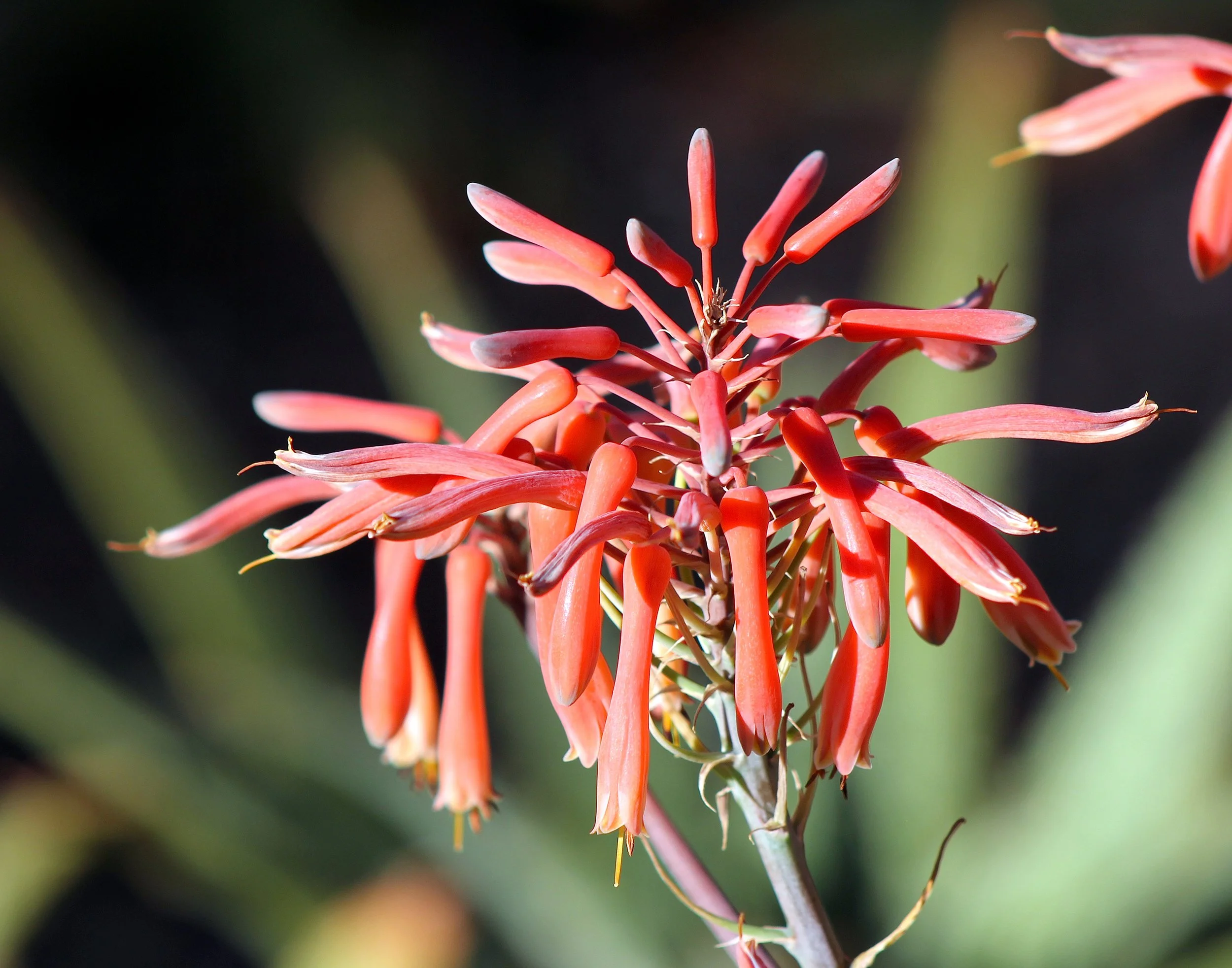 Image 3 of 4
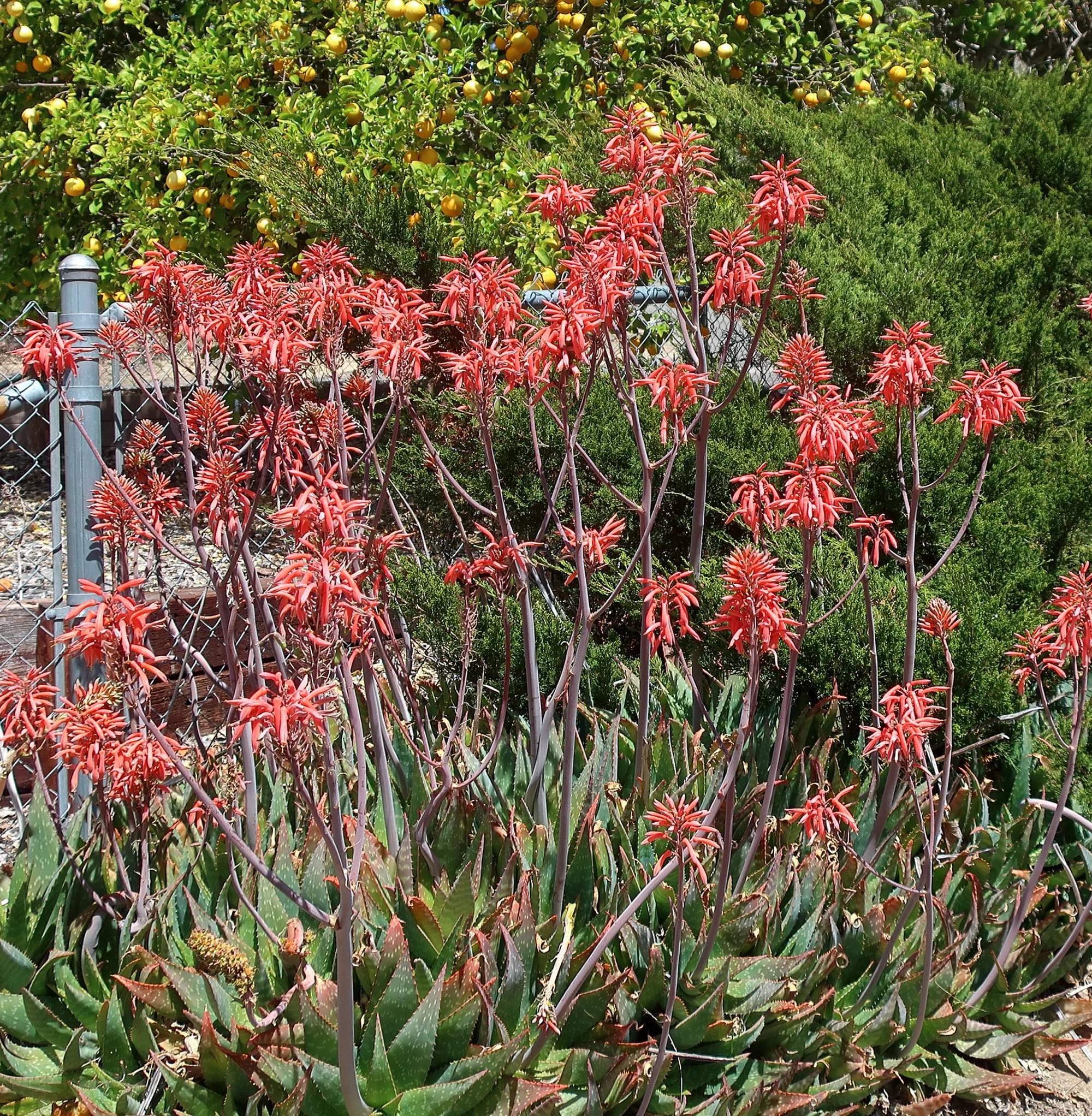 Image 4 of 4
Botanical Name: Aloe maculata
Common Names: Soap Aloe, Zebra Aloe, Flat-Leaf Aloe
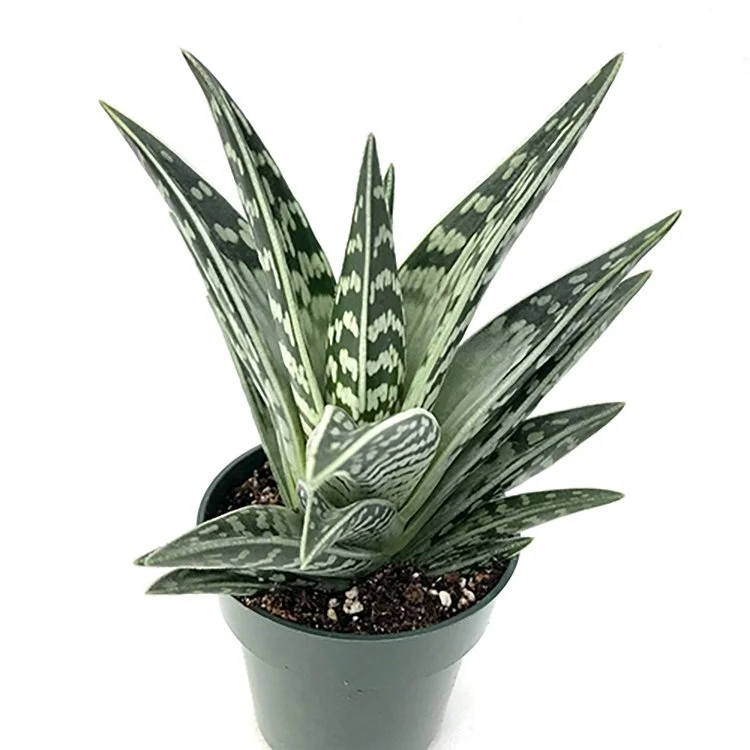
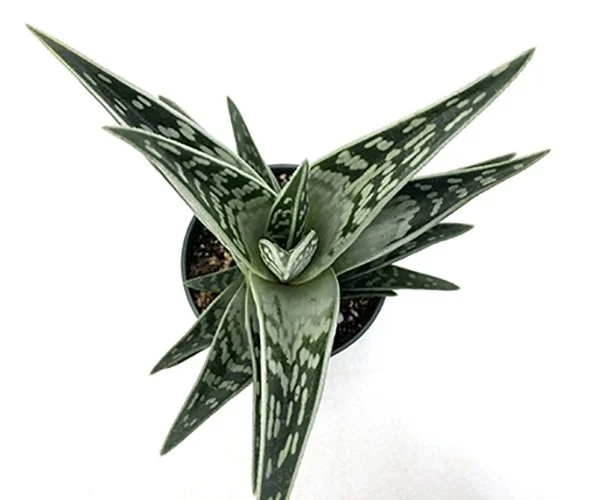
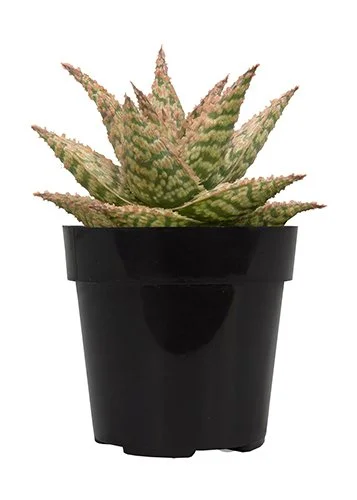
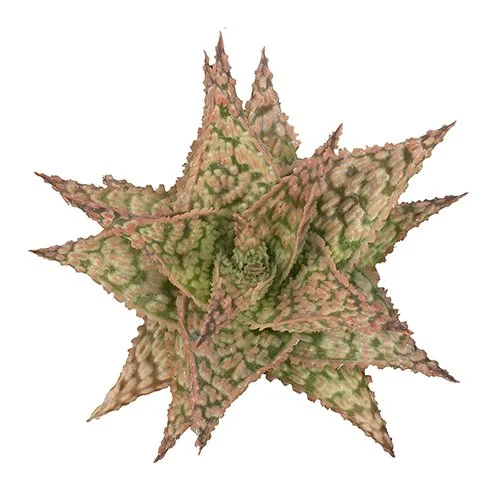
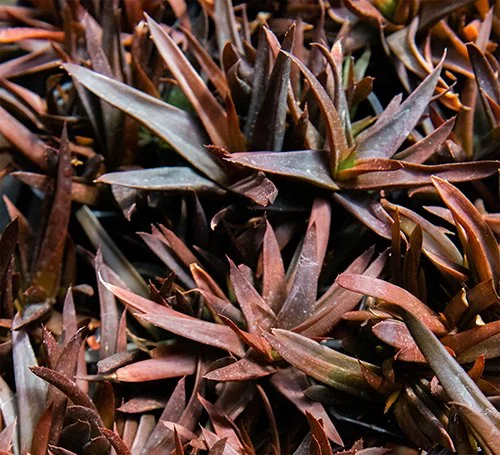
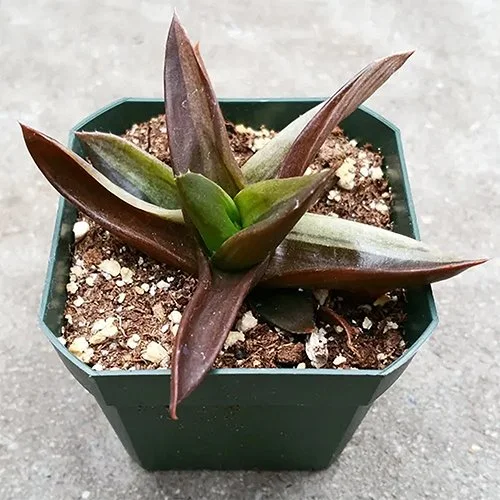
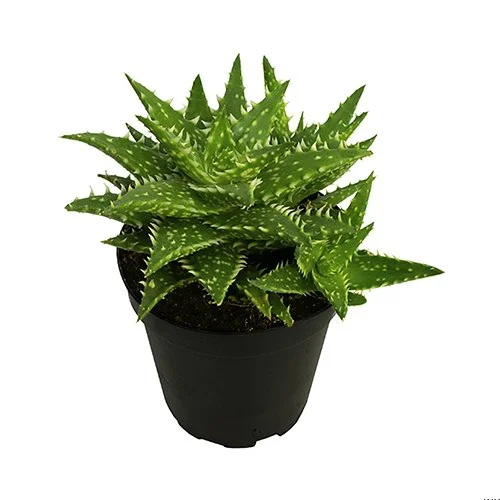
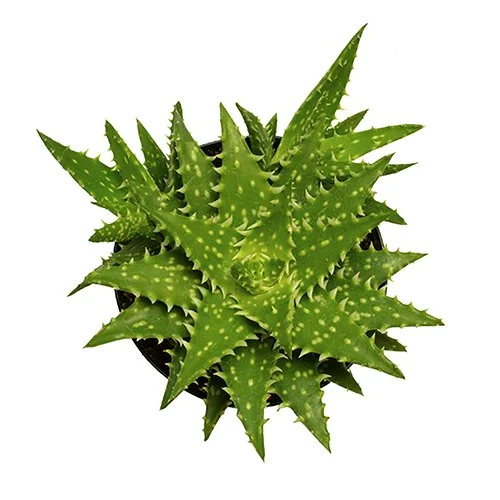
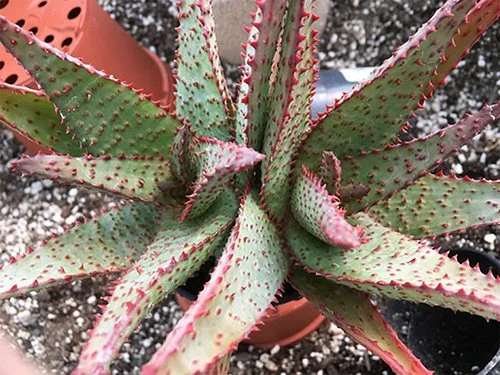
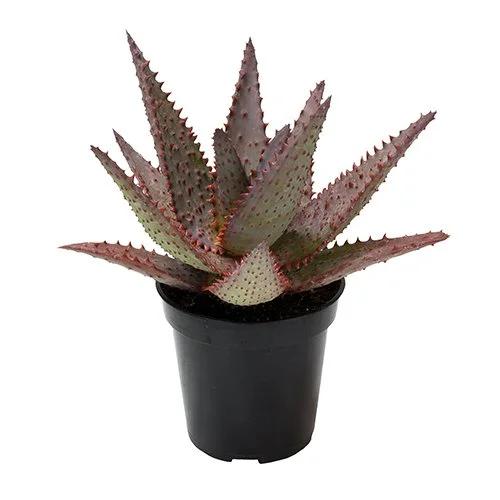
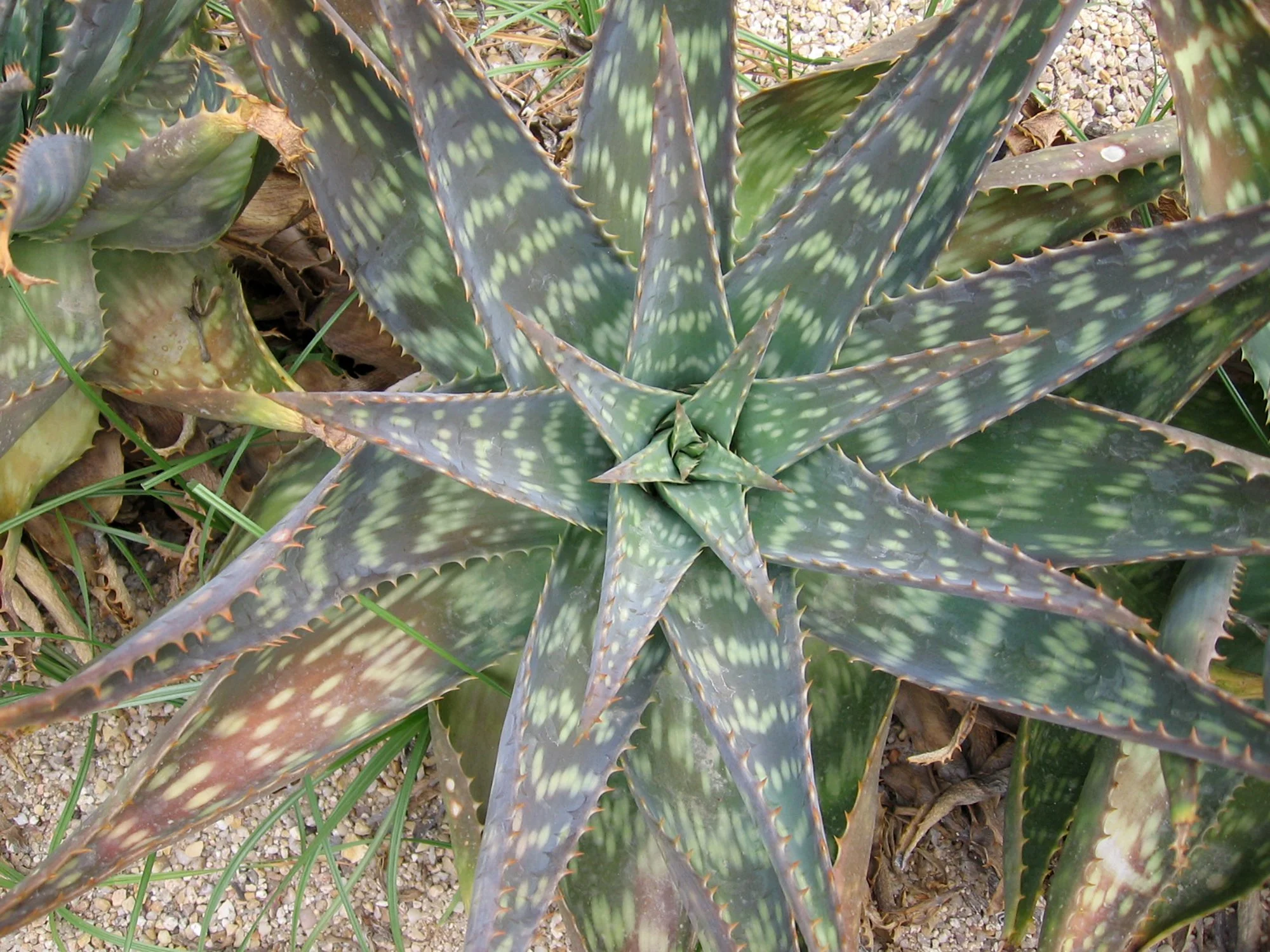
Aloe maculata is a striking, clump-forming succulent native to southern Africa. Known for its broad, triangular leaves adorned with distinctive white spots and soft marginal teeth, this aloe forms dense, eye-catching rosettes. In summer, it produces tall spikes of tubular red to orange flowers that attract hummingbirds, bees, and other pollinators, making it an excellent addition to wildlife-friendly gardens. Its architectural form and vibrant blooms also make it a standout in containers, rock gardens, and xeriscape landscapes. Mature plants typically reach 18–24 inches tall and 24–36 inches wide, creating a bold but manageable presence in any garden.
Hardy and adaptable, Aloe maculata thrives in warm, sunny locations and is highly drought-tolerant once established. Its low-maintenance growth habit and clump-forming nature make it ideal for gardeners seeking a resilient succulent that combines ornamental beauty with ecological benefits. The plant’s colorful flower spikes add vertical interest and seasonal vibrancy, while its spotted leaves provide year-round visual texture.
Care and Cultivation:
Prefers full sun to bright light
Water sparingly; allow soil to dry completely between waterings
Use a fast-draining cactus or succulent soil mix
Excellent for containers, outdoor landscapes, and pollinator gardens
Ideal growing temperatures: 55–90°F (13–32°C)
Frost Tolerance and Cold Hardiness:
Best suited for USDA Zones 9–11
Can tolerate brief cold down to about 25°F (-4°C) when soil is dry
Protect from prolonged freezing and excess winter moisture
Winter Dormancy and Health:
Growth slows during cooler months
Reduce watering significantly in winter
Flower spikes typically appear in late spring to summer
Maintain bright light year-round
Notes:
Produces tall, tubular flowers that attract hummingbirds and pollinators
Hardy and drought-tolerant once established
Clump-forming, low-maintenance growth habit
Excellent for xeriscape and wildlife gardens
Botanical Name: Aloe maculata
Common Names: Soap Aloe, Zebra Aloe, Flat-Leaf Aloe
Aloe maculata is a striking, clump-forming succulent native to southern Africa. Known for its broad, triangular leaves adorned with distinctive white spots and soft marginal teeth, this aloe forms dense, eye-catching rosettes. In summer, it produces tall spikes of tubular red to orange flowers that attract hummingbirds, bees, and other pollinators, making it an excellent addition to wildlife-friendly gardens. Its architectural form and vibrant blooms also make it a standout in containers, rock gardens, and xeriscape landscapes. Mature plants typically reach 18–24 inches tall and 24–36 inches wide, creating a bold but manageable presence in any garden.
Hardy and adaptable, Aloe maculata thrives in warm, sunny locations and is highly drought-tolerant once established. Its low-maintenance growth habit and clump-forming nature make it ideal for gardeners seeking a resilient succulent that combines ornamental beauty with ecological benefits. The plant’s colorful flower spikes add vertical interest and seasonal vibrancy, while its spotted leaves provide year-round visual texture.
Care and Cultivation:
Prefers full sun to bright light
Water sparingly; allow soil to dry completely between waterings
Use a fast-draining cactus or succulent soil mix
Excellent for containers, outdoor landscapes, and pollinator gardens
Ideal growing temperatures: 55–90°F (13–32°C)
Frost Tolerance and Cold Hardiness:
Best suited for USDA Zones 9–11
Can tolerate brief cold down to about 25°F (-4°C) when soil is dry
Protect from prolonged freezing and excess winter moisture
Winter Dormancy and Health:
Growth slows during cooler months
Reduce watering significantly in winter
Flower spikes typically appear in late spring to summer
Maintain bright light year-round
Notes:
Produces tall, tubular flowers that attract hummingbirds and pollinators
Hardy and drought-tolerant once established
Clump-forming, low-maintenance growth habit
Excellent for xeriscape and wildlife gardens