 Image 1 of 4
 Image 2 of 4
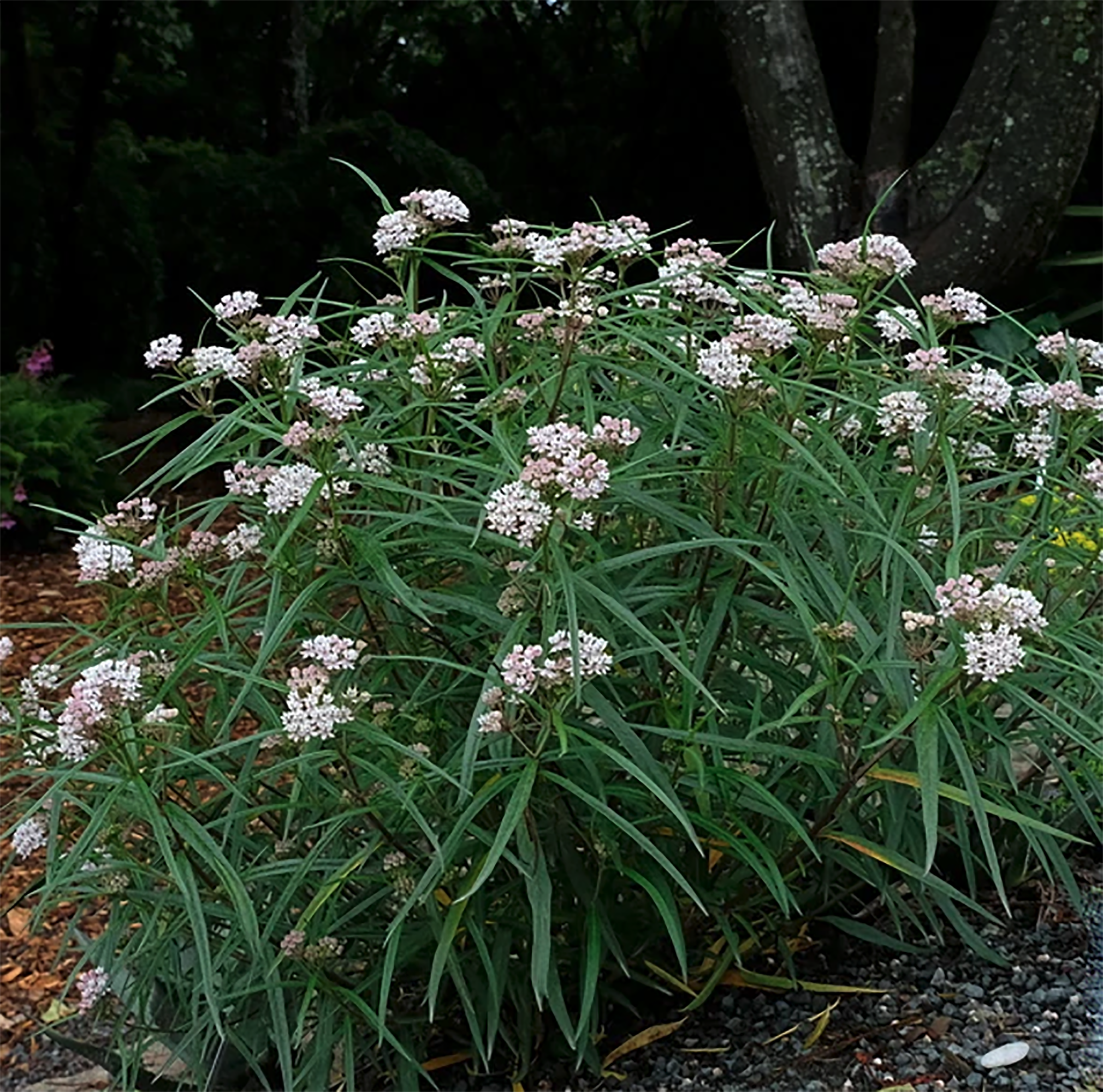 Image 3 of 4
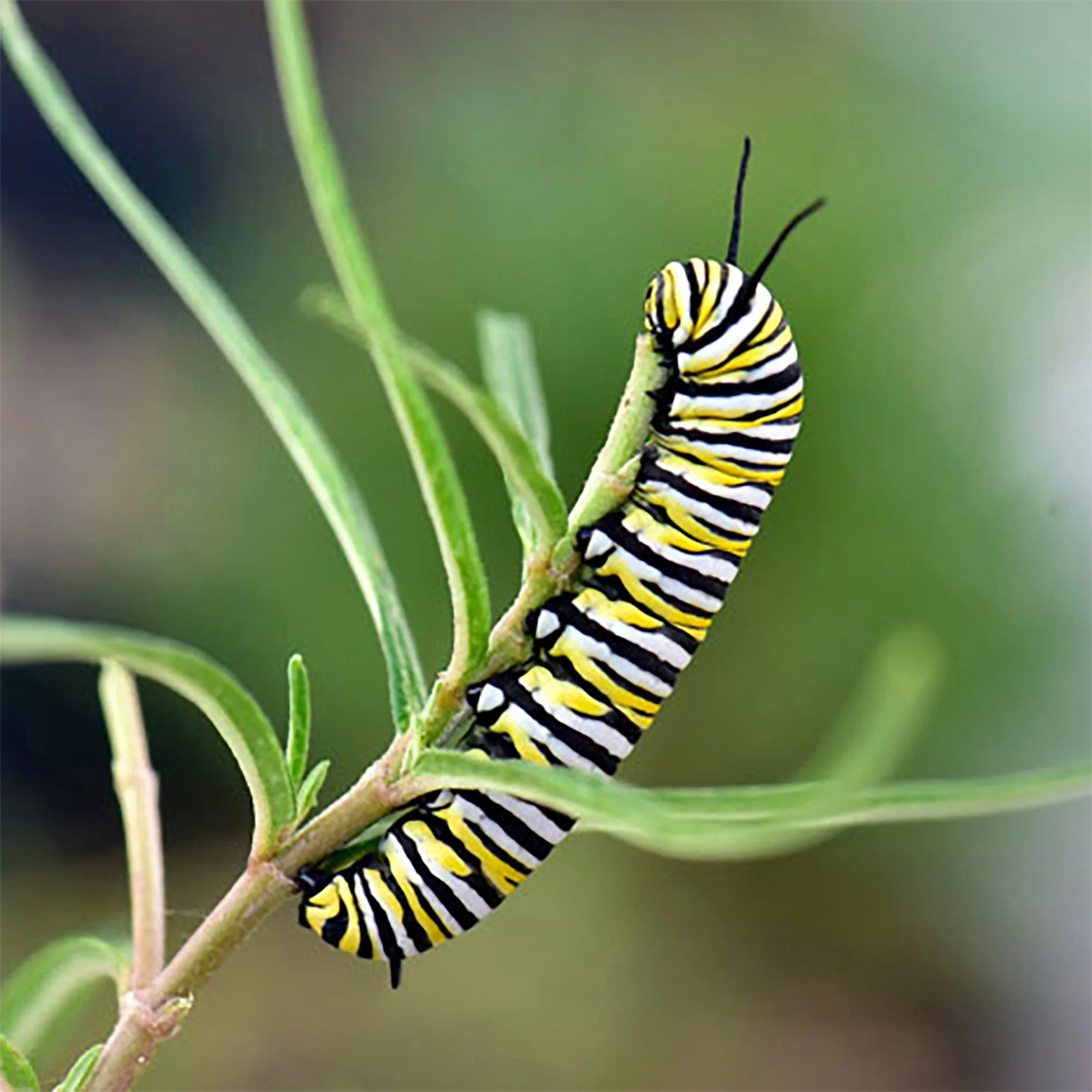 Image 4 of 4
Botanical Name: Asclepias angustifolia
Common Names: Narrowleaf Milkweed, Arizona Milkweed
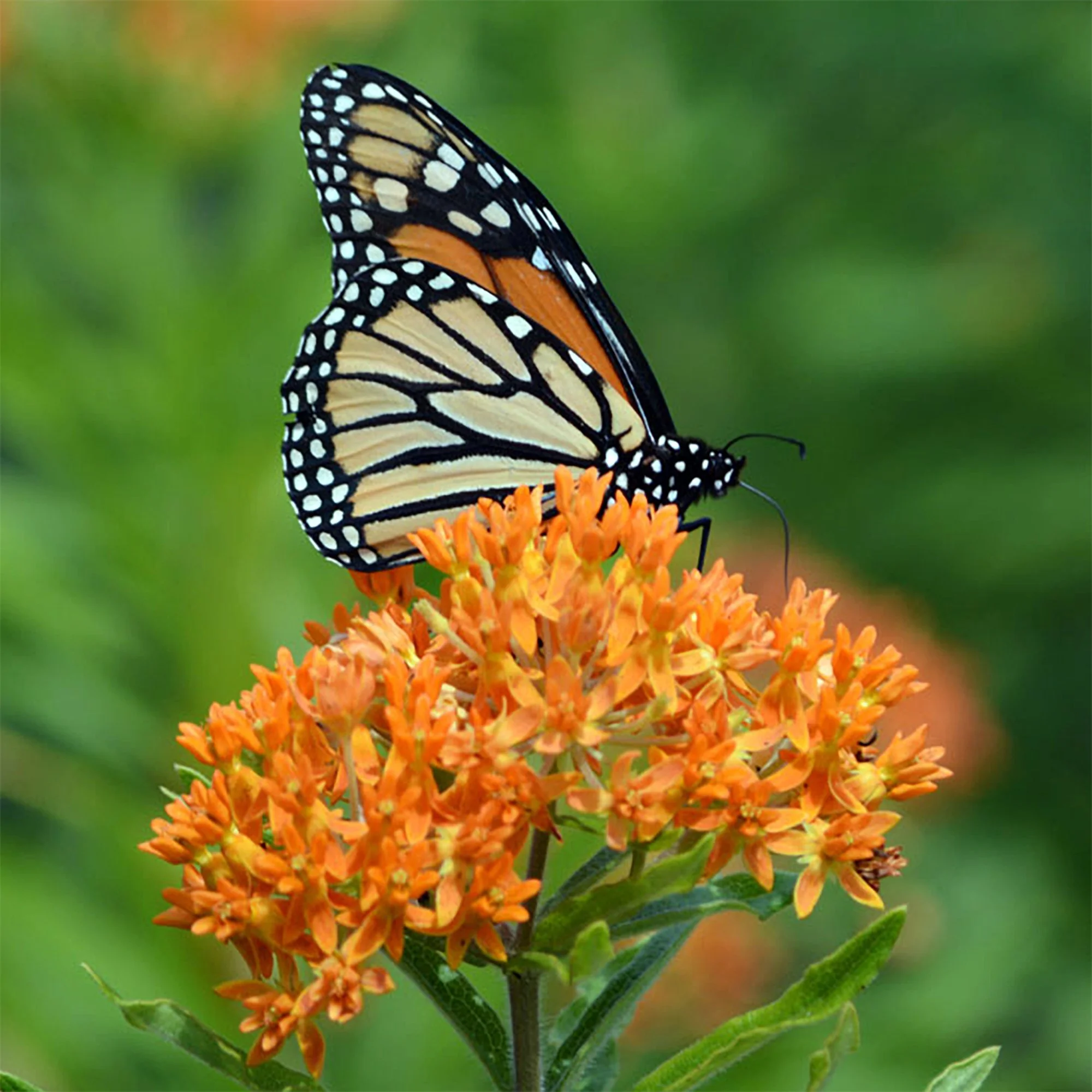
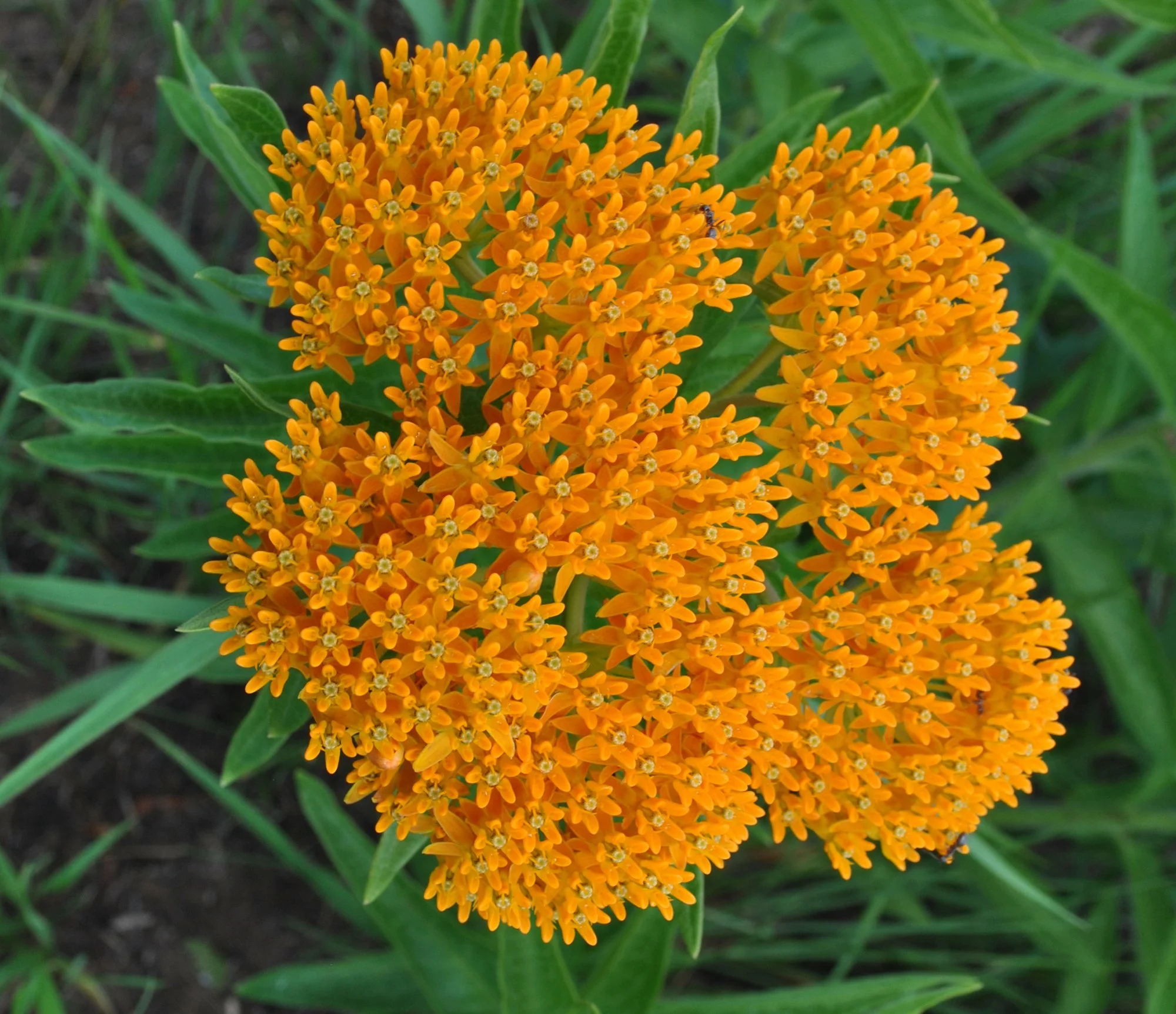
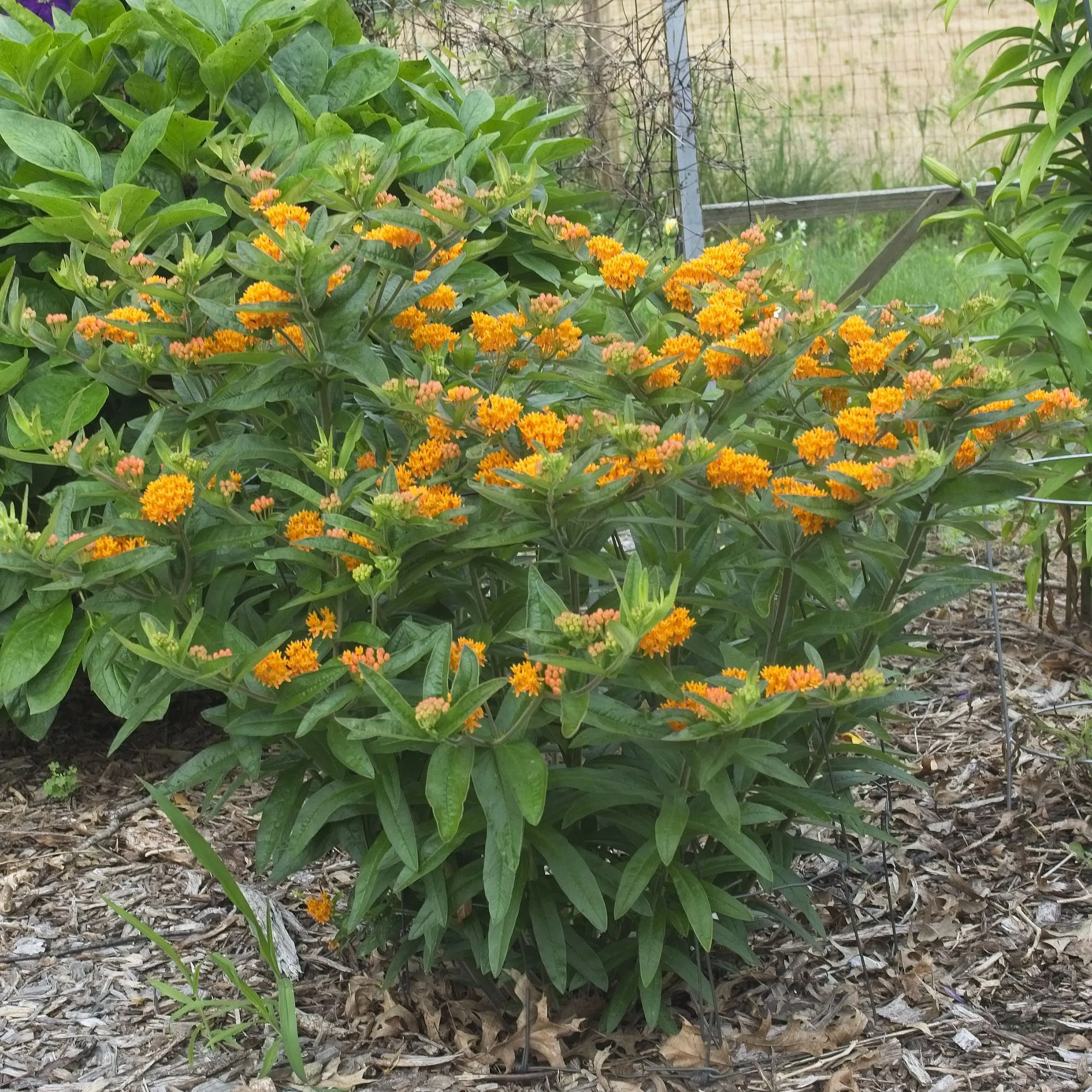
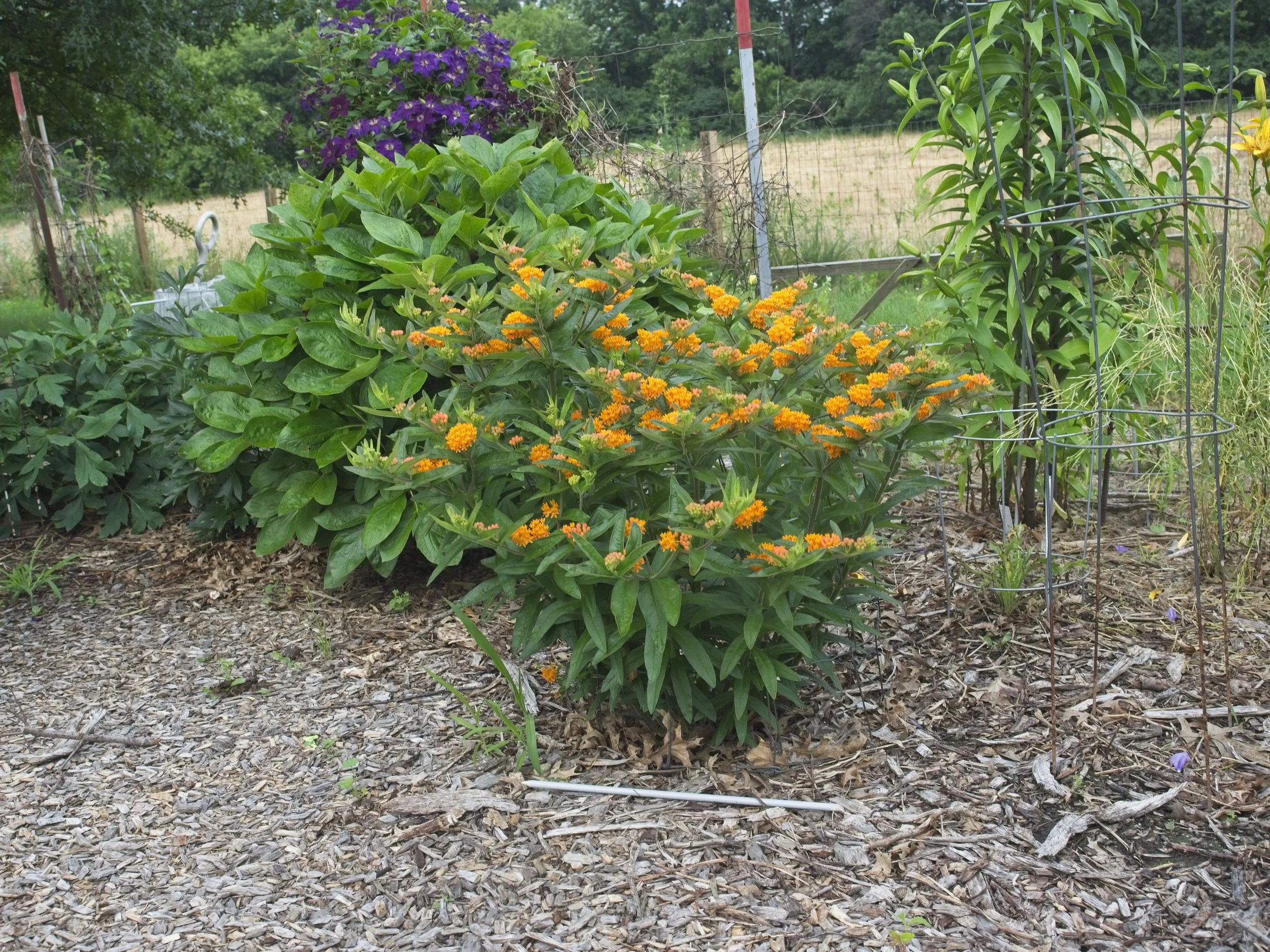
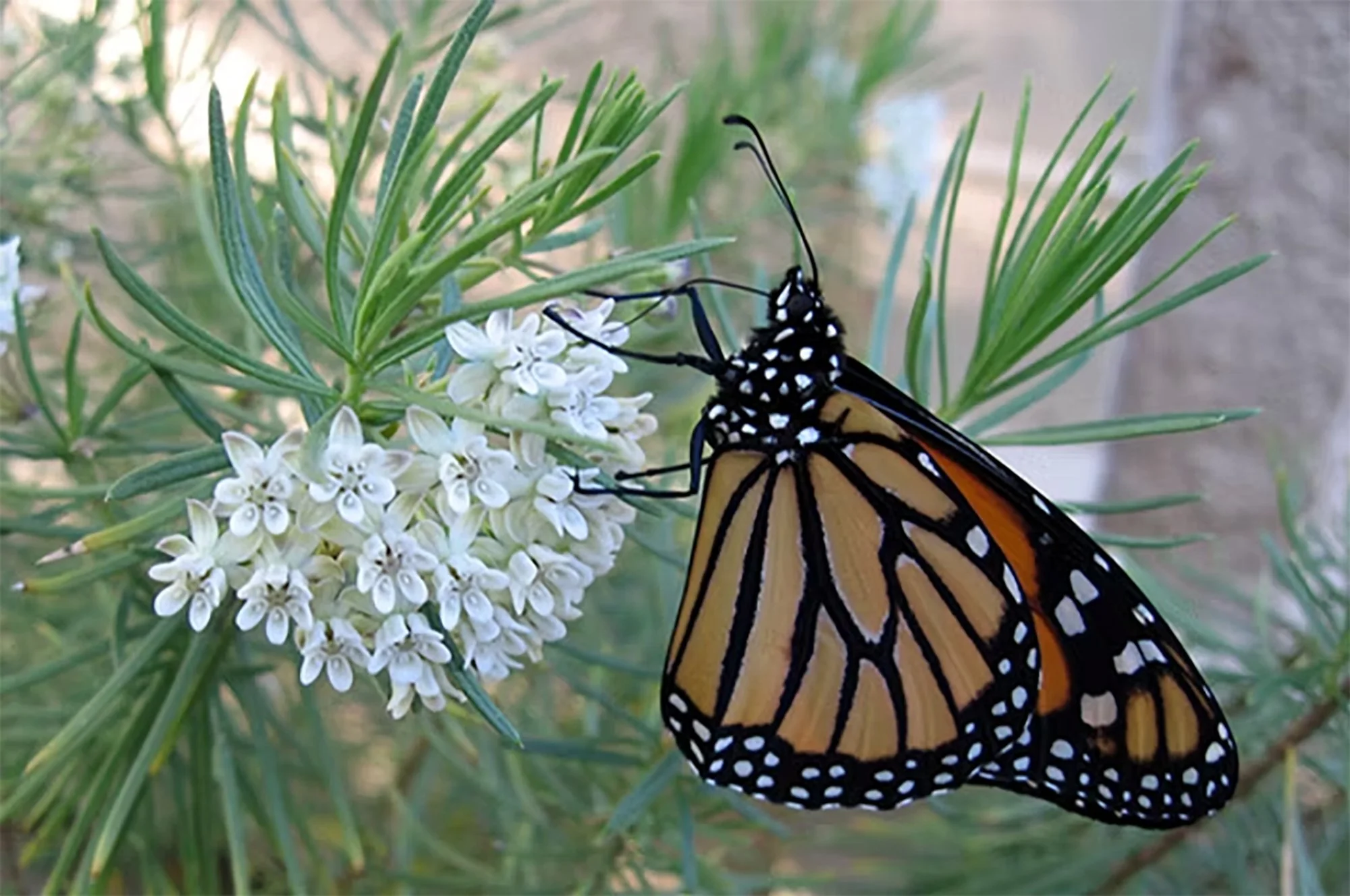
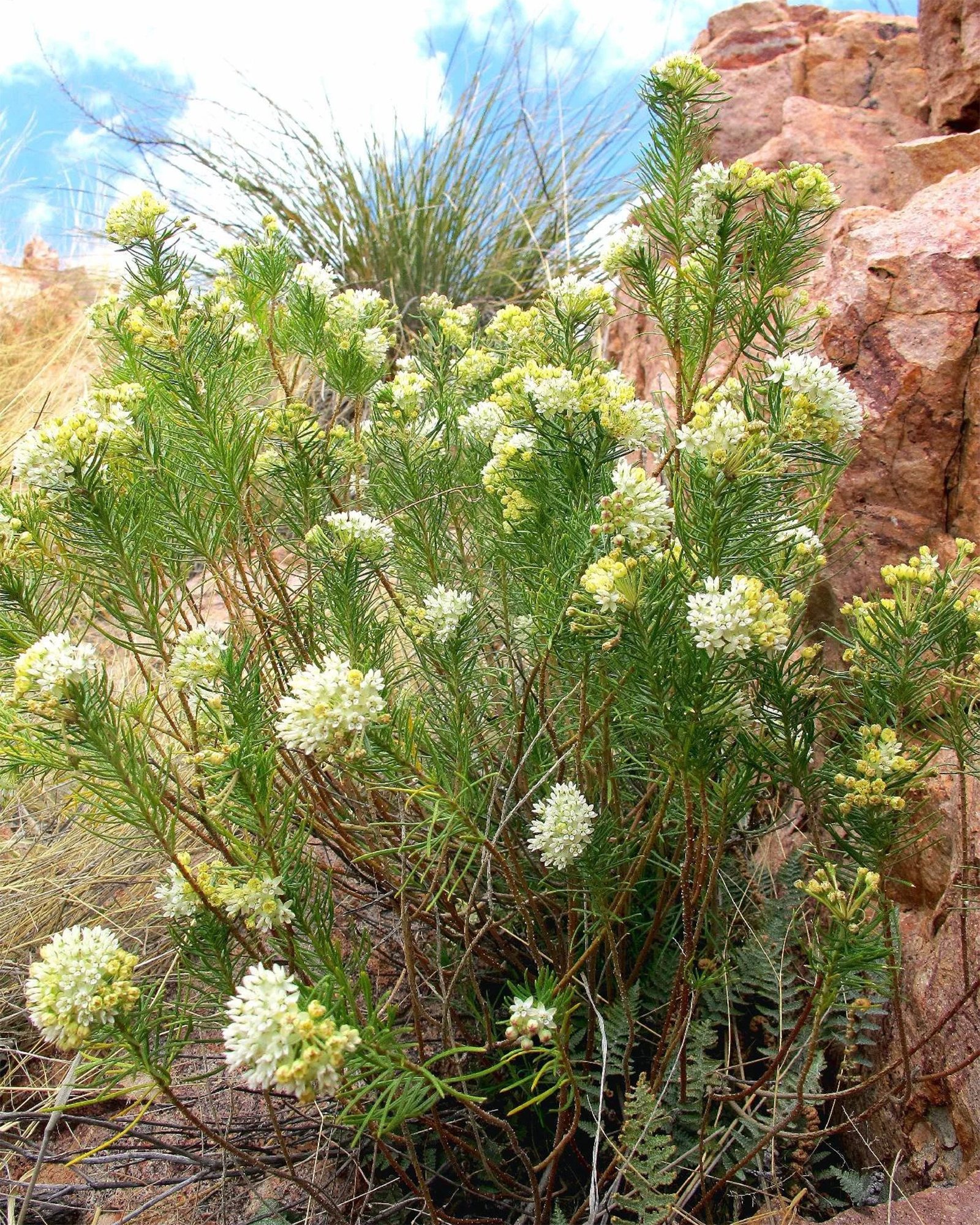
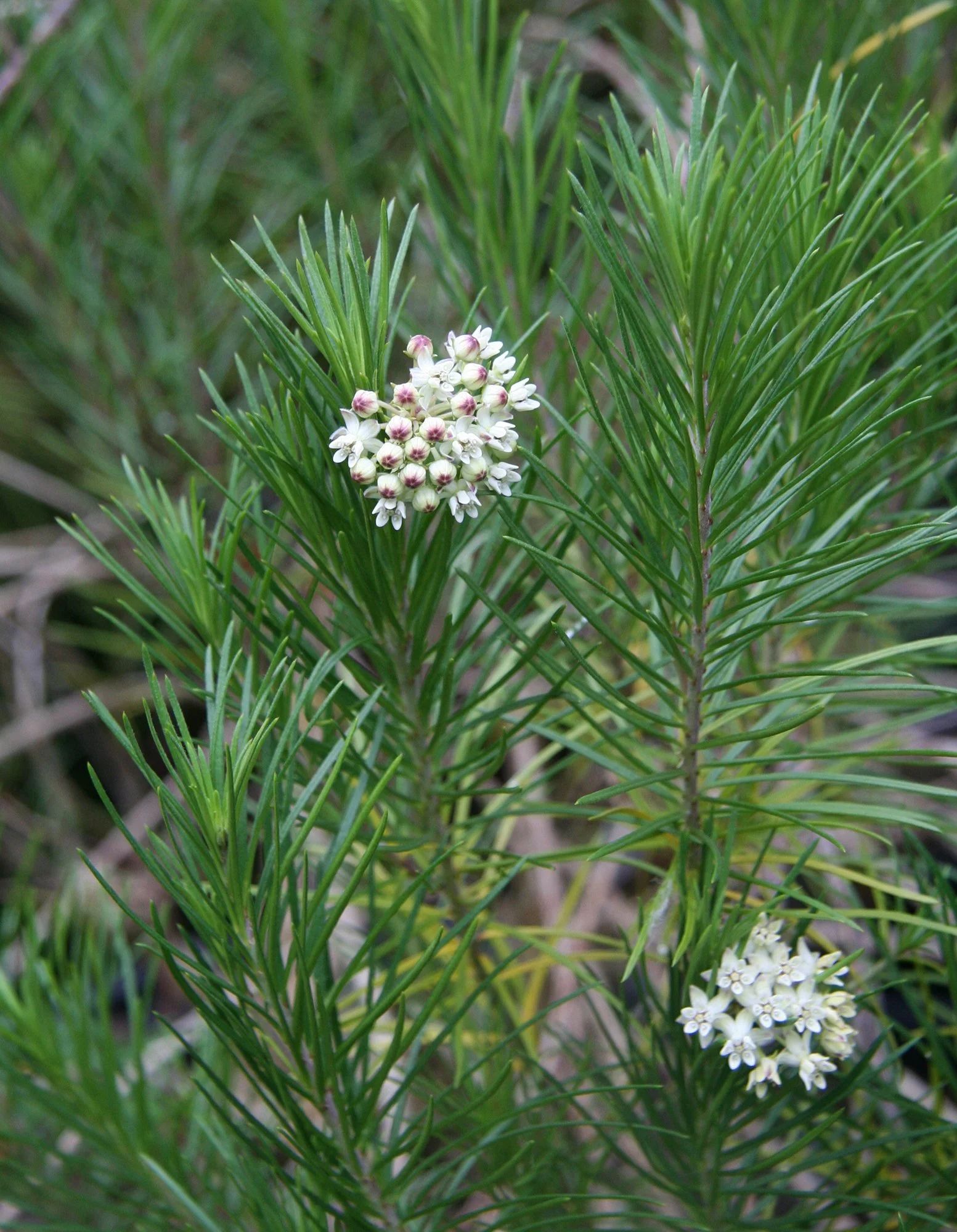
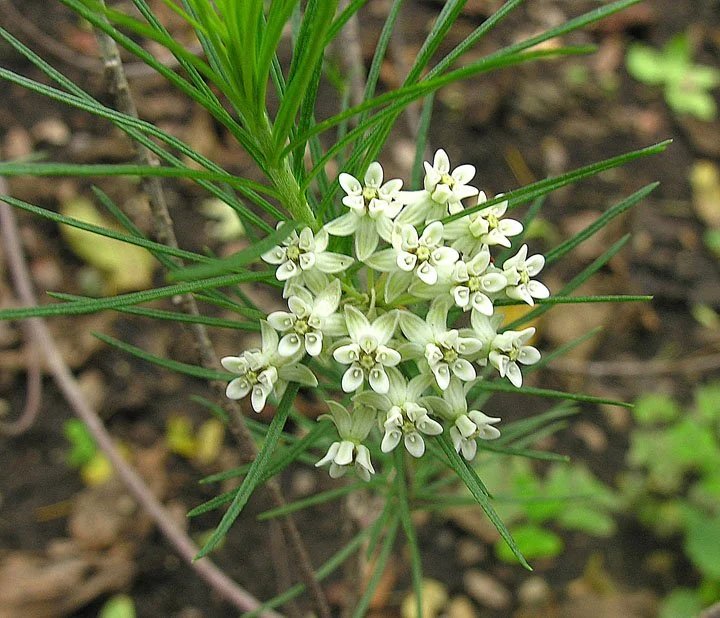
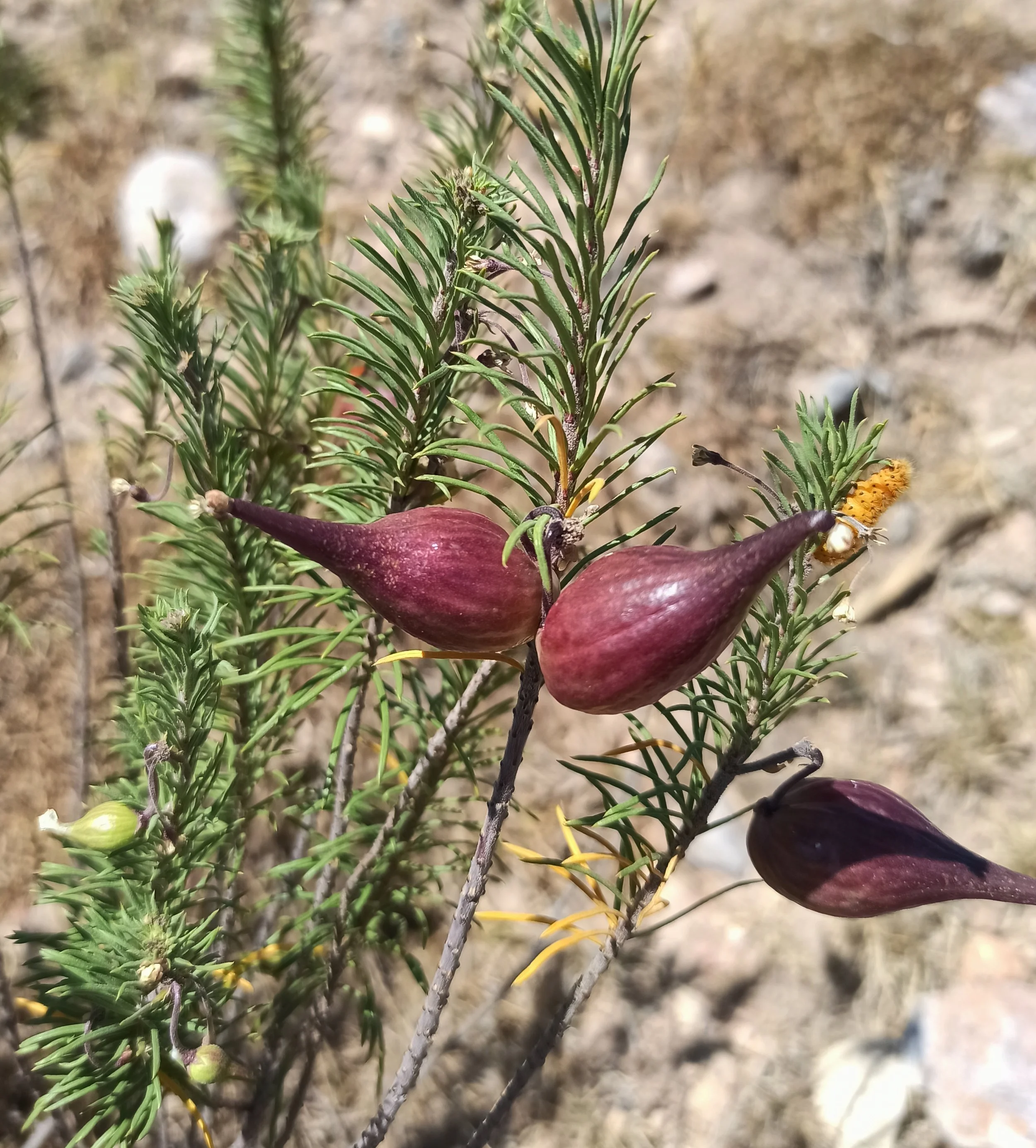
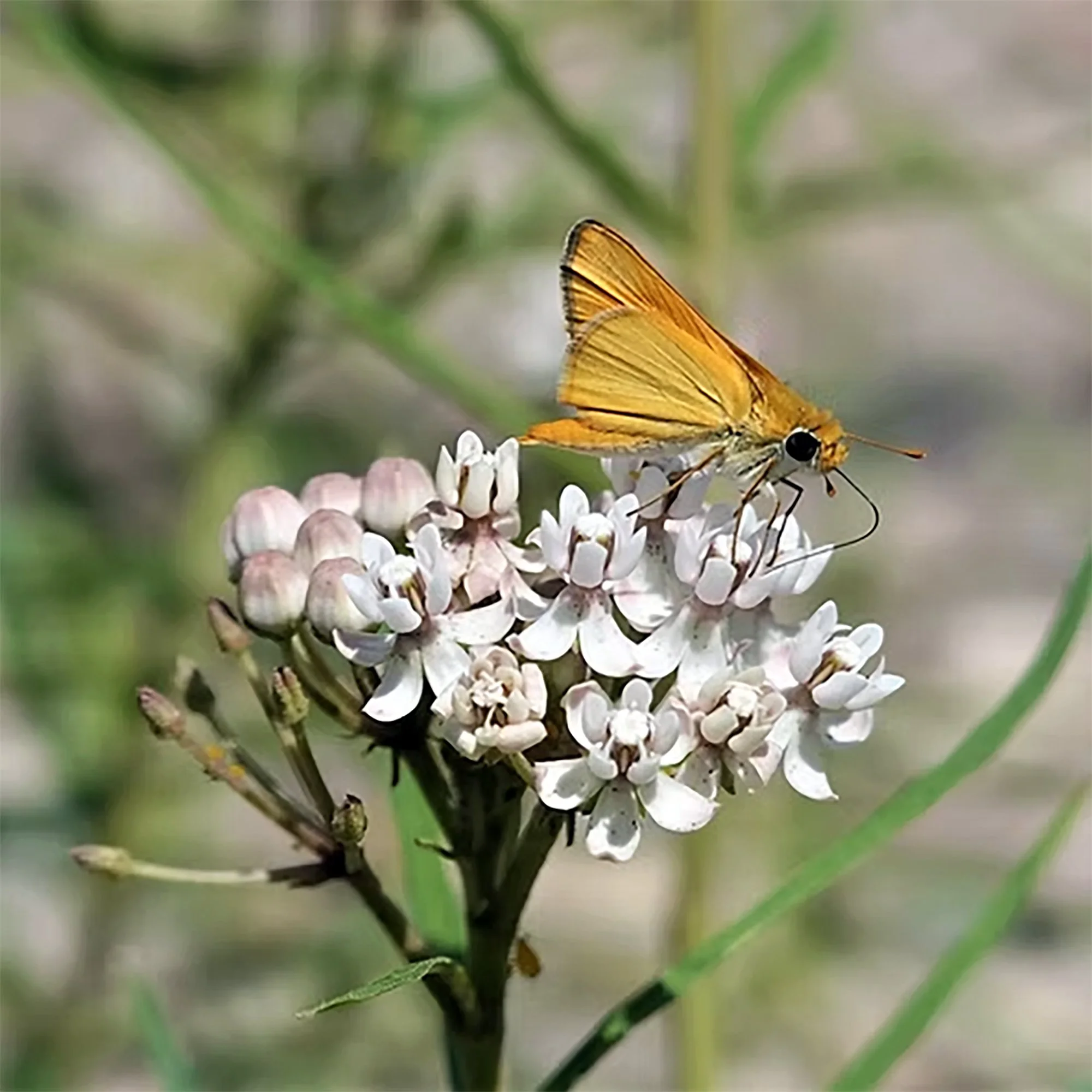
Asclepias angustifolia is a slender, upright milkweed species native to the southwestern United States and northern Mexico, where it grows in open woodlands, grasslands, and well-drained soils. This perennial milkweed is an important host plant for monarch butterflies and other pollinators, providing both larval food and nectar-rich blooms. The plant features narrow, lance-shaped green leaves and produces clusters of soft pink to pale rose flowers during the warm growing season. Its airy form and drought tolerance make it well-suited for native gardens, pollinator habitats, and low-water landscapes. Mature plants typically reach 24–36 inches (60–90 cm) tall.
Plant Care:
• Full sun to bright light
• Well-draining soil; tolerates sandy or rocky soils
• Water regularly during establishment, then sparingly
• Drought-tolerant once established
• Low-maintenance perennial
Frost Tolerance:
• Cold-hardy when dormant
• Tolerates temperatures down to approximately 0°F (-18°C)
• Suitable for USDA zones 7–10
• Top growth may die back after frost
Winter Dormancy:
• Herbaceous perennial with winter dormancy
• Dies back to the ground in cold weather
• Do not overwater during dormancy
• New growth emerges in spring
Botanical Name: Asclepias angustifolia
Common Names: Narrowleaf Milkweed, Arizona Milkweed
Asclepias angustifolia is a slender, upright milkweed species native to the southwestern United States and northern Mexico, where it grows in open woodlands, grasslands, and well-drained soils. This perennial milkweed is an important host plant for monarch butterflies and other pollinators, providing both larval food and nectar-rich blooms. The plant features narrow, lance-shaped green leaves and produces clusters of soft pink to pale rose flowers during the warm growing season. Its airy form and drought tolerance make it well-suited for native gardens, pollinator habitats, and low-water landscapes. Mature plants typically reach 24–36 inches (60–90 cm) tall.
Plant Care:
• Full sun to bright light
• Well-draining soil; tolerates sandy or rocky soils
• Water regularly during establishment, then sparingly
• Drought-tolerant once established
• Low-maintenance perennial
Frost Tolerance:
• Cold-hardy when dormant
• Tolerates temperatures down to approximately 0°F (-18°C)
• Suitable for USDA zones 7–10
• Top growth may die back after frost
Winter Dormancy:
• Herbaceous perennial with winter dormancy
• Dies back to the ground in cold weather
• Do not overwater during dormancy
• New growth emerges in spring