 Image 1 of 5
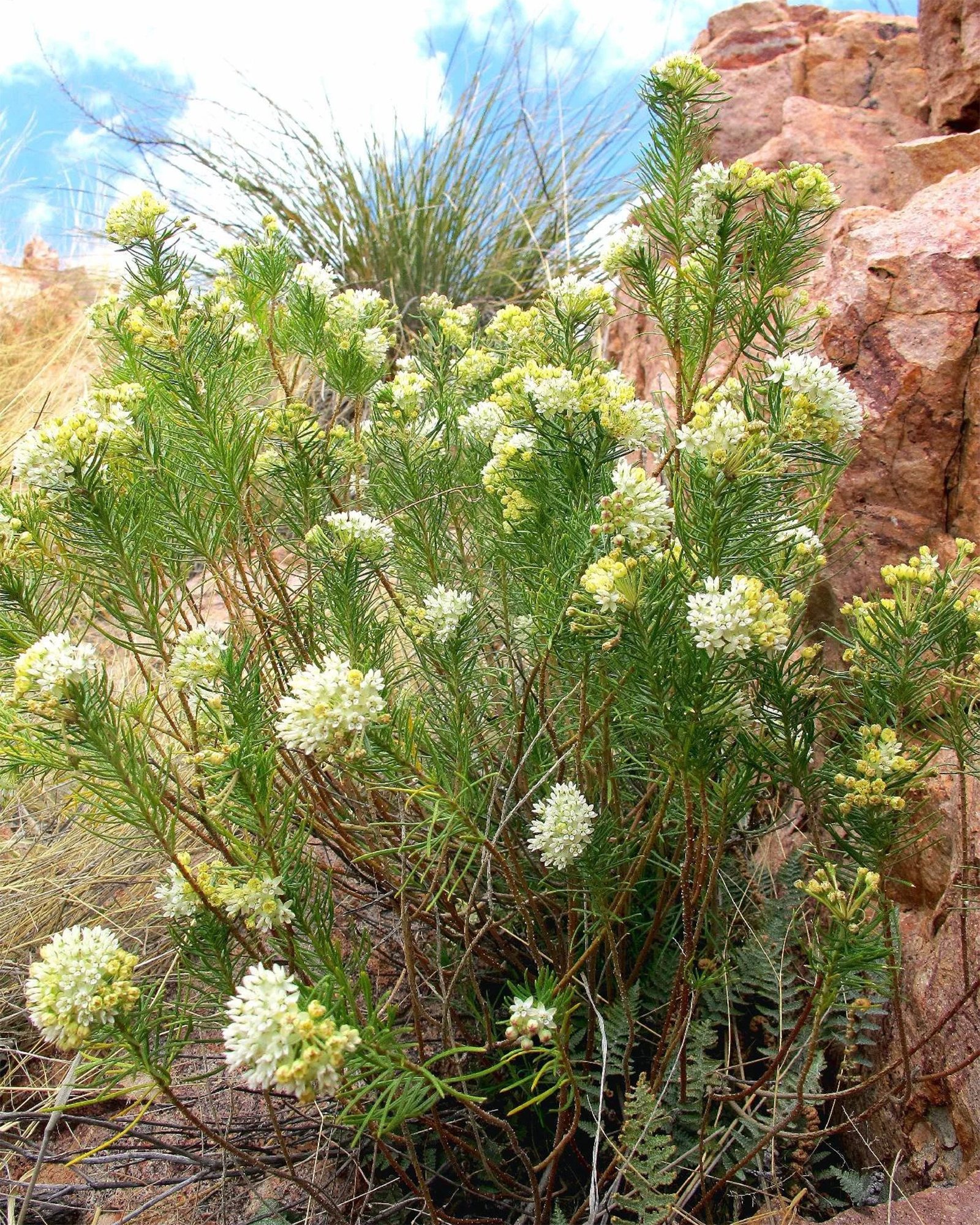 Image 2 of 5
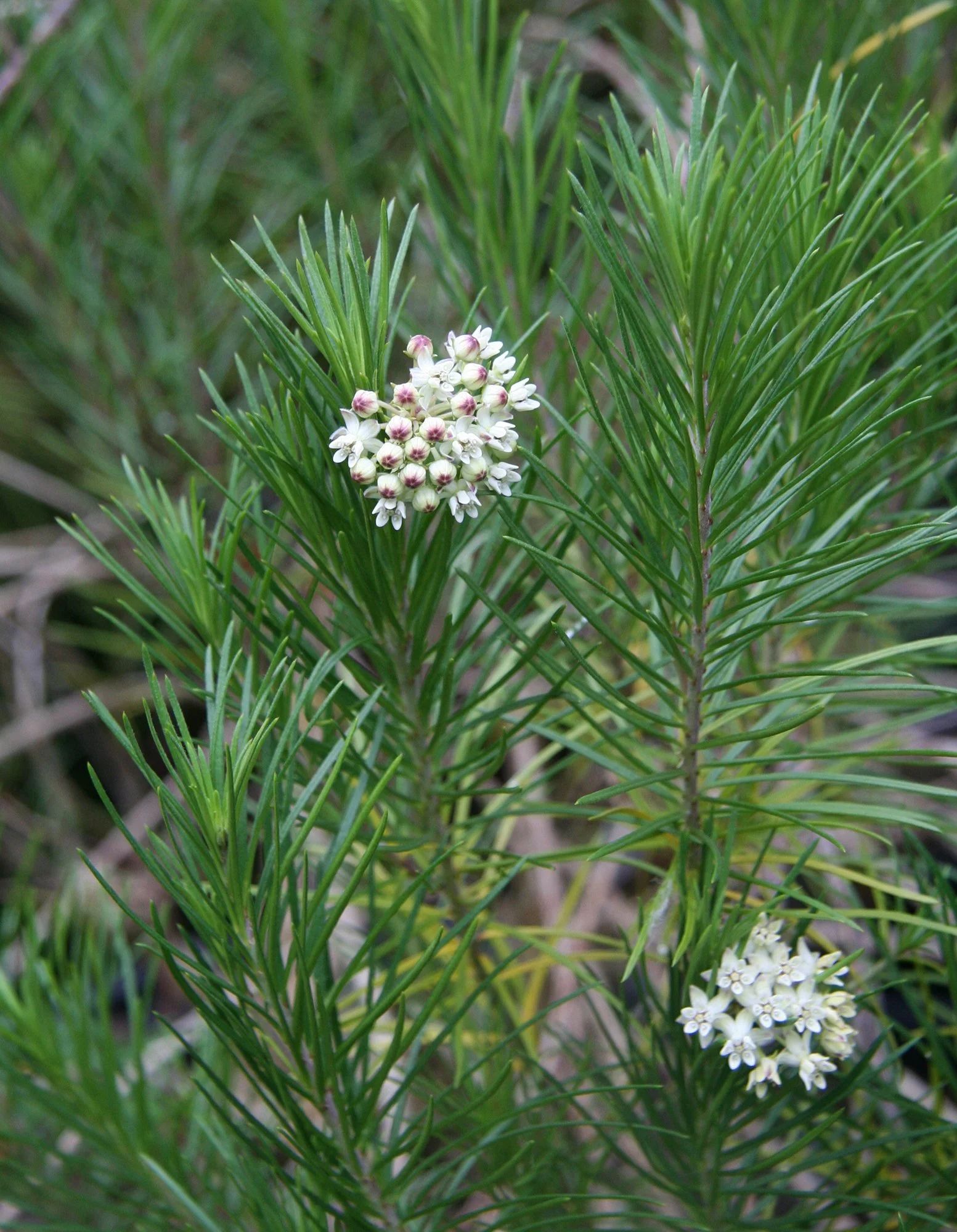 Image 3 of 5
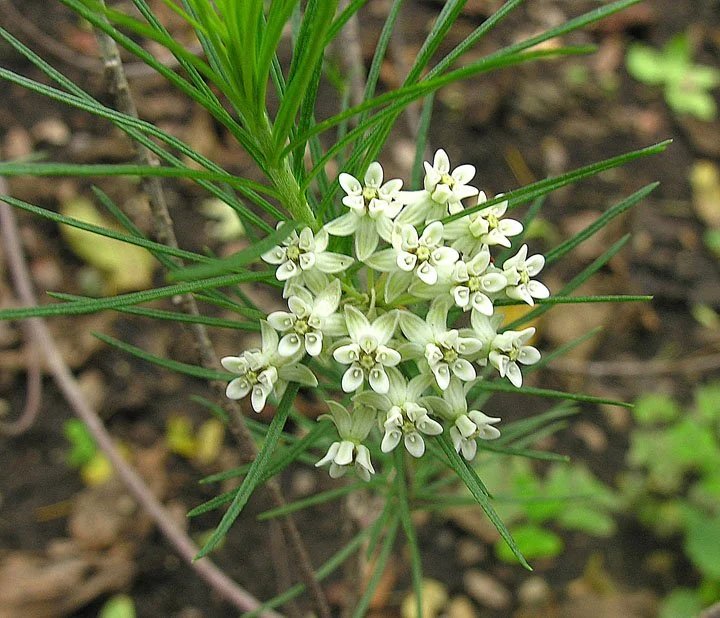 Image 4 of 5
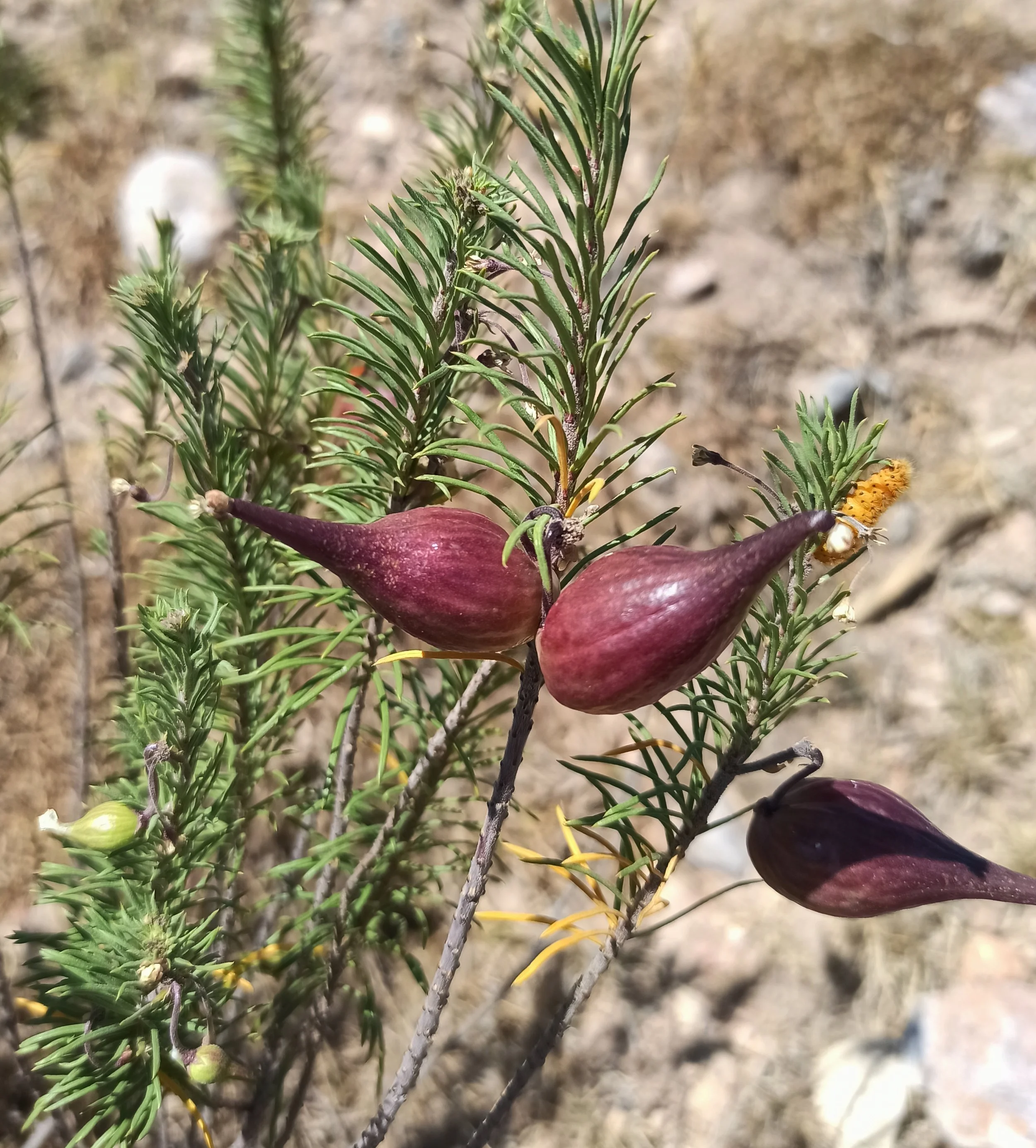 Image 5 of 5
Botanical Name: Asclepias linaria
Common Names: Pineneedle Milkweed, Mojave Milkweed
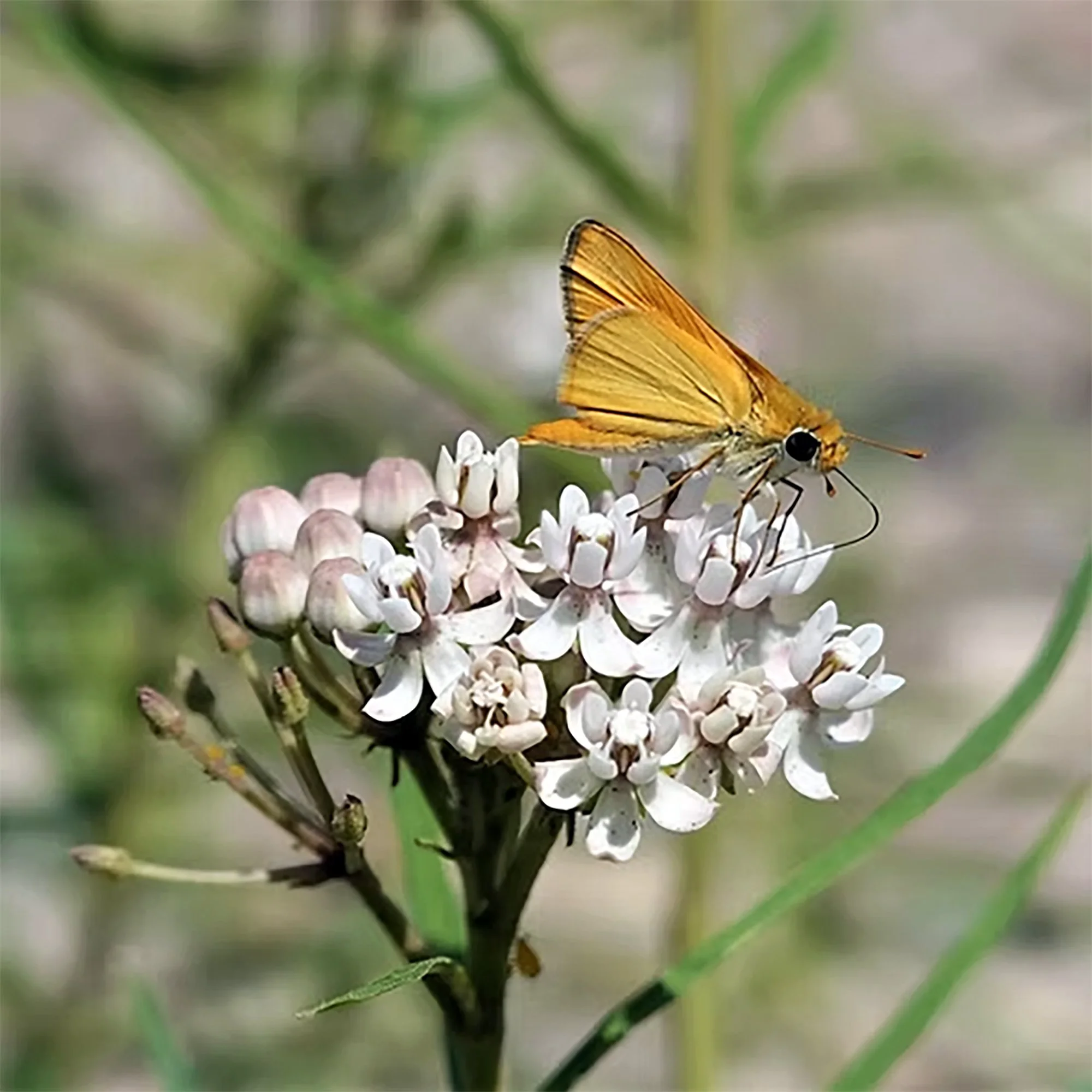
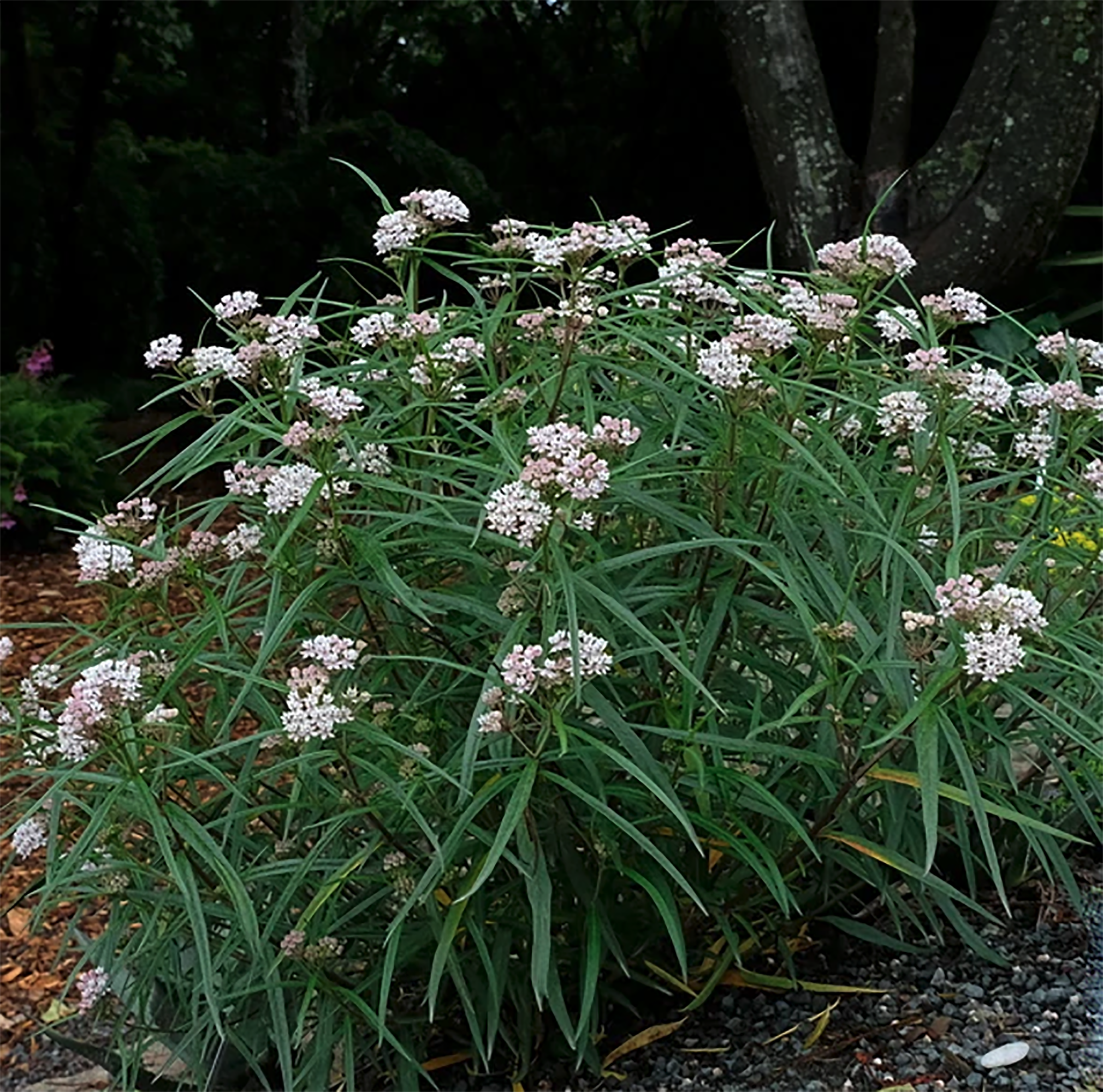
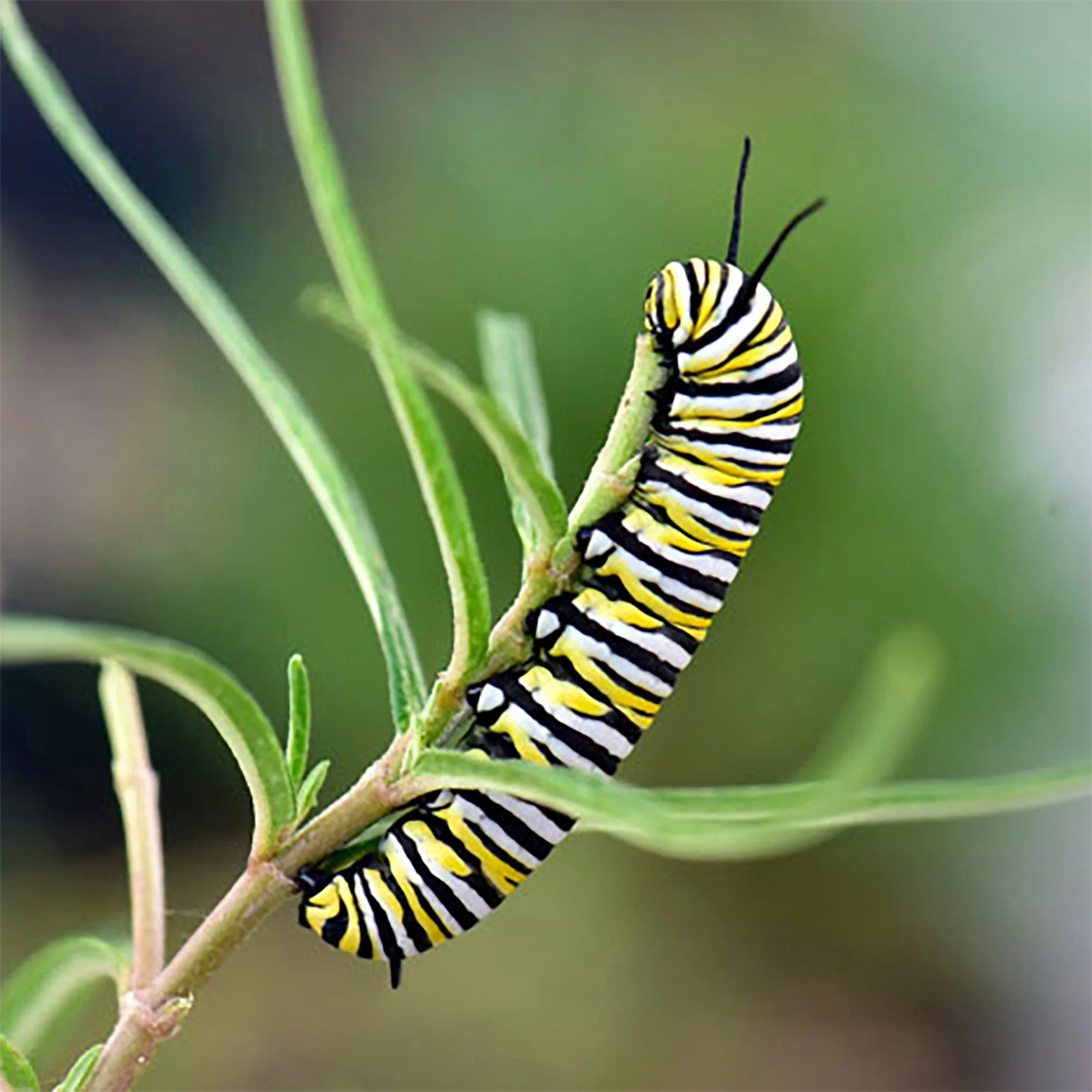
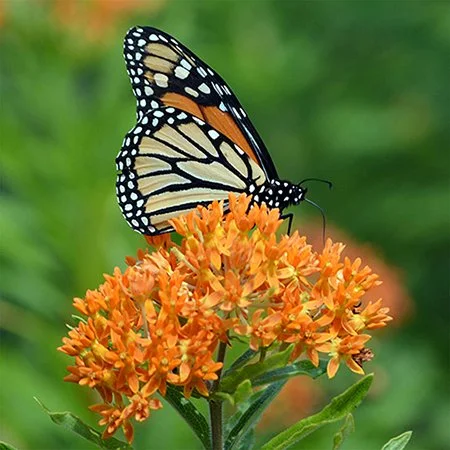
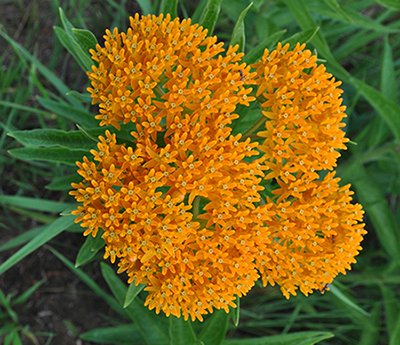
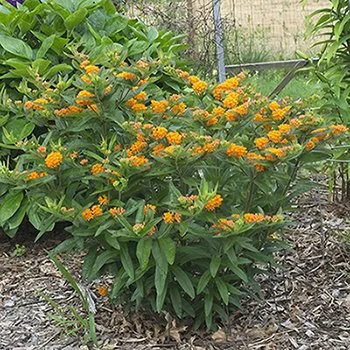
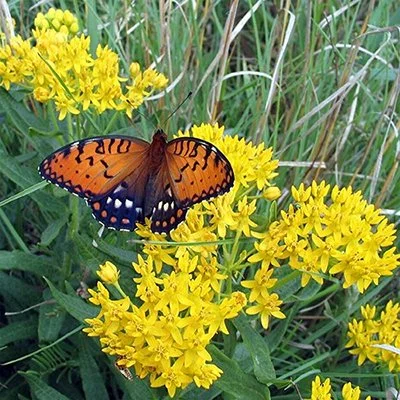
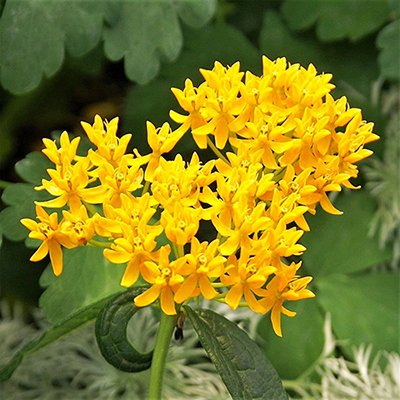
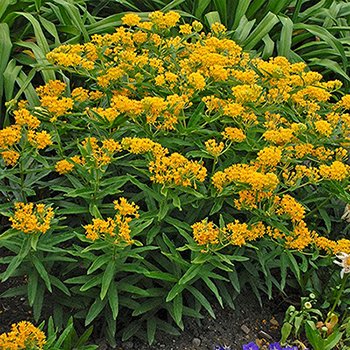
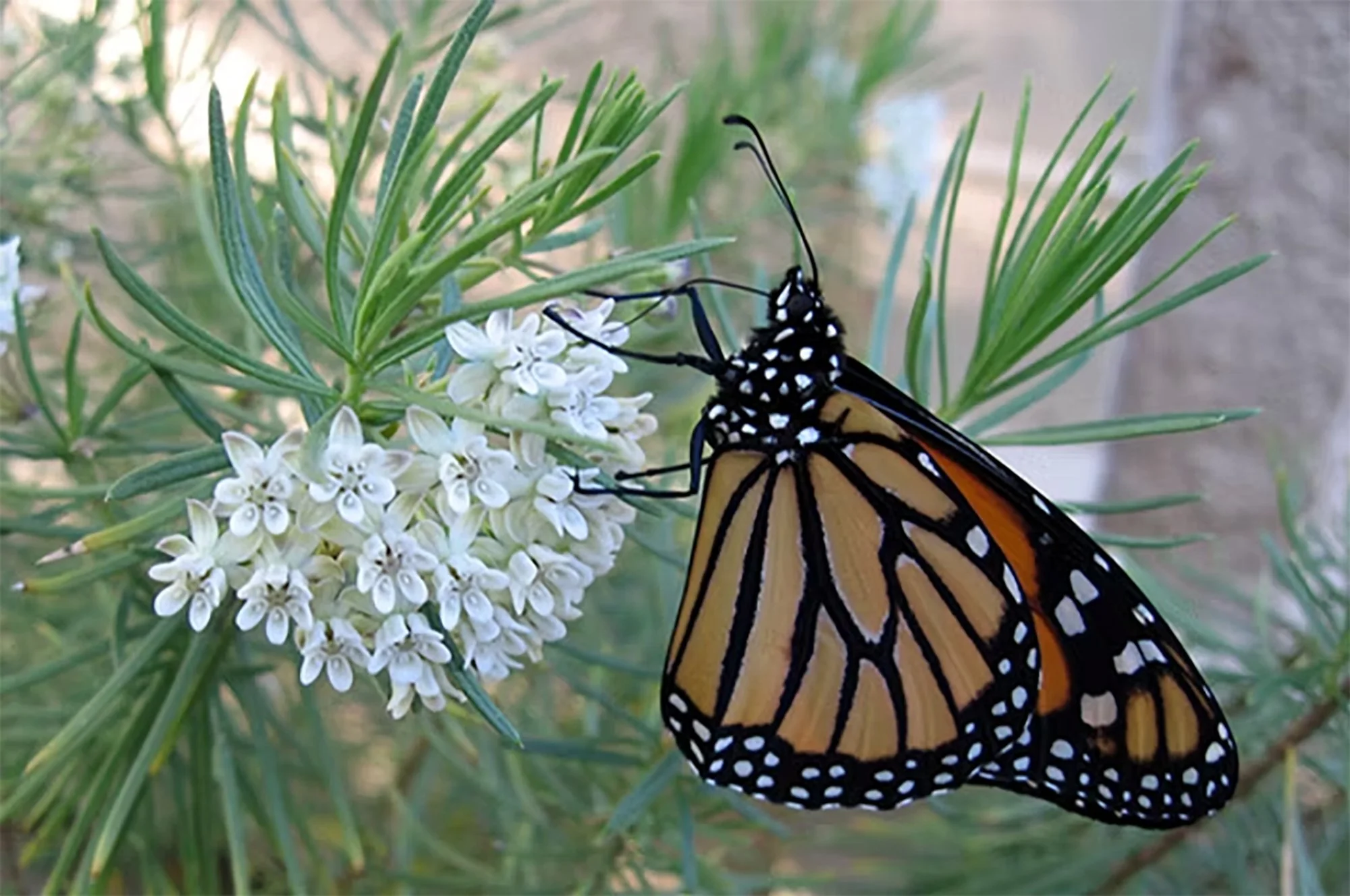
Asclepias linaria is a slender, woody perennial native to the deserts of northern Mexico and the southwestern United States. It features narrow, needle-like leaves that add fine texture and visual interest to any garden. In spring and summer, the plant produces clusters of small, fragrant flowers ranging from yellow to orange, attracting monarch butterflies, bees, and other pollinators. Its drought-tolerant nature and compact, upright growth habit make it especially suited for desert gardens, xeriscape landscapes, and pollinator-friendly plantings. Mature plants typically reach 2–4 feet tall and 1–2 feet wide, providing manageable structure while supporting wildlife and seasonal floral display. This resilient, pollinator-friendly milkweed is an excellent choice for gardeners seeking low-maintenance plants that provide both ecological benefits and ornamental appeal.
Highly adapted to arid environments, Asclepias linaria thrives in full sun and well-draining soils, particularly sandy or rocky conditions. Once established, it requires minimal watering and is remarkably tolerant of dry spells. Its hardy, semi-woody stems provide long-term structure, and with proper care, the plant returns vigorously each spring. These characteristics make it a dependable choice for sustainable and native plant gardening.
Care and Cultivation:
Prefers full sun
Water sparingly once established; drought-tolerant
Thrives in well-draining sandy or rocky soils
Ideal for native gardens, xeriscapes, and pollinator plantings
Ideal growing temperatures: 60–95°F (16–35°C)
Frost Tolerance and Cold Hardiness:
Best suited for USDA Zones 8–11
Cold hardy to about 20°F (-6°C) when established
Protect young plants from hard freezes
Winter Dormancy and Health:
Semi-woody; growth slows in winter
Reduce watering during cold months
Cut back dead stems in late winter if desired
Returns vigorously in spring
Notes:
Needle-like foliage creates fine texture in gardens
Attracts monarch butterflies and other pollinators
Drought-tolerant and low-maintenance
Compact, upright growth habit
Botanical Name: Asclepias linaria
Common Names: Pineneedle Milkweed, Mojave Milkweed
Asclepias linaria is a slender, woody perennial native to the deserts of northern Mexico and the southwestern United States. It features narrow, needle-like leaves that add fine texture and visual interest to any garden. In spring and summer, the plant produces clusters of small, fragrant flowers ranging from yellow to orange, attracting monarch butterflies, bees, and other pollinators. Its drought-tolerant nature and compact, upright growth habit make it especially suited for desert gardens, xeriscape landscapes, and pollinator-friendly plantings. Mature plants typically reach 2–4 feet tall and 1–2 feet wide, providing manageable structure while supporting wildlife and seasonal floral display. This resilient, pollinator-friendly milkweed is an excellent choice for gardeners seeking low-maintenance plants that provide both ecological benefits and ornamental appeal.
Highly adapted to arid environments, Asclepias linaria thrives in full sun and well-draining soils, particularly sandy or rocky conditions. Once established, it requires minimal watering and is remarkably tolerant of dry spells. Its hardy, semi-woody stems provide long-term structure, and with proper care, the plant returns vigorously each spring. These characteristics make it a dependable choice for sustainable and native plant gardening.
Care and Cultivation:
Prefers full sun
Water sparingly once established; drought-tolerant
Thrives in well-draining sandy or rocky soils
Ideal for native gardens, xeriscapes, and pollinator plantings
Ideal growing temperatures: 60–95°F (16–35°C)
Frost Tolerance and Cold Hardiness:
Best suited for USDA Zones 8–11
Cold hardy to about 20°F (-6°C) when established
Protect young plants from hard freezes
Winter Dormancy and Health:
Semi-woody; growth slows in winter
Reduce watering during cold months
Cut back dead stems in late winter if desired
Returns vigorously in spring
Notes:
Needle-like foliage creates fine texture in gardens
Attracts monarch butterflies and other pollinators
Drought-tolerant and low-maintenance
Compact, upright growth habit