 Image 1 of 3
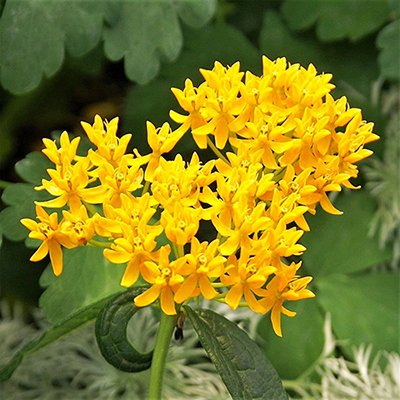 Image 2 of 3
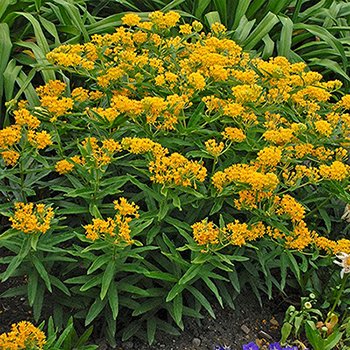 Image 3 of 3
Botanical Name: Asclepias tuberosa
Common Names: Butterfly Weed, Yellow Butterfly Weed
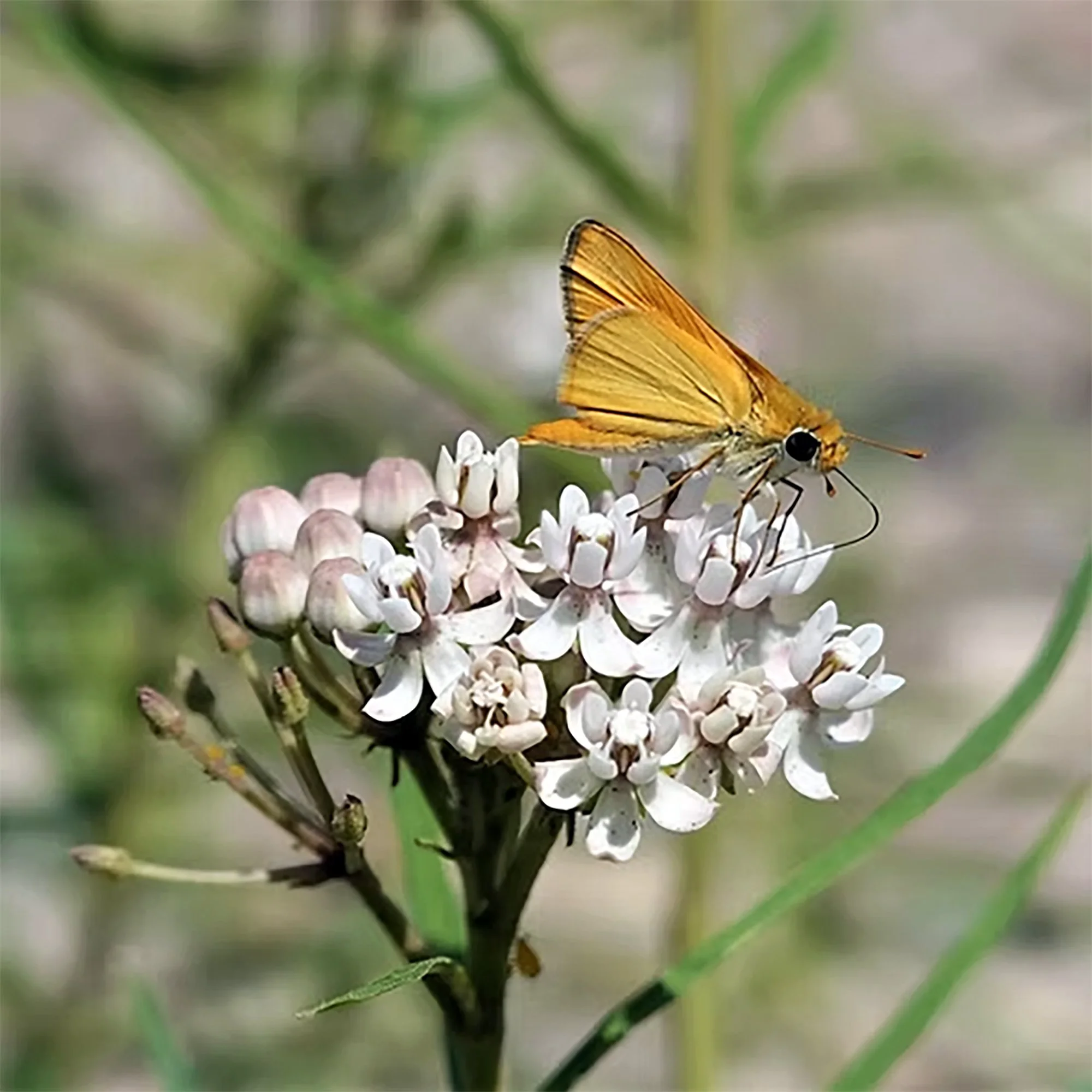
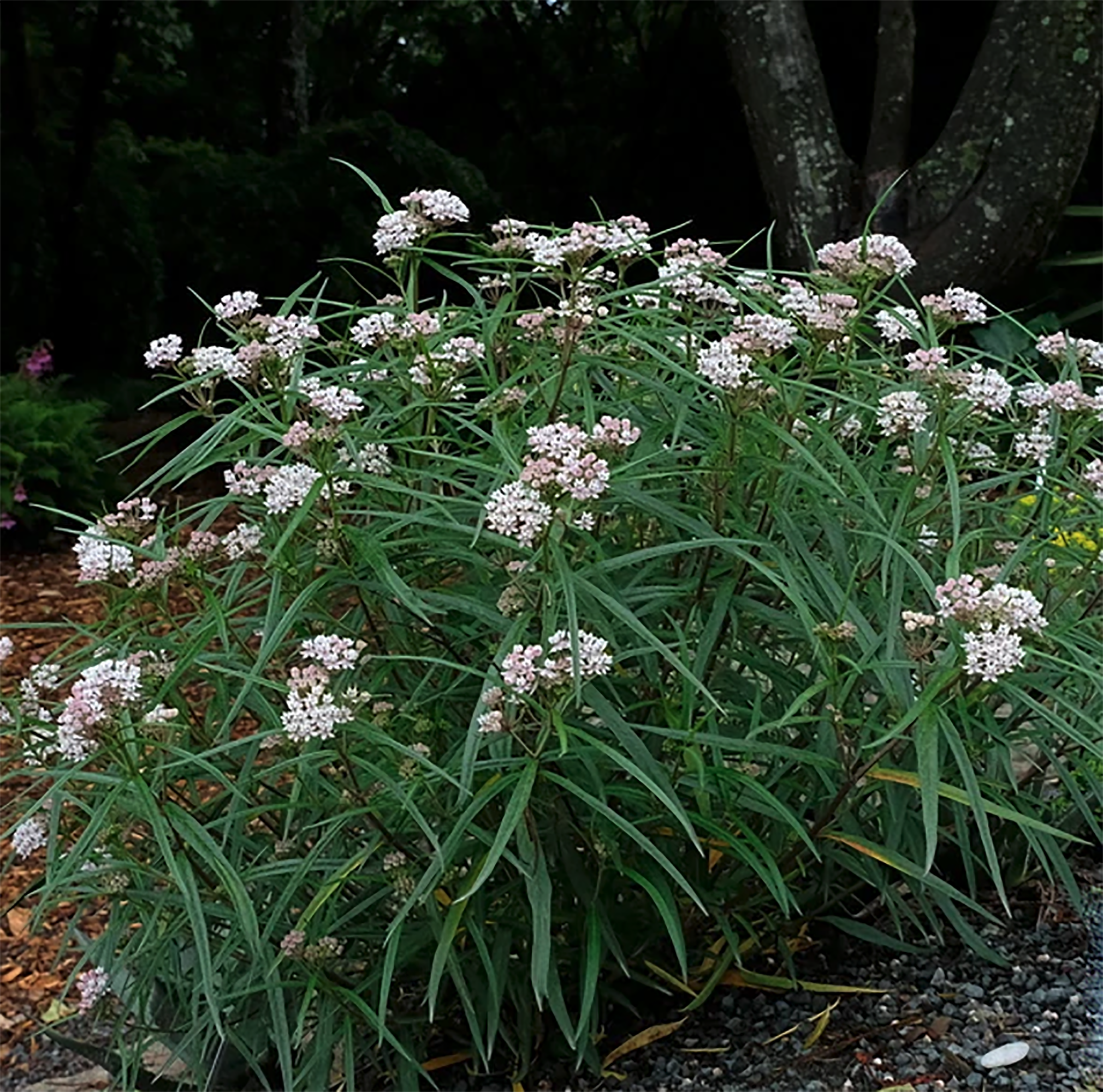
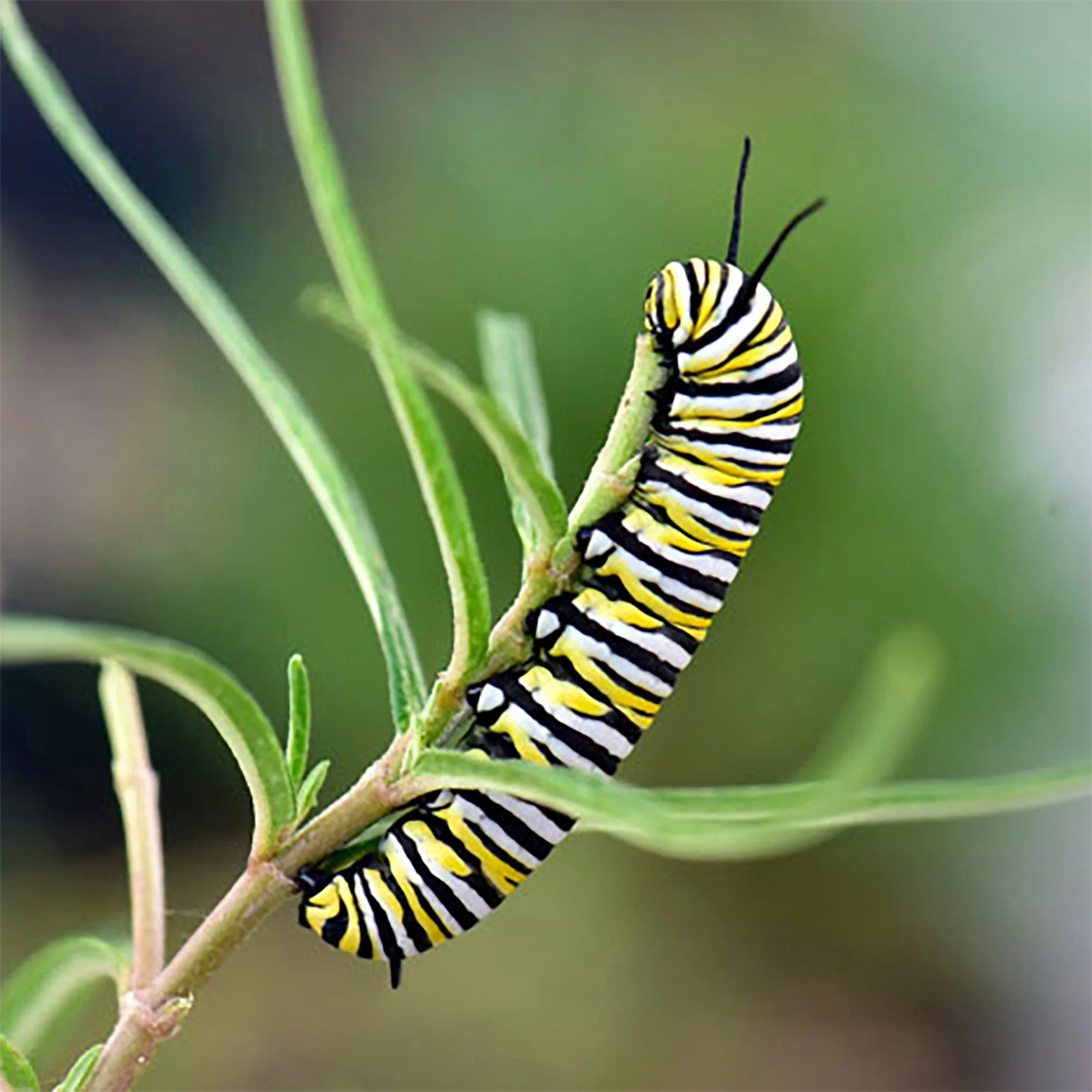
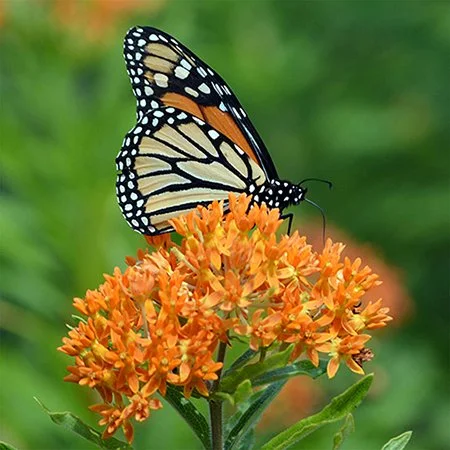
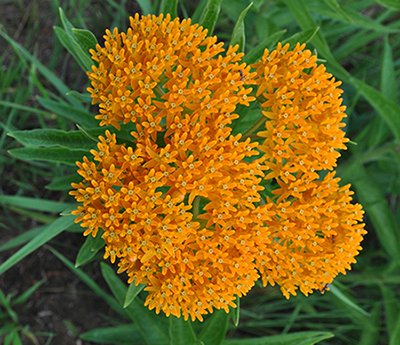
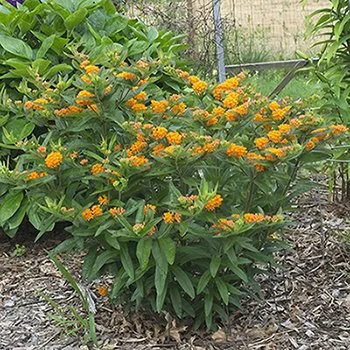
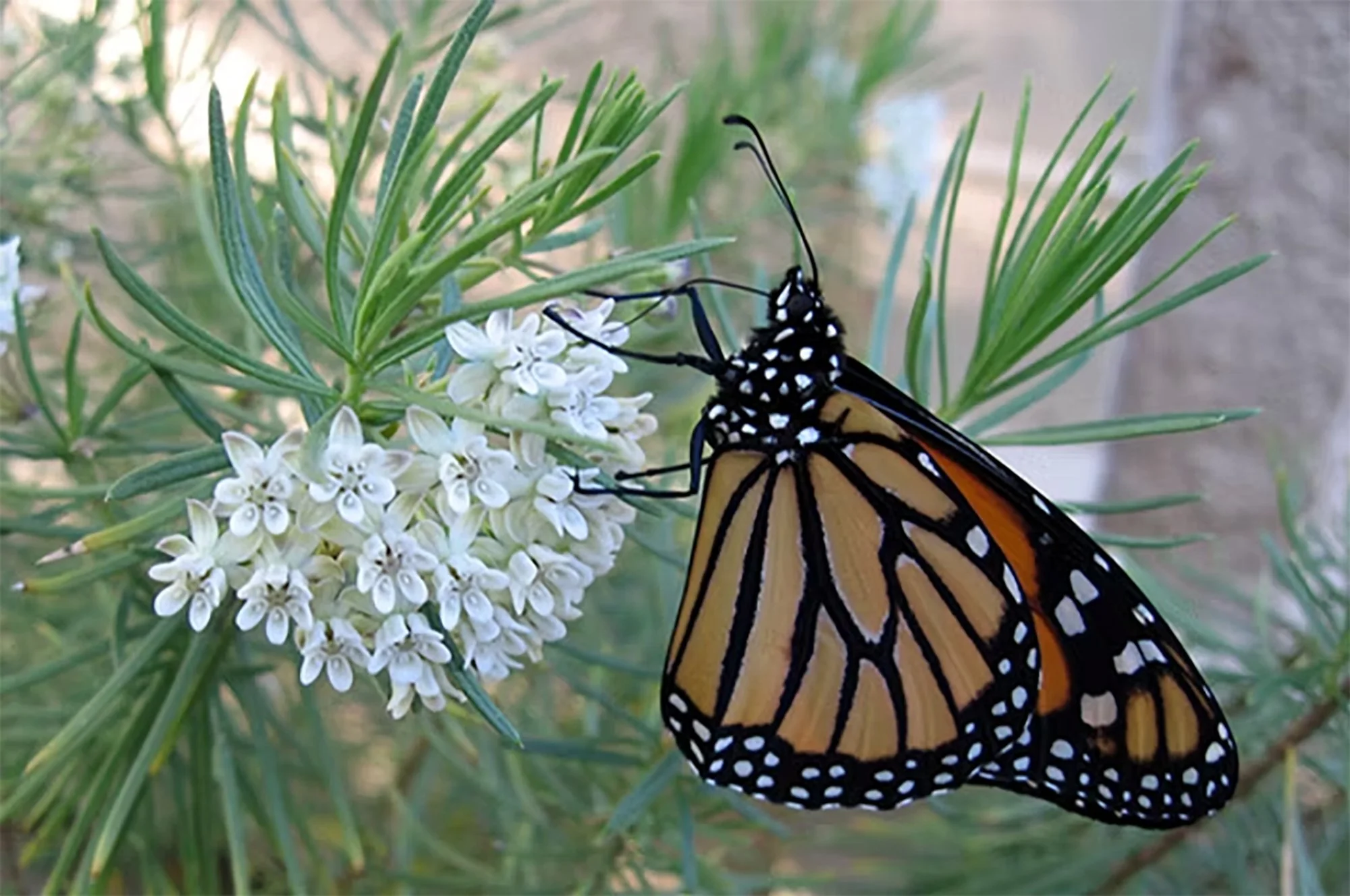
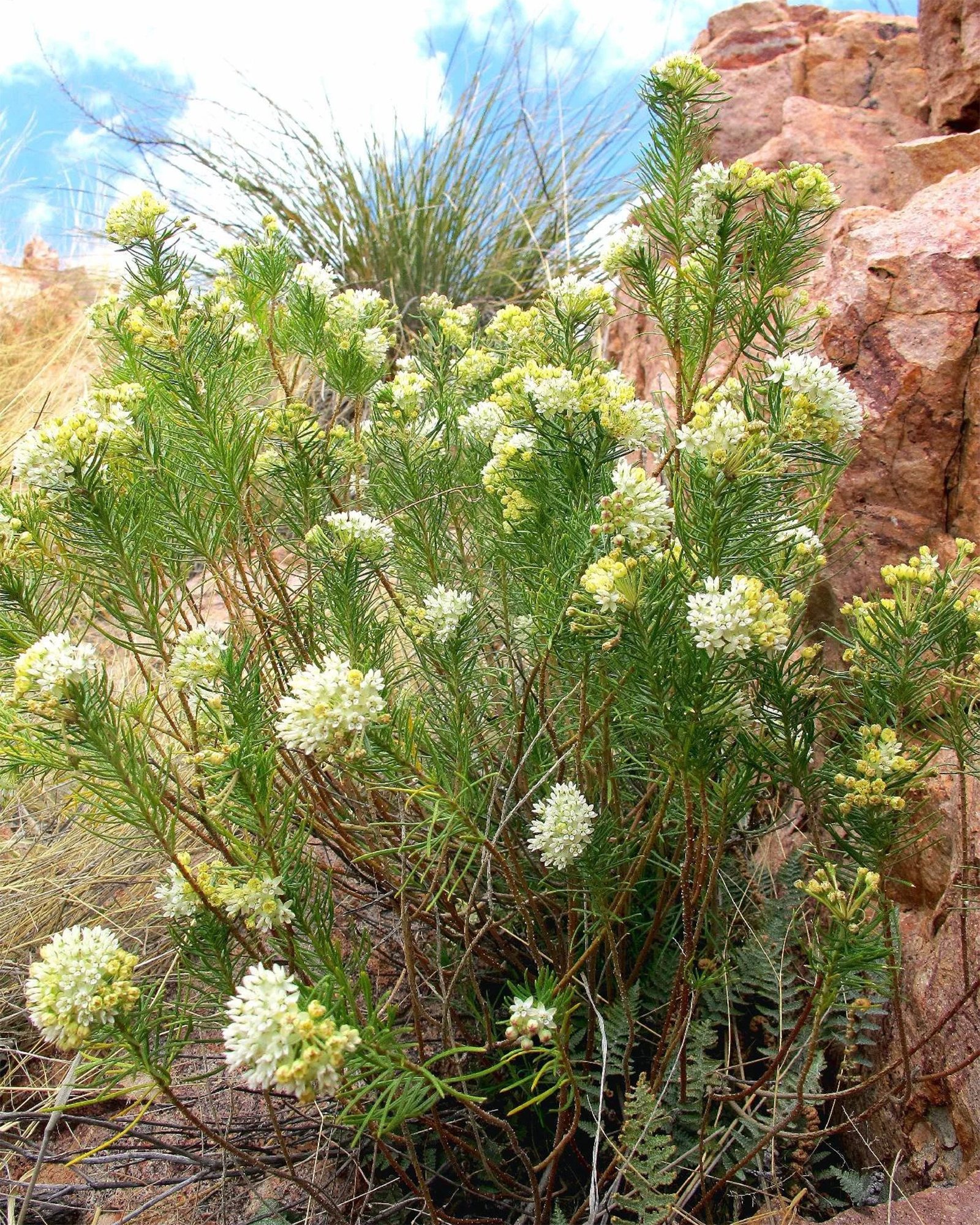
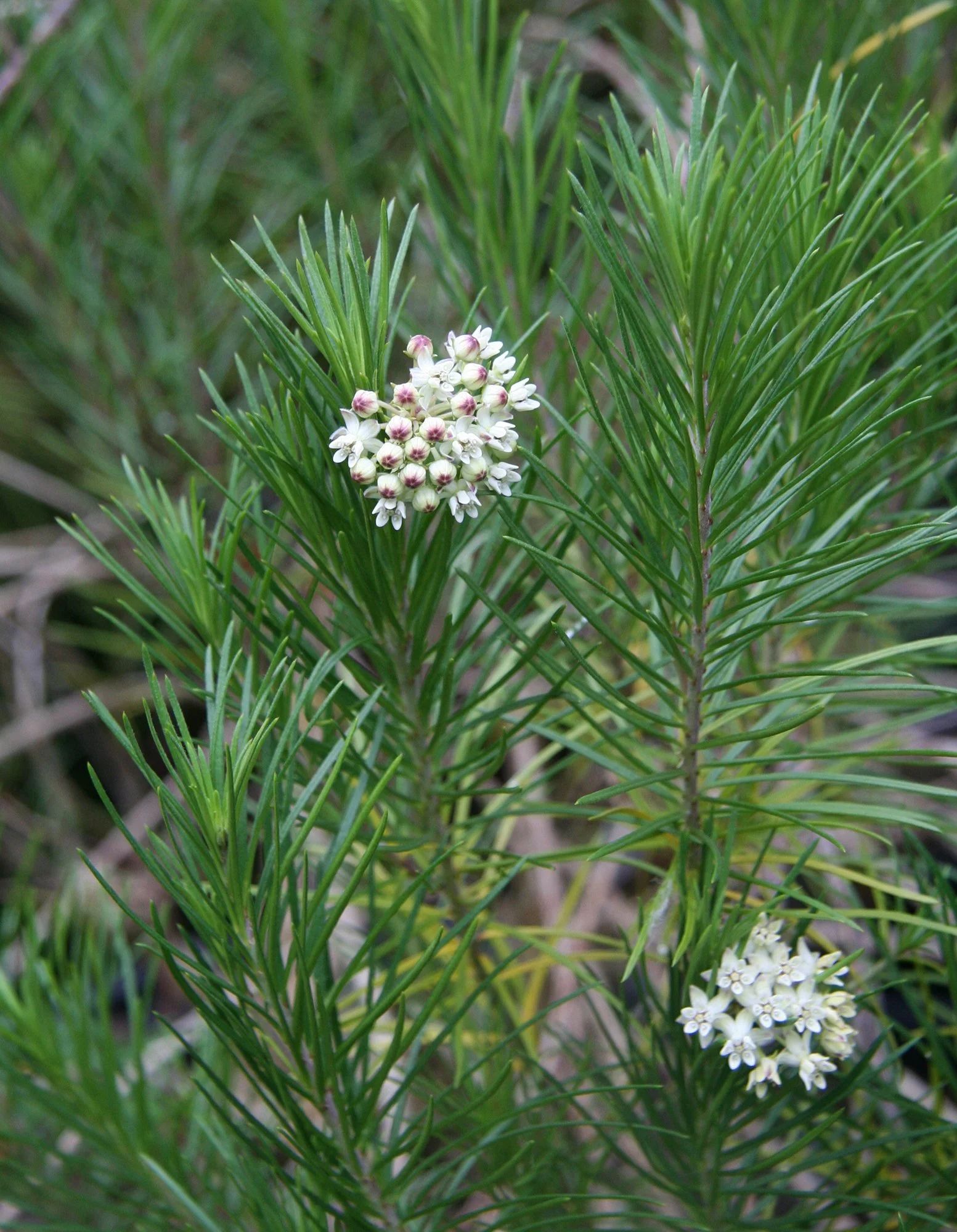
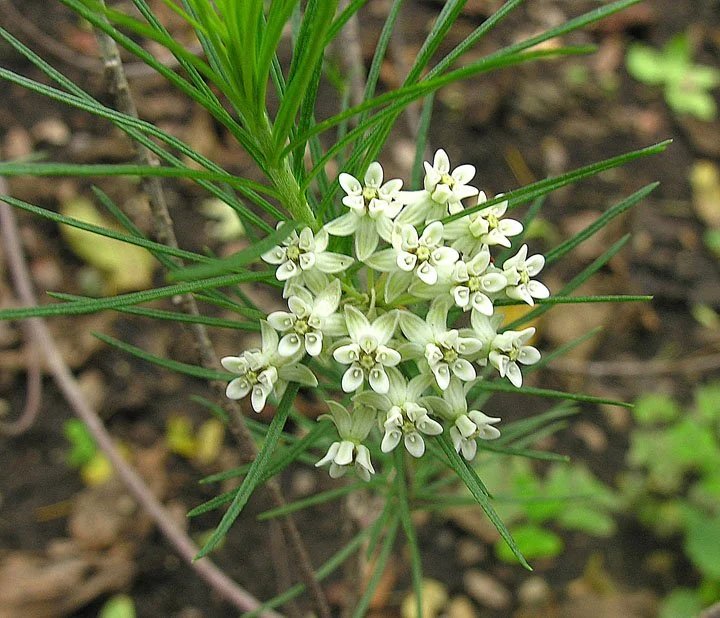
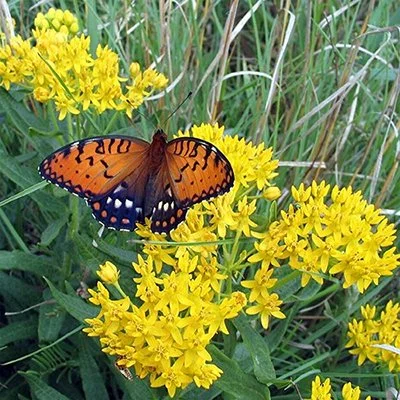
Asclepias tuberosa is a hardy, herbaceous perennial native to much of North America and valued for its vibrant yellow flower clusters and exceptional pollinator support. This bright yellow form of Butterfly Weed produces dense clusters of cheerful blooms that appear throughout the summer, bringing long-lasting color and activity to the garden. The nectar-rich flowers attract butterflies, bees, and many beneficial insects, with particular importance for monarch butterflies, whose caterpillars rely on milkweed species as host plants. Unlike many other milkweed species, Asclepias tuberosa contains little to no milky sap and maintains a tidy, upright growth habit. The plant forms clumps of slender stems lined with narrow, lance-shaped leaves, creating a neat, well-structured appearance. Mature plants typically grow between 1 and 3 feet tall and spread about 1 to 2 feet wide, making them well-suited for borders, wildflower gardens, and pollinator-friendly plantings.
The bright yellow flowers offer a sunny variation on the classic orange Butterfly Weed, providing a softer but equally striking color display. When planted in groups, the blossoms create a glowing effect that pairs beautifully with ornamental grasses, native perennials, and other drought-tolerant flowering plants. Asclepias tuberosa thrives in sunny locations and is well-adapted to dry conditions once established. It performs particularly well in sandy, rocky, or well-draining soils where many other perennials may struggle. Because of its drought tolerance and resilience, it is commonly used in native landscapes, prairie-style gardens, and xeriscape plantings where water conservation is important.
Care and Cultivation:
• Prefers full sun for best flowering and strong growth
• Water regularly during establishment, then sparingly once established
• Thrives in well-draining sandy or rocky soils
• Excellent for native gardens, meadow plantings, borders, and pollinator habitats
• USDA Zones: 3–9; thrives between 65–90°F (18–32°C)
Frost Tolerance and Cold Hardiness:
• Fully cold-hardy across its growing range
• Dies back to the ground during winter dormancy
• Roots survive freezing temperatures and re-sprout in spring
Winter Dormancy and Health:
• Herbaceous perennial that goes dormant in winter
• Cut back dead stems in late winter or early spring
• Avoid excessive winter moisture around roots
• Returns vigorously with fresh growth in spring
Notes:
• Essential host plant for monarch butterfly caterpillars
• Bright yellow flower clusters provide cheerful seasonal color
• Deer resistant once established
• Low-maintenance and drought-tolerant addition to pollinator gardens
Botanical Name: Asclepias tuberosa
Common Names: Butterfly Weed, Yellow Butterfly Weed
Asclepias tuberosa is a hardy, herbaceous perennial native to much of North America and valued for its vibrant yellow flower clusters and exceptional pollinator support. This bright yellow form of Butterfly Weed produces dense clusters of cheerful blooms that appear throughout the summer, bringing long-lasting color and activity to the garden. The nectar-rich flowers attract butterflies, bees, and many beneficial insects, with particular importance for monarch butterflies, whose caterpillars rely on milkweed species as host plants. Unlike many other milkweed species, Asclepias tuberosa contains little to no milky sap and maintains a tidy, upright growth habit. The plant forms clumps of slender stems lined with narrow, lance-shaped leaves, creating a neat, well-structured appearance. Mature plants typically grow between 1 and 3 feet tall and spread about 1 to 2 feet wide, making them well-suited for borders, wildflower gardens, and pollinator-friendly plantings.
The bright yellow flowers offer a sunny variation on the classic orange Butterfly Weed, providing a softer but equally striking color display. When planted in groups, the blossoms create a glowing effect that pairs beautifully with ornamental grasses, native perennials, and other drought-tolerant flowering plants. Asclepias tuberosa thrives in sunny locations and is well-adapted to dry conditions once established. It performs particularly well in sandy, rocky, or well-draining soils where many other perennials may struggle. Because of its drought tolerance and resilience, it is commonly used in native landscapes, prairie-style gardens, and xeriscape plantings where water conservation is important.
Care and Cultivation:
• Prefers full sun for best flowering and strong growth
• Water regularly during establishment, then sparingly once established
• Thrives in well-draining sandy or rocky soils
• Excellent for native gardens, meadow plantings, borders, and pollinator habitats
• USDA Zones: 3–9; thrives between 65–90°F (18–32°C)
Frost Tolerance and Cold Hardiness:
• Fully cold-hardy across its growing range
• Dies back to the ground during winter dormancy
• Roots survive freezing temperatures and re-sprout in spring
Winter Dormancy and Health:
• Herbaceous perennial that goes dormant in winter
• Cut back dead stems in late winter or early spring
• Avoid excessive winter moisture around roots
• Returns vigorously with fresh growth in spring
Notes:
• Essential host plant for monarch butterfly caterpillars
• Bright yellow flower clusters provide cheerful seasonal color
• Deer resistant once established
• Low-maintenance and drought-tolerant addition to pollinator gardens