Botanical Name:Carnegiea gigantea
Common Names: Saguaro Cactus
Carnegiea gigantea, the iconic Saguaro Cactus, is native to the Sonoran Desert of Arizona, southeastern California, and northwestern Mexico. This massive, slow-growing columnar cactus is instantly recognizable for its tall, ribbed stems and upward-reaching arms that develop as the plant matures. A powerful symbol of the American Southwest, the saguaro has become deeply associated with desert landscapes and wildlife habitats. In its natural environment, mature plants can reach impressive heights of 40–60 feet and spread 10–15 feet wide, though they grow extremely slowly and remain much smaller for many years when young or container-grown.
Saguaros are remarkably adapted to harsh desert conditions. Their pleated ribs expand to store water after rainfall, allowing them to survive long dry periods. The waxy skin helps reduce water loss, while their shallow but wide root systems quickly absorb moisture from desert storms. Because of their slow growth rate, young saguaros may take decades to reach just a few feet in height, making mature specimens especially impressive. The saguaro remains one of the most recognizable and celebrated plants of the Sonoran Desert, representing resilience, longevity, and the unique beauty of the American Southwest. SHIPPED AS YOUNG BARE ROOT SPECIMENS; SELECT FROM TWO SIZES.
Care and Cultivation:
Prefers full sun exposure
Water sparingly; extremely drought-tolerant once established
Use very fast-draining, sandy cactus soil
Perfect for outdoor desert landscapes
Ideal growing temperatures: 70–105°F (21–40°C)
Best suited for USDA Zones 9–11
Frost Tolerance and Cold Hardiness:
Winter Dormancy and Health:
Enters dormancy during cooler months
Withhold or greatly reduce watering in winter
Can tolerate brief cold spells when soil is dry
Notes:
Extremely slow-growing and long-lived
Develops arms only after many decades of growth
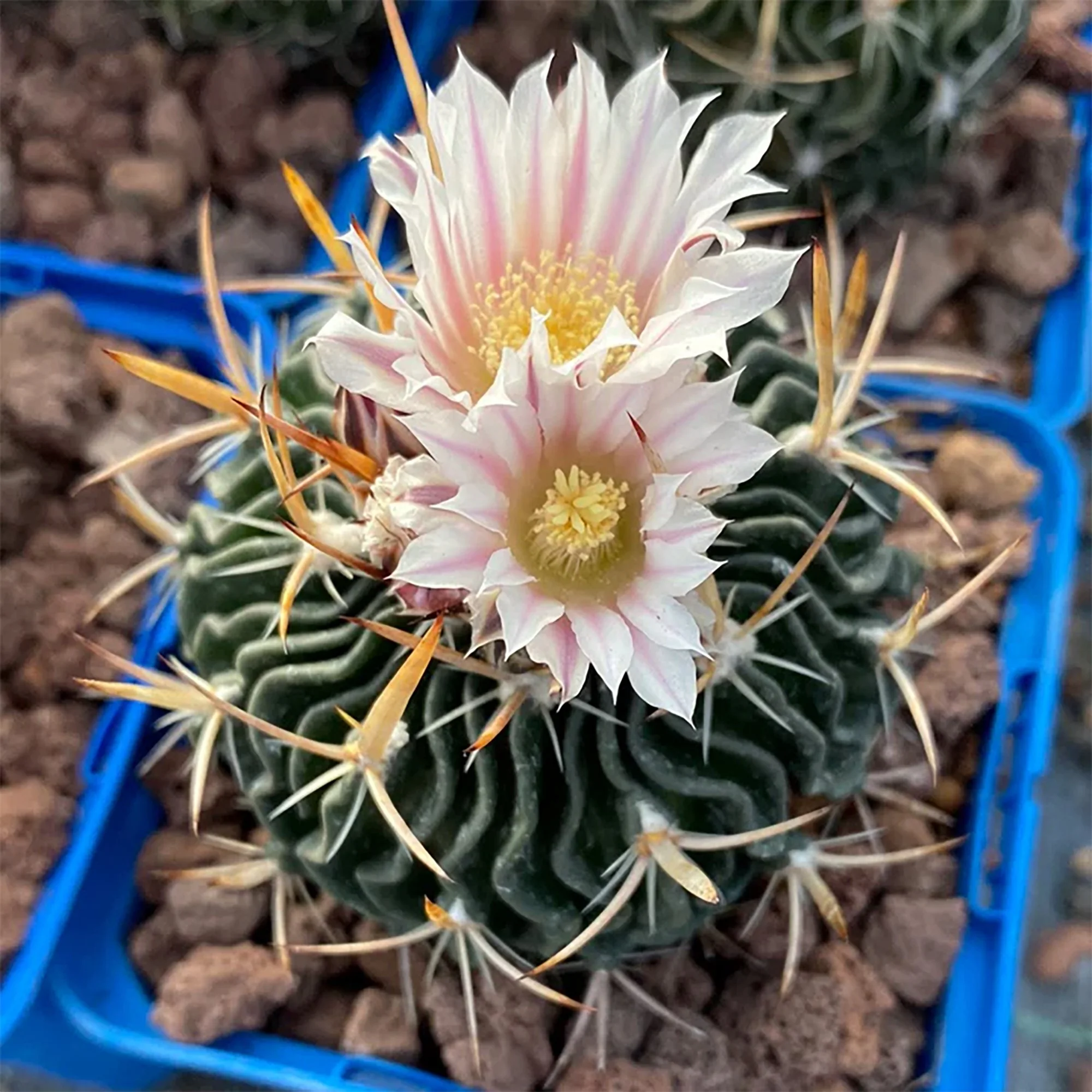
Produces large white flowers in late spring that open at night
Flowers are pollinated by bats, birds, and insects
This species is protected in the wild; cultivated specimens are nursery-grown and legally propagated
Botanical Name:Carnegiea gigantea
Common Names: Saguaro Cactus
Carnegiea gigantea, the iconic Saguaro Cactus, is native to the Sonoran Desert of Arizona, southeastern California, and northwestern Mexico. This massive, slow-growing columnar cactus is instantly recognizable for its tall, ribbed stems and upward-reaching arms that develop as the plant matures. A powerful symbol of the American Southwest, the saguaro has become deeply associated with desert landscapes and wildlife habitats. In its natural environment, mature plants can reach impressive heights of 40–60 feet and spread 10–15 feet wide, though they grow extremely slowly and remain much smaller for many years when young or container-grown.
Saguaros are remarkably adapted to harsh desert conditions. Their pleated ribs expand to store water after rainfall, allowing them to survive long dry periods. The waxy skin helps reduce water loss, while their shallow but wide root systems quickly absorb moisture from desert storms. Because of their slow growth rate, young saguaros may take decades to reach just a few feet in height, making mature specimens especially impressive. The saguaro remains one of the most recognizable and celebrated plants of the Sonoran Desert, representing resilience, longevity, and the unique beauty of the American Southwest. SHIPPED AS YOUNG BARE ROOT SPECIMENS; SELECT FROM TWO SIZES.
Care and Cultivation:
Prefers full sun exposure
Water sparingly; extremely drought-tolerant once established
Use very fast-draining, sandy cactus soil
Perfect for outdoor desert landscapes
Ideal growing temperatures: 70–105°F (21–40°C)
Best suited for USDA Zones 9–11
Frost Tolerance and Cold Hardiness:
Winter Dormancy and Health:
Enters dormancy during cooler months
Withhold or greatly reduce watering in winter
Can tolerate brief cold spells when soil is dry
Notes:
Extremely slow-growing and long-lived
Develops arms only after many decades of growth
Produces large white flowers in late spring that open at night
Flowers are pollinated by bats, birds, and insects
This species is protected in the wild; cultivated specimens are nursery-grown and legally propagated

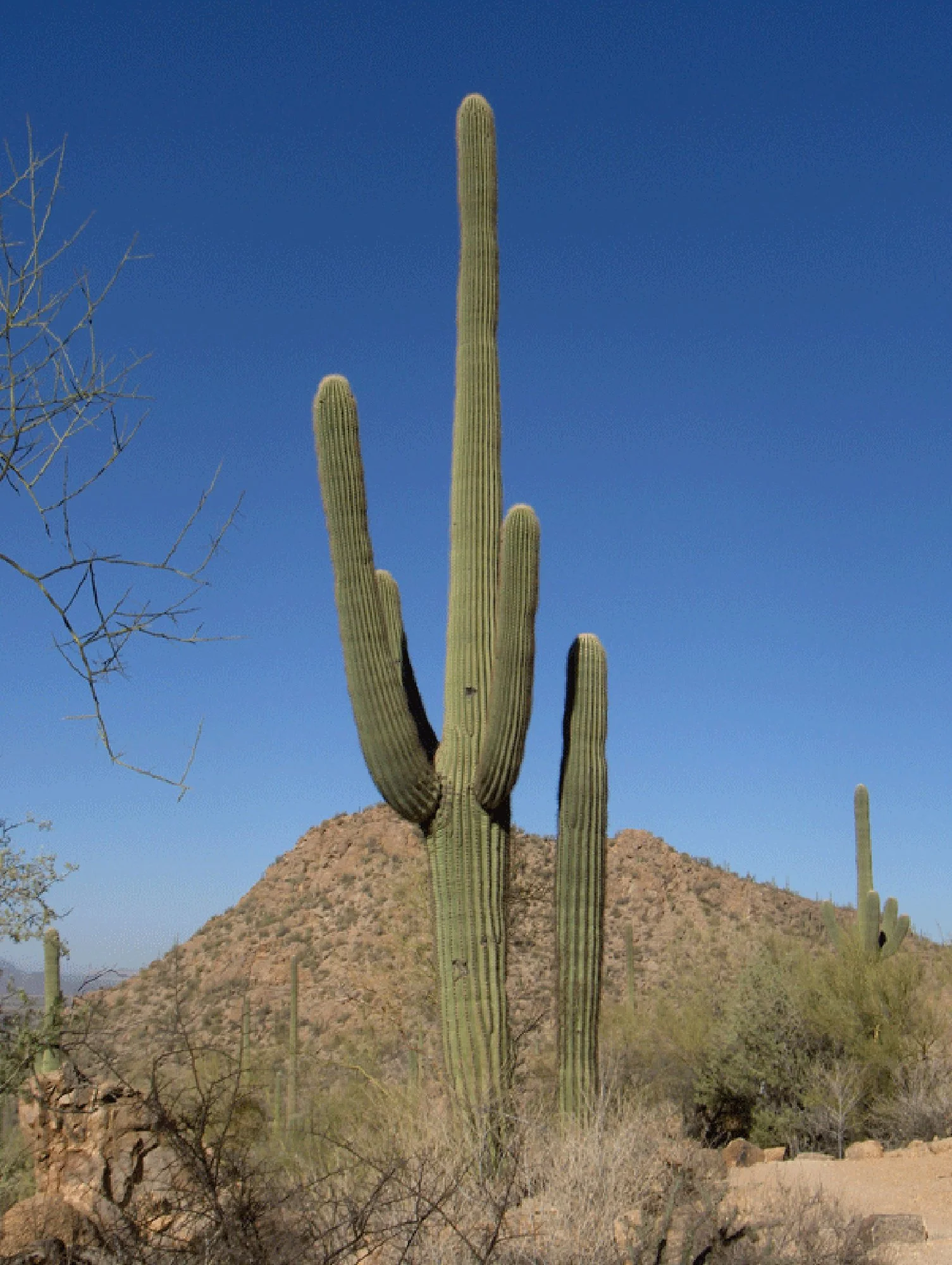 Image 1 of 6
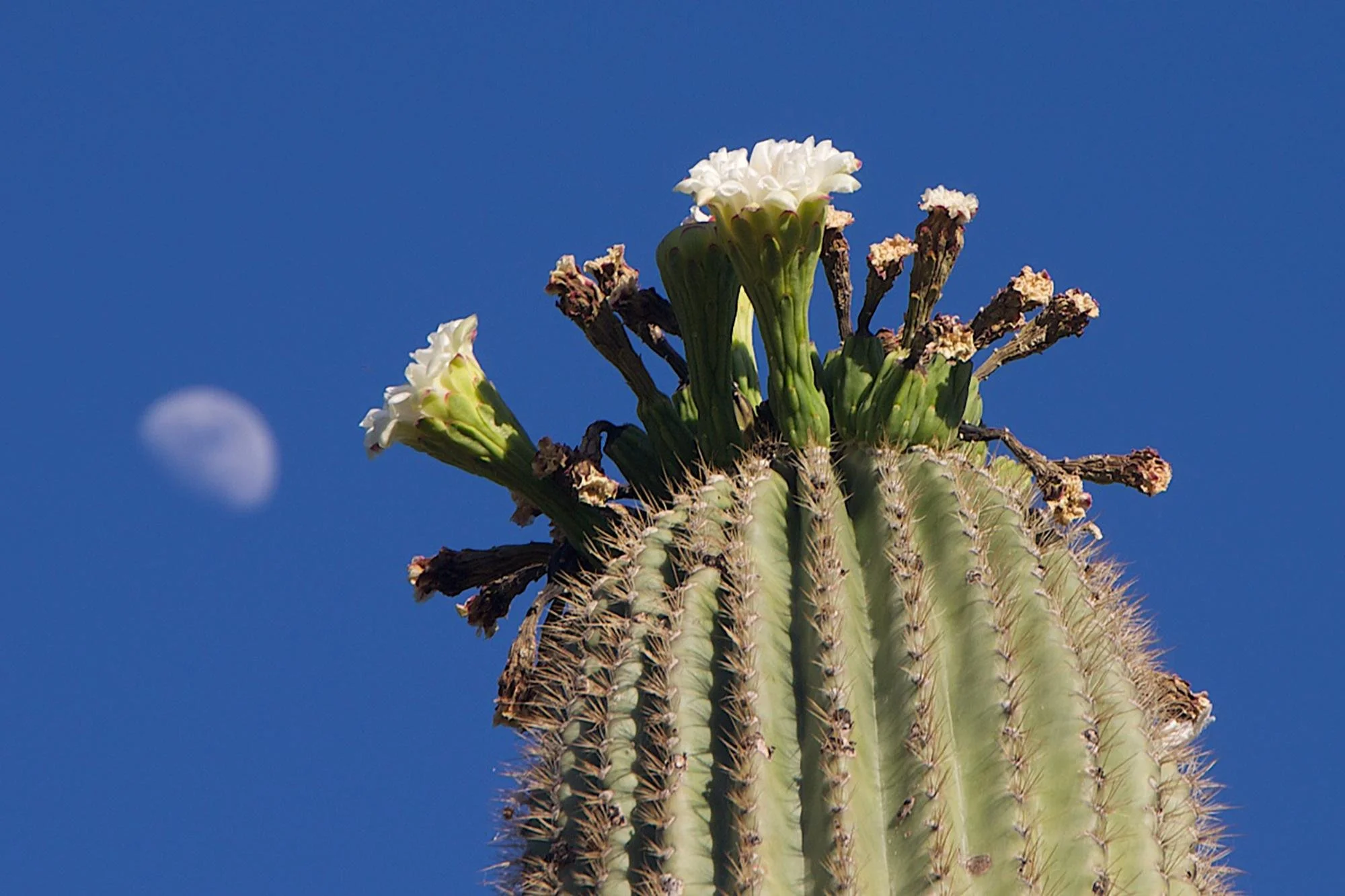 Image 2 of 6
 Image 3 of 6
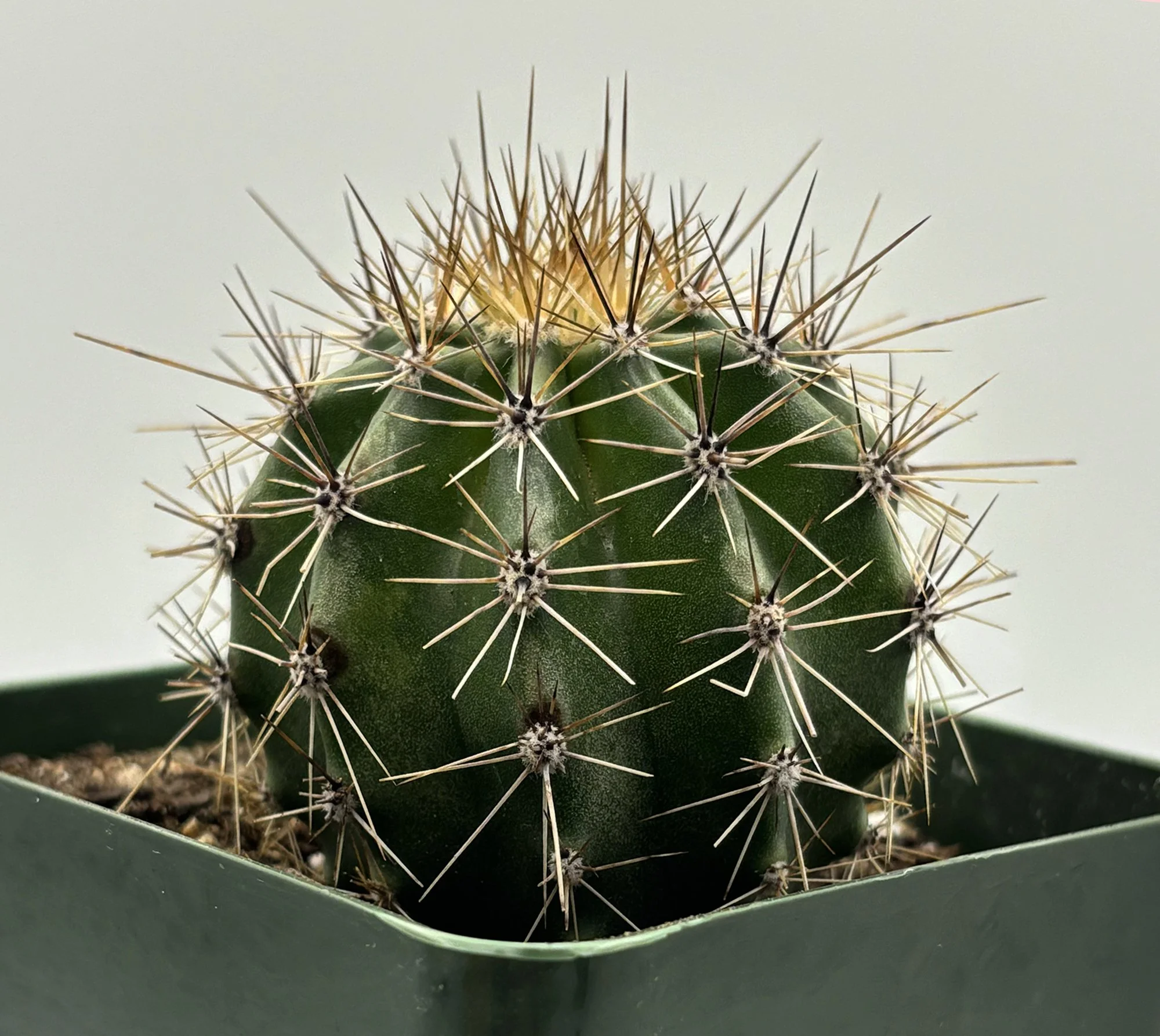 Image 4 of 6
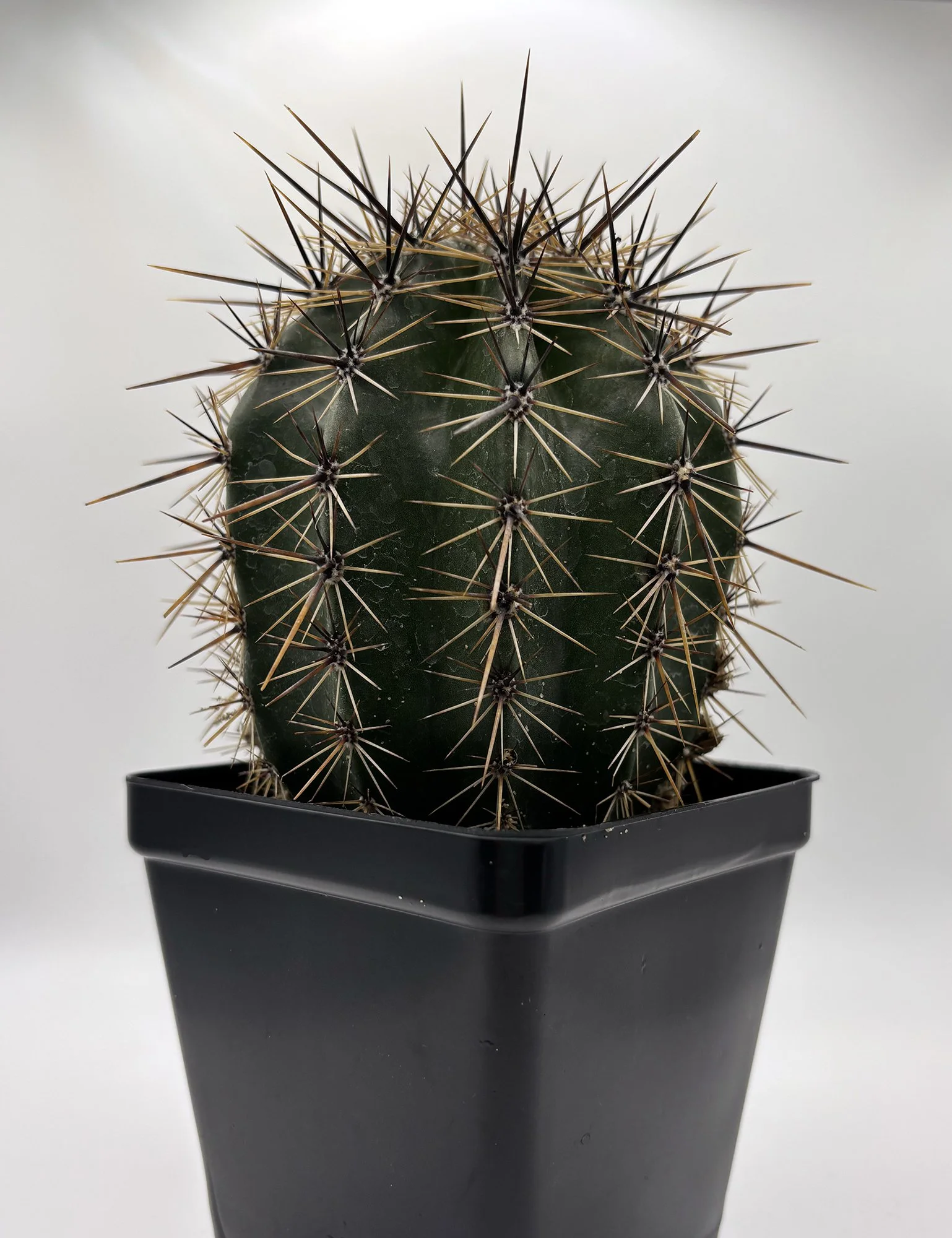 Image 5 of 6
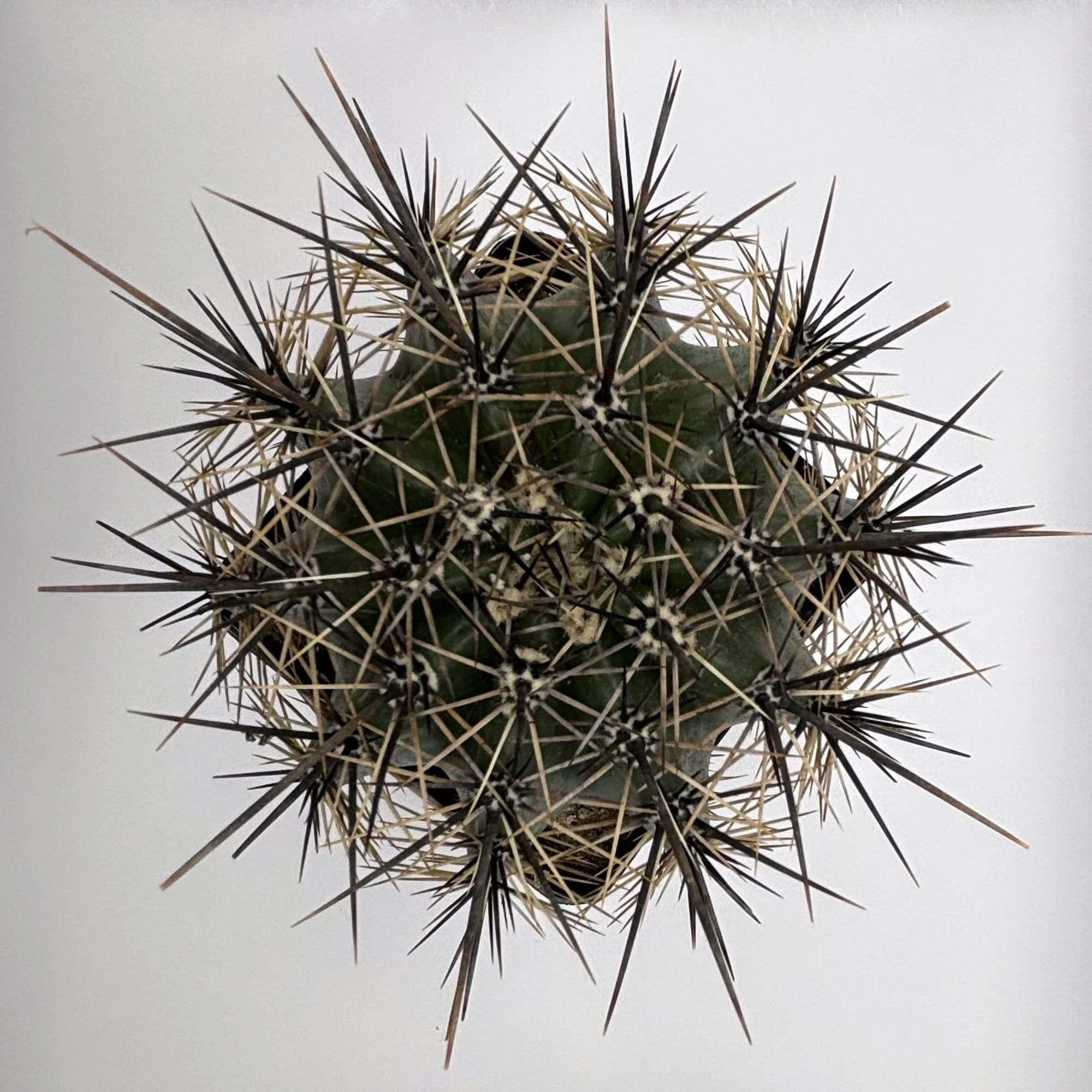 Image 6 of 6