Botanical Name: Chilopsis linearis
Common Names: Desert Willow
Chilopsis linearis, commonly known as Desert Willow, is a deciduous flowering tree native to the southwestern United States and northern Mexico. Known for its narrow, willow-like leaves and airy, graceful canopy, this tree adds elegance and movement to landscapes. From late spring through summer, it produces showy, trumpet-shaped flowers in shades of pink, lavender, or white, attracting hummingbirds, bees, and other pollinators. Its long blooming season, combined with a low-litter, open canopy, makes it an ideal choice for xeriscape gardens, desert landscapes, and urban plantings. Mature trees typically reach 15–30 feet tall and 10–20 feet wide, providing light shade without overwhelming the surrounding area.
Care and Cultivation:
Prefers full sun exposure for optimal growth and flowering
Water deeply but infrequently once established; drought-tolerant
Adaptable to poor, well-draining soils
Suitable for landscapes, street trees, and large container plantings
Ideal growing temperatures: 60–100°F (16–38°C)
Low-maintenance and highly resilient
Frost Tolerance and Cold Hardiness:
Best suited for USDA Zones 7–11
Cold hardy to about 0°F (-18°C) once established
Young trees benefit from frost protection
Winter Dormancy and Health:
Deciduous; drops leaves during winter months
Growth slows or stops during dormancy
Reduce watering in winter
Highly heat-tolerant and resistant to wind
Notes:
Long blooming season with fragrant, colorful flowers
Attracts hummingbirds, bees, and other pollinators
Low-litter, open canopy provides light shade
Excellent drought-tolerant ornamental tree for desert and dry-climate gardens
Botanical Name: Chilopsis linearis
Common Names: Desert Willow
Chilopsis linearis, commonly known as Desert Willow, is a deciduous flowering tree native to the southwestern United States and northern Mexico. Known for its narrow, willow-like leaves and airy, graceful canopy, this tree adds elegance and movement to landscapes. From late spring through summer, it produces showy, trumpet-shaped flowers in shades of pink, lavender, or white, attracting hummingbirds, bees, and other pollinators. Its long blooming season, combined with a low-litter, open canopy, makes it an ideal choice for xeriscape gardens, desert landscapes, and urban plantings. Mature trees typically reach 15–30 feet tall and 10–20 feet wide, providing light shade without overwhelming the surrounding area.
Care and Cultivation:
Prefers full sun exposure for optimal growth and flowering
Water deeply but infrequently once established; drought-tolerant
Adaptable to poor, well-draining soils
Suitable for landscapes, street trees, and large container plantings
Ideal growing temperatures: 60–100°F (16–38°C)
Low-maintenance and highly resilient
Frost Tolerance and Cold Hardiness:
Best suited for USDA Zones 7–11
Cold hardy to about 0°F (-18°C) once established
Young trees benefit from frost protection
Winter Dormancy and Health:
Deciduous; drops leaves during winter months
Growth slows or stops during dormancy
Reduce watering in winter
Highly heat-tolerant and resistant to wind
Notes:
Long blooming season with fragrant, colorful flowers
Attracts hummingbirds, bees, and other pollinators
Low-litter, open canopy provides light shade
Excellent drought-tolerant ornamental tree for desert and dry-climate gardens

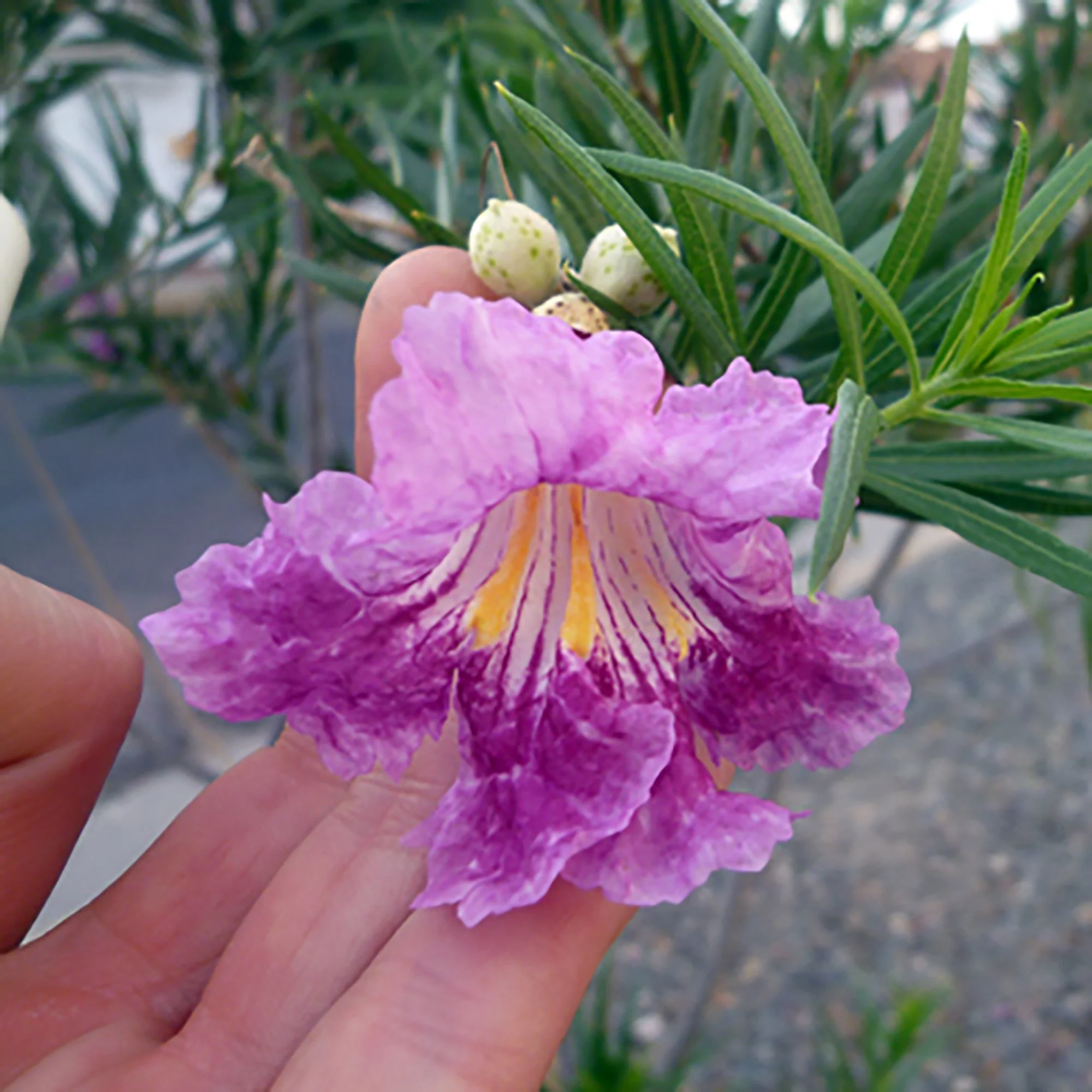 Image 1 of 7
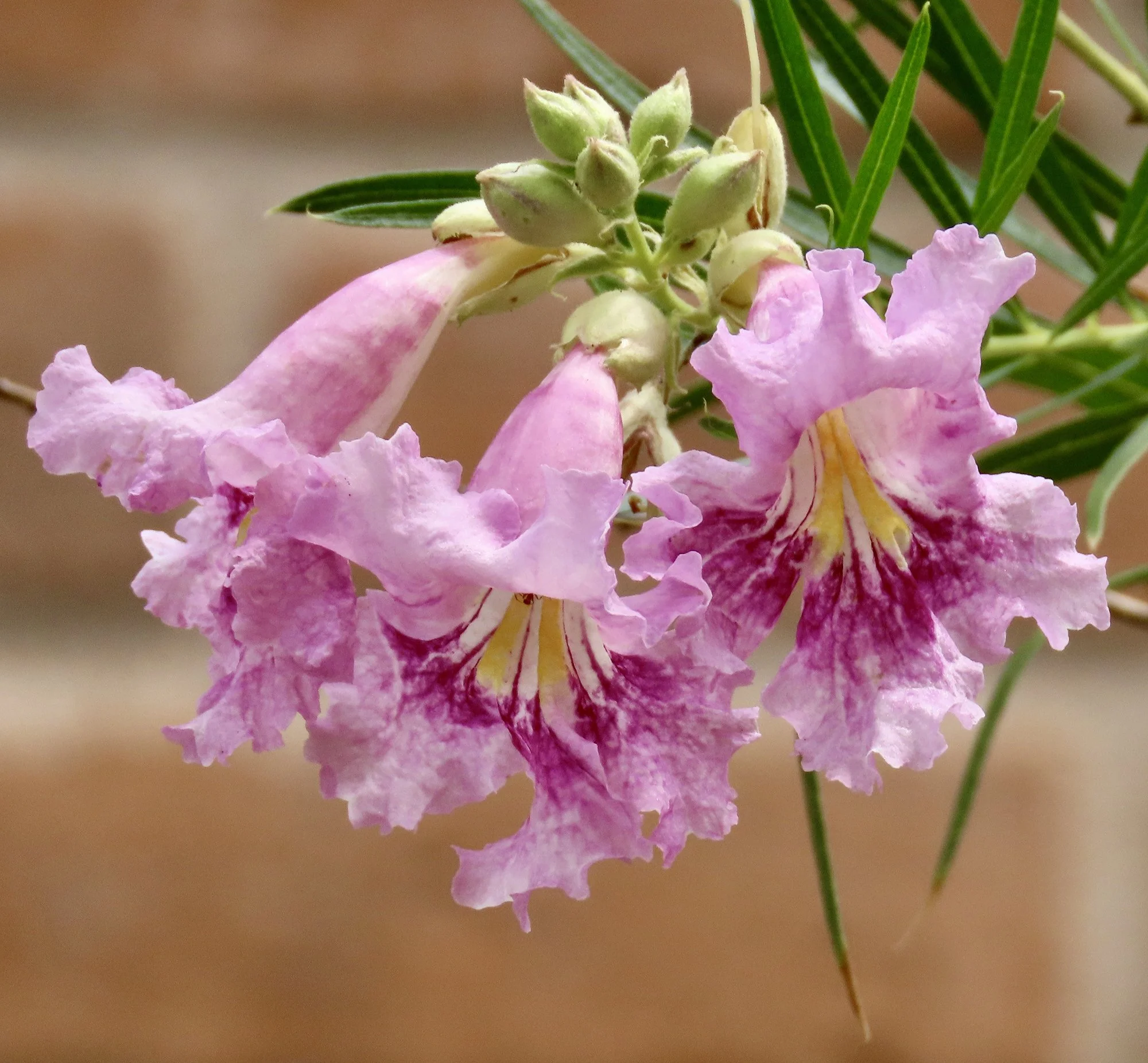 Image 2 of 7
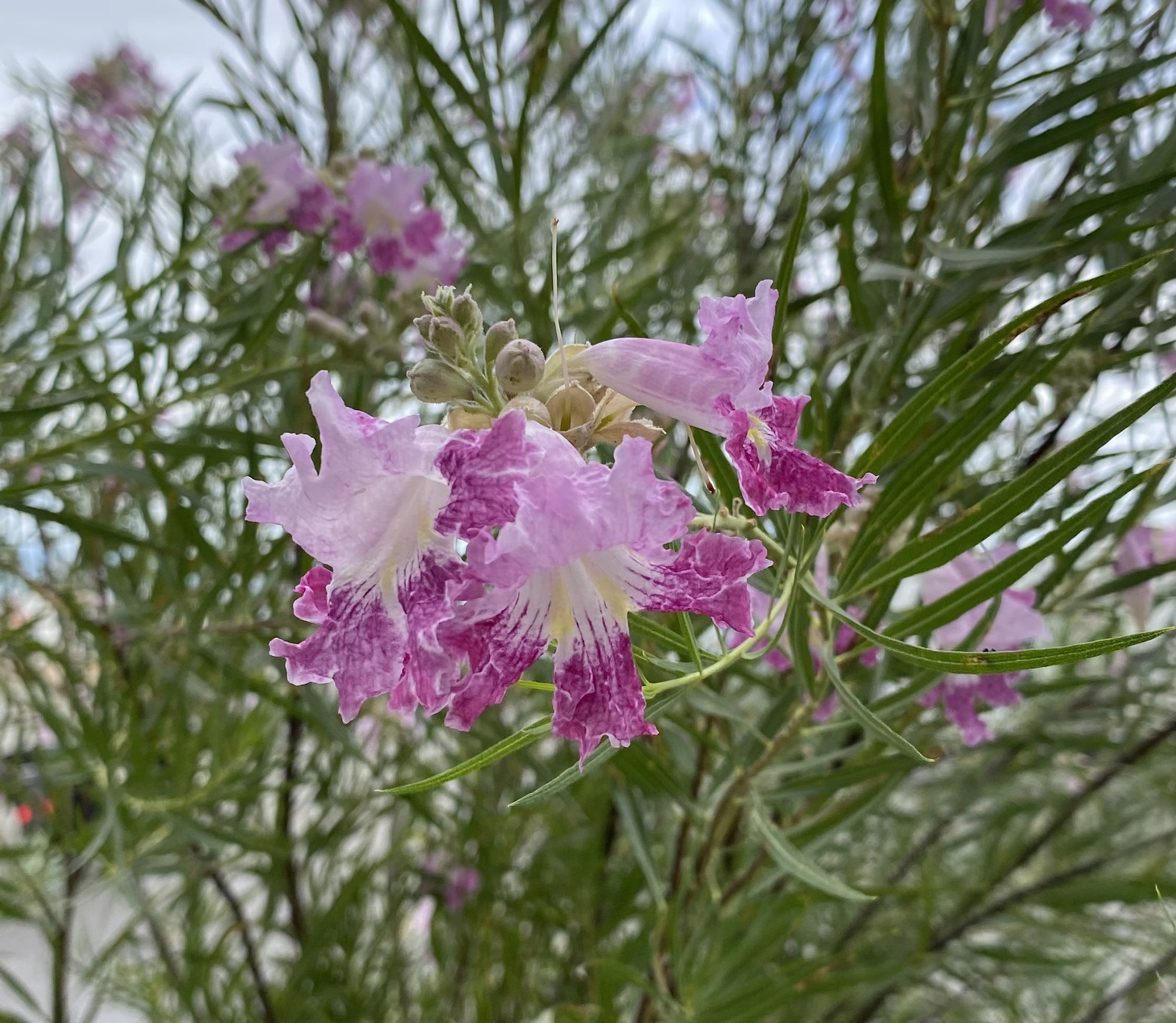 Image 3 of 7
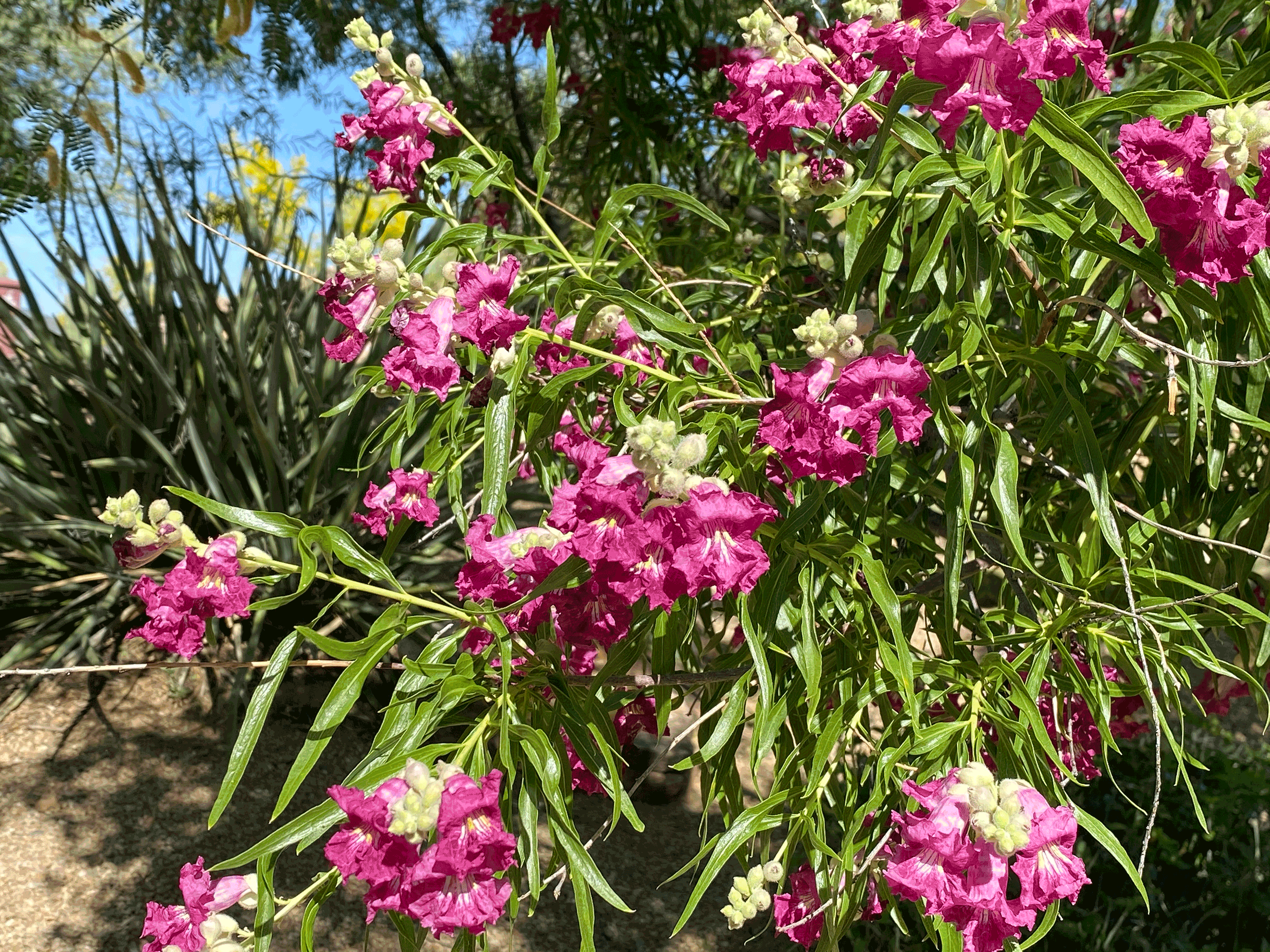 Image 4 of 7
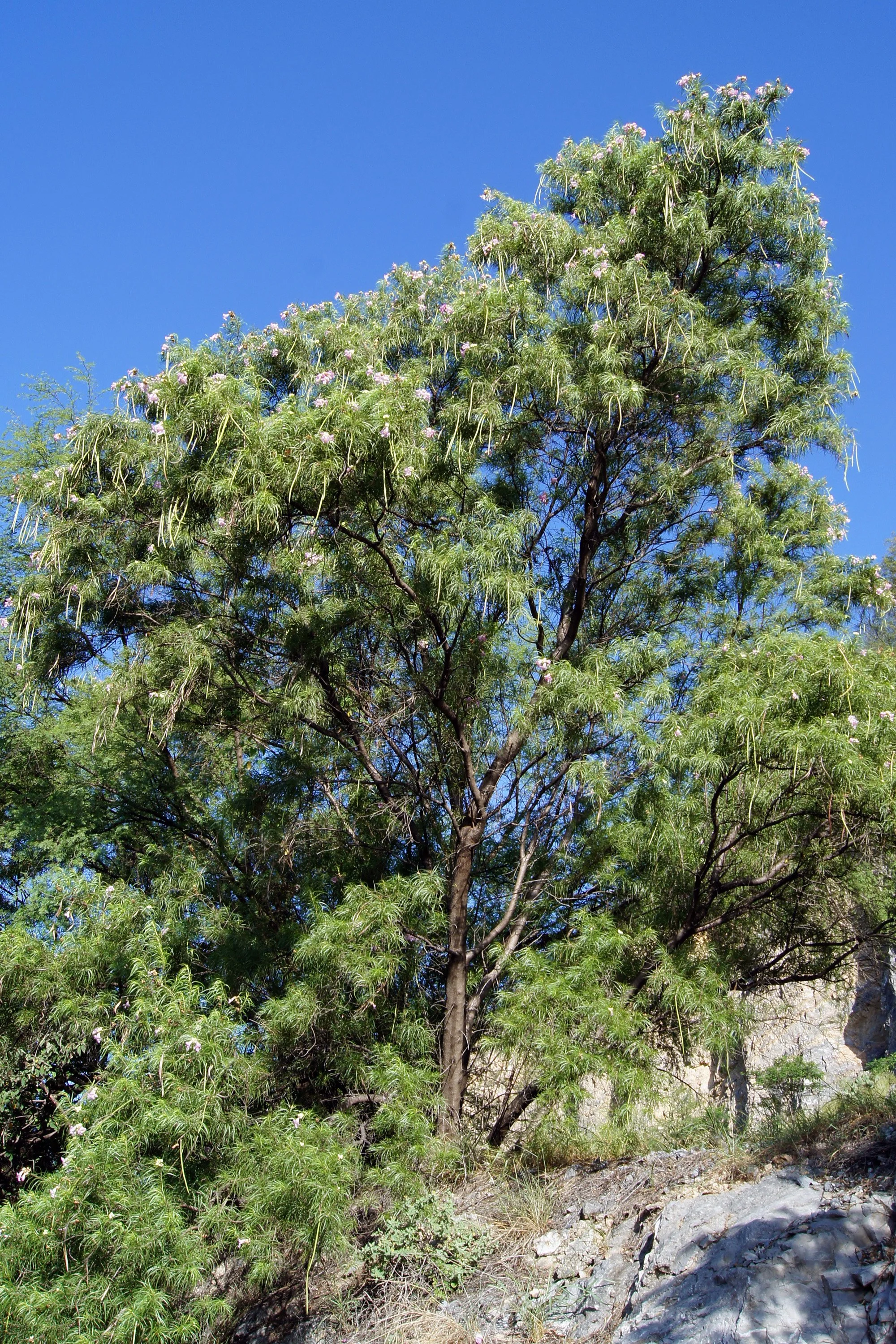 Image 5 of 7
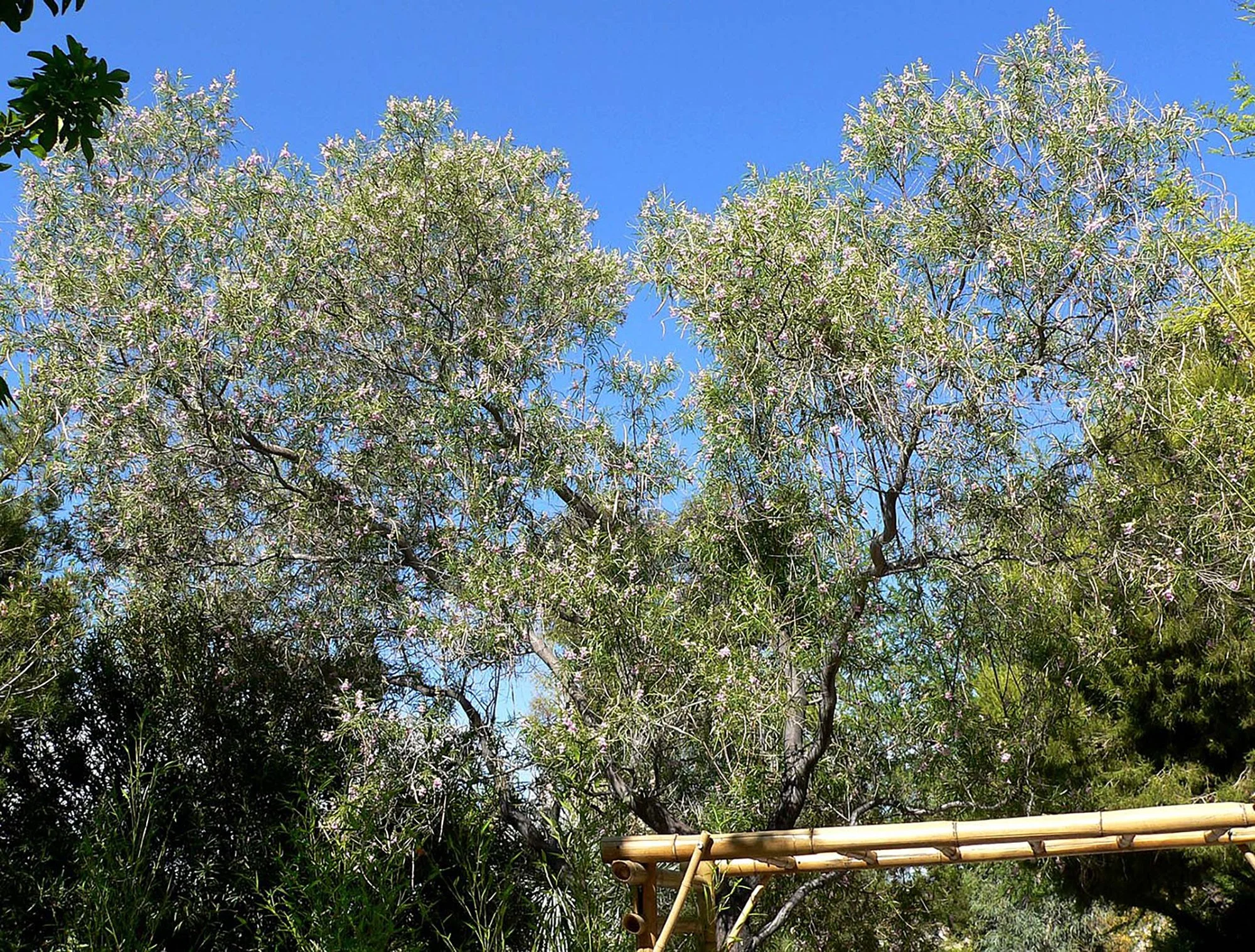 Image 6 of 7
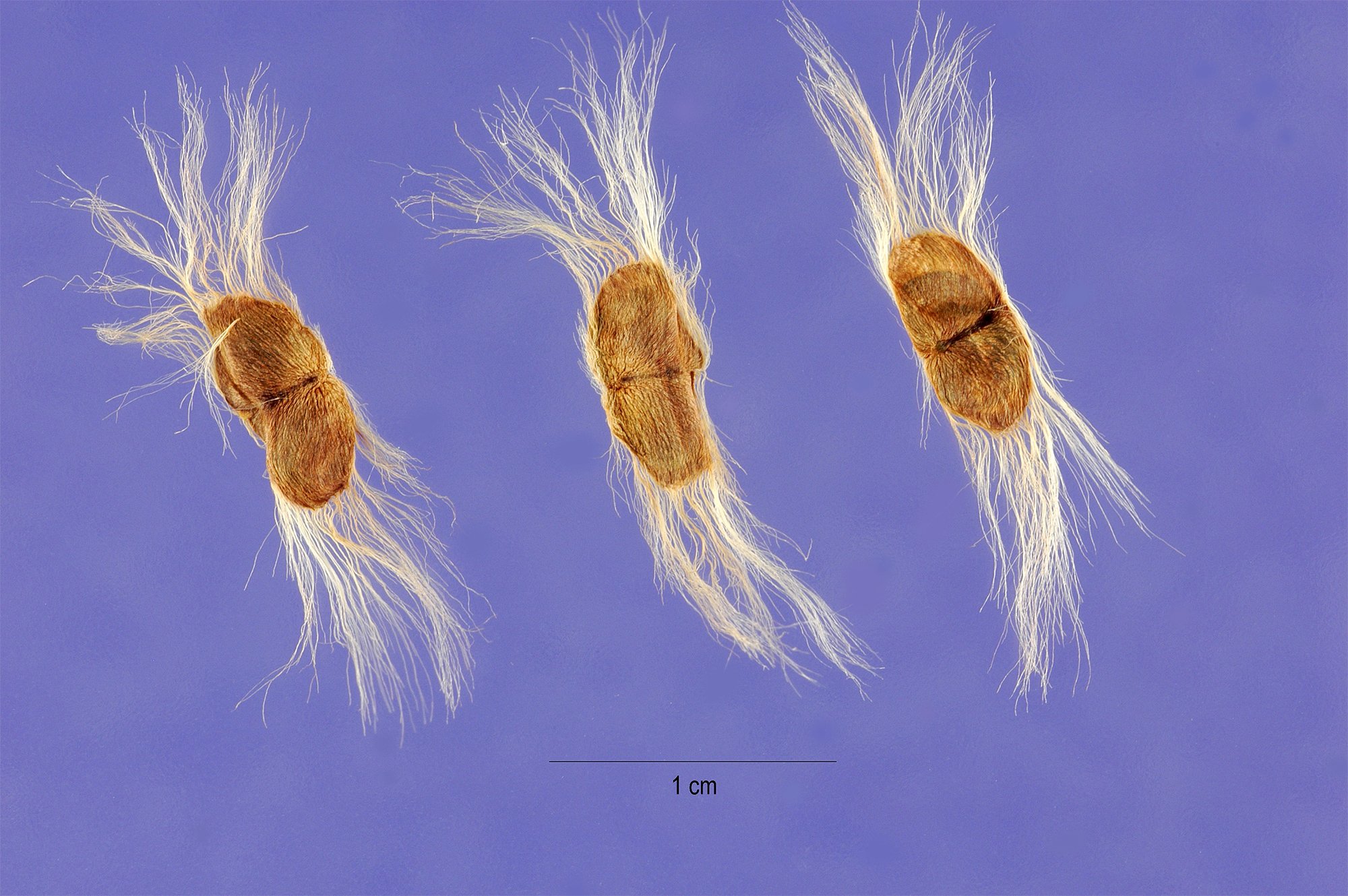 Image 7 of 7