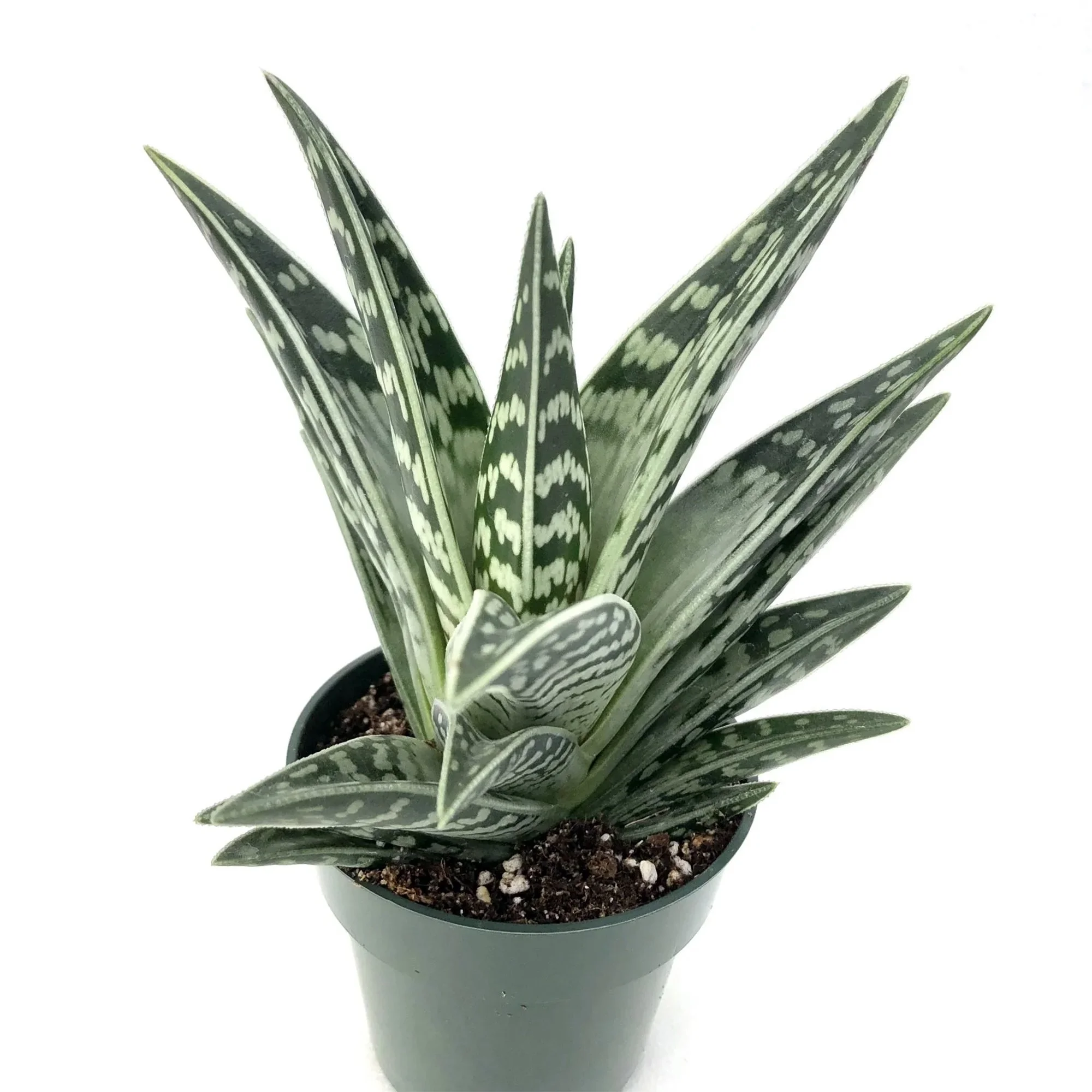
 Image 1 of 4
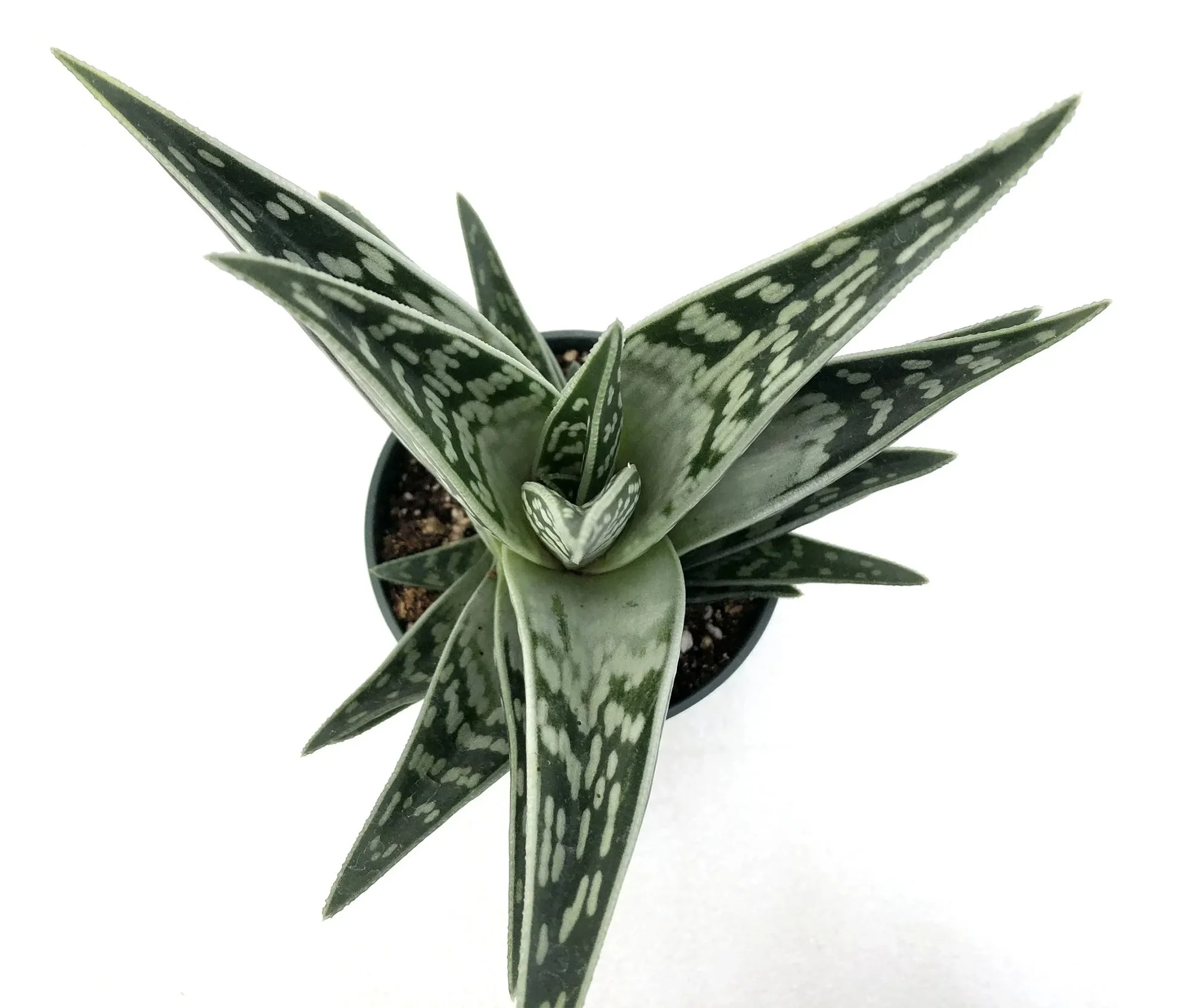
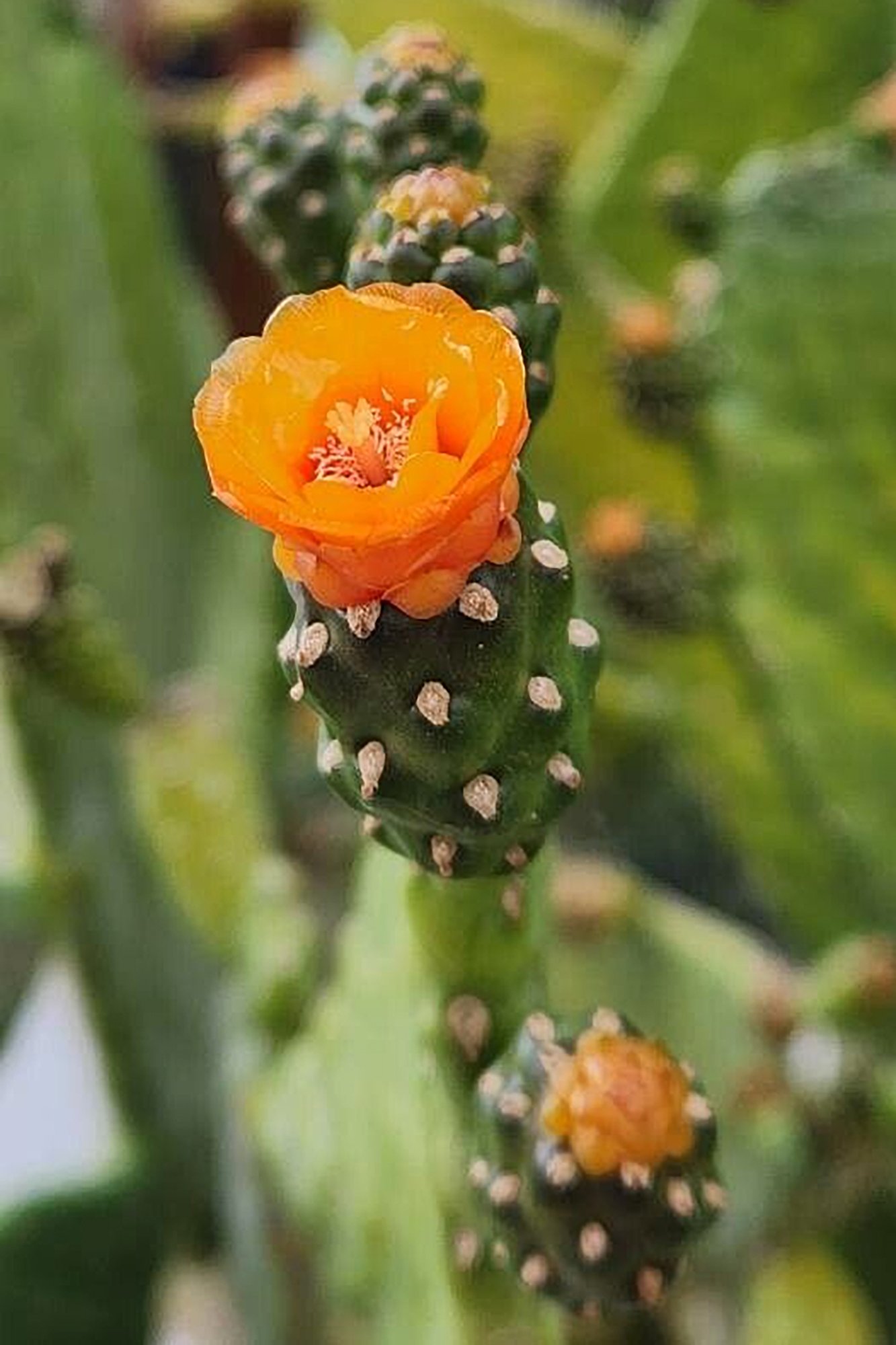 Image 2 of 4
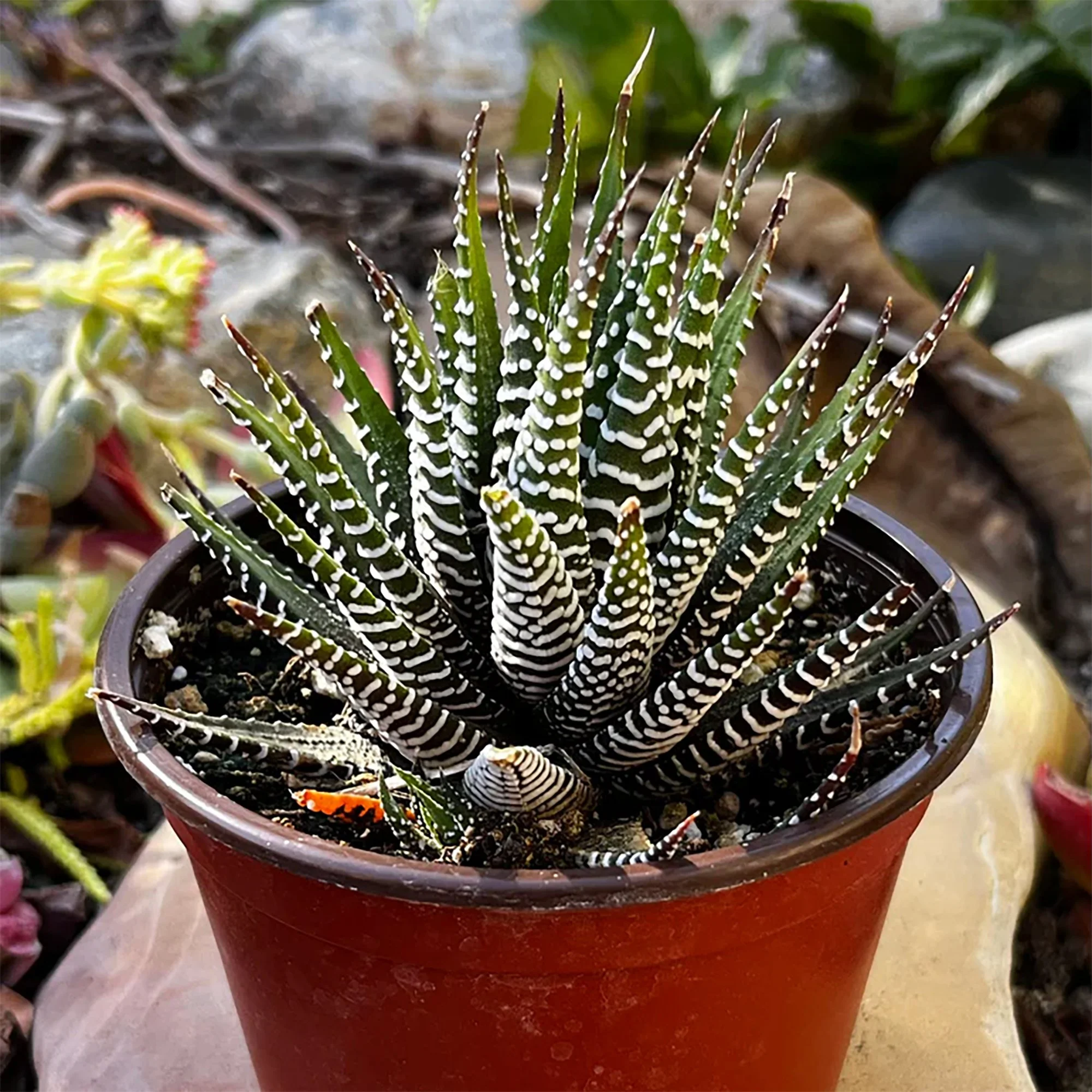
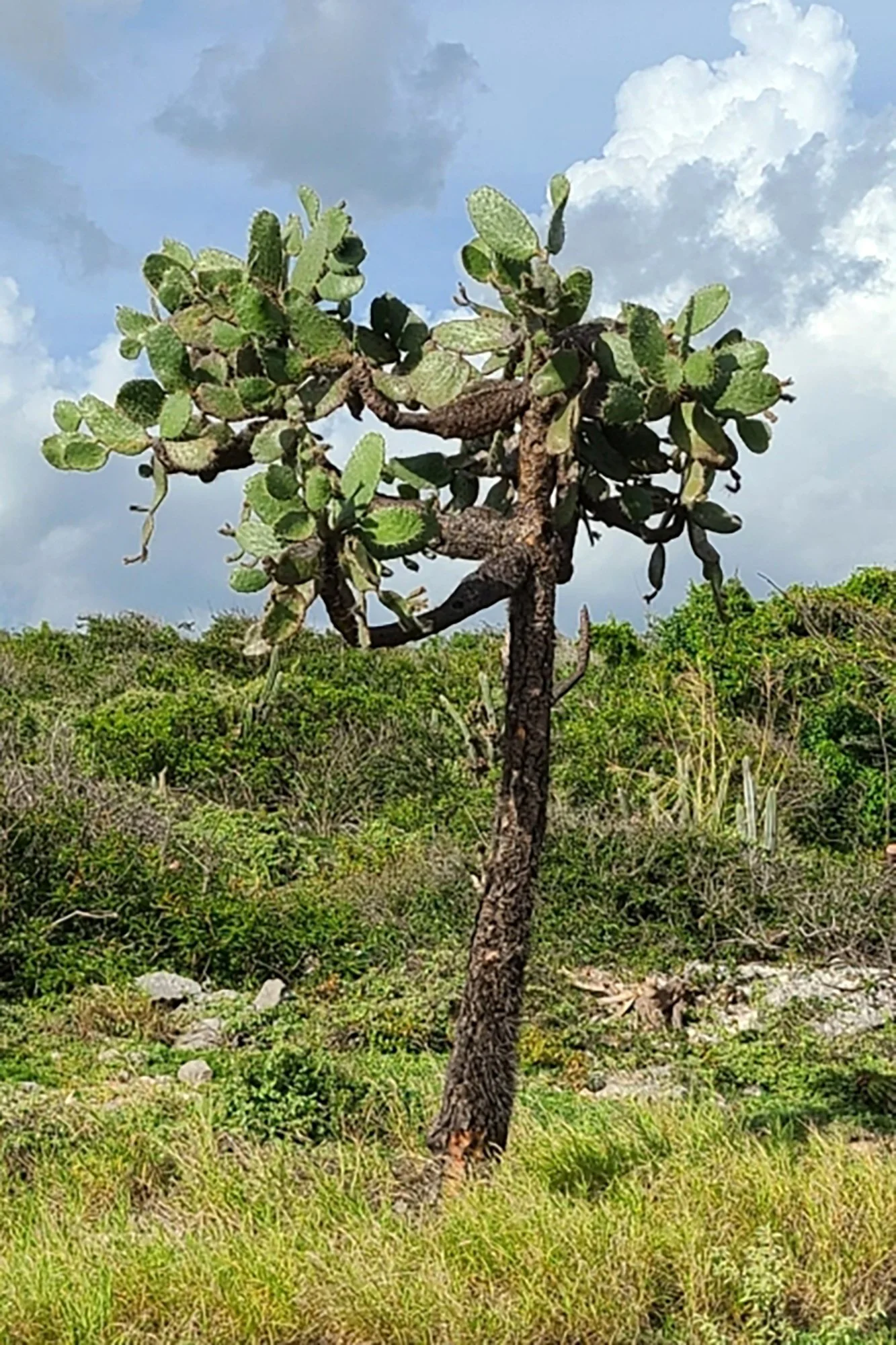 Image 3 of 4
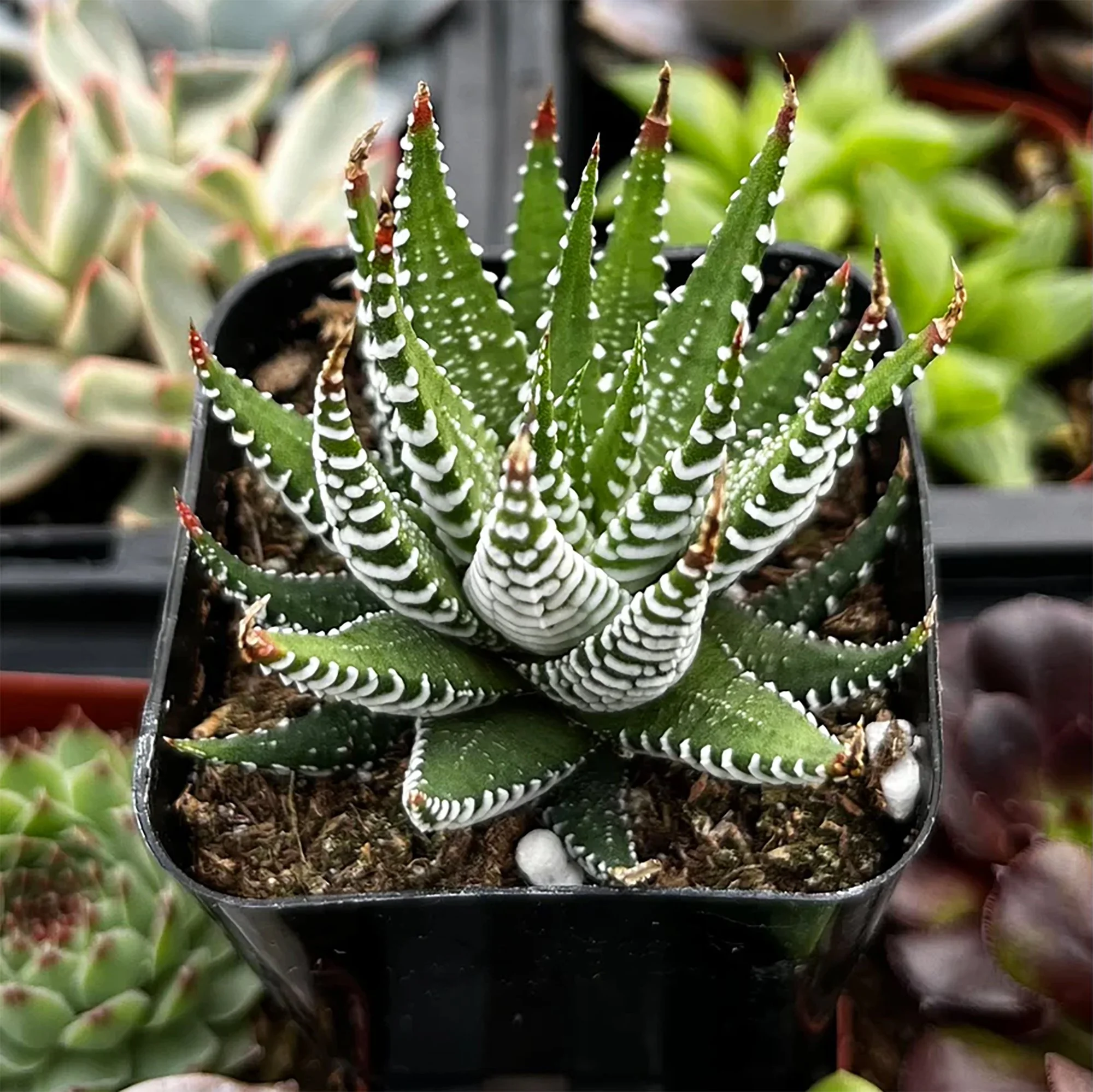
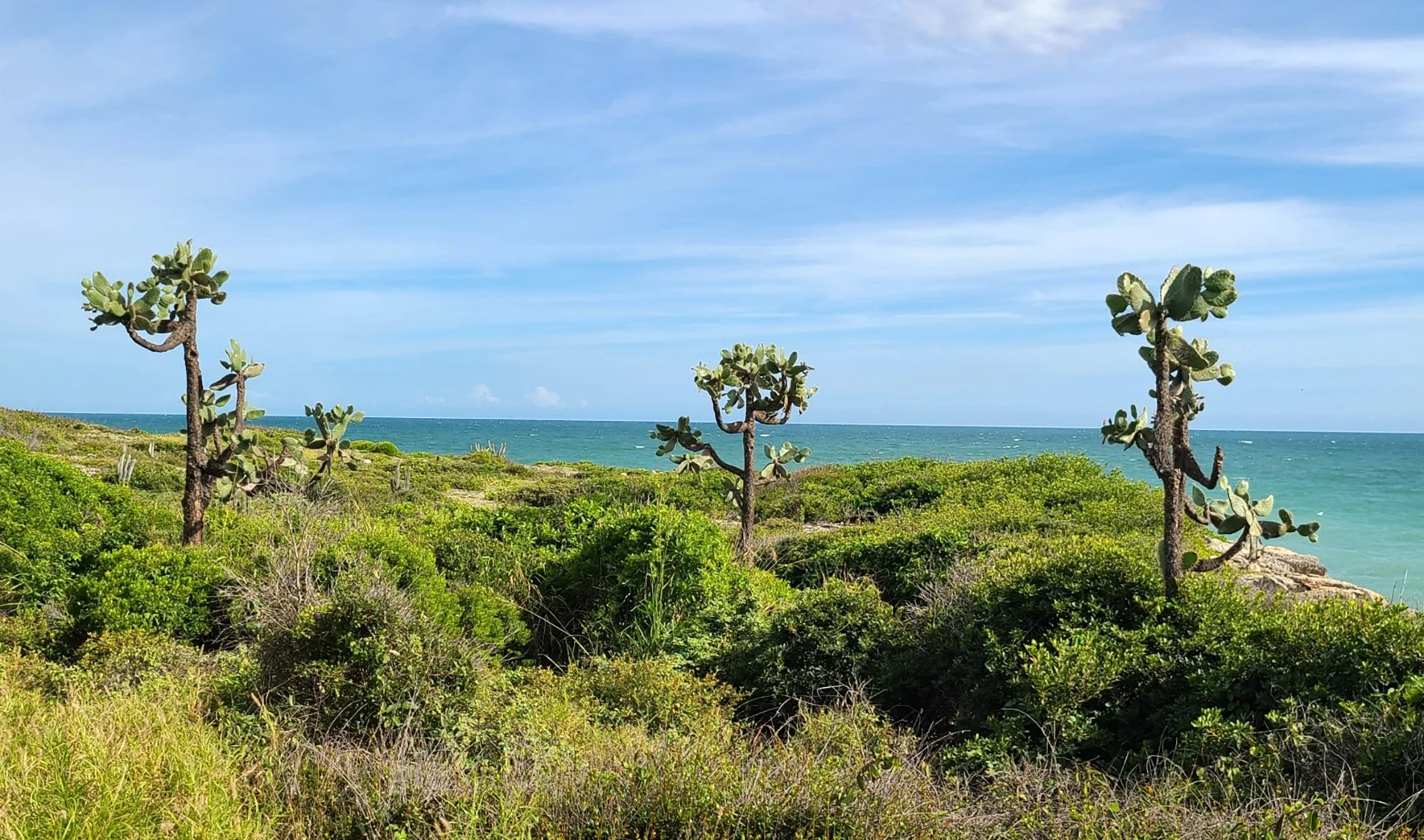 Image 4 of 4
Botanical Name: Consolea rubescens, Opuntia rubescens
Common Name: Road Kill Cactus, Red Blushing Paddle Cactus
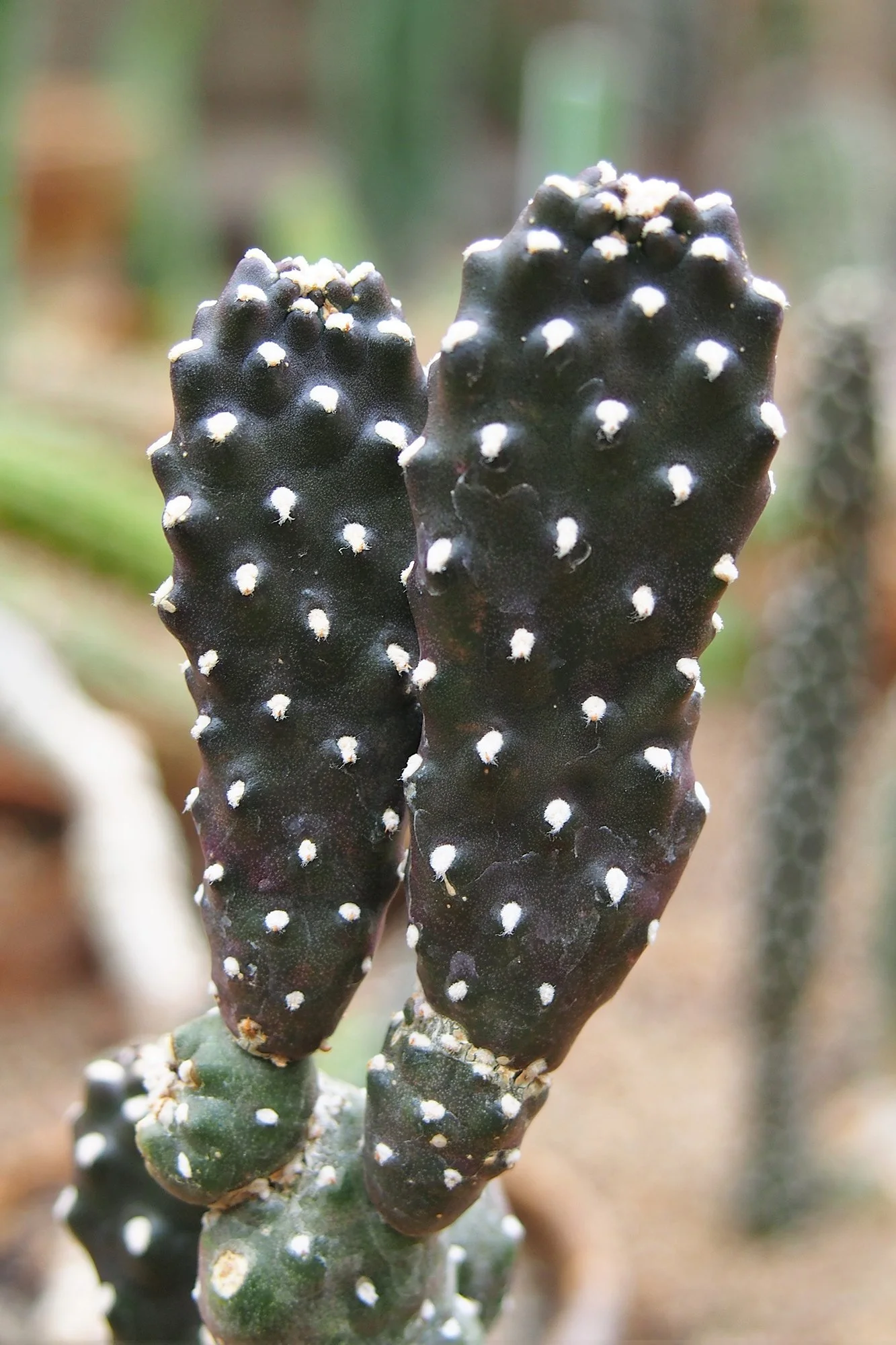
Consolea rubescens is a striking cactus native to the Caribbean and parts of southern Florida. It features elongated, flat paddle-shaped pads that develop red or burgundy tones under full sun. Hardy and drought-tolerant, this cactus can reach a mature height of 6–10 feet and a width of 4–6 feet, making it an impressive specimen for gardens, containers, or xeriscape landscapes.
Care and Cultivation:
Thrives in full sun to bright indirect light
Water sparingly; allow soil to dry completely between waterings
Use a well-draining cactus or succulent soil mix
Suitable for containers, raised beds, or xeriscape landscapes
Frost Tolerance and Cold Hardiness:
Best suited for USDA Zones 9–11
Can tolerate brief light frost, but prolonged freezing temperatures may cause damage
Protect or move indoors when temperatures drop below freezing
Winter Dormancy and Health:
Growth slows or stops during winter dormancy
Reduce watering significantly in colder months
Pads may appear slightly wrinkled or dull in winter—this is normal and not a sign of poor health
Note: Handle with care—pads have small spines and glochids
Botanical Name: Consolea rubescens, Opuntia rubescens
Common Name: Road Kill Cactus, Red Blushing Paddle Cactus
Consolea rubescens is a striking cactus native to the Caribbean and parts of southern Florida. It features elongated, flat paddle-shaped pads that develop red or burgundy tones under full sun. Hardy and drought-tolerant, this cactus can reach a mature height of 6–10 feet and a width of 4–6 feet, making it an impressive specimen for gardens, containers, or xeriscape landscapes.
Care and Cultivation:
Thrives in full sun to bright indirect light
Water sparingly; allow soil to dry completely between waterings
Use a well-draining cactus or succulent soil mix
Suitable for containers, raised beds, or xeriscape landscapes
Frost Tolerance and Cold Hardiness:
Best suited for USDA Zones 9–11
Can tolerate brief light frost, but prolonged freezing temperatures may cause damage
Protect or move indoors when temperatures drop below freezing
Winter Dormancy and Health:
Growth slows or stops during winter dormancy
Reduce watering significantly in colder months
Pads may appear slightly wrinkled or dull in winter—this is normal and not a sign of poor health
Note: Handle with care—pads have small spines and glochids