 Image 1 of 2
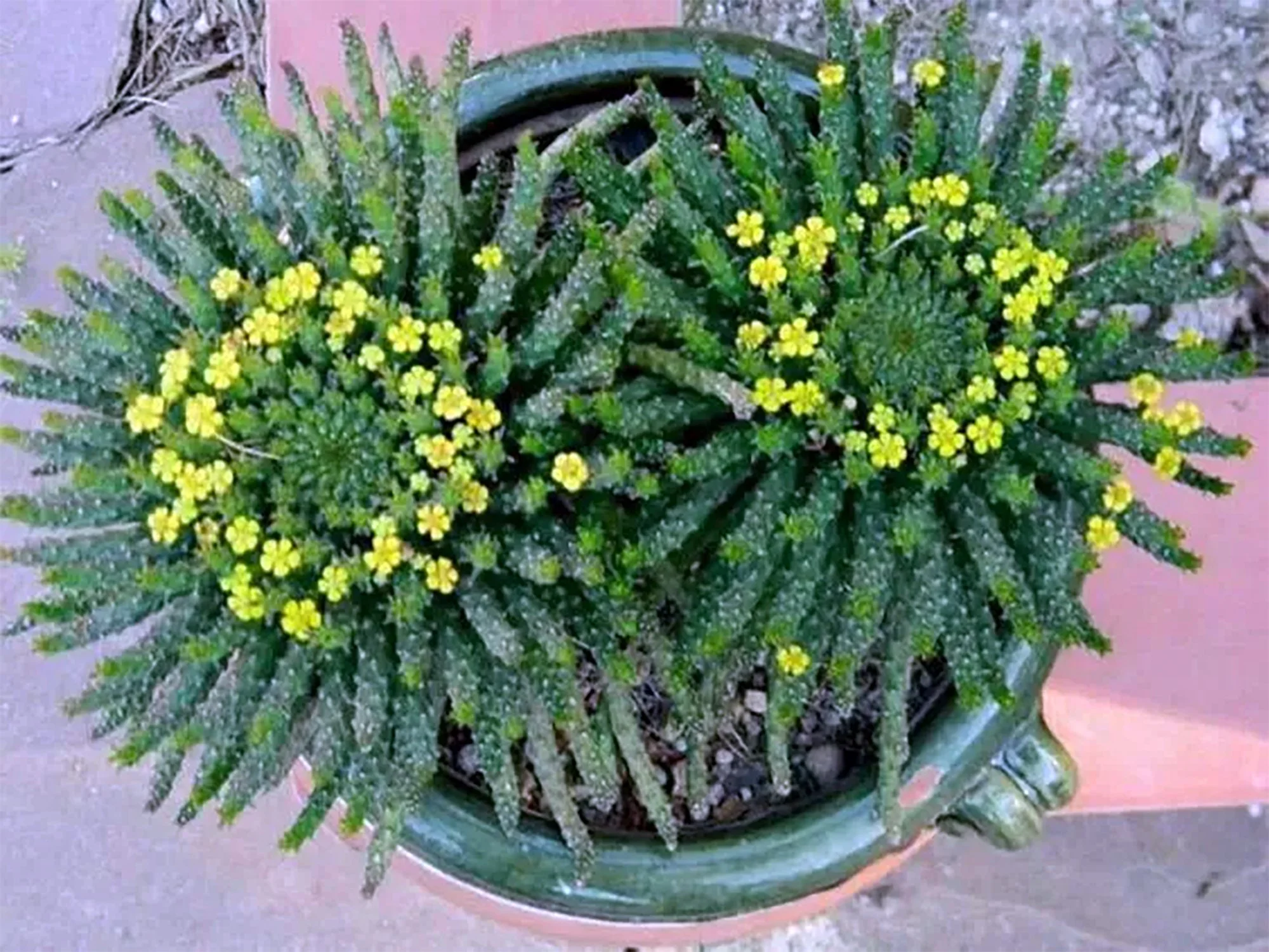 Image 2 of 2
Botanical Name: Euphorbia caput-medusae
Common Names: Medusa’s Head, Snake Plant Euphorbia
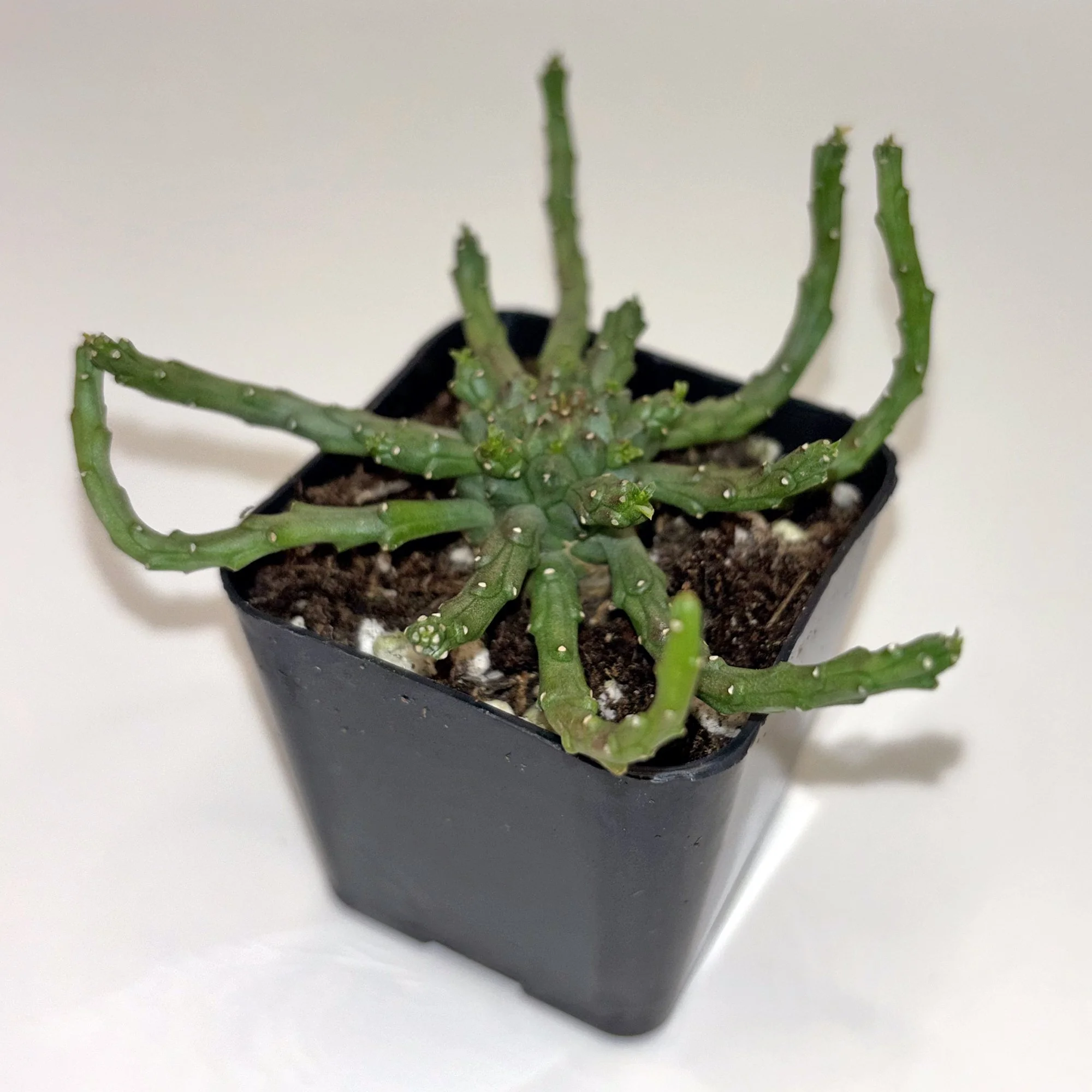
Euphorbia caput-medusae, commonly known as Medusa’s Head or Snake Plant Euphorbia, is a striking and unique succulent native to South Africa. This architectural plant develops a low, central caudex from which dozens of twisting, snake-like stems radiate outward, creating its signature “Medusa’s head” appearance. Its sprawling form adds immediate sculptural interest, making it an exceptional choice for collectors and succulent enthusiasts who appreciate unusual and visually captivating plants. Mature specimens typically reach 6–12 inches in height while spreading 2–3 feet wide, making them perfect for containers, rock gardens, or as a centerpiece in mixed succulent arrangements. Euphorbia caput-medusae combines dramatic visual impact with minimal care requirements, making it a standout choice for succulent enthusiasts and collectors seeking architectural, low-maintenance plants with bold, sculptural character.
Care and Cultivation:
Prefers full sun to bright light to maintain strong growth and vibrant stem coloration
Water sparingly, allowing soil to dry completely between waterings
Use a well-draining succulent or cactus soil mix to prevent root rot
Ideal for containers, rock gardens, and decorative succulent displays
Ideal growing temperatures: 65–85°F (18–29°C)
Best suited for USDA Zones 9–11
Low-maintenance and drought-tolerant once established
Frost Tolerance and Cold Hardiness:
Not frost-tolerant; protect from temperatures below 32°F (0°C)
Sensitive to prolonged cold and wet conditions, which can damage stems and roots
Winter Dormancy and Health:
Growth slows significantly during cooler months
Reduce watering during dormancy
Maintain bright light to prevent etiolation and preserve compact form
Notes:
Unique, sprawling, snake-like stems create striking architectural interest
Compact caudex stores water, supporting resilience in dry periods
Low-maintenance and easy to grow once established
Excellent for container displays, rock gardens, or as a centerpiece in succulent collections
Adds texture, movement, and sculptural appeal to any plant arrangement
Botanical Name: Euphorbia caput-medusae
Common Names: Medusa’s Head, Snake Plant Euphorbia
Euphorbia caput-medusae, commonly known as Medusa’s Head or Snake Plant Euphorbia, is a striking and unique succulent native to South Africa. This architectural plant develops a low, central caudex from which dozens of twisting, snake-like stems radiate outward, creating its signature “Medusa’s head” appearance. Its sprawling form adds immediate sculptural interest, making it an exceptional choice for collectors and succulent enthusiasts who appreciate unusual and visually captivating plants. Mature specimens typically reach 6–12 inches in height while spreading 2–3 feet wide, making them perfect for containers, rock gardens, or as a centerpiece in mixed succulent arrangements. Euphorbia caput-medusae combines dramatic visual impact with minimal care requirements, making it a standout choice for succulent enthusiasts and collectors seeking architectural, low-maintenance plants with bold, sculptural character.
Care and Cultivation:
Prefers full sun to bright light to maintain strong growth and vibrant stem coloration
Water sparingly, allowing soil to dry completely between waterings
Use a well-draining succulent or cactus soil mix to prevent root rot
Ideal for containers, rock gardens, and decorative succulent displays
Ideal growing temperatures: 65–85°F (18–29°C)
Best suited for USDA Zones 9–11
Low-maintenance and drought-tolerant once established
Frost Tolerance and Cold Hardiness:
Not frost-tolerant; protect from temperatures below 32°F (0°C)
Sensitive to prolonged cold and wet conditions, which can damage stems and roots
Winter Dormancy and Health:
Growth slows significantly during cooler months
Reduce watering during dormancy
Maintain bright light to prevent etiolation and preserve compact form
Notes:
Unique, sprawling, snake-like stems create striking architectural interest
Compact caudex stores water, supporting resilience in dry periods
Low-maintenance and easy to grow once established
Excellent for container displays, rock gardens, or as a centerpiece in succulent collections
Adds texture, movement, and sculptural appeal to any plant arrangement