 Image 1 of 3
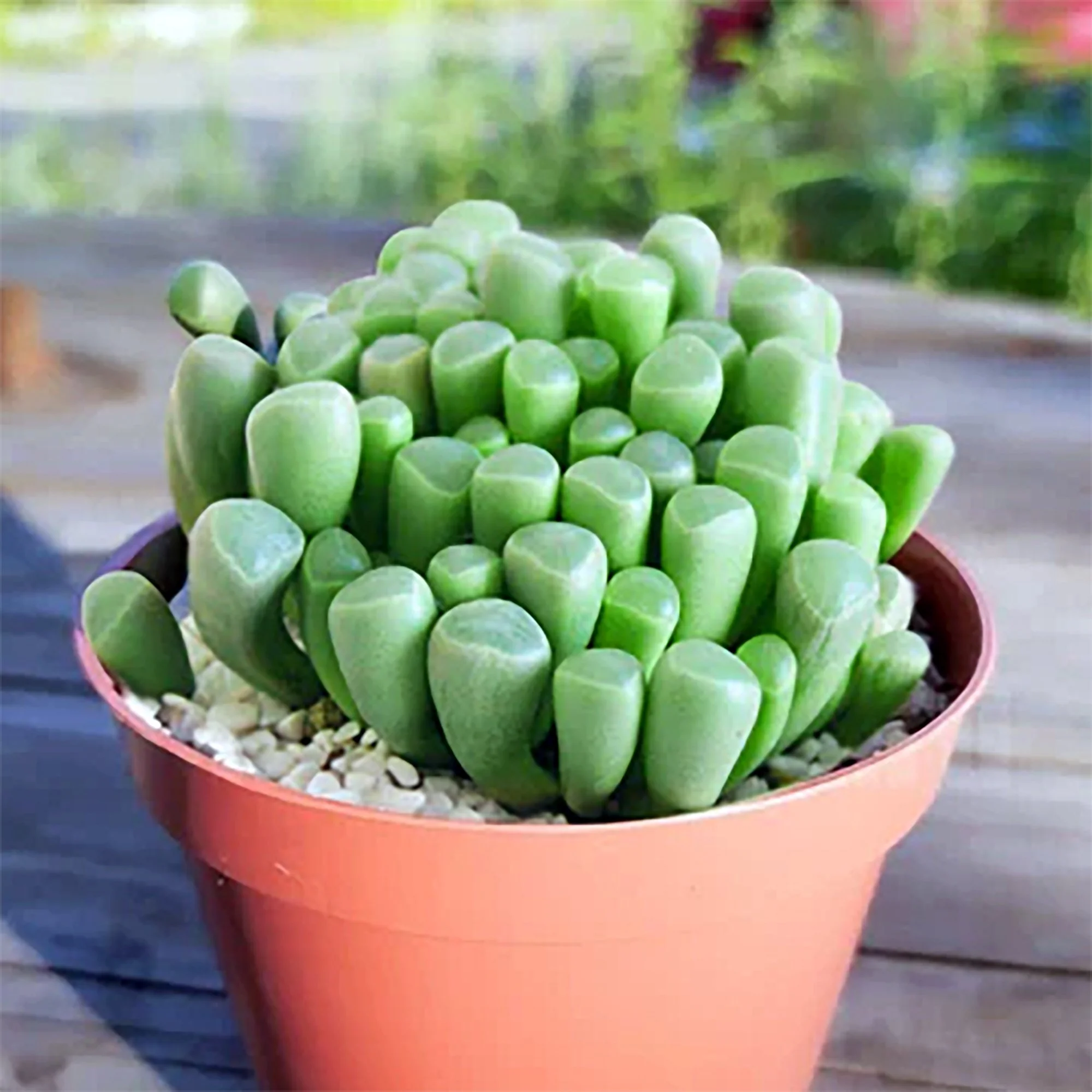 Image 2 of 3
 Image 3 of 3
Botanical Name: Fenestraria aurantiaca
Common Names: Baby Toes, Window Plant
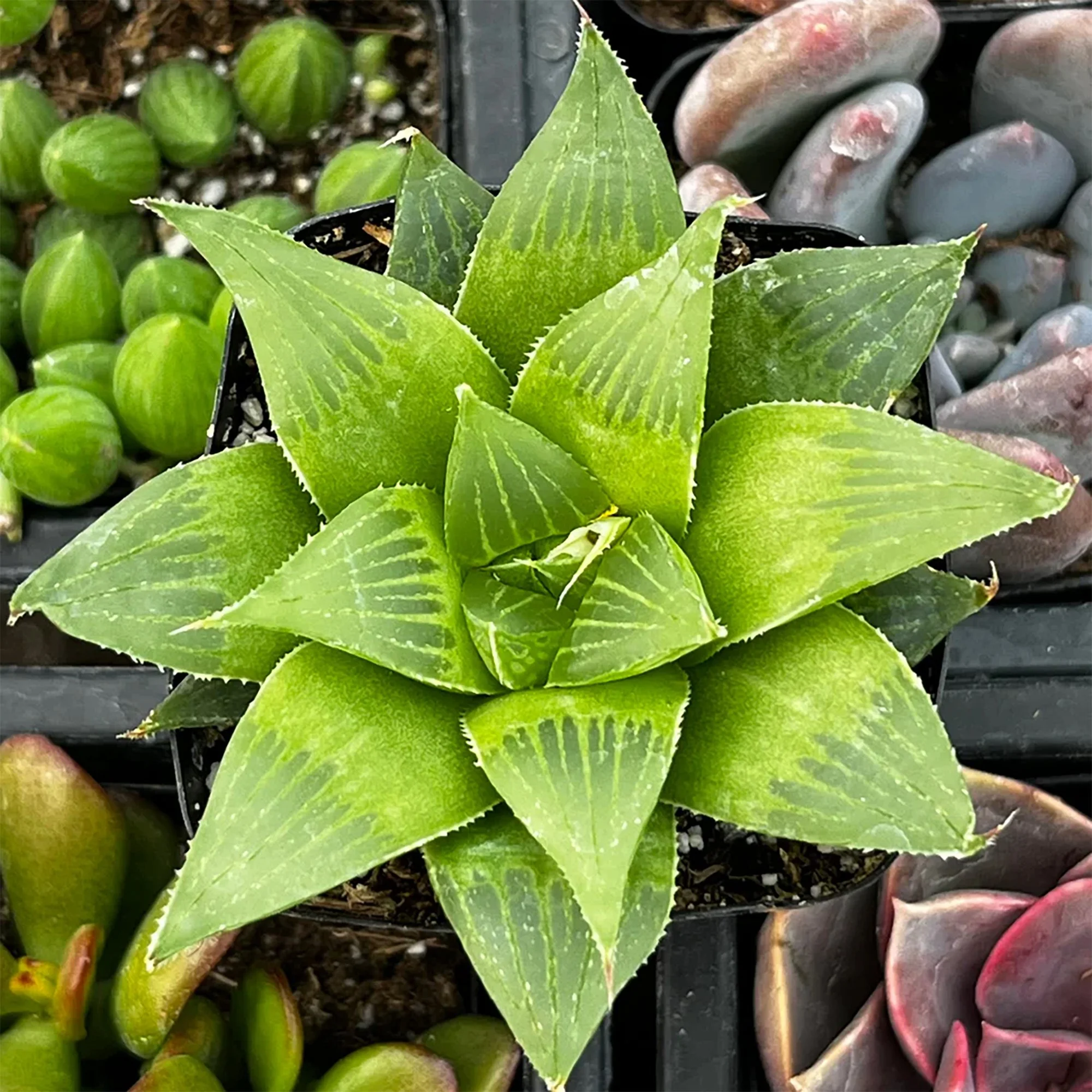
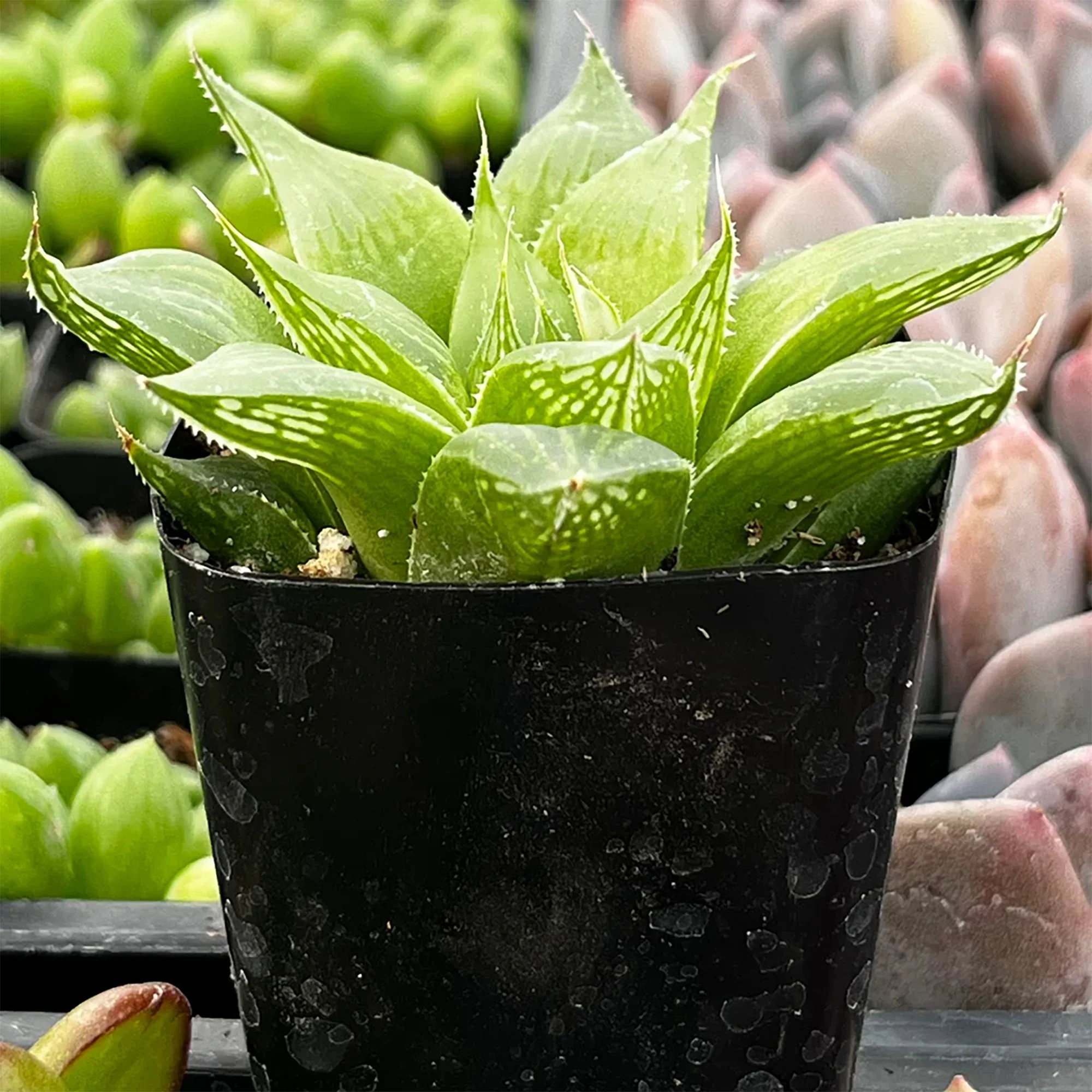
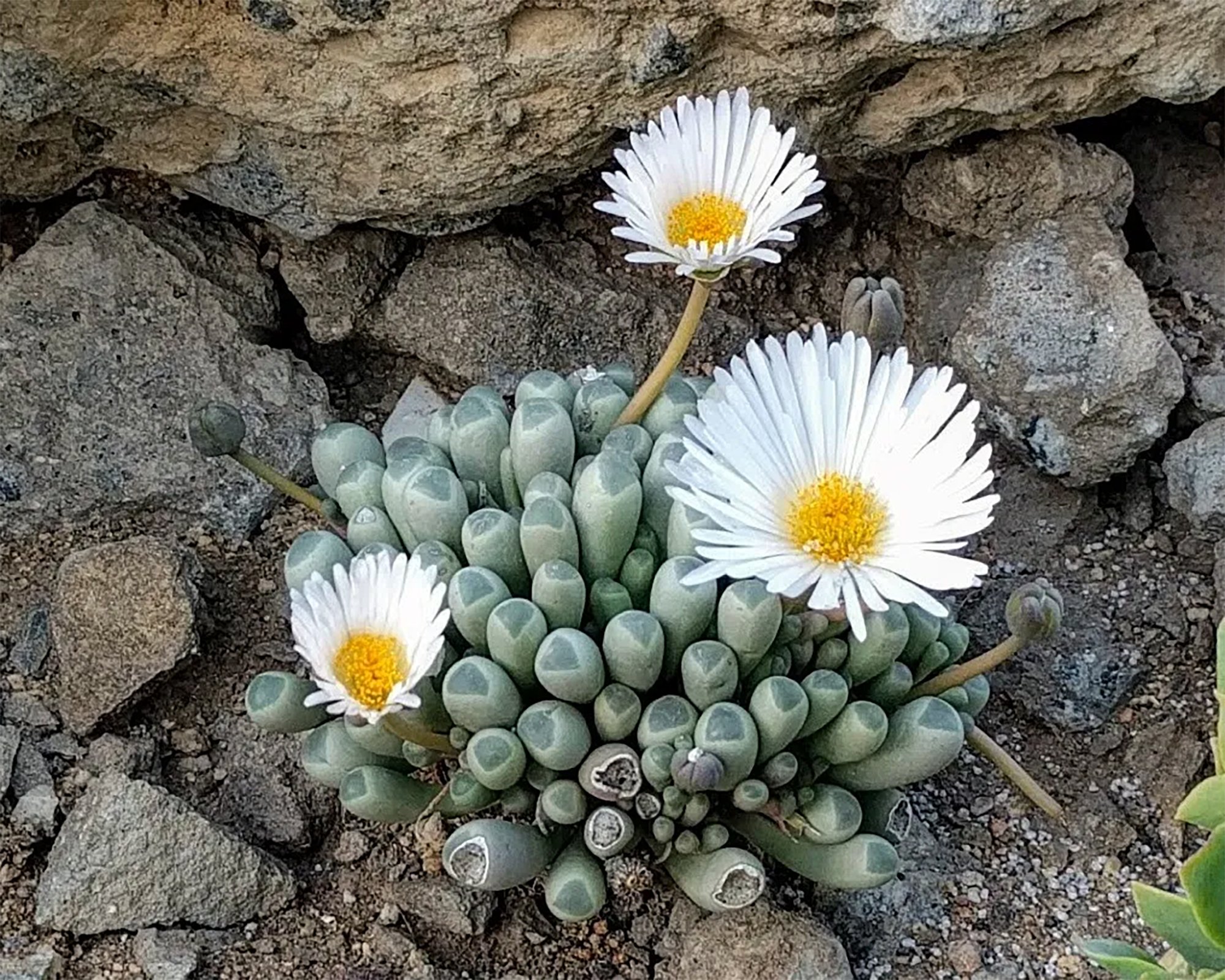
Fenestraria aurantiaca is a charming, low-growing succulent native to the coastal deserts of Namibia and South Africa. It is known for its thick, upright, cylindrical leaves with translucent “windowed” tips that allow light to reach internal tissues. This species forms tight clumps over time and produces bright yellow to orange daisy-like flowers that open in full sun. Compact and unique, it is ideal for shallow containers and succulent collections. Mature plants typically reach 2–4 inches tall and 4–6 inches wide.
Care and Cultivation:
Prefers bright light to full sun
Water sparingly; allow soil to dry between waterings
Use a very fast-draining cactus or succulent soil mix
Best grown in shallow pots with excellent drainage
Frost Tolerance and Cold Hardiness:
Best suited for USDA Zones 9–11
Not frost-tolerant; protect from temperatures below 32°F (0°C)
Ideal growing temperatures: 60–85°F (16–29°C)
Winter Dormancy and Health:
Growth slows in winter
Reduce watering significantly during dormancy
Avoid excess moisture to prevent rot
Maintain bright light year-round
Notes:
“Windowed” leaf tips are adapted for intense sun environments
Produces bright daisy-like flowers in strong light
Compact, clumping habit
Excellent for collectors and small containers
Botanical Name: Fenestraria aurantiaca
Common Names: Baby Toes, Window Plant
Fenestraria aurantiaca is a charming, low-growing succulent native to the coastal deserts of Namibia and South Africa. It is known for its thick, upright, cylindrical leaves with translucent “windowed” tips that allow light to reach internal tissues. This species forms tight clumps over time and produces bright yellow to orange daisy-like flowers that open in full sun. Compact and unique, it is ideal for shallow containers and succulent collections. Mature plants typically reach 2–4 inches tall and 4–6 inches wide.
Care and Cultivation:
Prefers bright light to full sun
Water sparingly; allow soil to dry between waterings
Use a very fast-draining cactus or succulent soil mix
Best grown in shallow pots with excellent drainage
Frost Tolerance and Cold Hardiness:
Best suited for USDA Zones 9–11
Not frost-tolerant; protect from temperatures below 32°F (0°C)
Ideal growing temperatures: 60–85°F (16–29°C)
Winter Dormancy and Health:
Growth slows in winter
Reduce watering significantly during dormancy
Avoid excess moisture to prevent rot
Maintain bright light year-round
Notes:
“Windowed” leaf tips are adapted for intense sun environments
Produces bright daisy-like flowers in strong light
Compact, clumping habit
Excellent for collectors and small containers