 Image 1 of 2
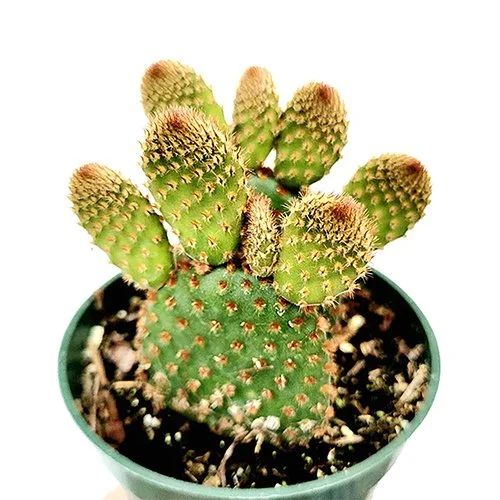 Image 2 of 2
Botanical Name: Opuntia microdasys subsp. rufida
Common Names: Cinnamon Bunny Ears, Blind Prickly Pear
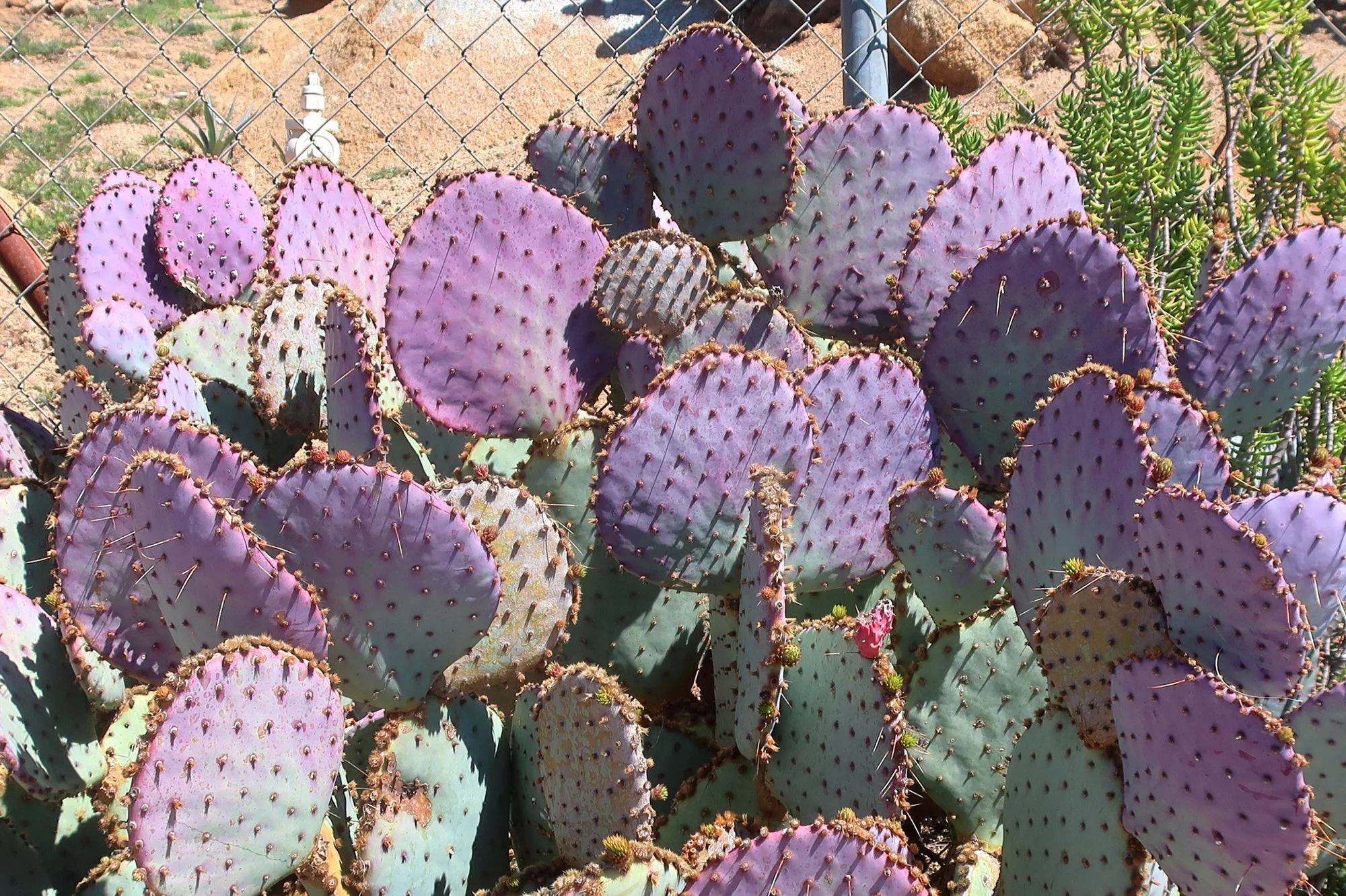
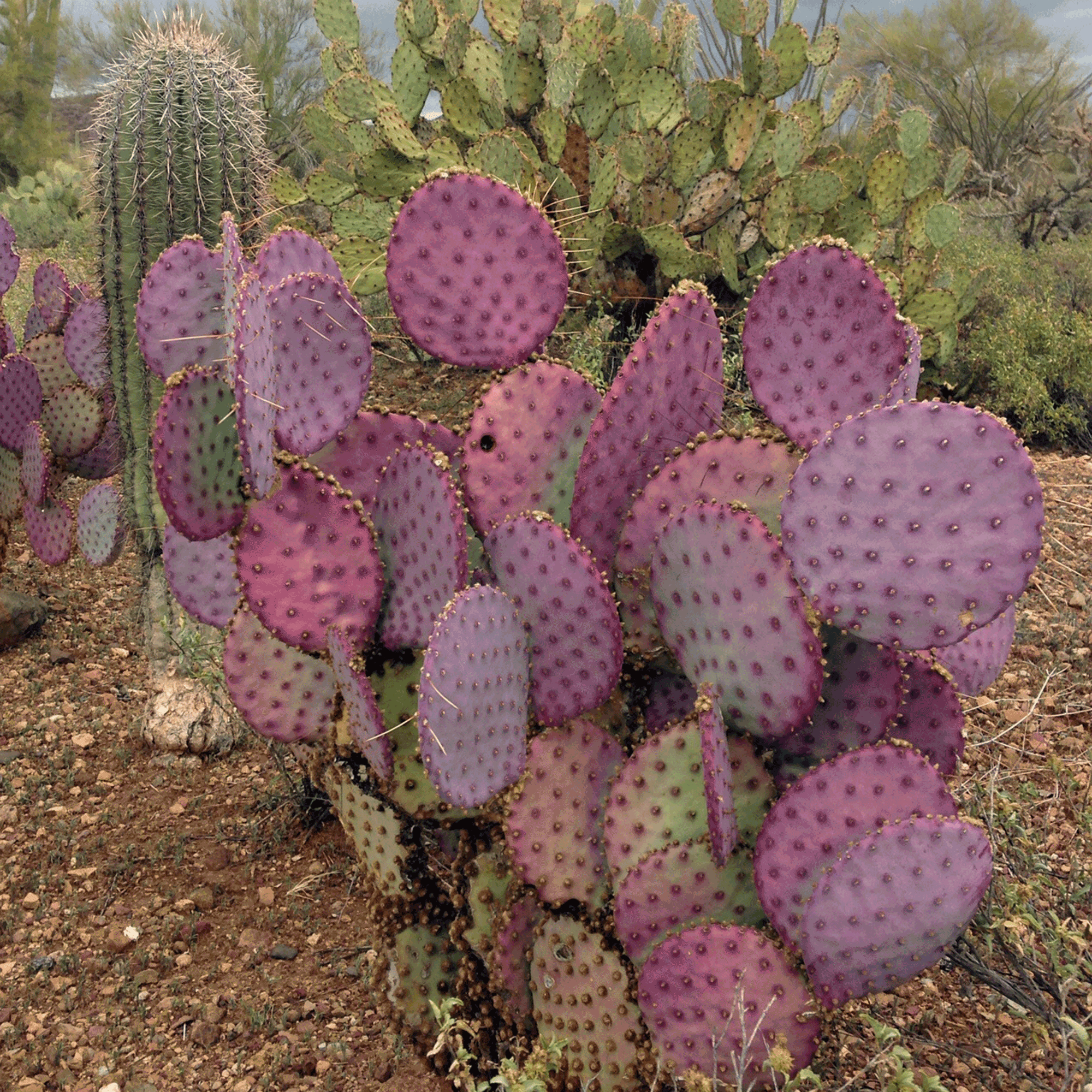
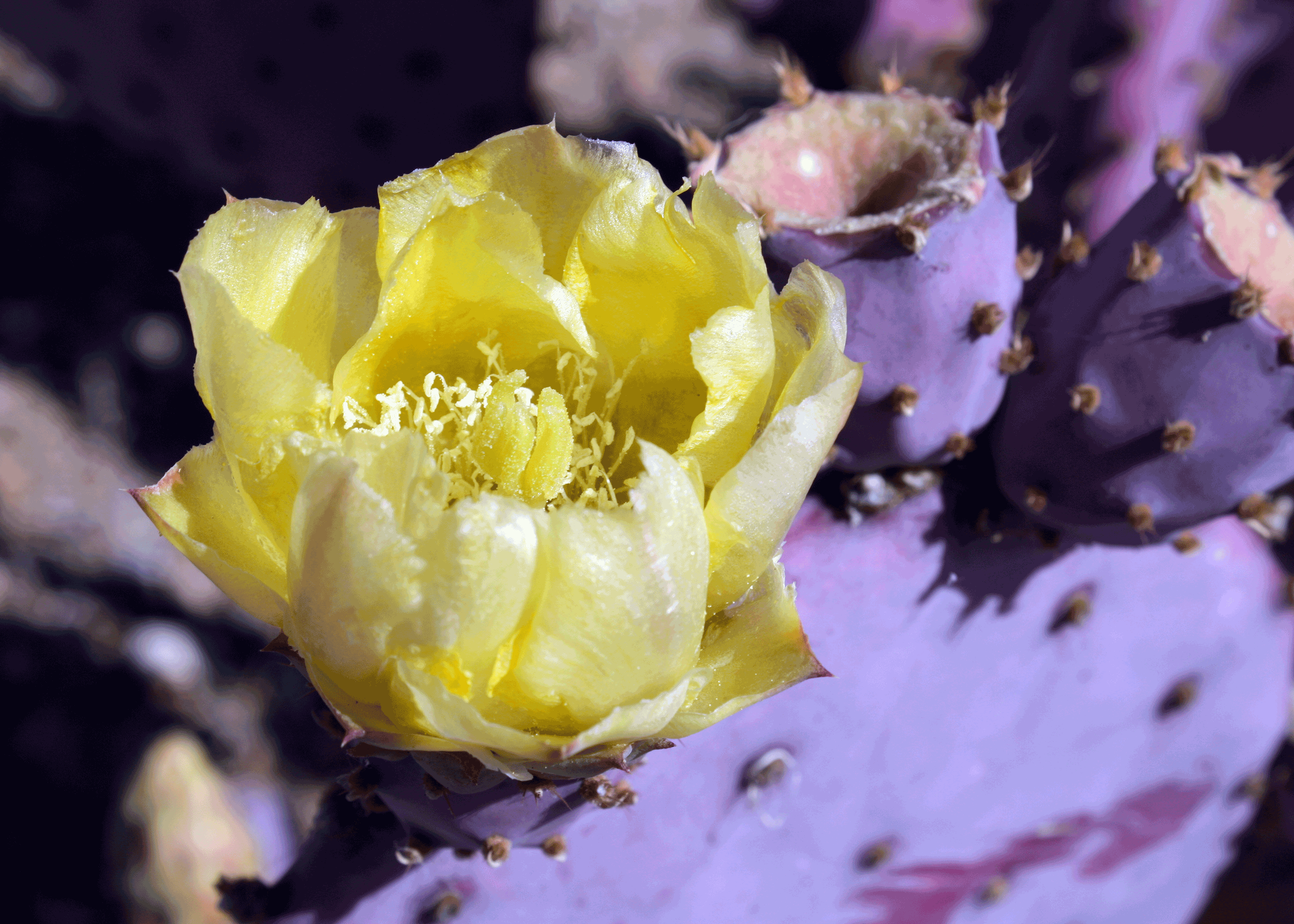
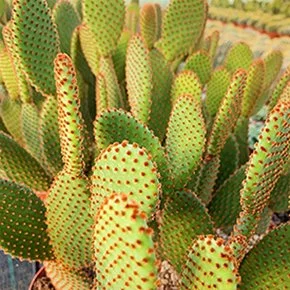
Opuntia microdasys subsp. rufida, commonly known as Cinnamon Bunny Ears or Blind Prickly Pear, is a striking and distinctive prickly pear cactus native to northern Mexico. Its rounded, pad-like stems are densely covered in fine reddish-brown glochids, giving the plant its signature cinnamon-colored appearance. Unlike many other prickly pears, it lacks long spines, but its barbed glochids detach easily, so careful handling is essential. The compact, branching growth habit makes it a versatile choice for container gardening, small landscapes, or warm-climate xeriscape designs. Mature plants typically reach 2–3 feet tall and 3–4 feet wide when planted in the ground, while container-grown specimens remain smaller, making them perfect for patios, decks, and indoor sunrooms.
Care and Cultivation:
Prefers full sun to bright light, ensuring healthy growth and vibrant coloration
Water sparingly; allow the soil to dry completely between waterings to prevent root rot
Use a fast-draining cactus or succulent soil mix for optimal aeration and drainage
Ideal growing temperature range: 65–95°F (18–35°C)
Best suited for USDA Zones 9–11
Excellent for containers, desert landscapes, xeriscape gardens, and small decorative displays
Frost Tolerance and Cold Hardiness:
Can tolerate brief periods of cold down to about 25°F (-4°C) when kept dry
Protect from prolonged freezing or excessive winter moisture, especially for young or container-grown plants
Winter Dormancy and Health:
Growth slows significantly during cooler months
Reduce watering during winter dormancy
Pads may wrinkle slightly as the plant conserves water, which is normal
Notes:
Dense cinnamon-colored glochids give the plant a distinctive appearance
Compact, branching habit adds texture and interest to any garden or container display
Highly drought-tolerant and low-maintenance
Handle carefully due to fine barbed glochids
Botanical Name: Opuntia microdasys subsp. rufida
Common Names: Cinnamon Bunny Ears, Blind Prickly Pear
Opuntia microdasys subsp. rufida, commonly known as Cinnamon Bunny Ears or Blind Prickly Pear, is a striking and distinctive prickly pear cactus native to northern Mexico. Its rounded, pad-like stems are densely covered in fine reddish-brown glochids, giving the plant its signature cinnamon-colored appearance. Unlike many other prickly pears, it lacks long spines, but its barbed glochids detach easily, so careful handling is essential. The compact, branching growth habit makes it a versatile choice for container gardening, small landscapes, or warm-climate xeriscape designs. Mature plants typically reach 2–3 feet tall and 3–4 feet wide when planted in the ground, while container-grown specimens remain smaller, making them perfect for patios, decks, and indoor sunrooms.
Care and Cultivation:
Prefers full sun to bright light, ensuring healthy growth and vibrant coloration
Water sparingly; allow the soil to dry completely between waterings to prevent root rot
Use a fast-draining cactus or succulent soil mix for optimal aeration and drainage
Ideal growing temperature range: 65–95°F (18–35°C)
Best suited for USDA Zones 9–11
Excellent for containers, desert landscapes, xeriscape gardens, and small decorative displays
Frost Tolerance and Cold Hardiness:
Can tolerate brief periods of cold down to about 25°F (-4°C) when kept dry
Protect from prolonged freezing or excessive winter moisture, especially for young or container-grown plants
Winter Dormancy and Health:
Growth slows significantly during cooler months
Reduce watering during winter dormancy
Pads may wrinkle slightly as the plant conserves water, which is normal
Notes:
Dense cinnamon-colored glochids give the plant a distinctive appearance
Compact, branching habit adds texture and interest to any garden or container display
Highly drought-tolerant and low-maintenance
Handle carefully due to fine barbed glochids