 Image 1 of 2
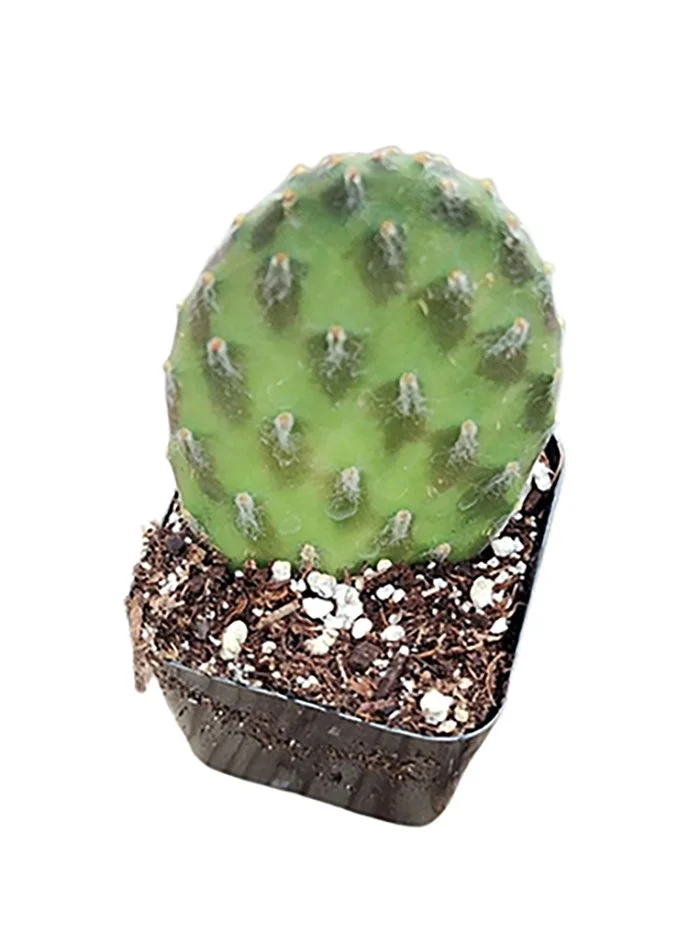 Image 2 of 2
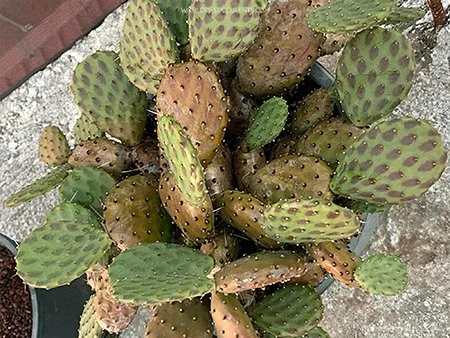
Botanical Name: Opuntia decumbens
Common Names: Sprawling Prickly Pear, Decumbent Prickly Pear
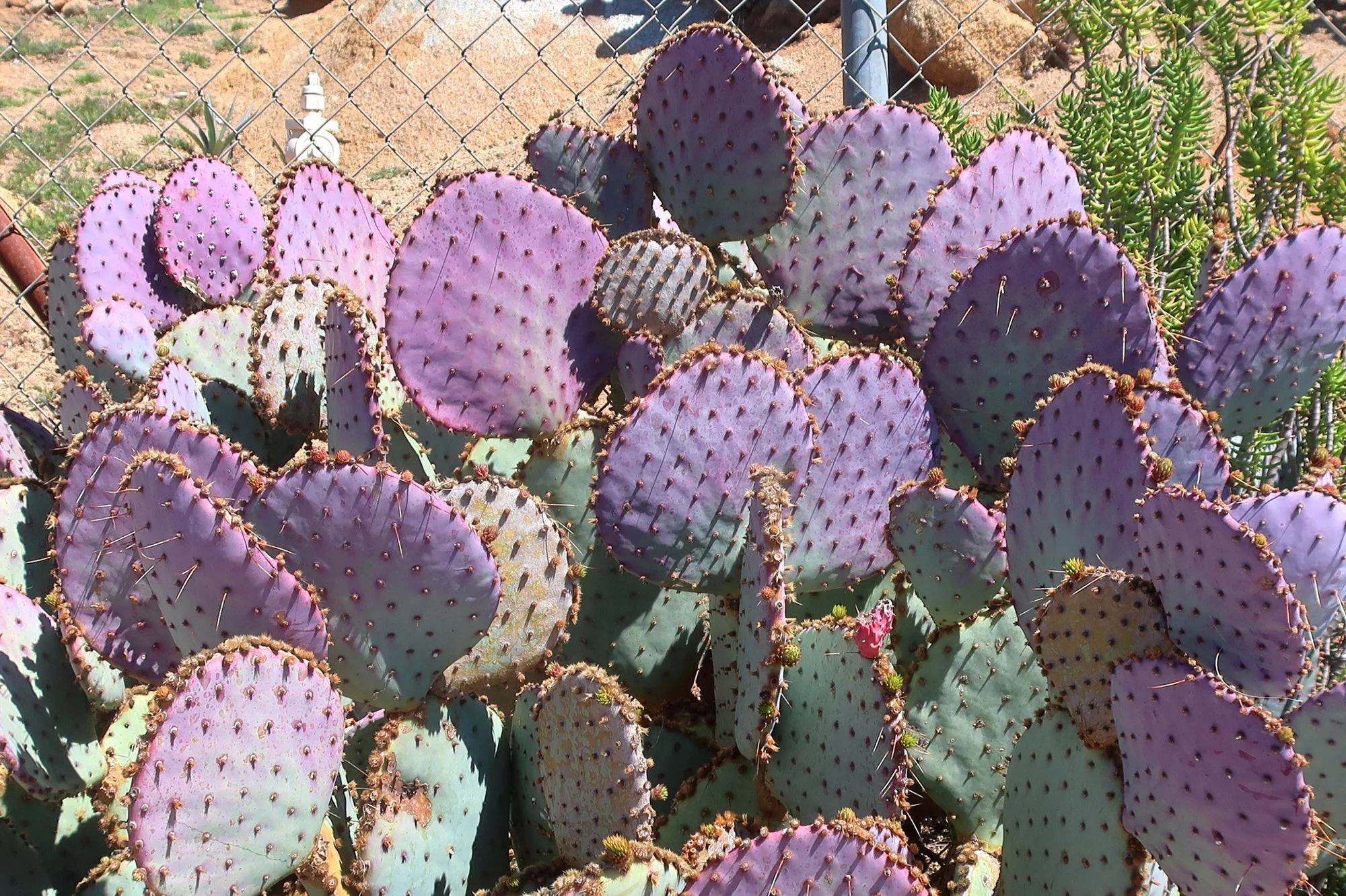
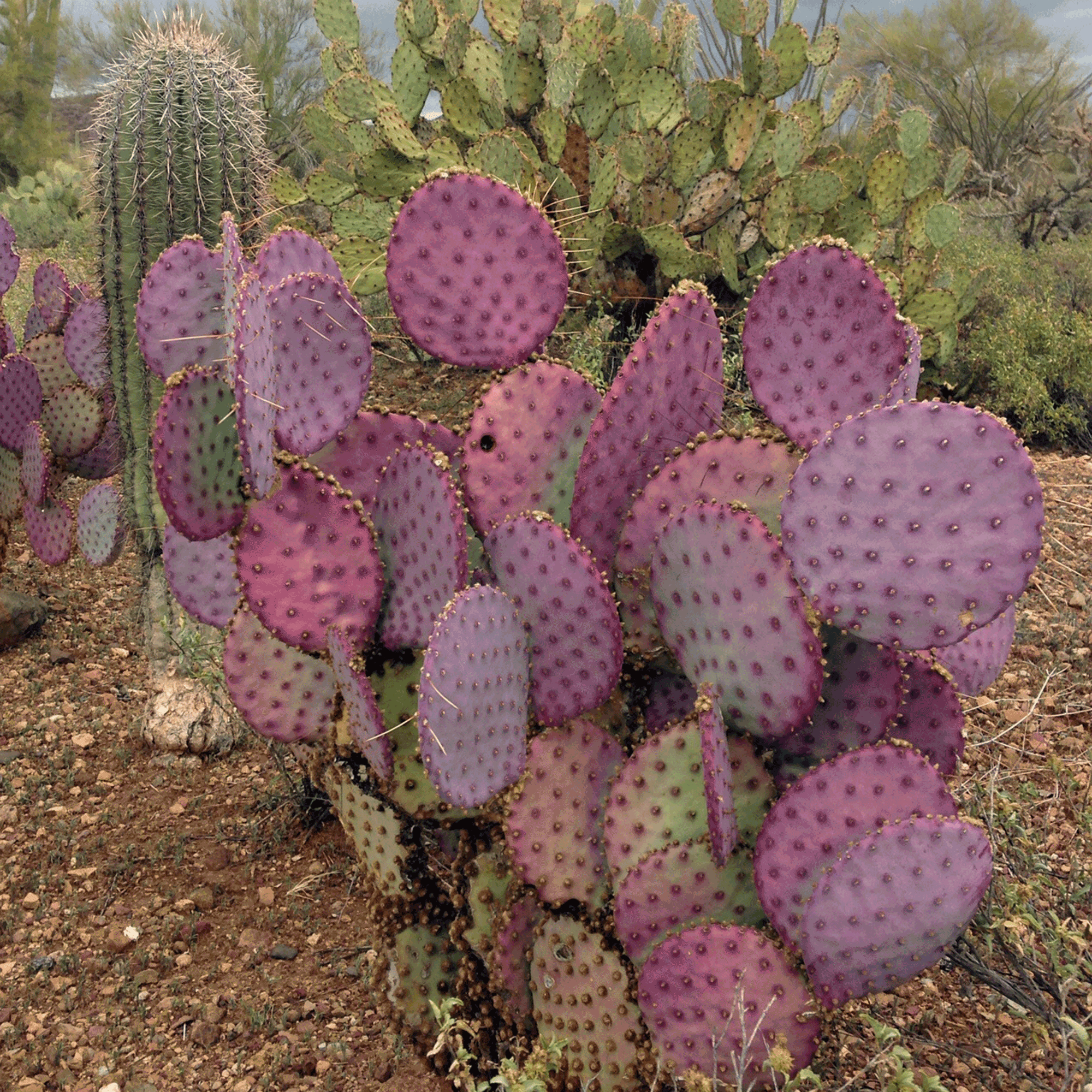
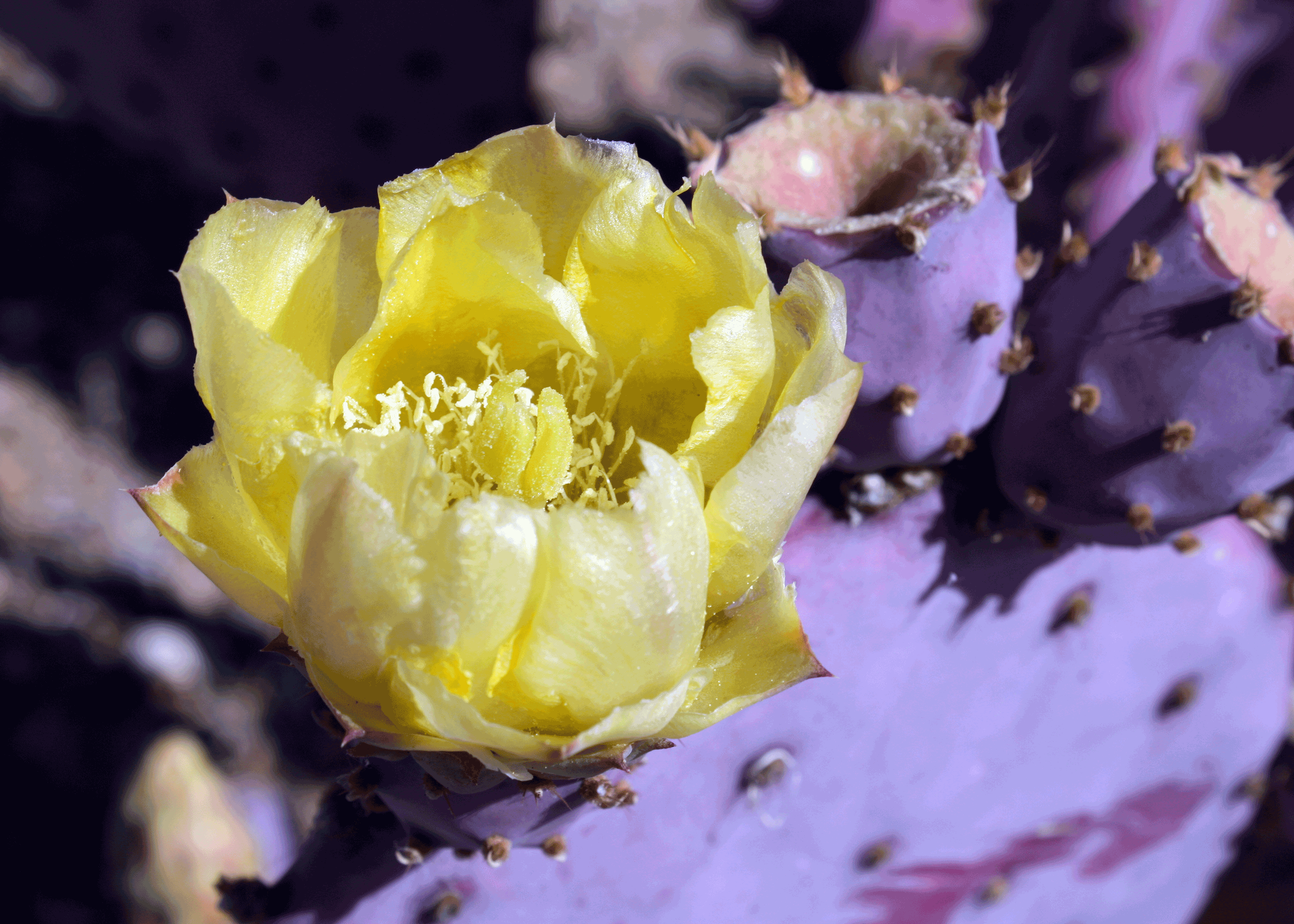
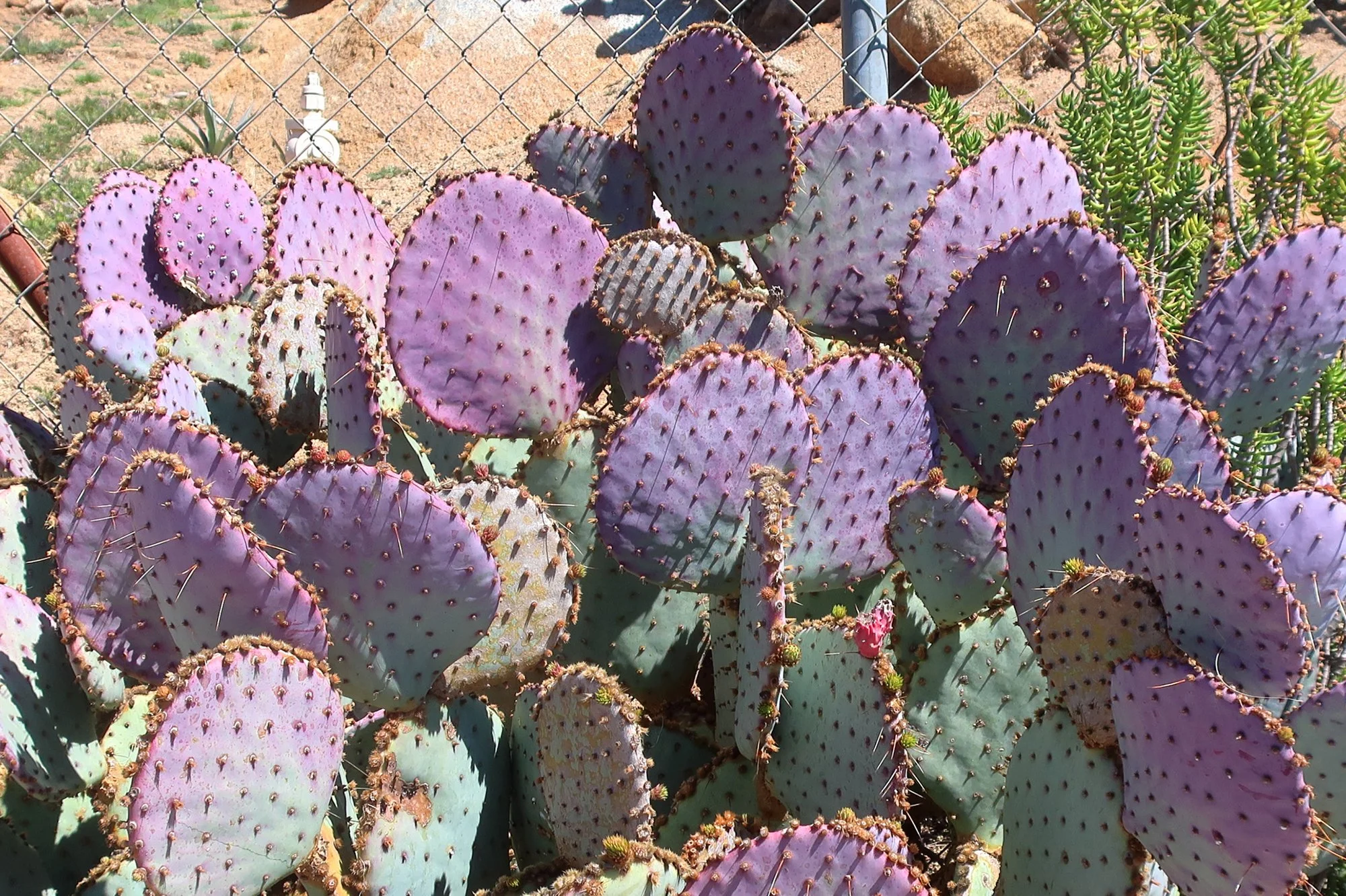
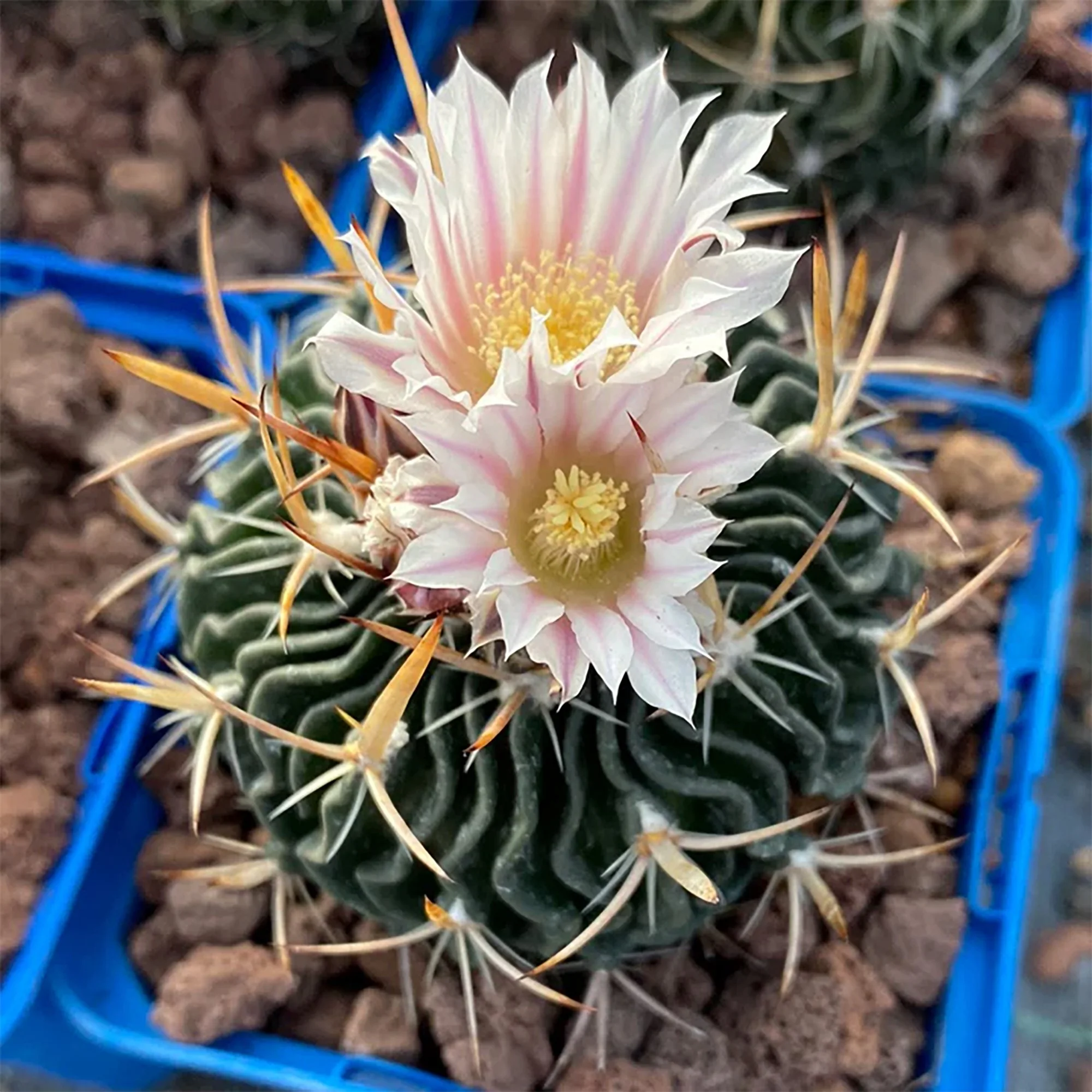
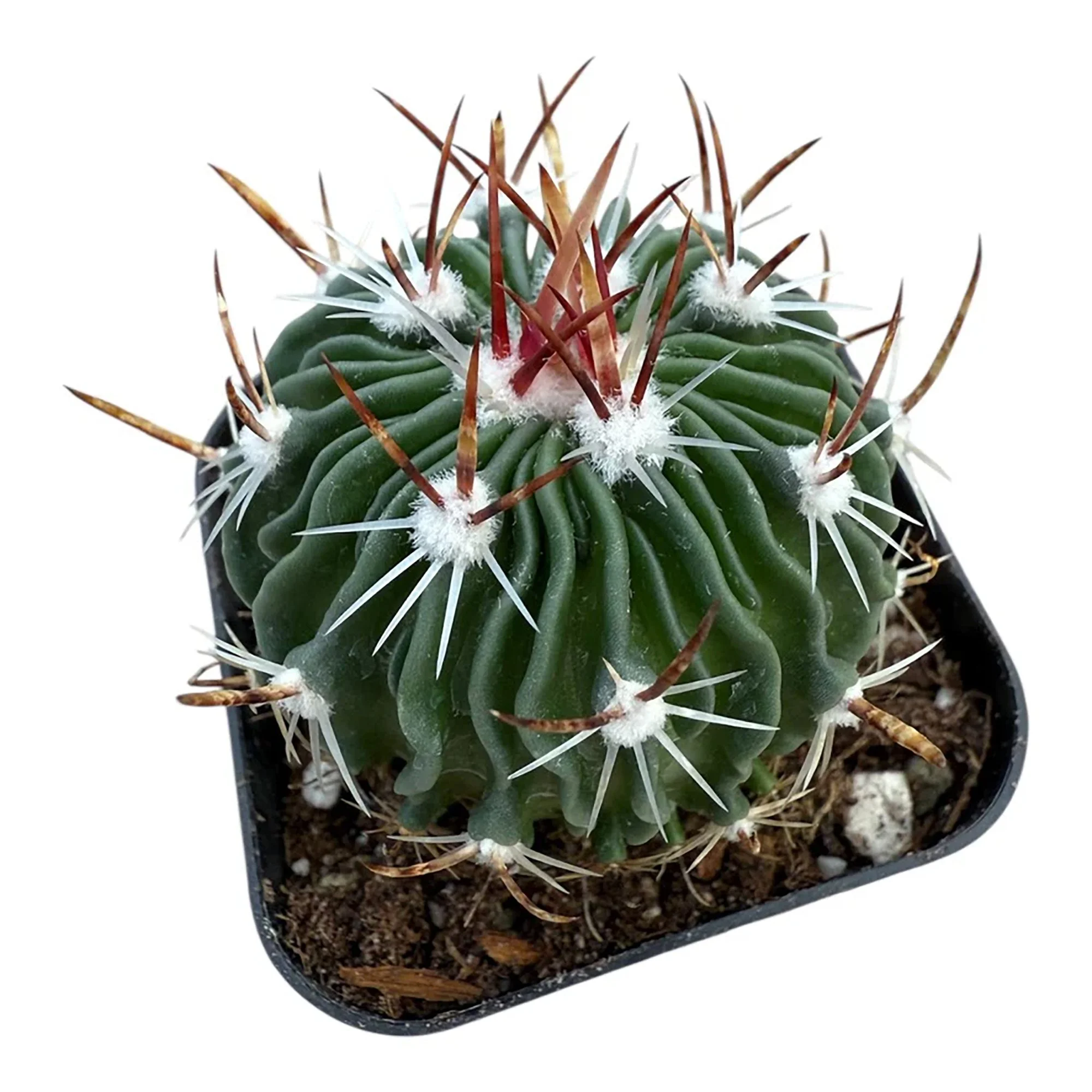
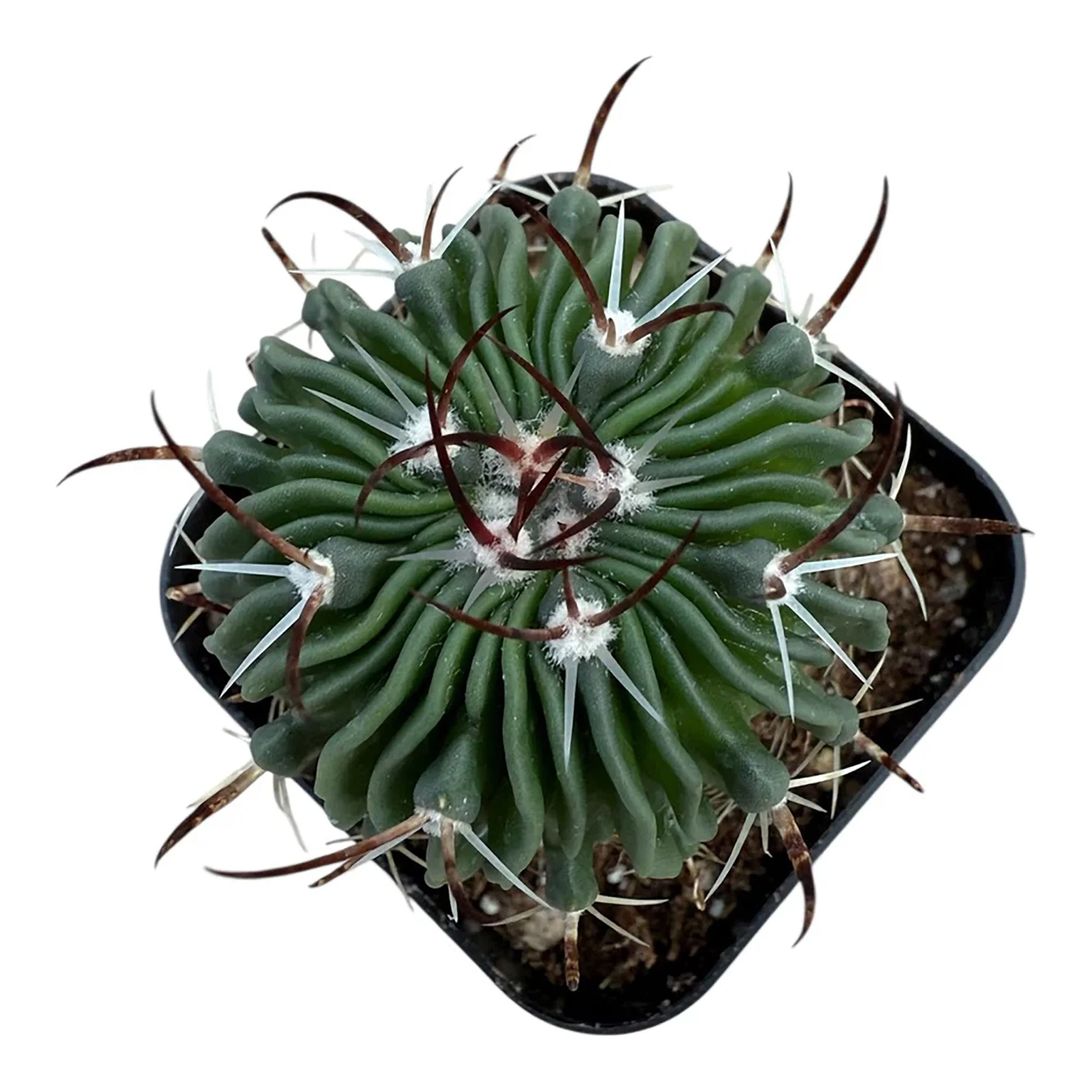
Opuntia decumbens is a low-growing, sprawling cactus native to Mexico, where it thrives in arid and semi-arid regions. It features flat, oval pads that spread along the ground, forming dense mats. Its small yellow flowers bloom in spring and summer, followed by edible red to orange fruits. This hardy cactus is excellent for erosion control, xeriscape gardens, and container cultivation. Mature plants typically reach 1–2 feet tall and 4–6 feet wide, spreading aggressively in ideal conditions.
Care and Cultivation:
Prefers full sun
Water sparingly; allow soil to dry completely between waterings
Use a fast-draining cactus or succulent soil mix
Ideal for groundcover, containers, and desert landscapes
Frost Tolerance and Cold Hardiness:
Best suited for USDA Zones 8–11
Can tolerate brief cold down to about 20°F (-6°C) when dry
Protect from prolonged freezing and excess winter moisture
Ideal growing temperatures: 65–95°F (18–35°C)
Winter Dormancy and Health:
Growth slows during winter
Reduce watering significantly in colder months
Maintain bright light for healthy pads
Notes:
Spreading, low-growing form ideal for groundcover
Produces yellow flowers and edible fruits
Drought-tolerant and low-maintenance
Excellent for xeriscapes and desert gardens
Botanical Name: Opuntia decumbens
Common Names: Sprawling Prickly Pear, Decumbent Prickly Pear
Opuntia decumbens is a low-growing, sprawling cactus native to Mexico, where it thrives in arid and semi-arid regions. It features flat, oval pads that spread along the ground, forming dense mats. Its small yellow flowers bloom in spring and summer, followed by edible red to orange fruits. This hardy cactus is excellent for erosion control, xeriscape gardens, and container cultivation. Mature plants typically reach 1–2 feet tall and 4–6 feet wide, spreading aggressively in ideal conditions.
Care and Cultivation:
Prefers full sun
Water sparingly; allow soil to dry completely between waterings
Use a fast-draining cactus or succulent soil mix
Ideal for groundcover, containers, and desert landscapes
Frost Tolerance and Cold Hardiness:
Best suited for USDA Zones 8–11
Can tolerate brief cold down to about 20°F (-6°C) when dry
Protect from prolonged freezing and excess winter moisture
Ideal growing temperatures: 65–95°F (18–35°C)
Winter Dormancy and Health:
Growth slows during winter
Reduce watering significantly in colder months
Maintain bright light for healthy pads
Notes:
Spreading, low-growing form ideal for groundcover
Produces yellow flowers and edible fruits
Drought-tolerant and low-maintenance
Excellent for xeriscapes and desert gardens