 Image 1 of 2
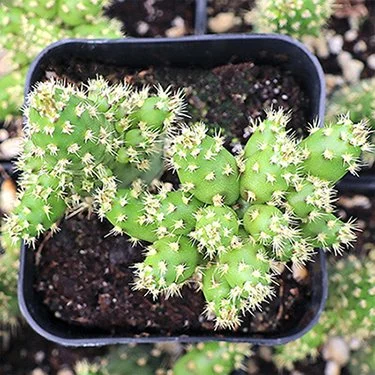 Image 2 of 2
Botanical Name: Opuntia salmiana
Common Names: Salm’s Prickly Pear, Large Prickly Pear
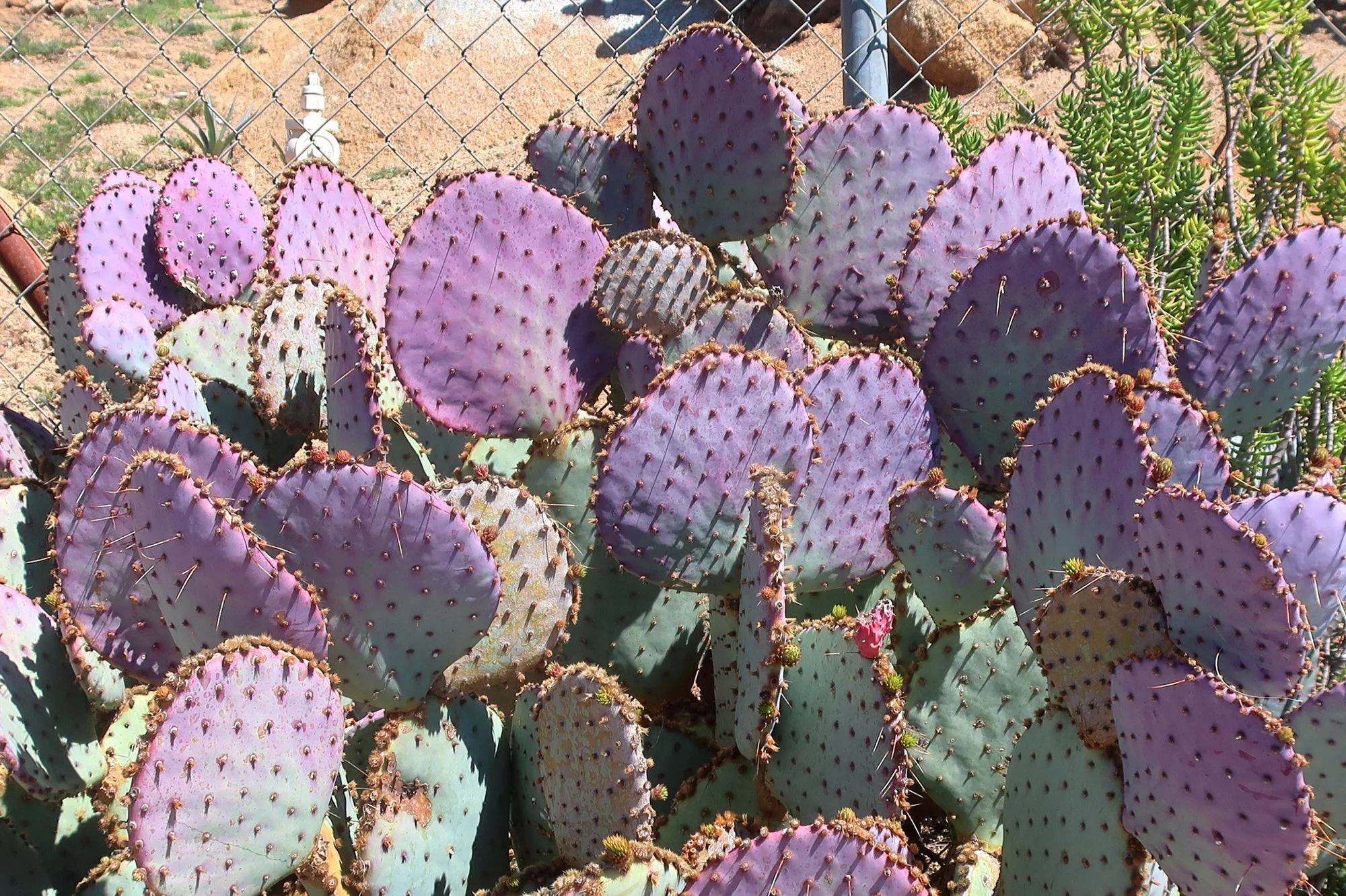
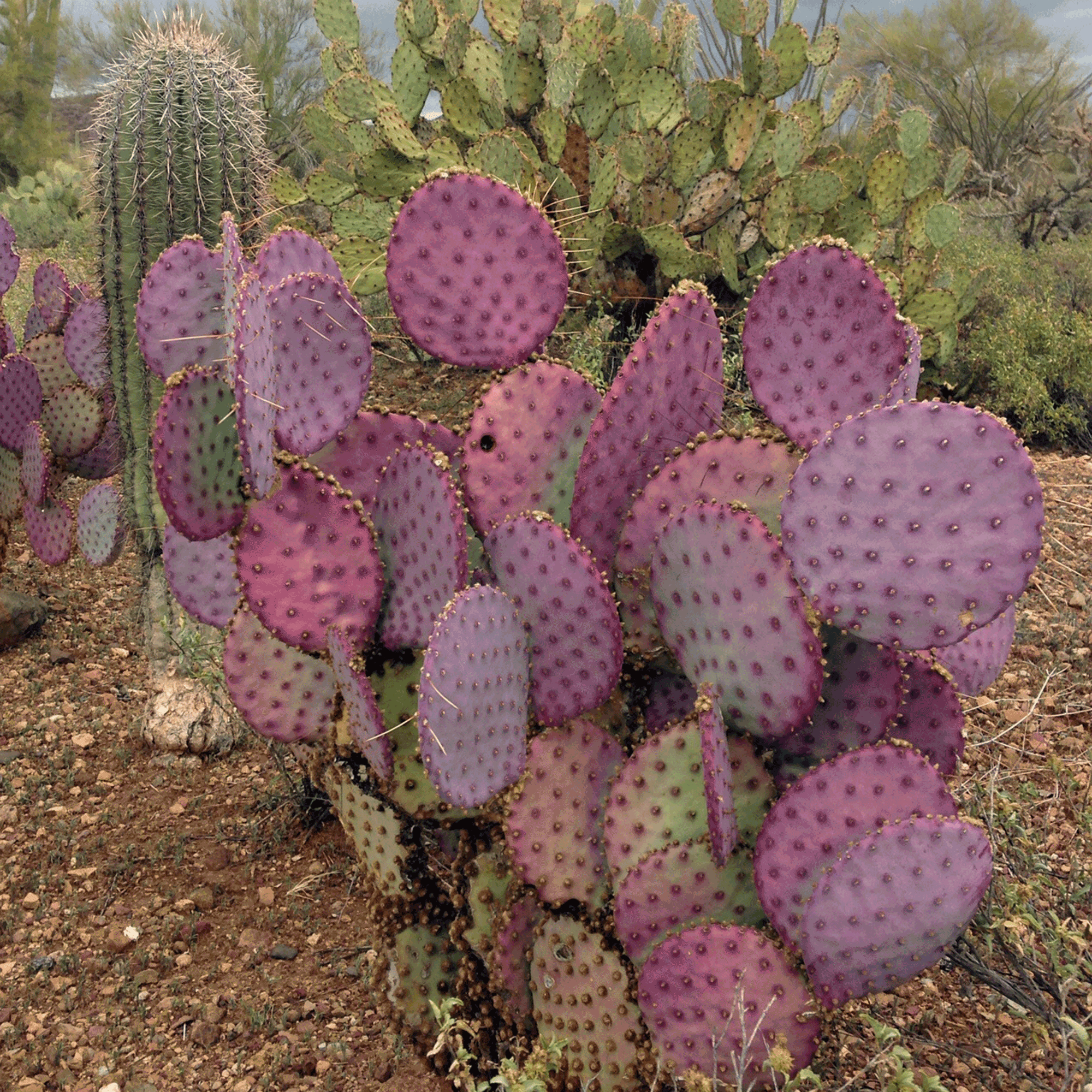
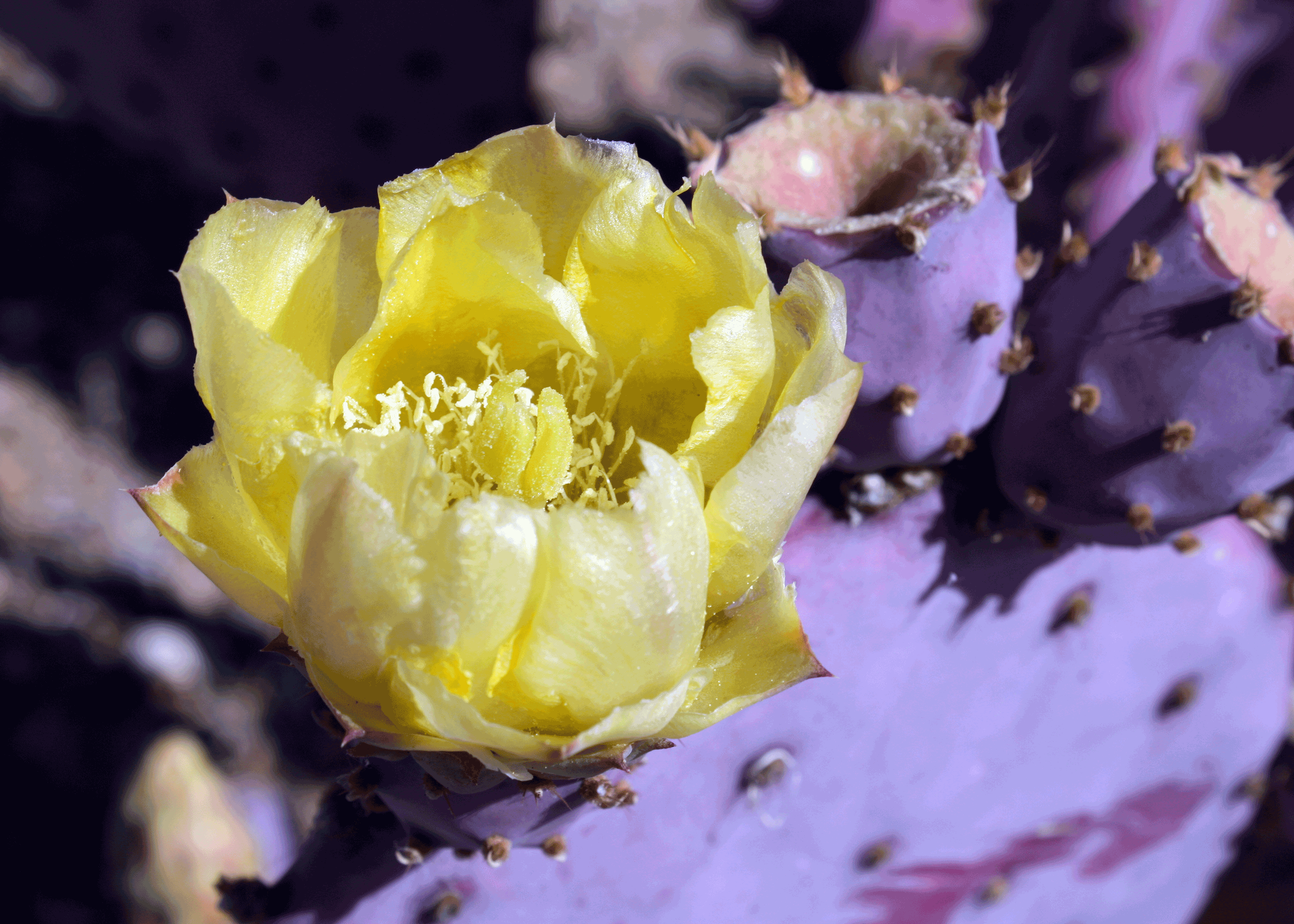
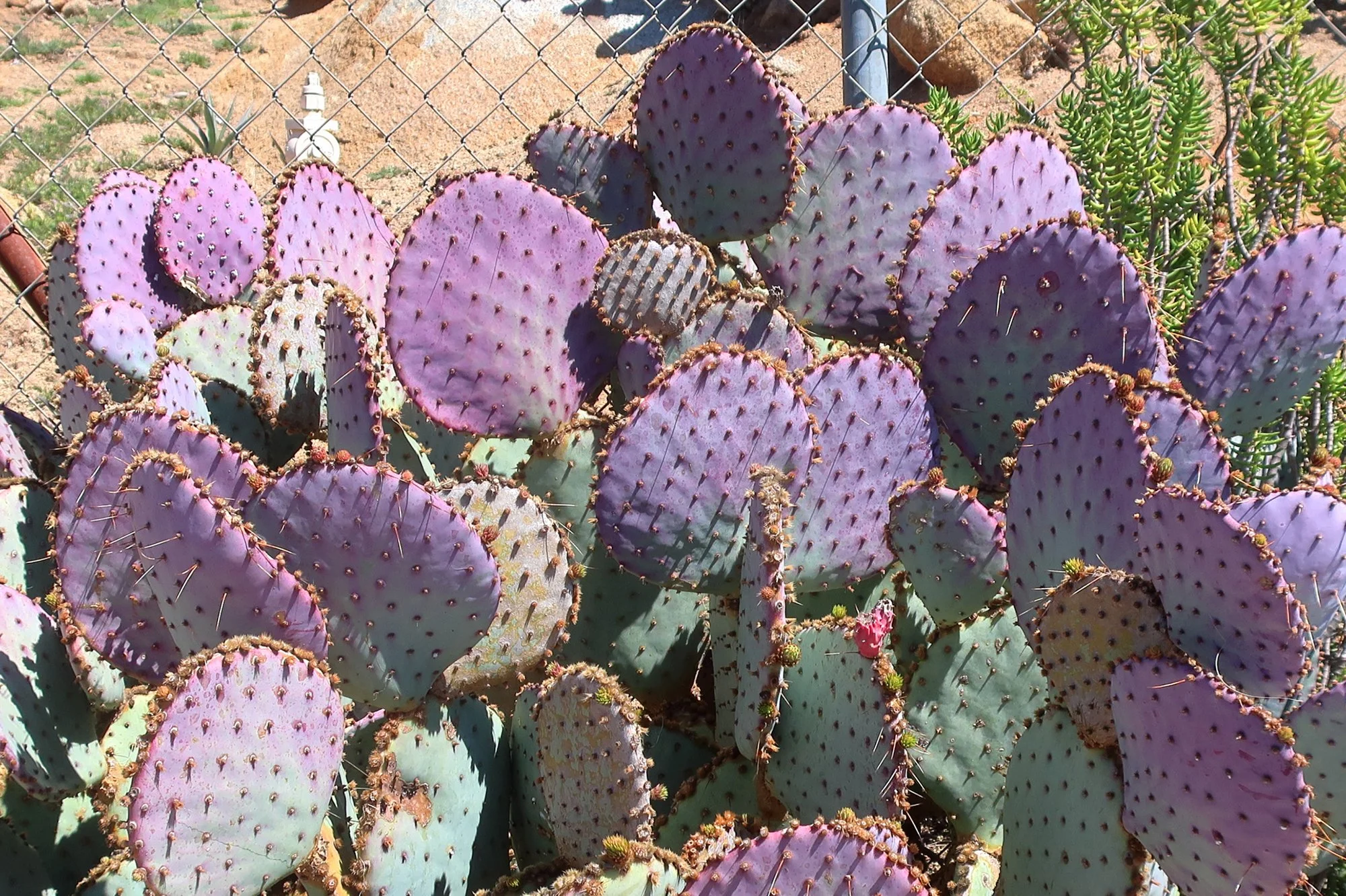
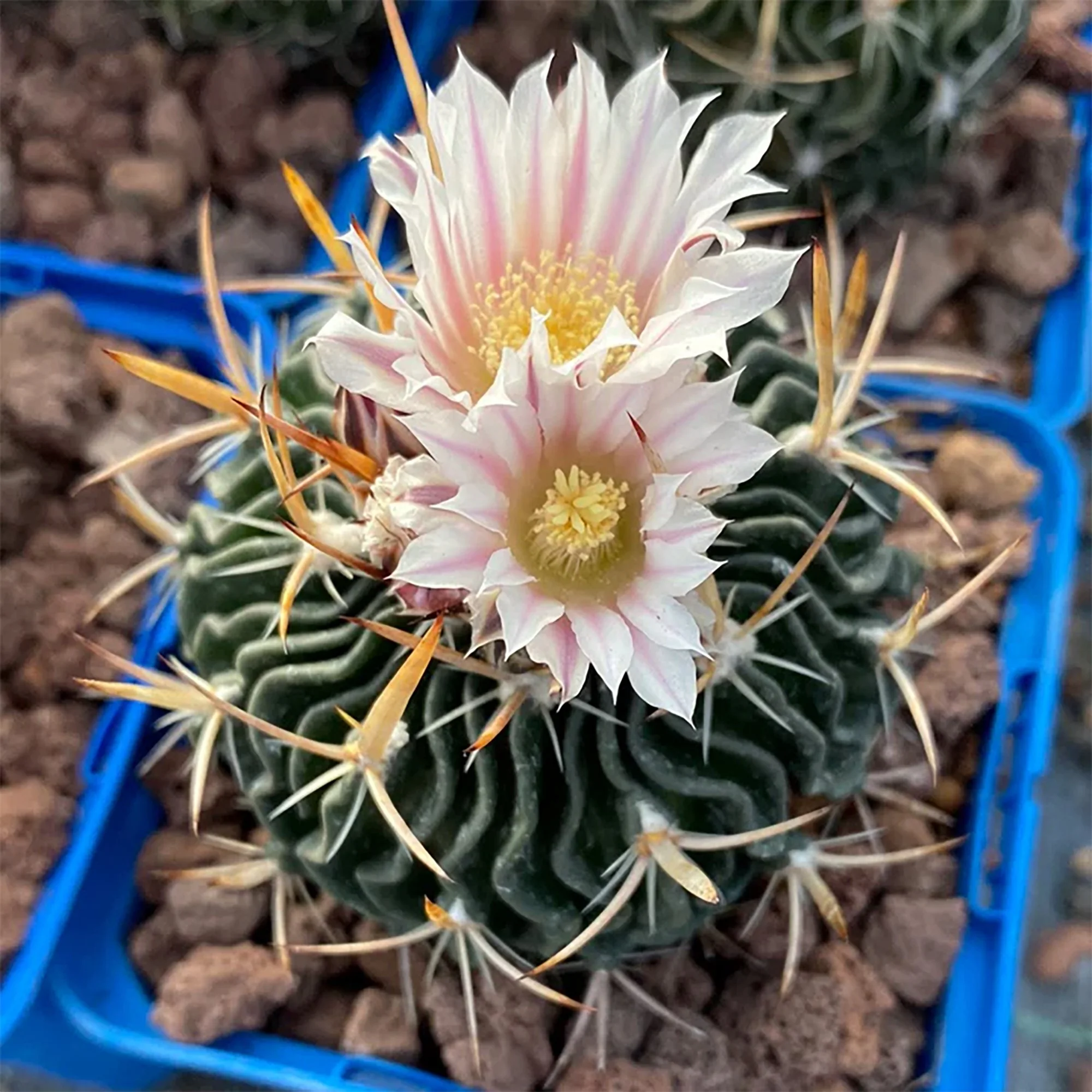
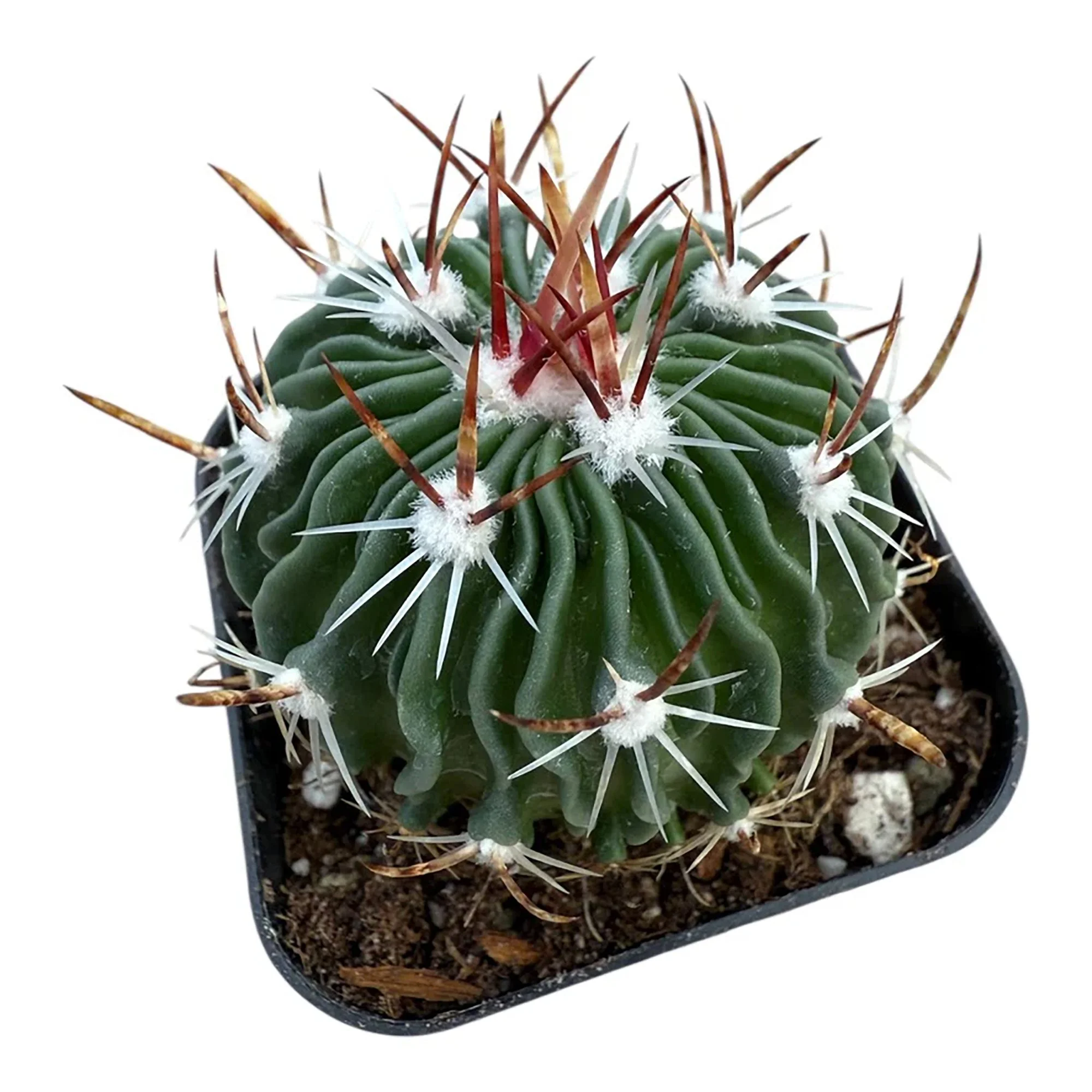
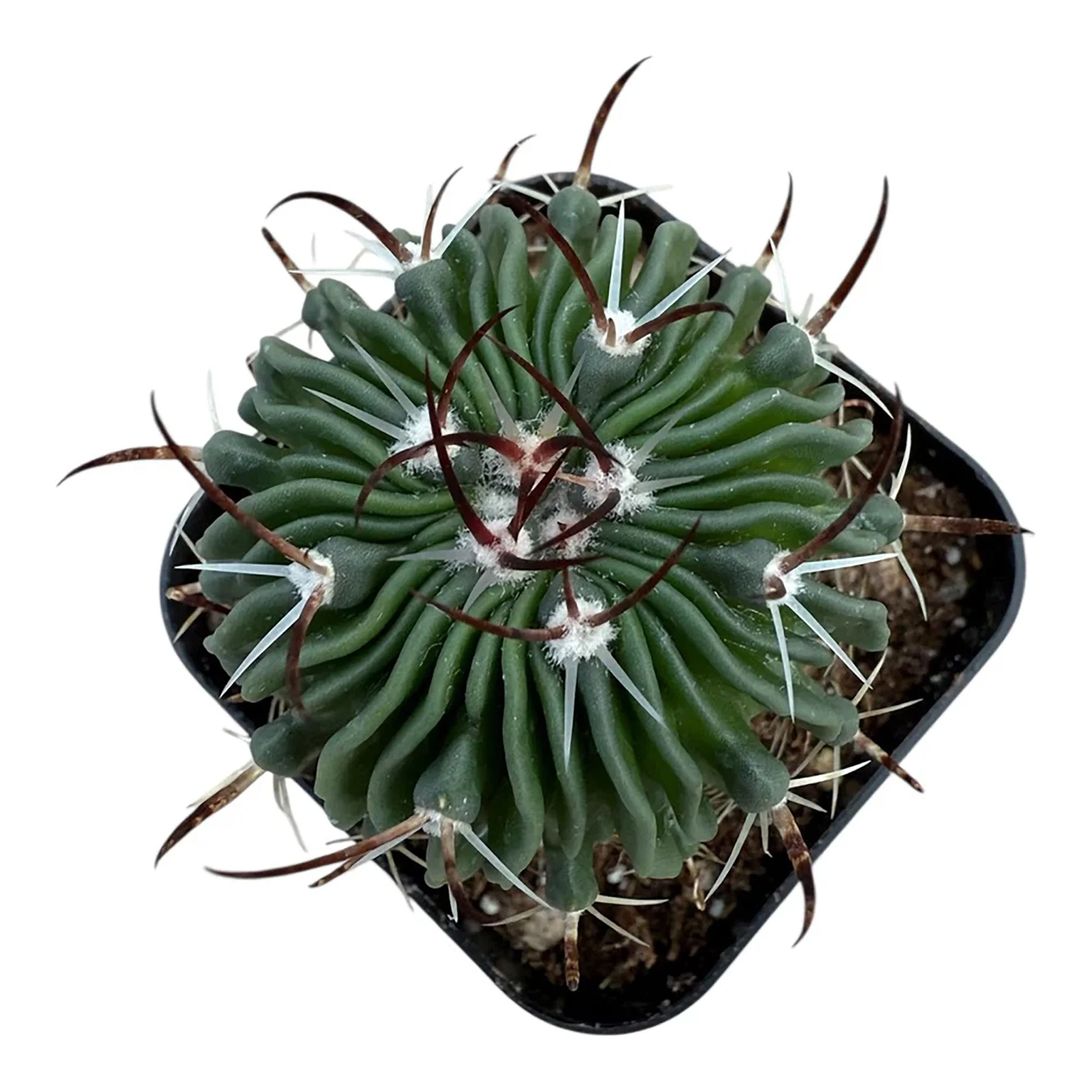
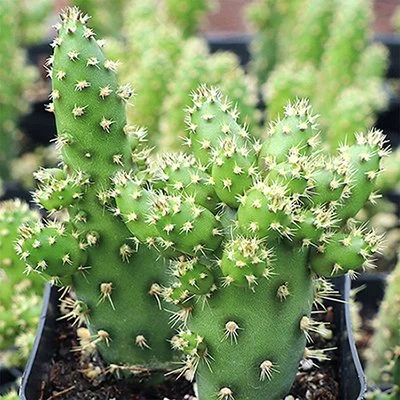
Opuntia salmiana is a large, fast-growing prickly pear cactus native to Bolivia, Paraguay, and northern Argentina. Thriving in arid and semi-arid regions, it develops tall, upright pads adorned with robust spines, creating a dramatic architectural presence in desert landscapes. During summer, this cactus produces vibrant yellow flowers, followed by edible red to purple fruits, making it both visually striking and functional. Its bold form is ideal for xeriscape gardens, large containers, and desert-inspired landscapes. Mature in-ground plants can reach 10–15 feet tall and 8–12 feet wide, while container-grown specimens remain smaller, offering versatility for different garden spaces.
Care and Cultivation:
Prefers full sun for optimal growth and flowering
Water sparingly; allow soil to dry completely between waterings
Use a fast-draining cactus or succulent soil mix
Ideal for containers, rock gardens, and xeriscape landscapes
Ideal growing temperatures: 65–95°F (18–35°C)
Fast-growing and low-maintenance once established
Frost Tolerance and Cold Hardiness:
Best suited for USDA Zones 9–11
Can tolerate brief cold down to about 25°F (-4°C) when soil is dry
Protect from prolonged freezing and excess winter moisture
Winter Dormancy and Health:
Growth slows during cooler months
Reduce watering significantly during dormancy
Maintain bright light for healthy pad growth and flower production
Notes:
Large, architectural pads with robust spines create a bold visual statement
Produces vibrant yellow flowers and edible red to purple fruits
Fast-growing, drought-tolerant, and highly adaptable
Excellent choice for xeriscapes, desert gardens, and container displays
Adds texture, height, and a striking focal point to arid landscapes
Botanical Name: Opuntia salmiana
Common Names: Salm’s Prickly Pear, Large Prickly Pear
Opuntia salmiana is a large, fast-growing prickly pear cactus native to Bolivia, Paraguay, and northern Argentina. Thriving in arid and semi-arid regions, it develops tall, upright pads adorned with robust spines, creating a dramatic architectural presence in desert landscapes. During summer, this cactus produces vibrant yellow flowers, followed by edible red to purple fruits, making it both visually striking and functional. Its bold form is ideal for xeriscape gardens, large containers, and desert-inspired landscapes. Mature in-ground plants can reach 10–15 feet tall and 8–12 feet wide, while container-grown specimens remain smaller, offering versatility for different garden spaces.
Care and Cultivation:
Prefers full sun for optimal growth and flowering
Water sparingly; allow soil to dry completely between waterings
Use a fast-draining cactus or succulent soil mix
Ideal for containers, rock gardens, and xeriscape landscapes
Ideal growing temperatures: 65–95°F (18–35°C)
Fast-growing and low-maintenance once established
Frost Tolerance and Cold Hardiness:
Best suited for USDA Zones 9–11
Can tolerate brief cold down to about 25°F (-4°C) when soil is dry
Protect from prolonged freezing and excess winter moisture
Winter Dormancy and Health:
Growth slows during cooler months
Reduce watering significantly during dormancy
Maintain bright light for healthy pad growth and flower production
Notes:
Large, architectural pads with robust spines create a bold visual statement
Produces vibrant yellow flowers and edible red to purple fruits
Fast-growing, drought-tolerant, and highly adaptable
Excellent choice for xeriscapes, desert gardens, and container displays
Adds texture, height, and a striking focal point to arid landscapes