Botanical Name: Pachycereus pringlei
Common Names: Cardón Cactus, Giant Cardon
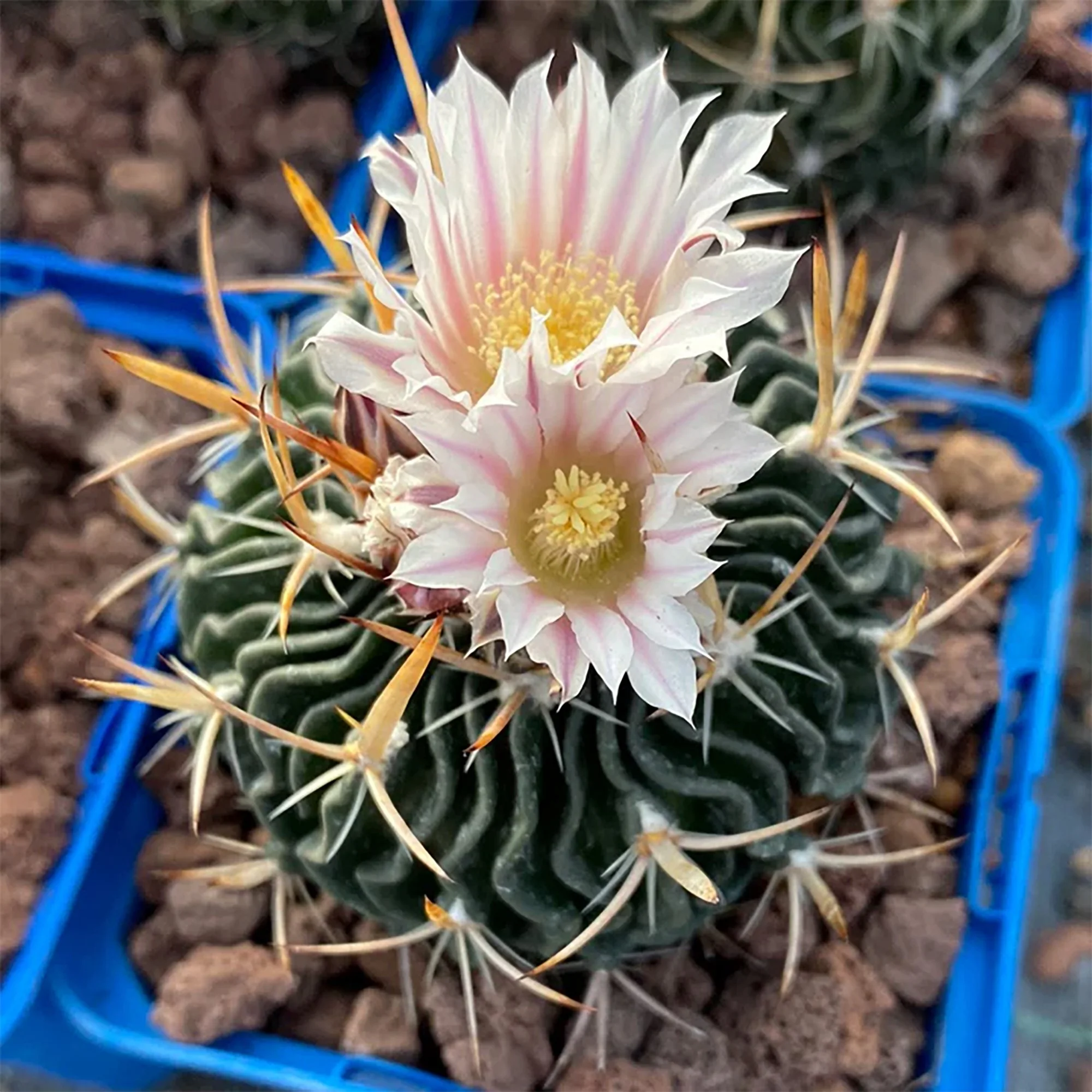
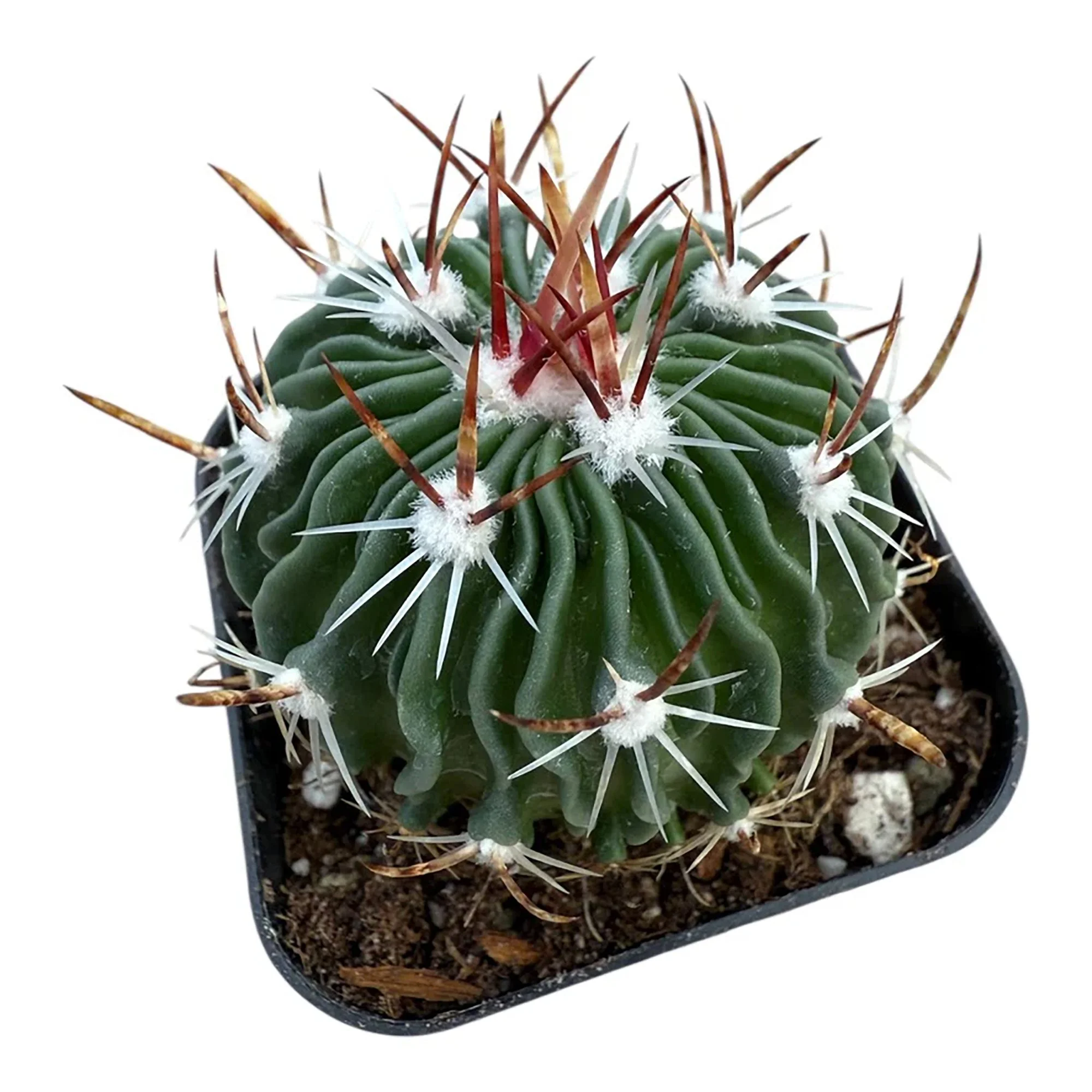
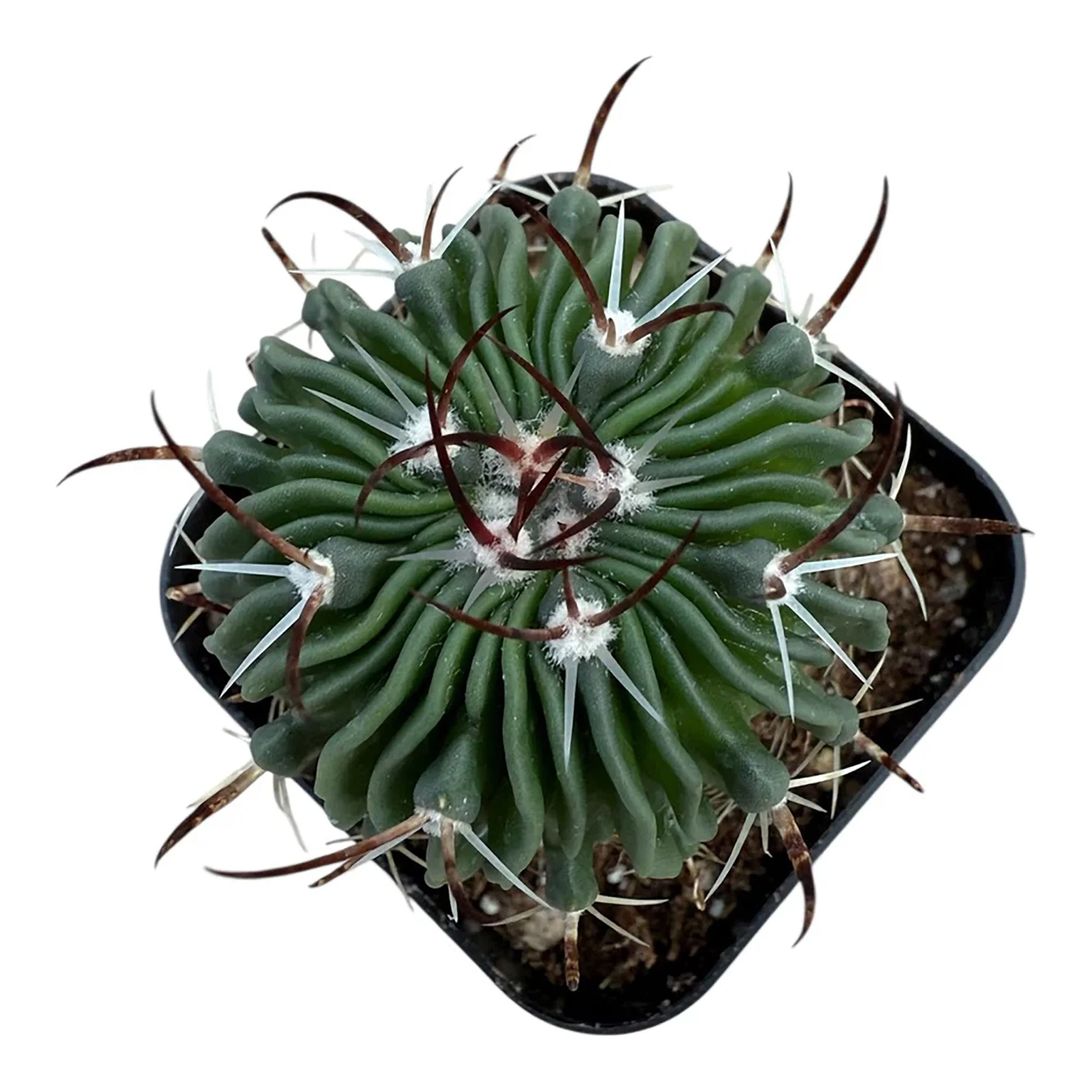
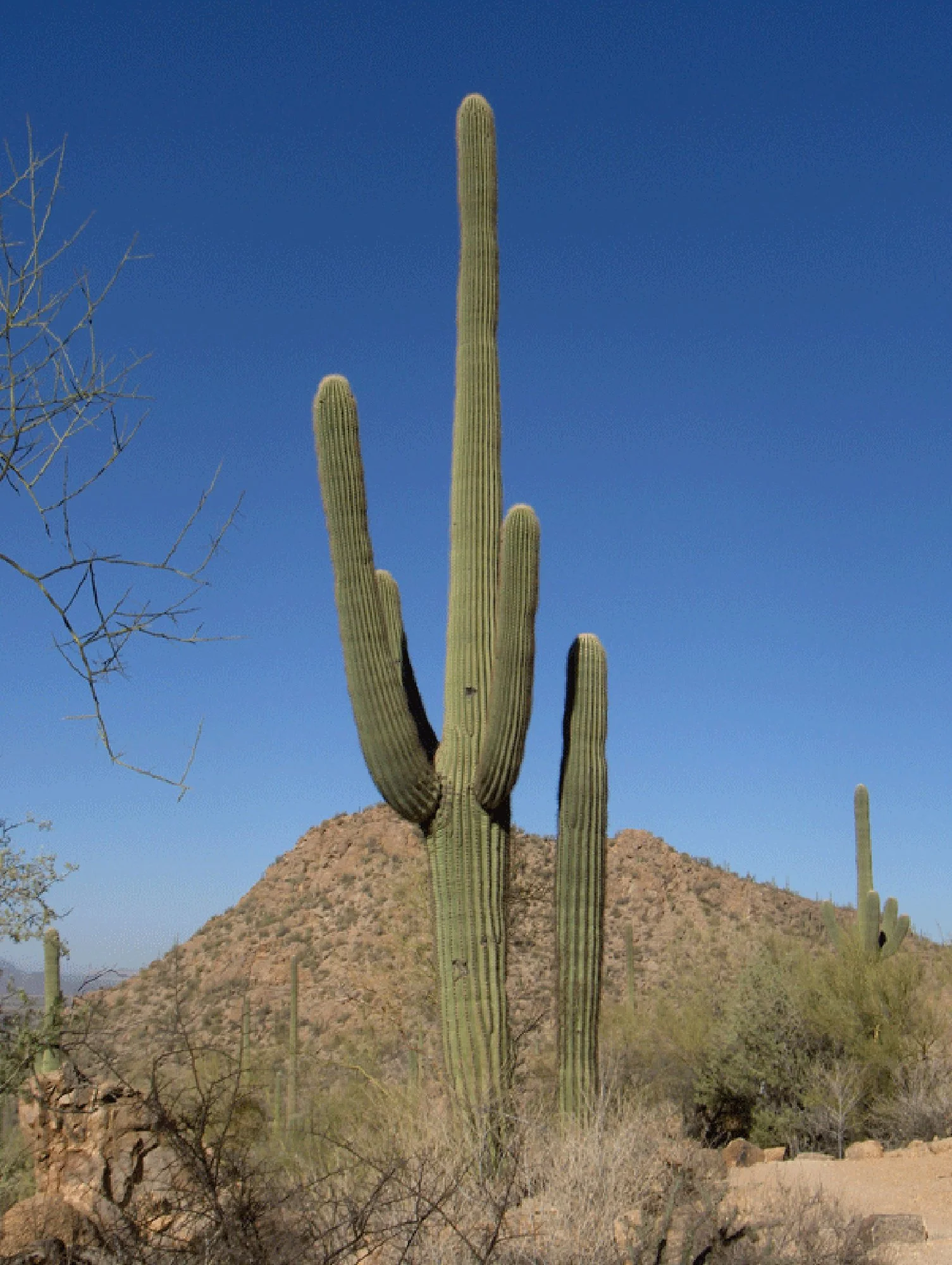
Pachycereus pringlei is the largest cactus species in the world by mass and one of the most iconic plants of the Sonoran Desert. Native to Baja California, Sonora, and parts of northwestern Mexico, this massive columnar cactus develops thick, upright trunks with multiple upward-curving arms as it matures. Its striking blue-green stems are lined with prominent ribs and clusters of spines, giving the plant a bold, sculptural appearance. In its natural habitat, mature specimens can reach an impressive 40–60 feet in height and 20–30 feet in width, creating dramatic silhouettes across desert landscapes.
Although the giant cardón becomes enormous in nature, young plants grow slowly and remain compact for many years when cultivated in containers. This slow growth rate makes it possible for collectors and cactus enthusiasts to enjoy this remarkable species even in smaller spaces. Over time, with proper care and warm conditions, it gradually develops the thick columns and branching structure that make it one of the most recognizable desert plants in the world. Pachycereus pringlei is a remarkable cactus species admired for its immense size, longevity, and commanding presence. Whether grown as a young specimen in a container or eventually planted into a desert landscape, it represents one of the most impressive plants of the arid world.
SHIPPED AS A YOUNG BARE ROOT SPECIMEN, 4–8 INCHES TALL. Young plants are carefully prepared for shipping to ensure they arrive healthy and ready to establish in their new growing environment.
Care and Cultivation:
Prefers full sun for healthy growth
Water sparingly; extremely drought-tolerant once established
Use very fast-draining cactus or sandy soil
Ideal growing temperatures: 70–100°F (21–38°C)
Best suited for in-ground planting in warm, arid climates
Slow-growing but exceptionally long-lived
Frost Tolerance and Cold Hardiness:
Best suited for USDA Zones 9b–11
Cold hardy to about 28°F (-2°C) for brief periods
Protect young plants from prolonged freezes
Sensitive to excess winter moisture
Winter Dormancy and Health:
Growth slows significantly during cooler months
Reduce watering to near zero in winter
Keep soil dry to prevent cold-related damage
Notes:
World’s largest cactus by mass and a dramatic architectural specimen
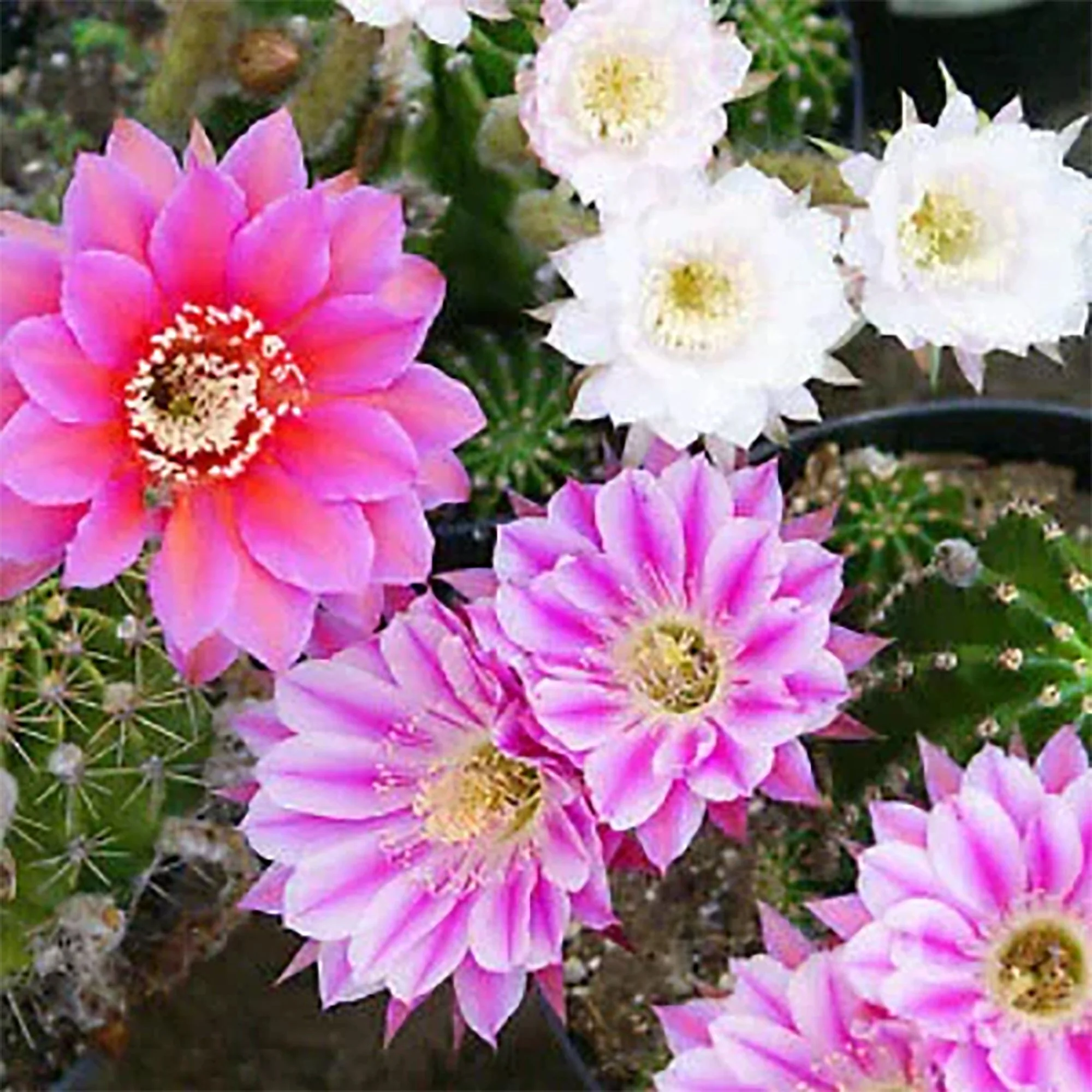
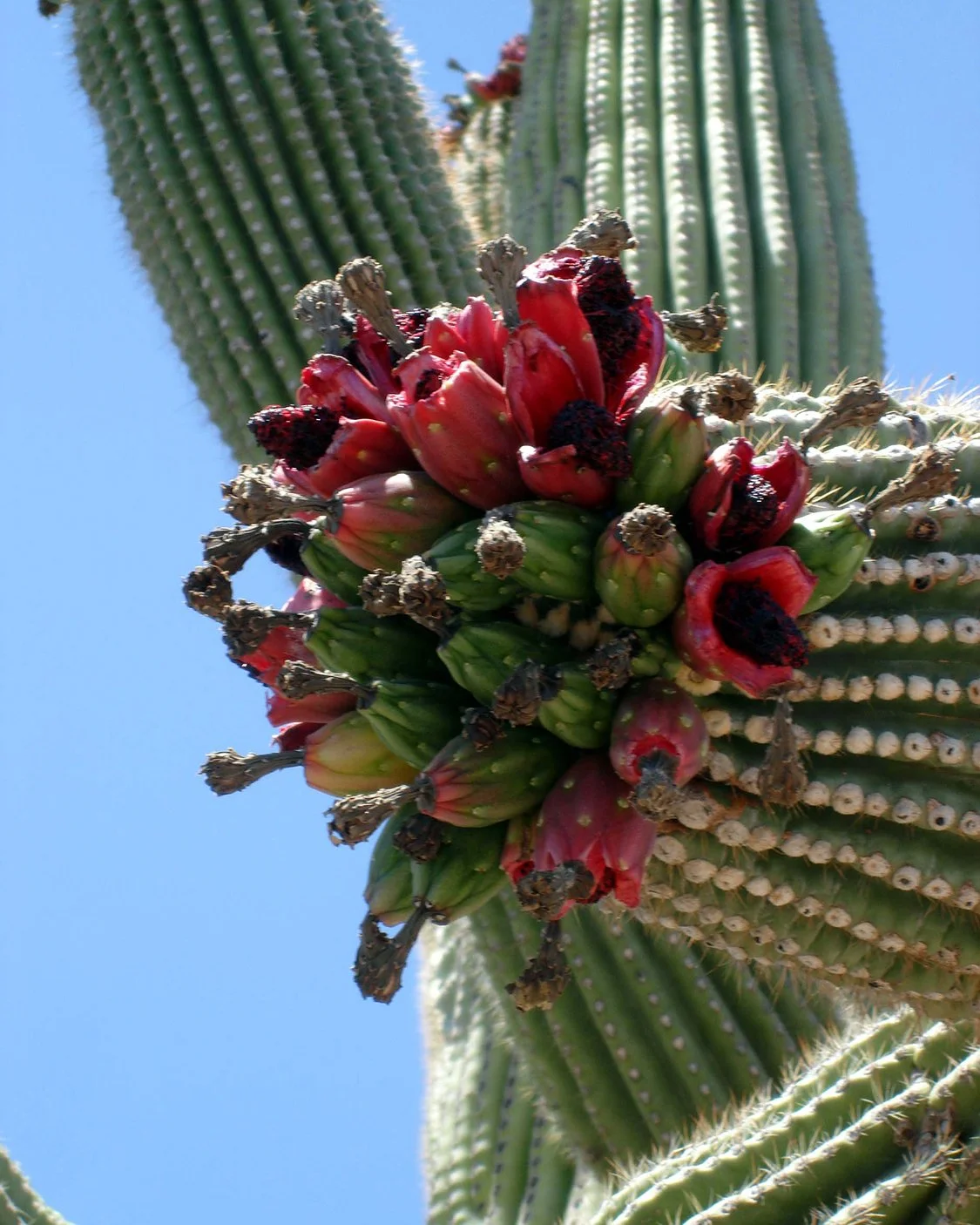
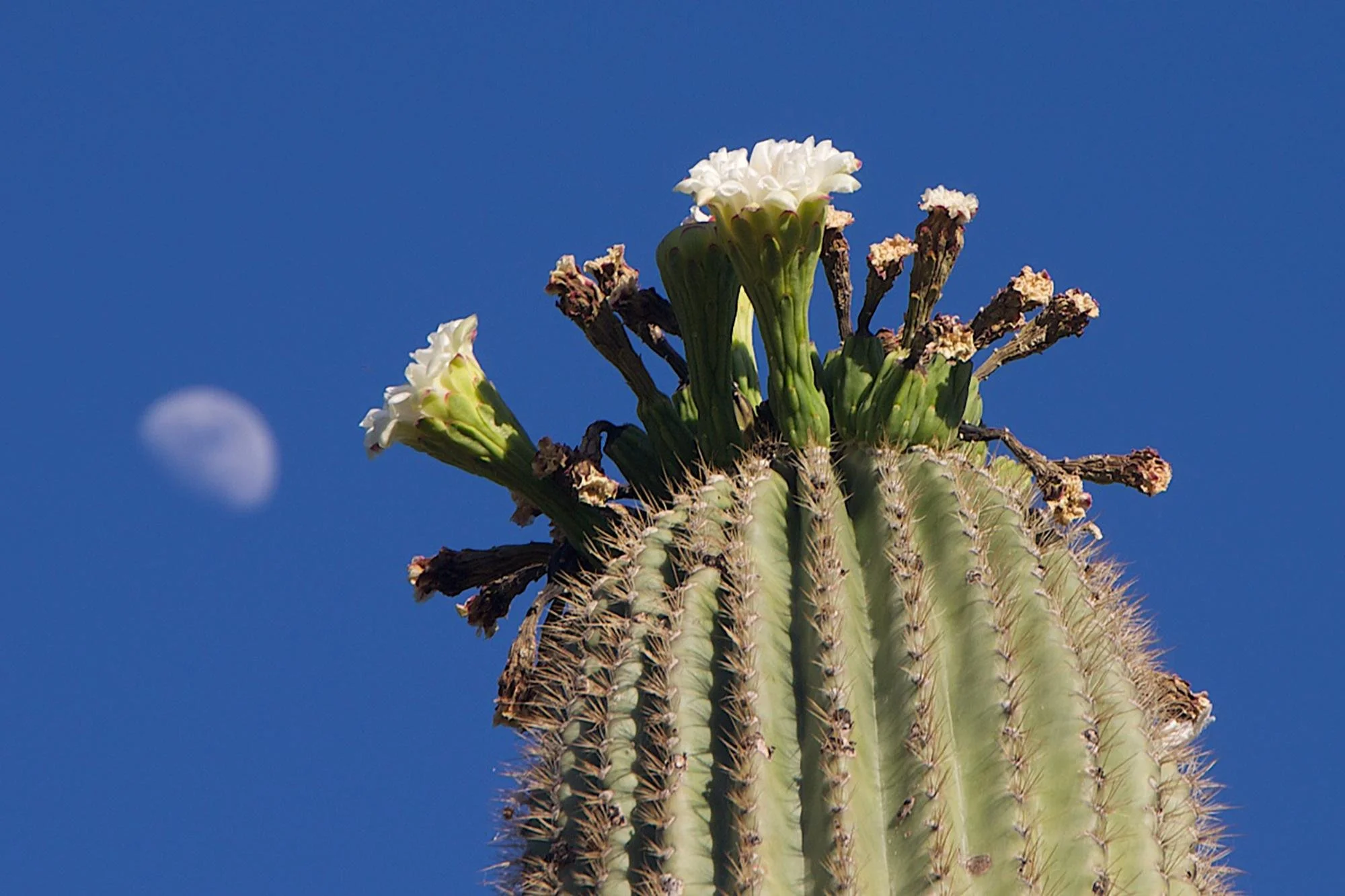
Produces large, creamy white flowers on mature plants
Flowers open at night, attracting bats and other pollinators
Iconic addition to desert landscapes, botanical gardens, and xeriscape plantings
Perfect for collectors seeking a long-lived, statement succulent
Botanical Name: Pachycereus pringlei
Common Names: Cardón Cactus, Giant Cardon
Pachycereus pringlei is the largest cactus species in the world by mass and one of the most iconic plants of the Sonoran Desert. Native to Baja California, Sonora, and parts of northwestern Mexico, this massive columnar cactus develops thick, upright trunks with multiple upward-curving arms as it matures. Its striking blue-green stems are lined with prominent ribs and clusters of spines, giving the plant a bold, sculptural appearance. In its natural habitat, mature specimens can reach an impressive 40–60 feet in height and 20–30 feet in width, creating dramatic silhouettes across desert landscapes.
Although the giant cardón becomes enormous in nature, young plants grow slowly and remain compact for many years when cultivated in containers. This slow growth rate makes it possible for collectors and cactus enthusiasts to enjoy this remarkable species even in smaller spaces. Over time, with proper care and warm conditions, it gradually develops the thick columns and branching structure that make it one of the most recognizable desert plants in the world. Pachycereus pringlei is a remarkable cactus species admired for its immense size, longevity, and commanding presence. Whether grown as a young specimen in a container or eventually planted into a desert landscape, it represents one of the most impressive plants of the arid world.
SHIPPED AS A YOUNG BARE ROOT SPECIMEN, 4–8 INCHES TALL. Young plants are carefully prepared for shipping to ensure they arrive healthy and ready to establish in their new growing environment.
Care and Cultivation:
Prefers full sun for healthy growth
Water sparingly; extremely drought-tolerant once established
Use very fast-draining cactus or sandy soil
Ideal growing temperatures: 70–100°F (21–38°C)
Best suited for in-ground planting in warm, arid climates
Slow-growing but exceptionally long-lived
Frost Tolerance and Cold Hardiness:
Best suited for USDA Zones 9b–11
Cold hardy to about 28°F (-2°C) for brief periods
Protect young plants from prolonged freezes
Sensitive to excess winter moisture
Winter Dormancy and Health:
Growth slows significantly during cooler months
Reduce watering to near zero in winter
Keep soil dry to prevent cold-related damage
Notes:
World’s largest cactus by mass and a dramatic architectural specimen
Produces large, creamy white flowers on mature plants
Flowers open at night, attracting bats and other pollinators
Iconic addition to desert landscapes, botanical gardens, and xeriscape plantings
Perfect for collectors seeking a long-lived, statement succulent

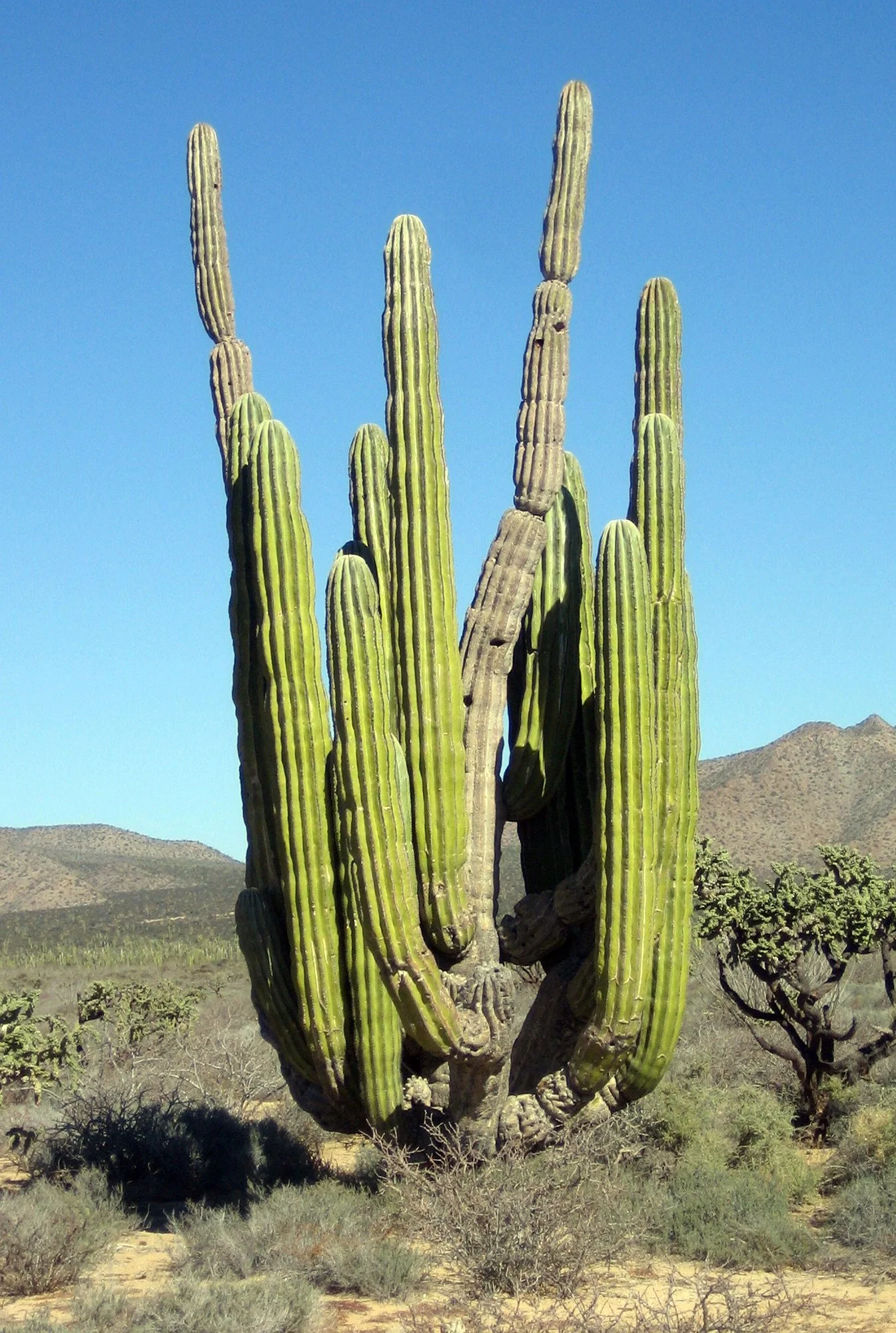 Image 1 of 6
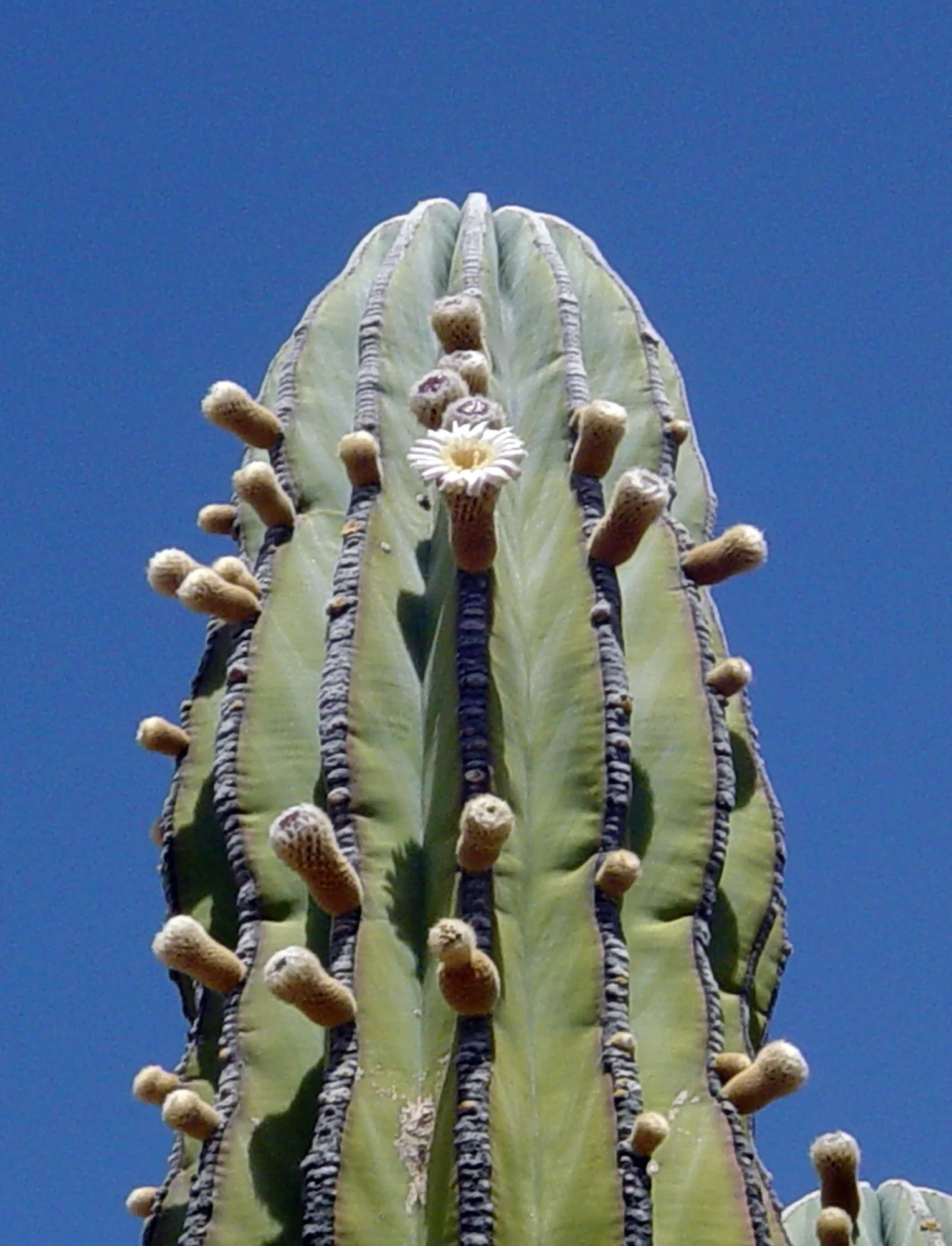 Image 2 of 6
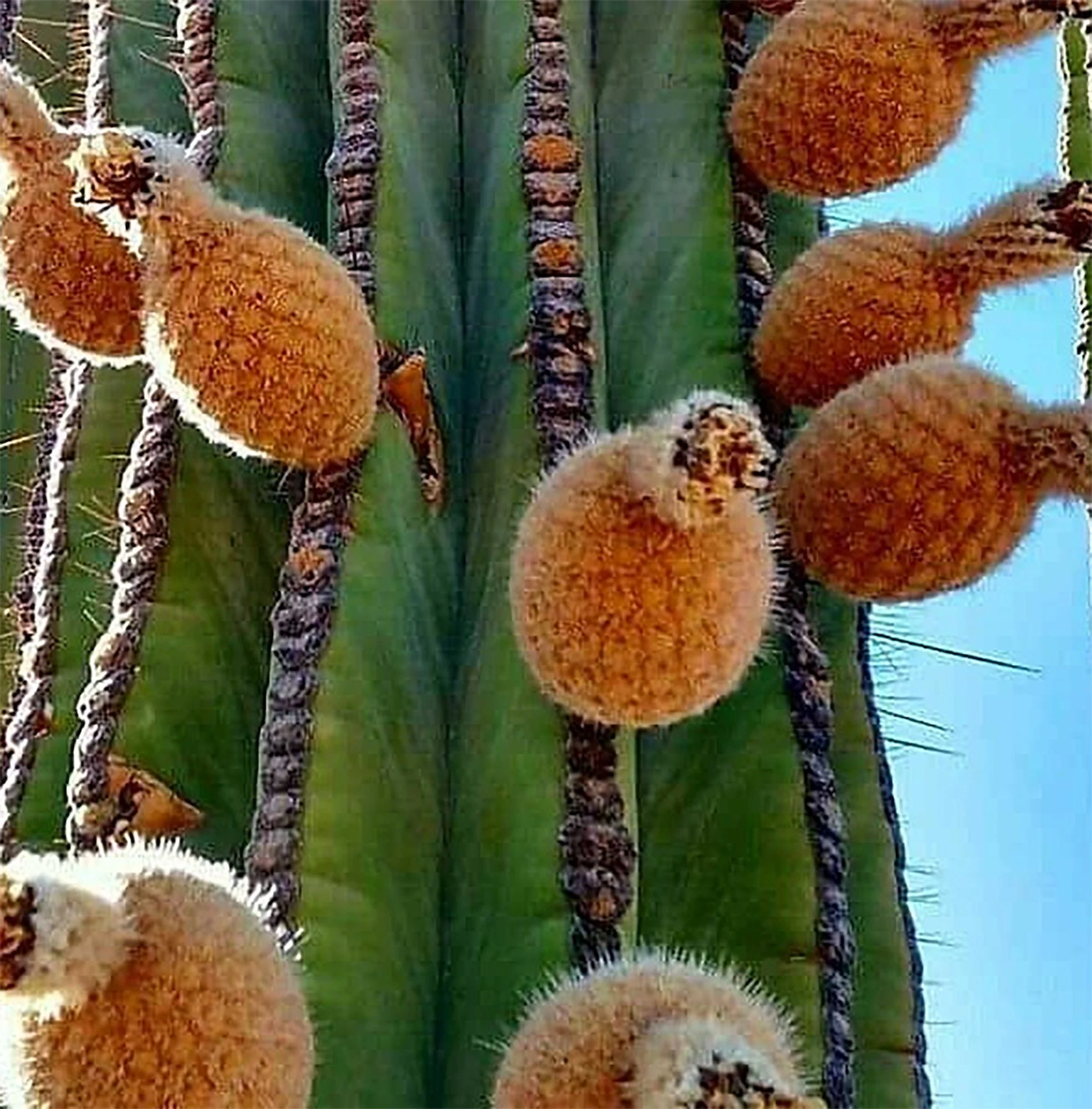 Image 3 of 6
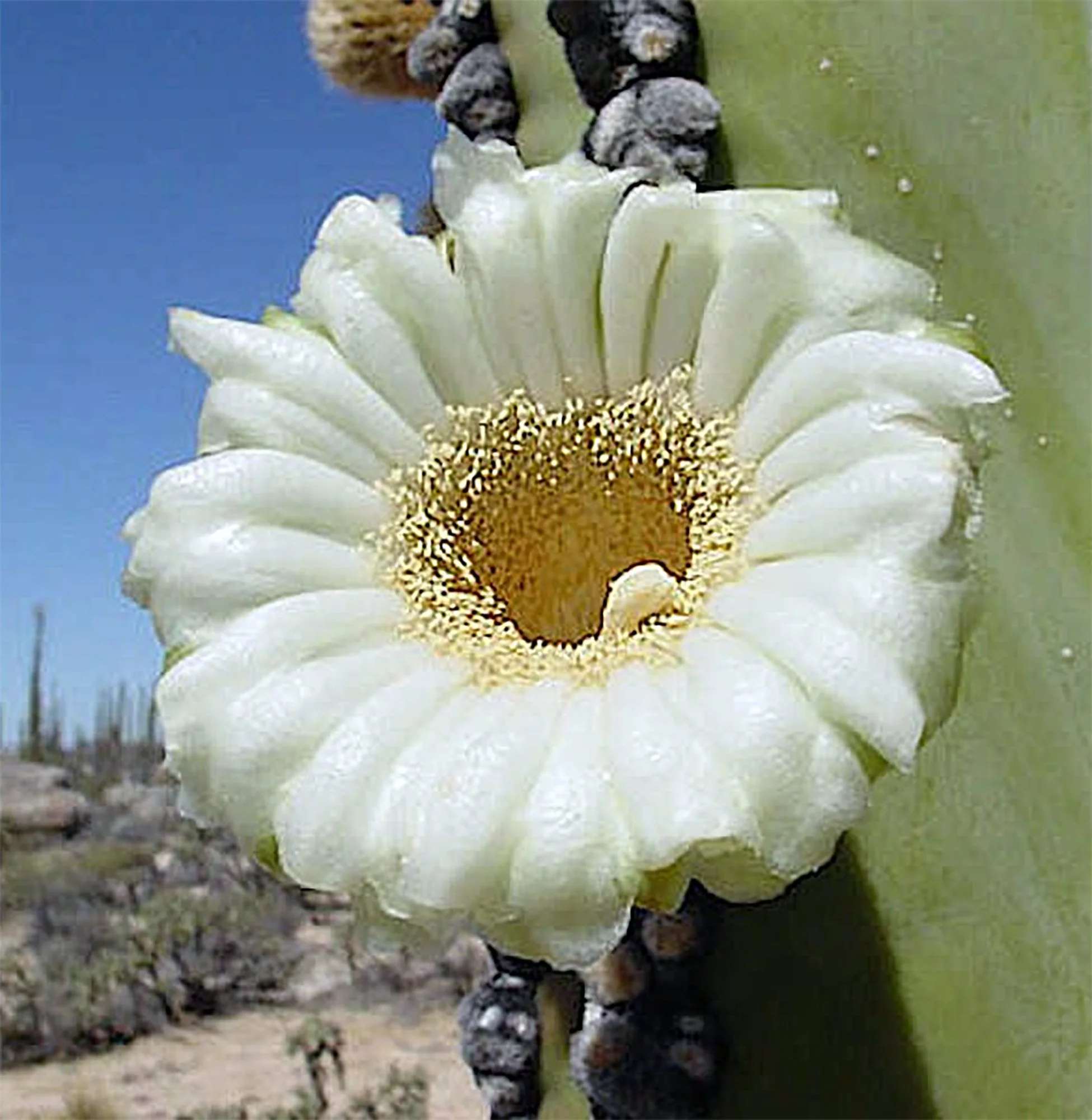 Image 4 of 6
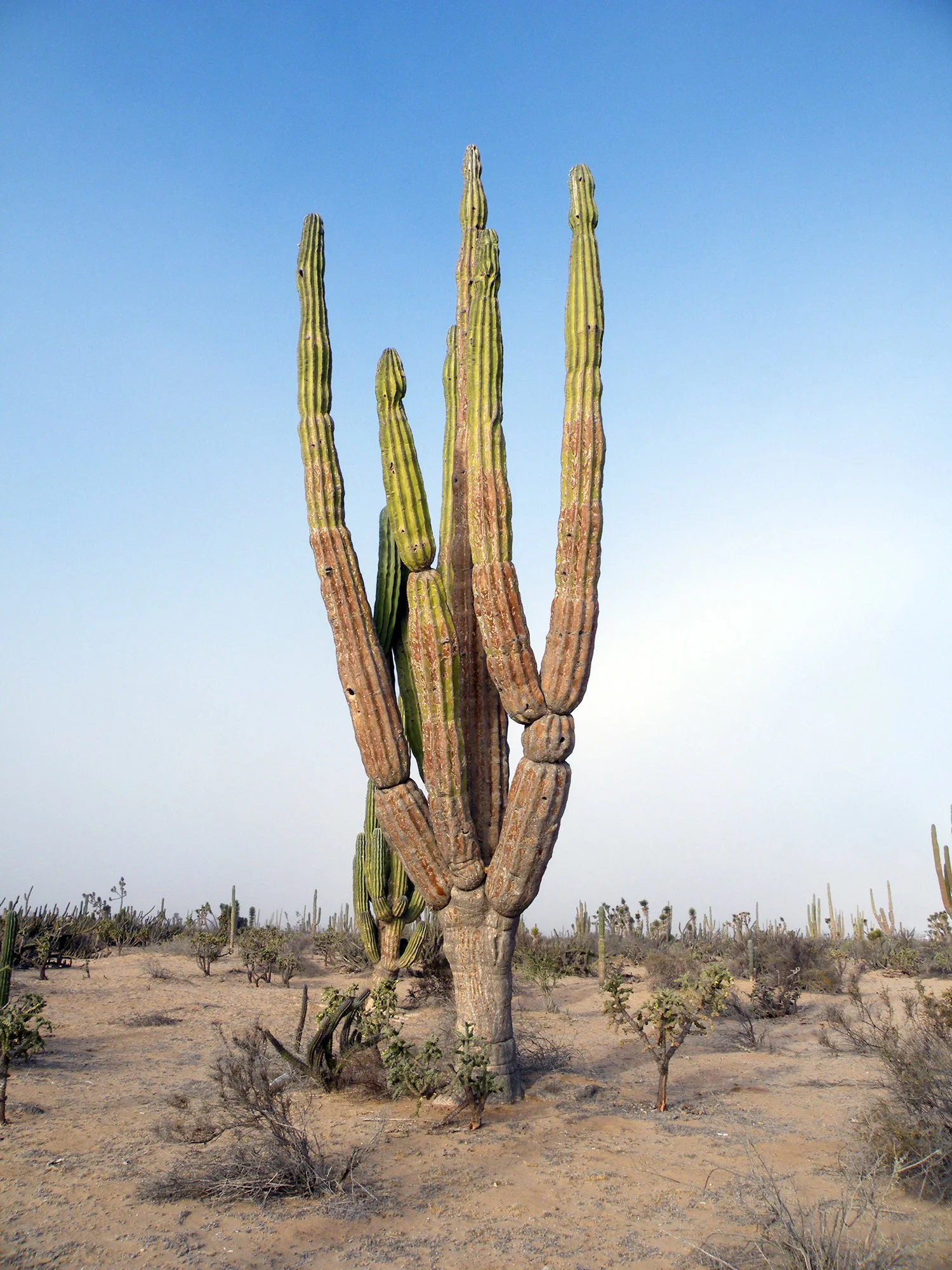 Image 5 of 6
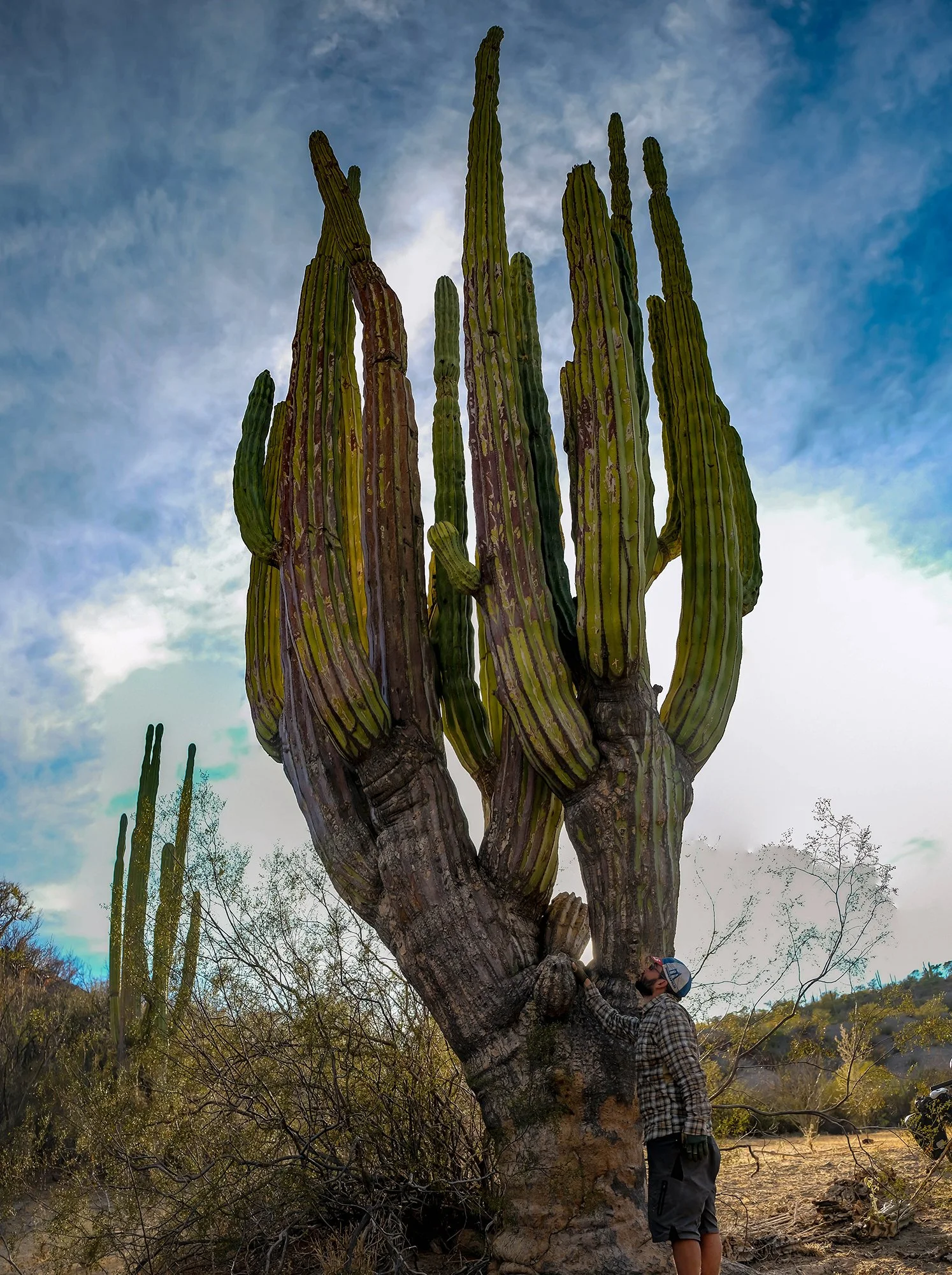 Image 6 of 6