 Image 1 of 3
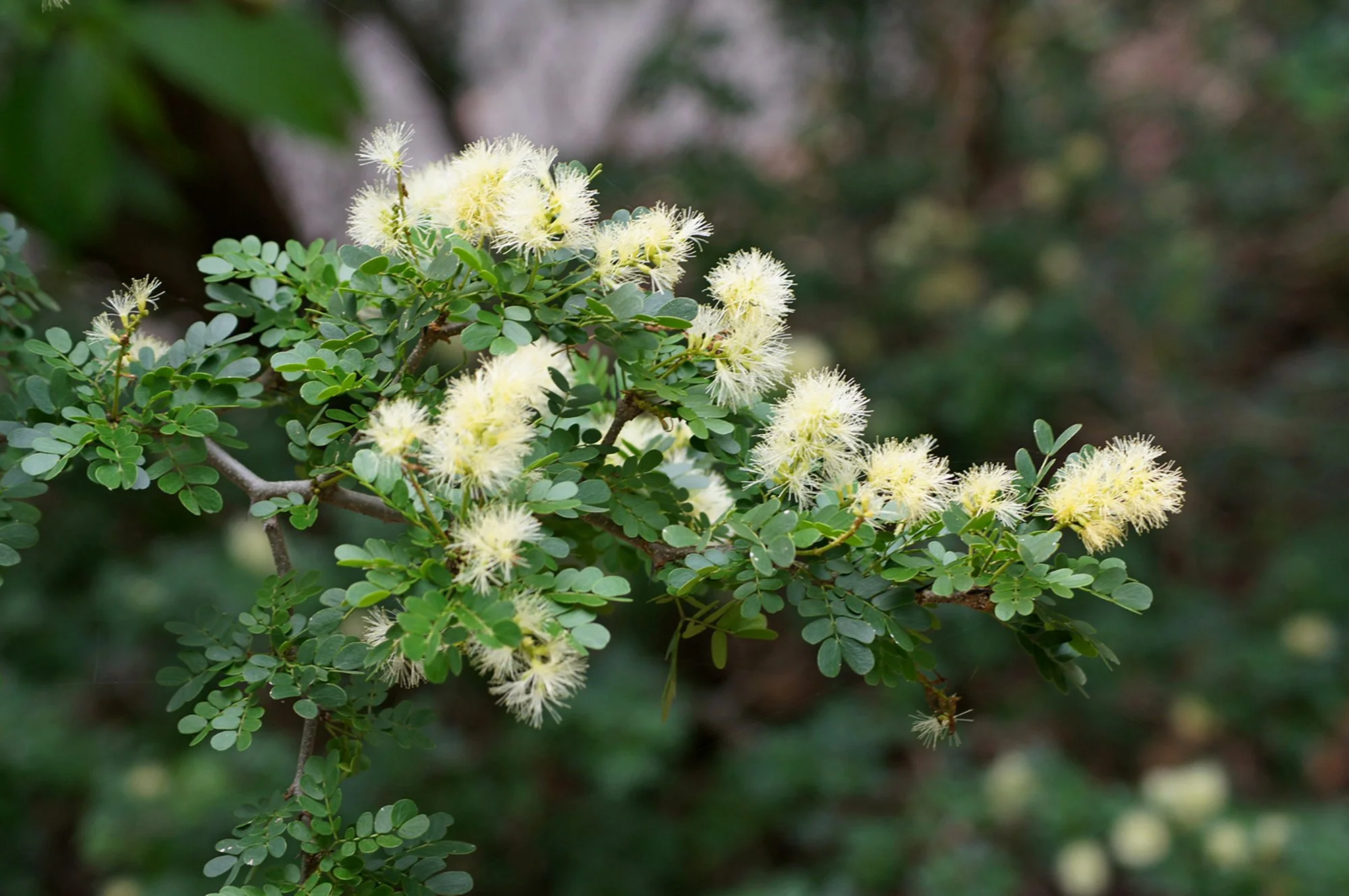 Image 2 of 3
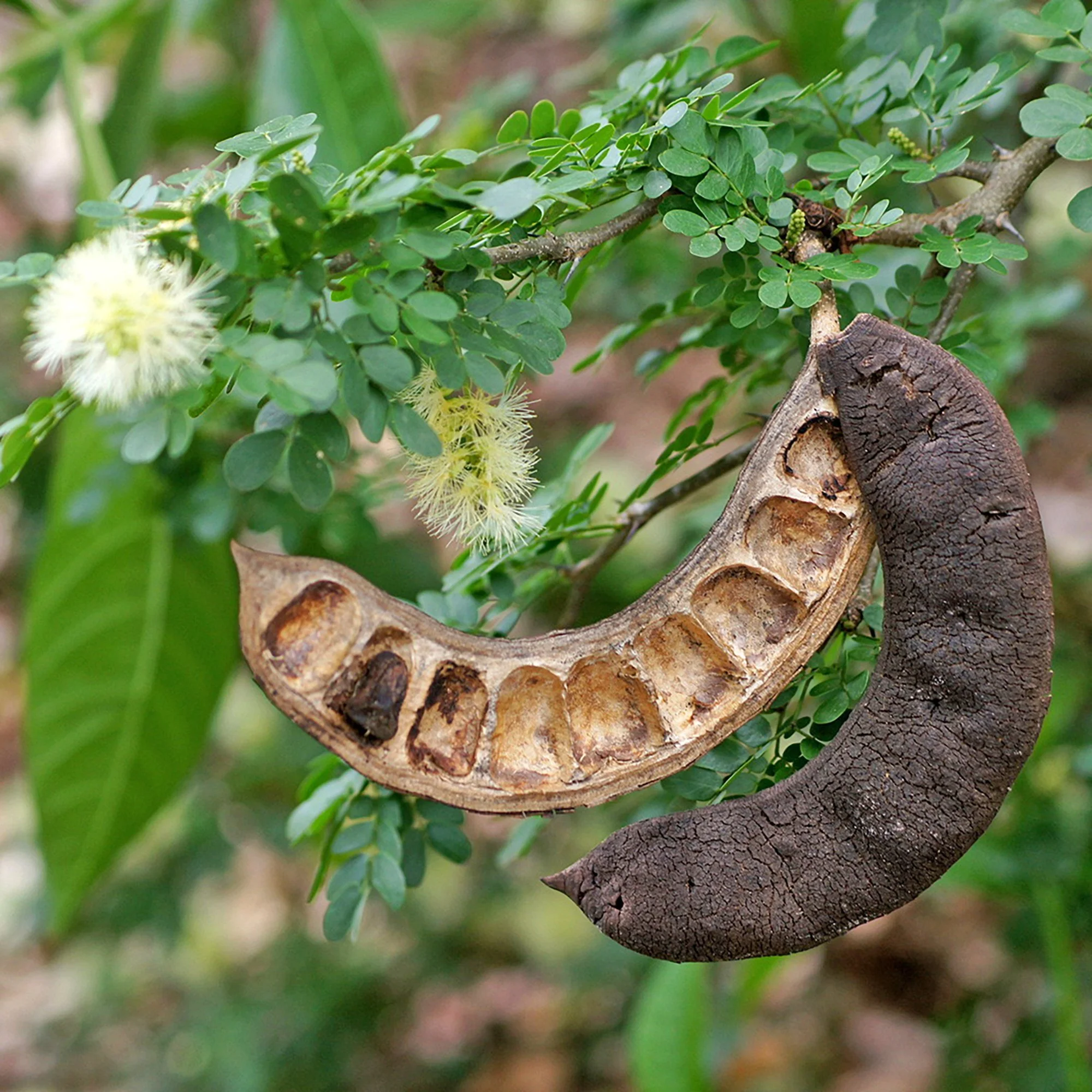 Image 3 of 3
Botanical Name: Ebenopsis ebano
Common Names: Ebony Tree, Mexican Ebony, Texas Ebony
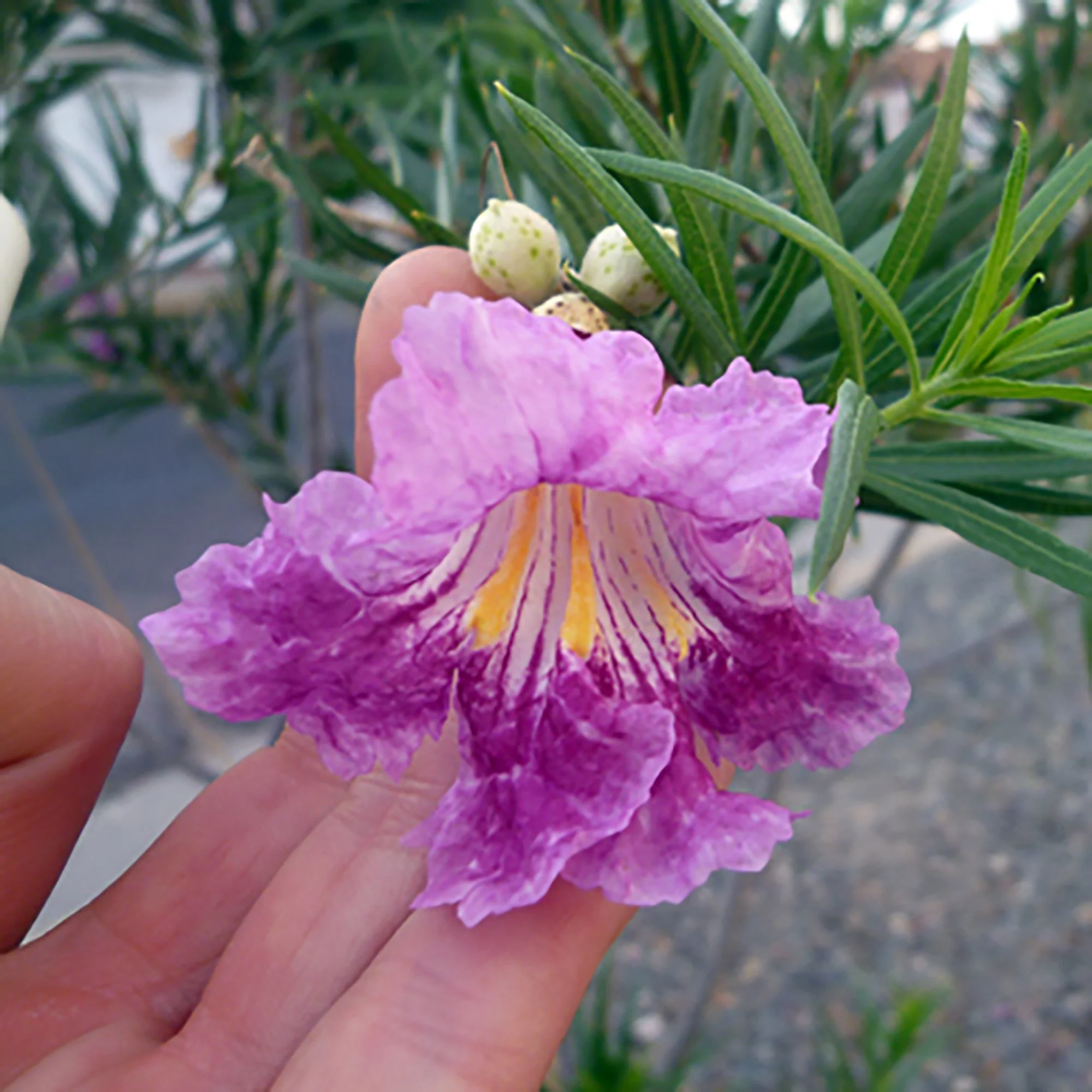
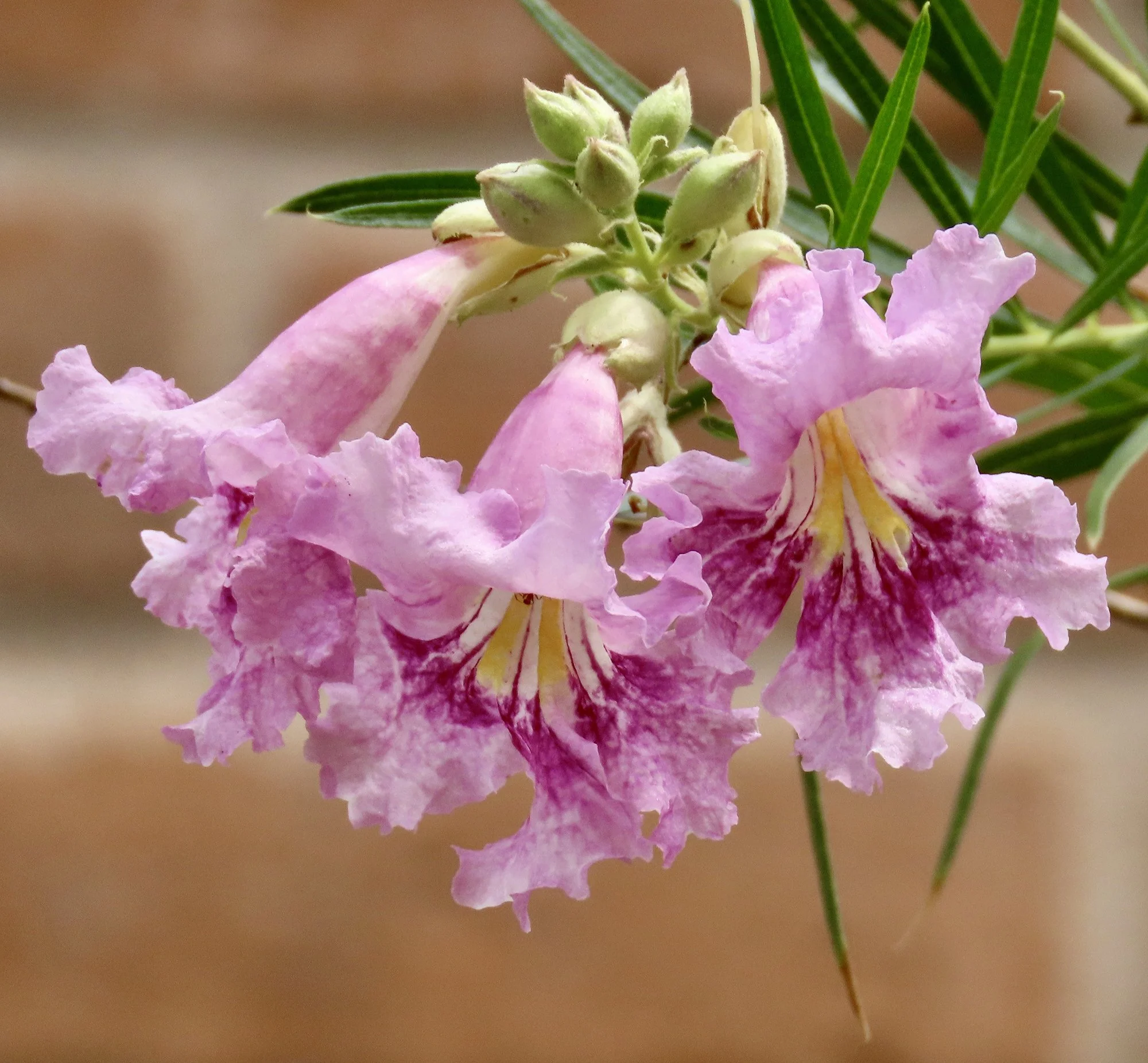
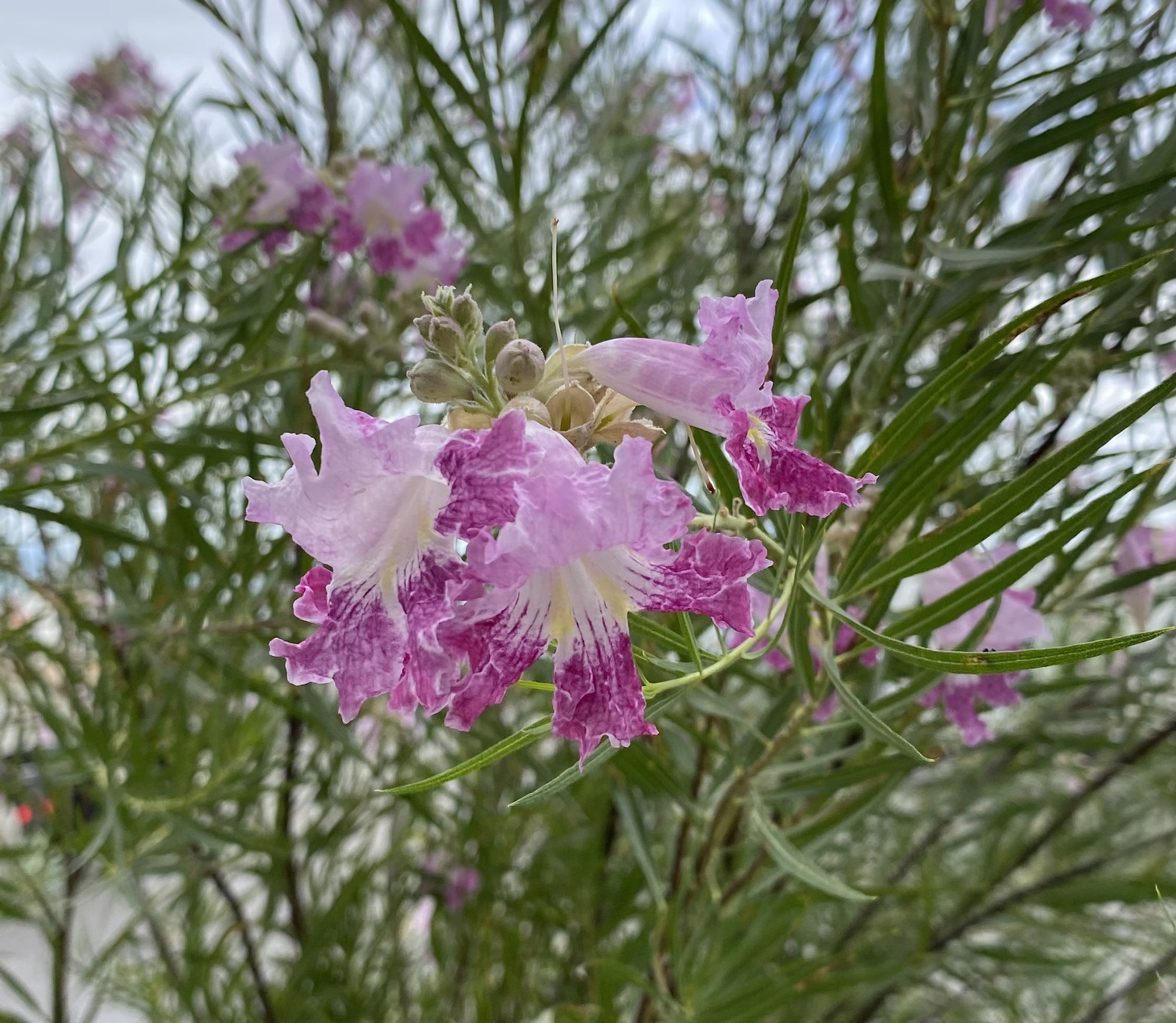
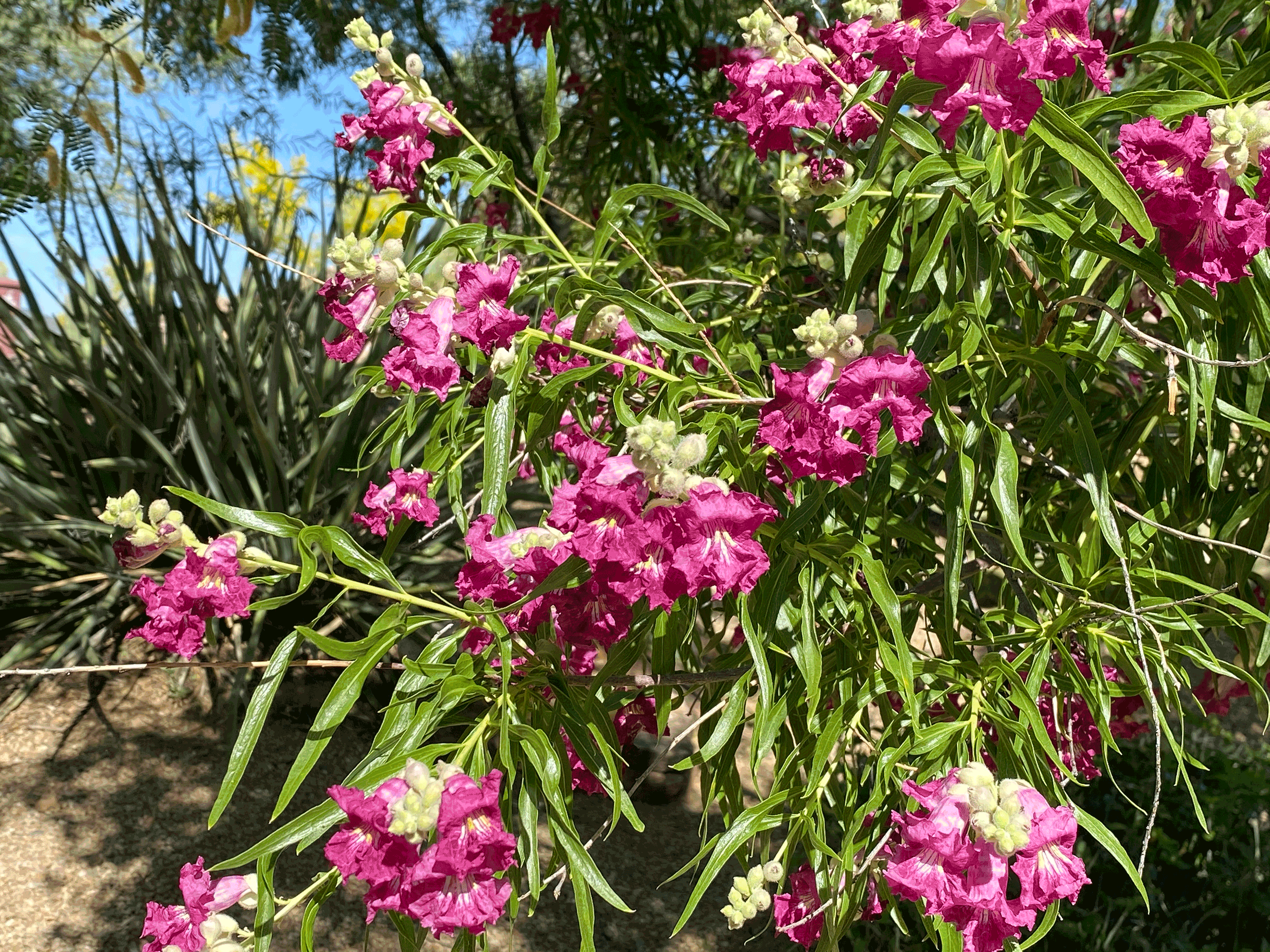
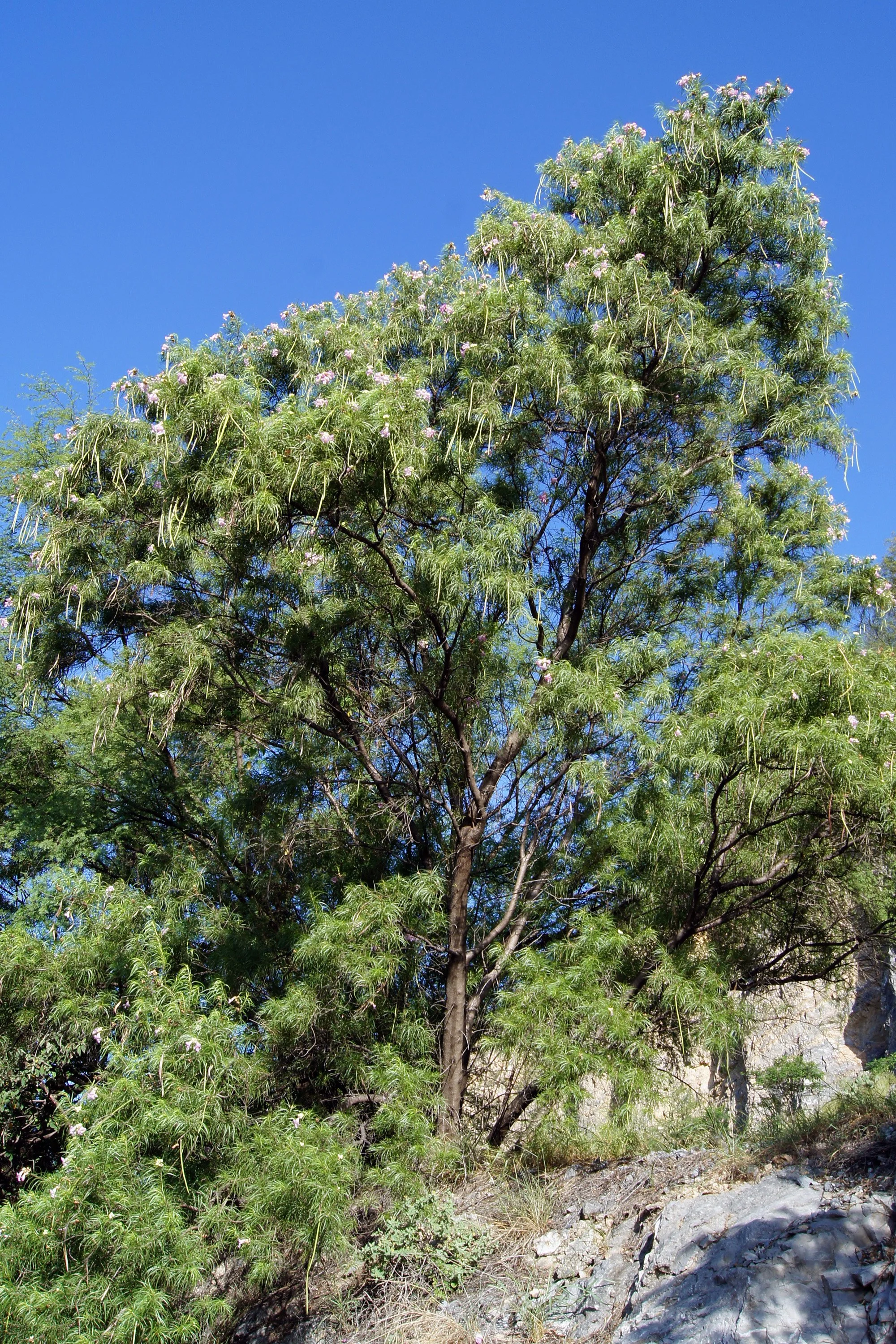
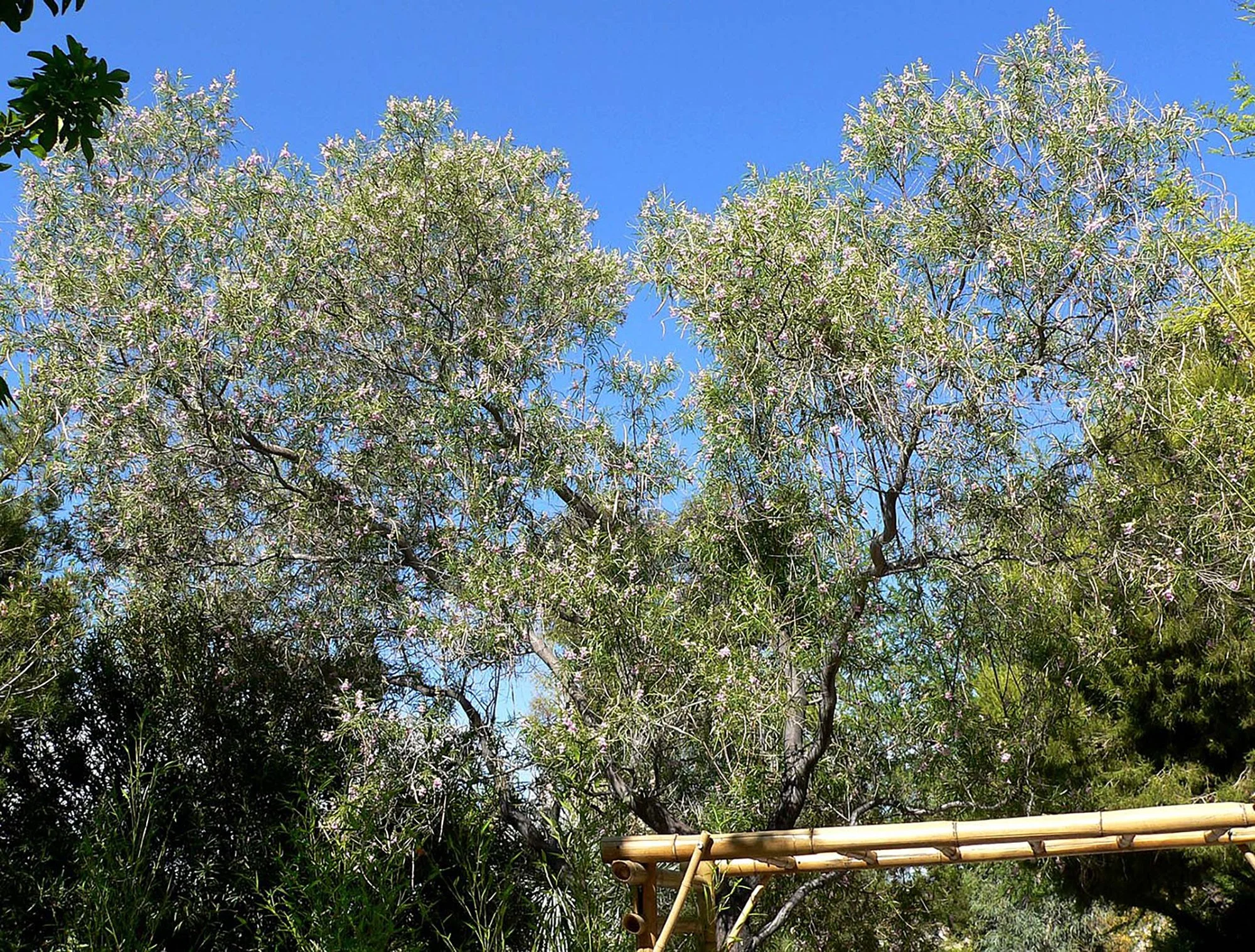
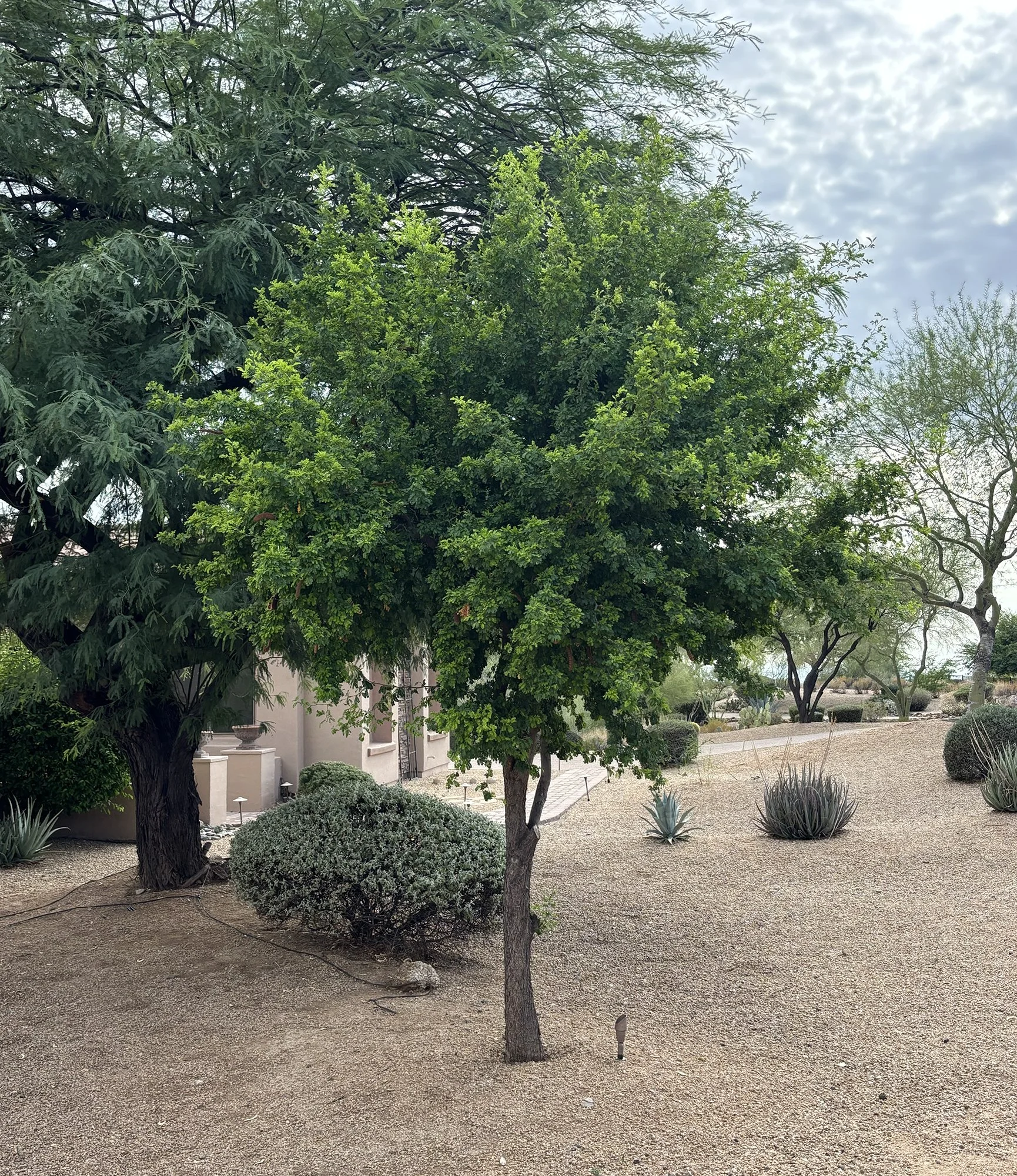
Ebenopsis ebano is a small to medium-sized, drought-tolerant tree native to southern Texas and northeastern Mexico. It features a dense, rounded canopy of feathery, dark green foliage and produces clusters of fragrant white flowers in spring, attracting pollinators like bees and butterflies. Known for its striking dark, almost black bark, this hardy tree is ideal for xeriscape landscapes, desert gardens, and large containers. Mature specimens typically reach 20–30 feet tall and 15–25 feet wide.
Care and Cultivation:
Prefers full sun
Water sparingly once established; drought-tolerant
Use well-draining soil for best growth
Excellent for landscapes, parks, and large containers
Frost Tolerance and Cold Hardiness:
Best suited for USDA Zones 9–11
Can tolerate brief cold down to 20°F (-6°C)
Protect young trees from frost
Ideal growing temperatures: 60–95°F (16–35°C)
Winter Dormancy and Health:
Deciduous in cooler climates; may lose leaves during winter
Growth slows significantly in winter
Reduce watering to prevent root rot
Can tolerate occasional cool snaps if soil is dry
Notes:
Dense, rounded canopy provides shade
Fragrant white flowers attract pollinators
Striking dark bark adds ornamental interest
Low-maintenance, drought-tolerant tree
Botanical Name: Ebenopsis ebano
Common Names: Ebony Tree, Mexican Ebony, Texas Ebony
Ebenopsis ebano is a small to medium-sized, drought-tolerant tree native to southern Texas and northeastern Mexico. It features a dense, rounded canopy of feathery, dark green foliage and produces clusters of fragrant white flowers in spring, attracting pollinators like bees and butterflies. Known for its striking dark, almost black bark, this hardy tree is ideal for xeriscape landscapes, desert gardens, and large containers. Mature specimens typically reach 20–30 feet tall and 15–25 feet wide.
Care and Cultivation:
Prefers full sun
Water sparingly once established; drought-tolerant
Use well-draining soil for best growth
Excellent for landscapes, parks, and large containers
Frost Tolerance and Cold Hardiness:
Best suited for USDA Zones 9–11
Can tolerate brief cold down to 20°F (-6°C)
Protect young trees from frost
Ideal growing temperatures: 60–95°F (16–35°C)
Winter Dormancy and Health:
Deciduous in cooler climates; may lose leaves during winter
Growth slows significantly in winter
Reduce watering to prevent root rot
Can tolerate occasional cool snaps if soil is dry
Notes:
Dense, rounded canopy provides shade
Fragrant white flowers attract pollinators
Striking dark bark adds ornamental interest
Low-maintenance, drought-tolerant tree