 Image 1 of 3
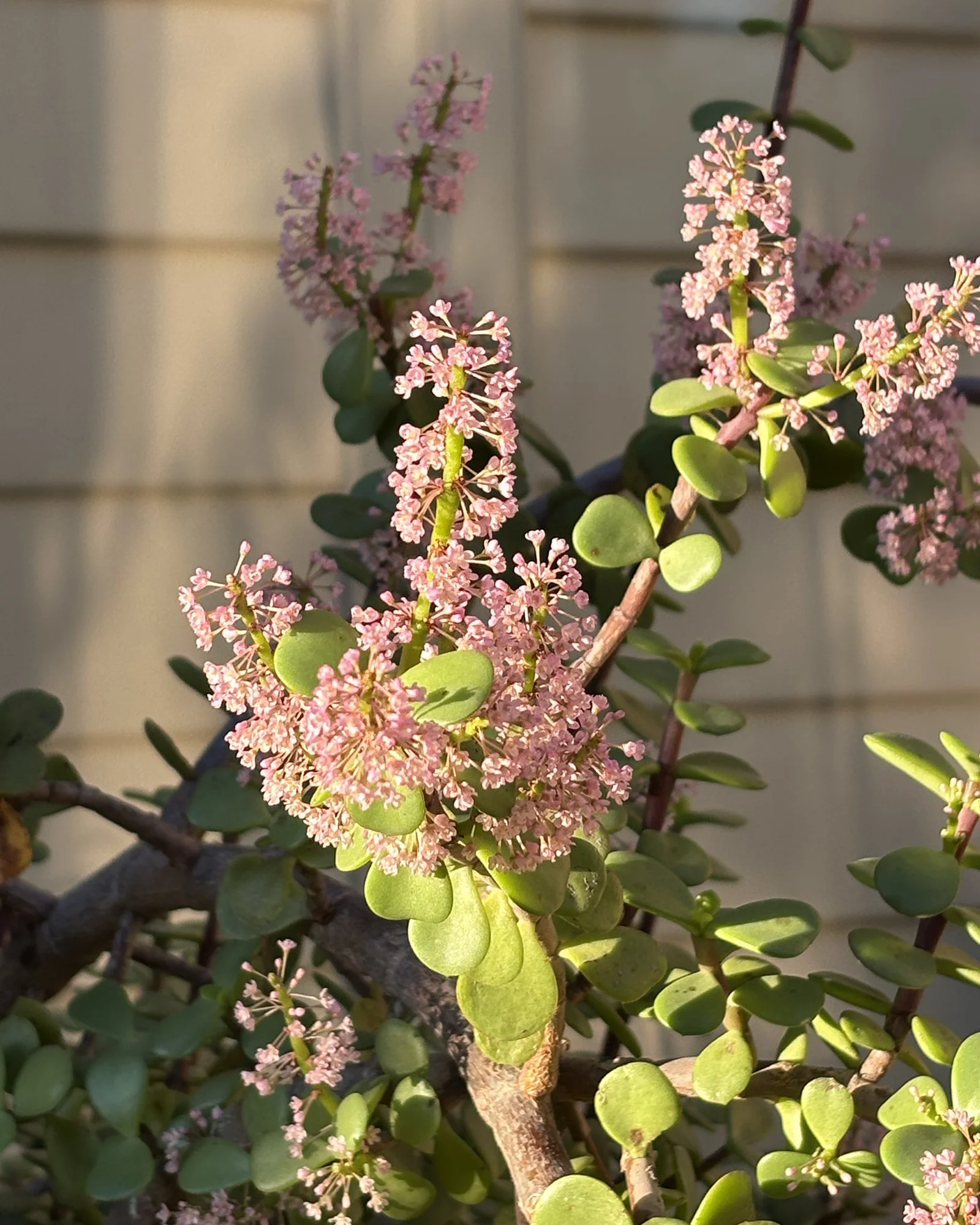 Image 2 of 3
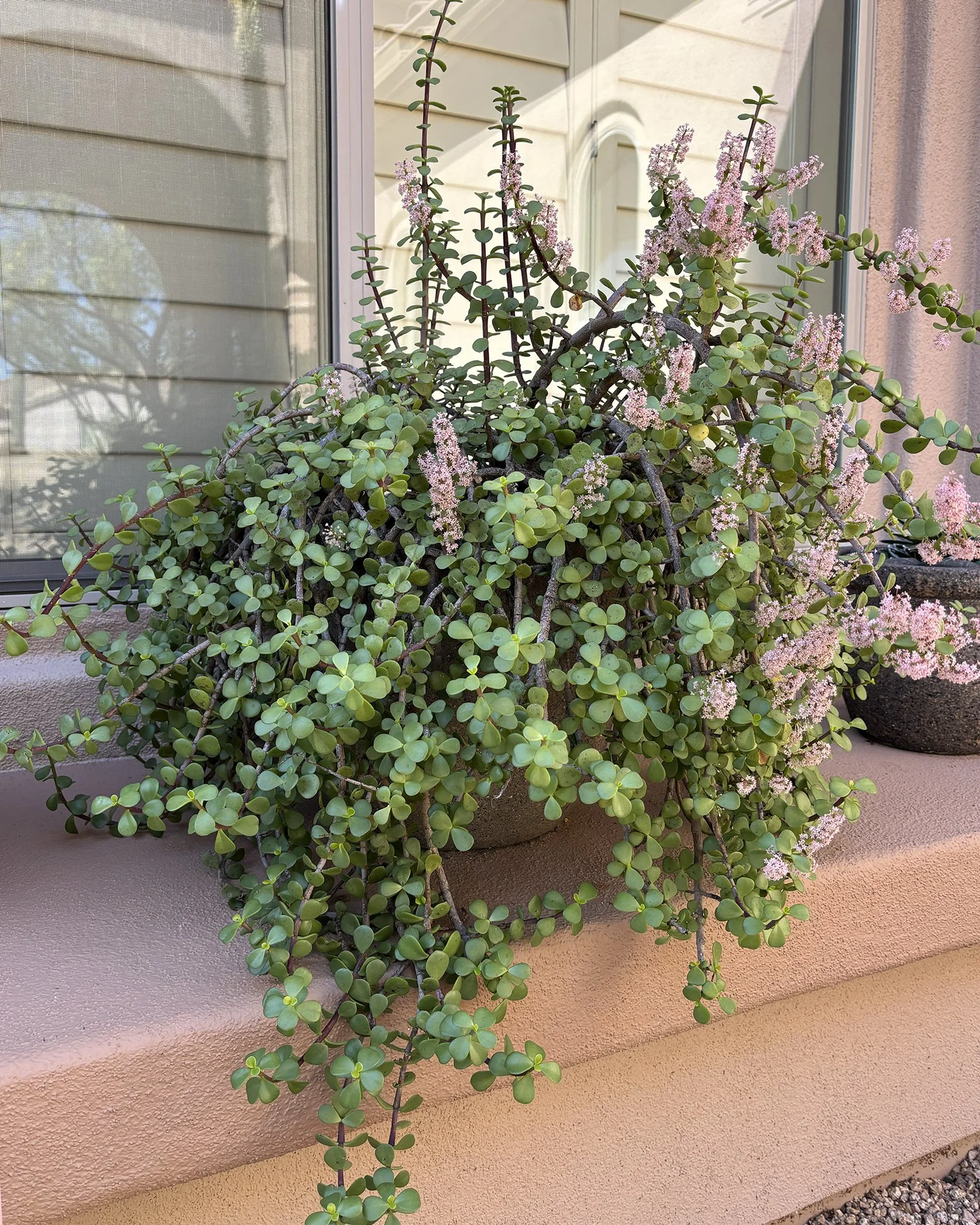 Image 3 of 3
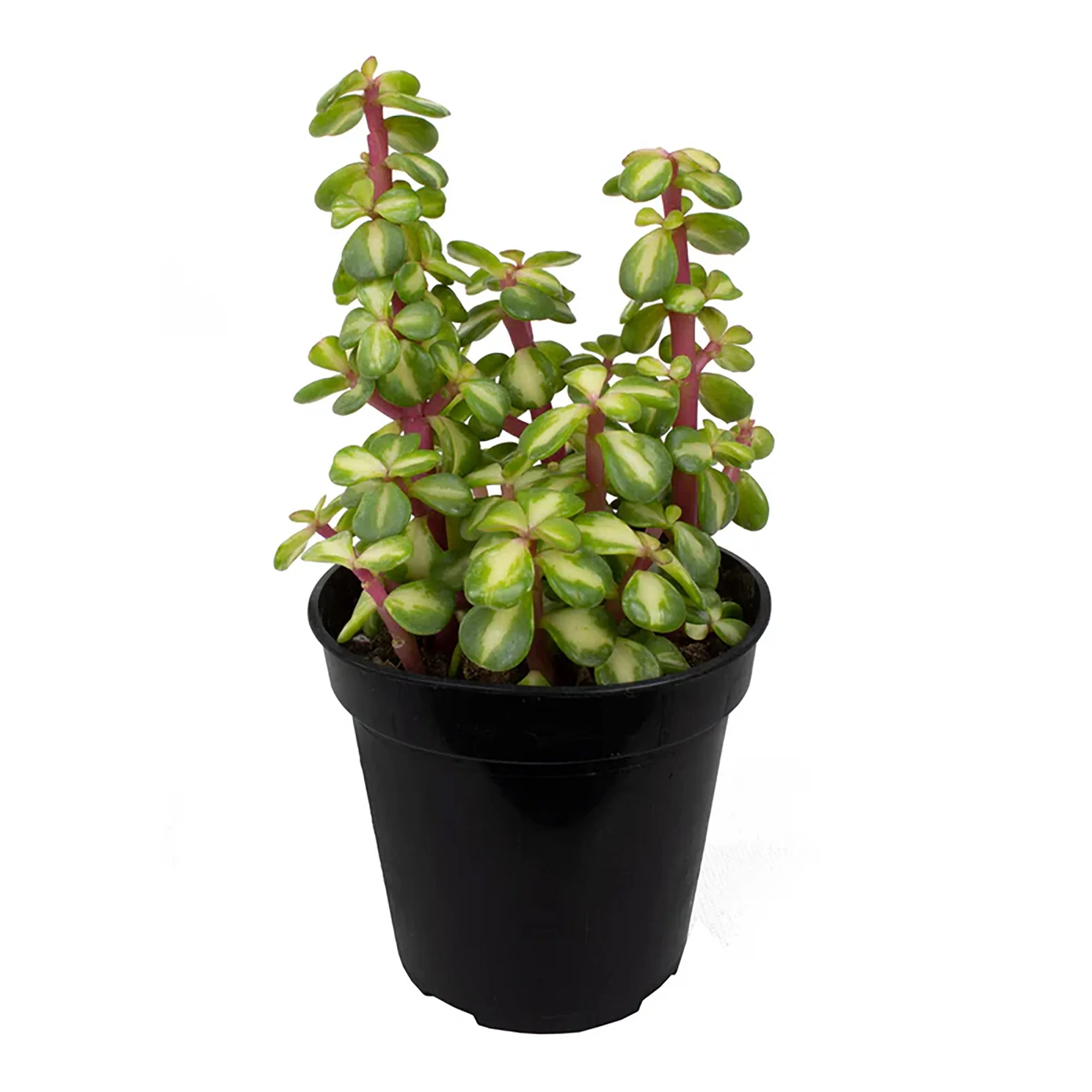
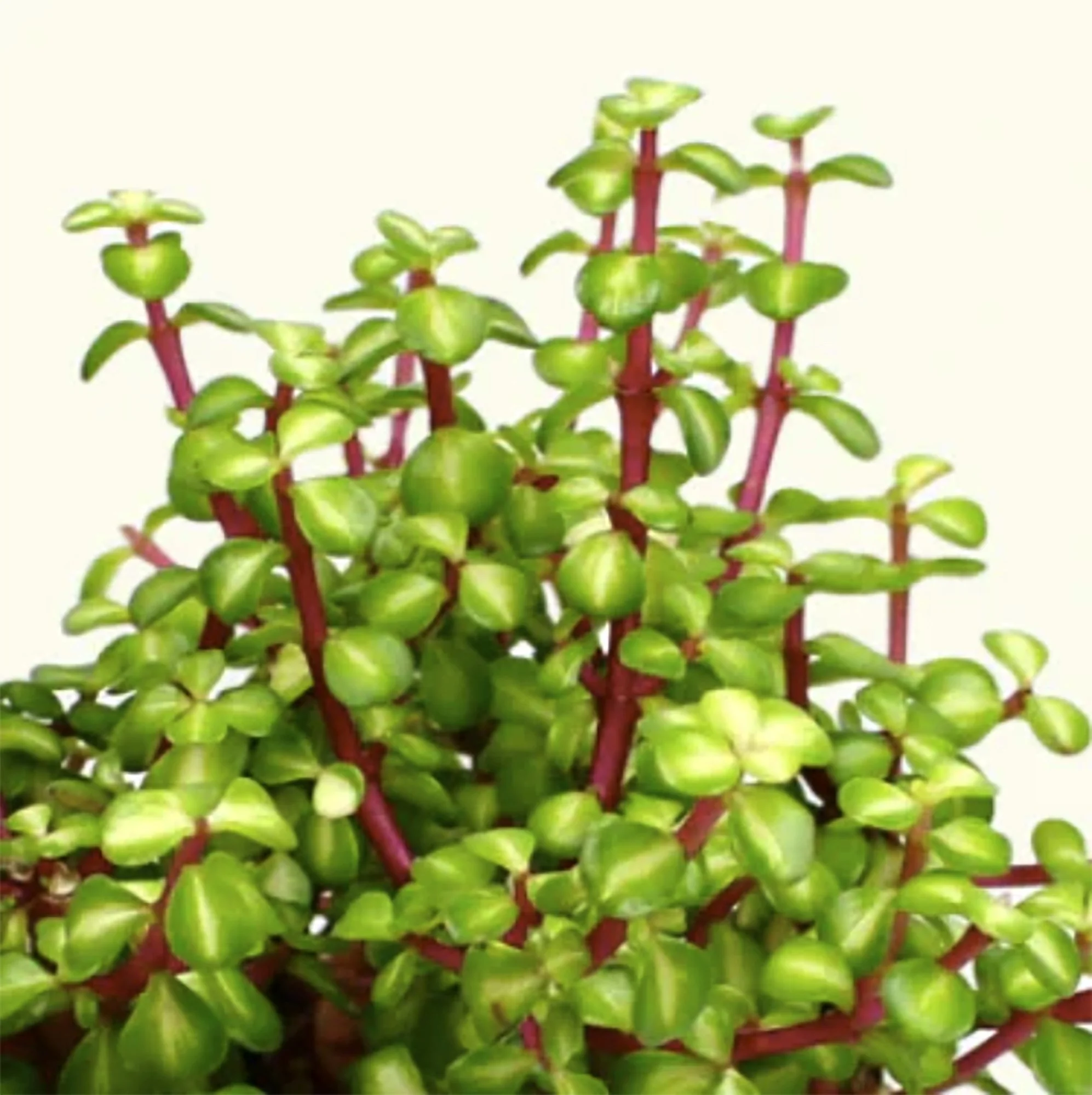
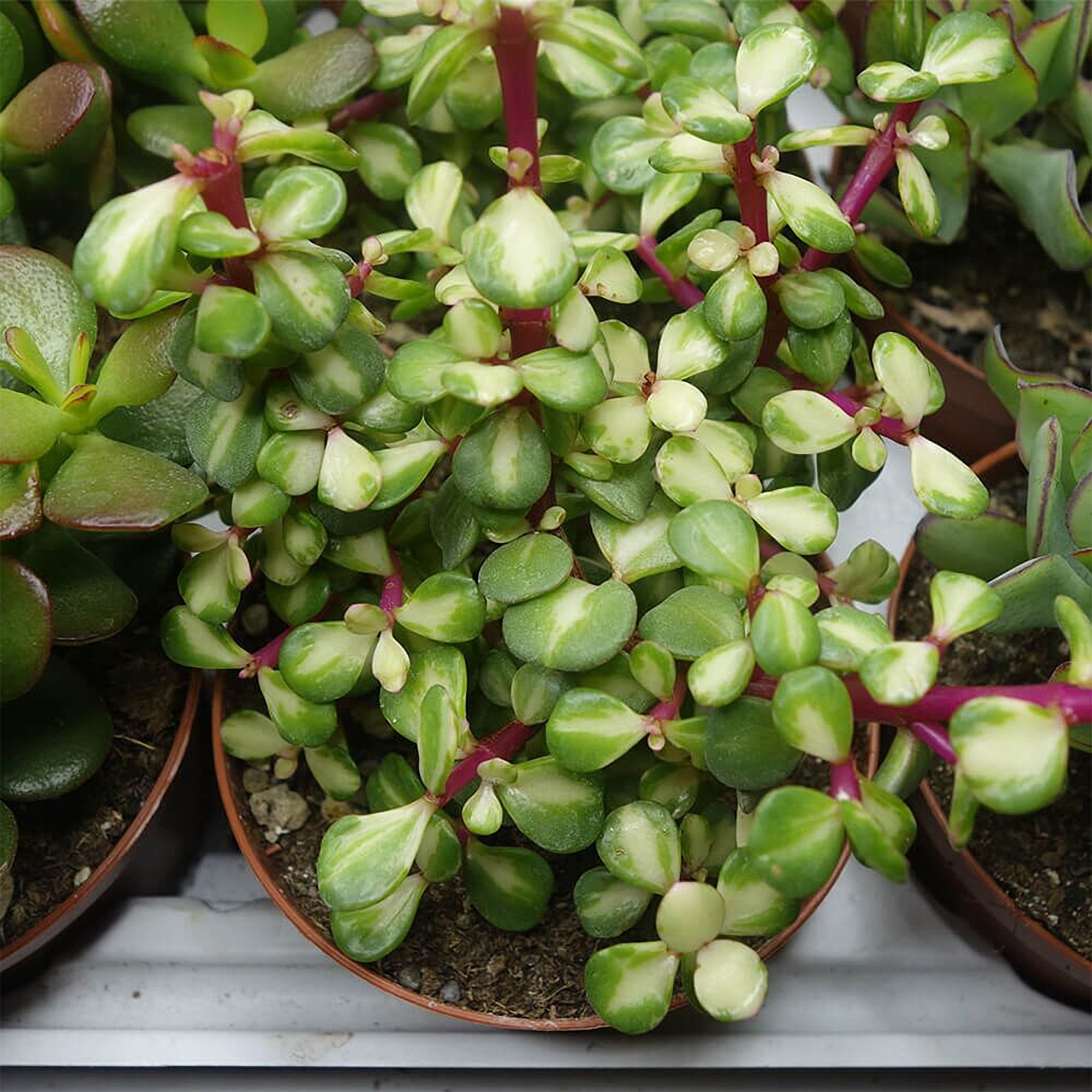
Botanical Name: Portulacaria afra
Common Names: Elephant Bush, Dwarf Jade, Porkbush
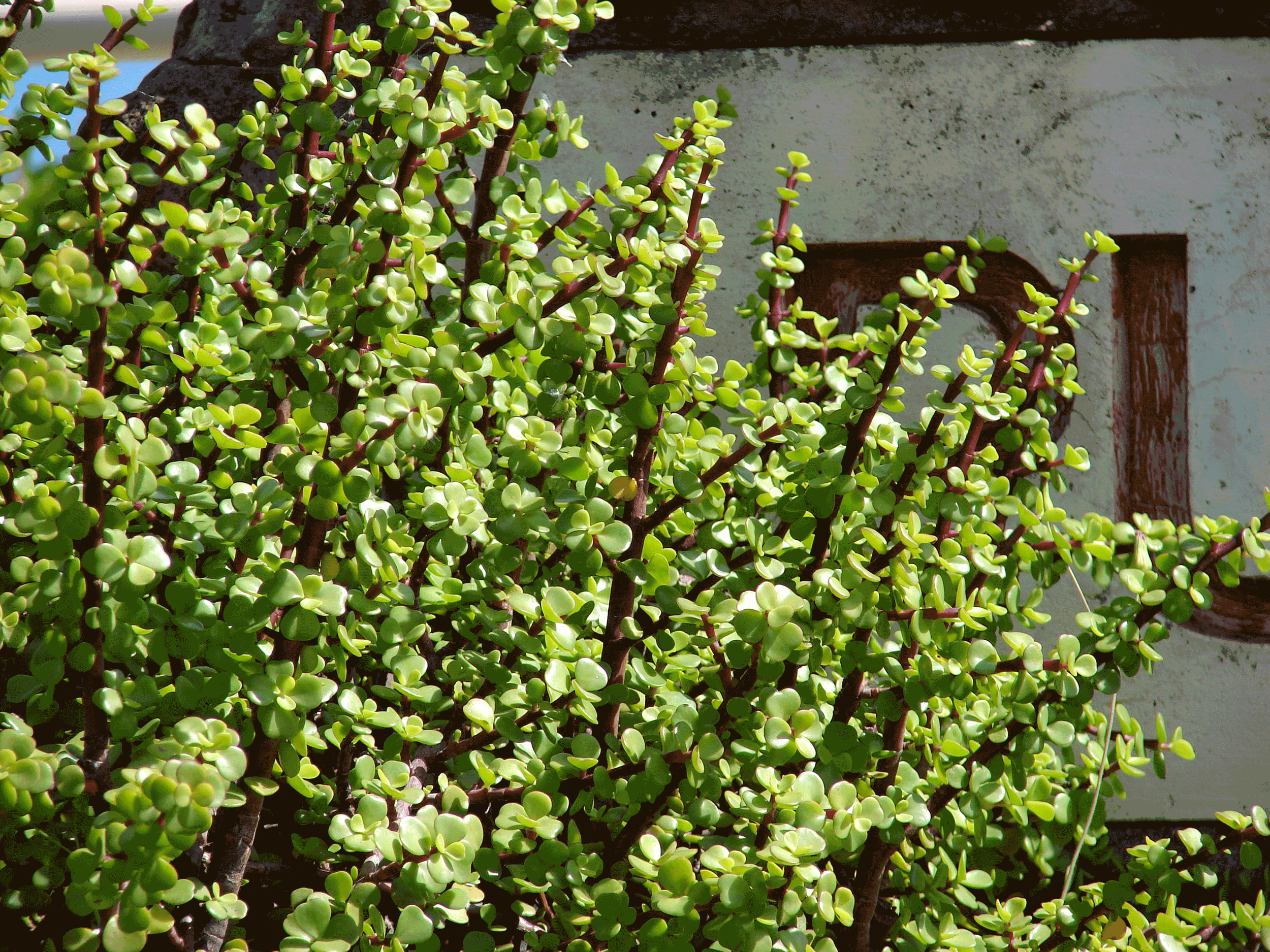
Portulacaria afra is a versatile, slow-growing succulent native to South Africa. It forms dense, woody shrubs with small, thick, round to oval leaves in bright green. Highly adaptable, it is used for bonsai, container planting, groundcover, and xeriscape landscapes. Mature plants typically reach 6–10 feet tall and 6–8 feet wide in the landscape, but are smaller in containers.
Care and Cultivation:
Prefers bright light to full sun
Water sparingly; allow soil to dry between waterings
Use a fast-draining succulent or cactus soil mix
Excellent for containers, bonsai, and dry gardens
Frost Tolerance and Cold Hardiness:
Best suited for USDA Zones 9–11
Can tolerate brief cold down to about 25°F (-4°C) when dry
Protect from prolonged freezing and excess moisture
Ideal growing temperatures: 60–85°F (16–29°C)
Winter Dormancy and Health:
Growth slows in cooler months
Reduce watering significantly in winter
Maintain bright light for healthy growth
Notes:
Drought-tolerant and low-maintenance
Produces small pink flowers in summer in optimal conditions
Excellent for bonsai and container displays
Can be trained or pruned for hedges and topiary
Botanical Name: Portulacaria afra
Common Names: Elephant Bush, Dwarf Jade, Porkbush
Portulacaria afra is a versatile, slow-growing succulent native to South Africa. It forms dense, woody shrubs with small, thick, round to oval leaves in bright green. Highly adaptable, it is used for bonsai, container planting, groundcover, and xeriscape landscapes. Mature plants typically reach 6–10 feet tall and 6–8 feet wide in the landscape, but are smaller in containers.
Care and Cultivation:
Prefers bright light to full sun
Water sparingly; allow soil to dry between waterings
Use a fast-draining succulent or cactus soil mix
Excellent for containers, bonsai, and dry gardens
Frost Tolerance and Cold Hardiness:
Best suited for USDA Zones 9–11
Can tolerate brief cold down to about 25°F (-4°C) when dry
Protect from prolonged freezing and excess moisture
Ideal growing temperatures: 60–85°F (16–29°C)
Winter Dormancy and Health:
Growth slows in cooler months
Reduce watering significantly in winter
Maintain bright light for healthy growth
Notes:
Drought-tolerant and low-maintenance
Produces small pink flowers in summer in optimal conditions
Excellent for bonsai and container displays
Can be trained or pruned for hedges and topiary