
 Image 1 of 4
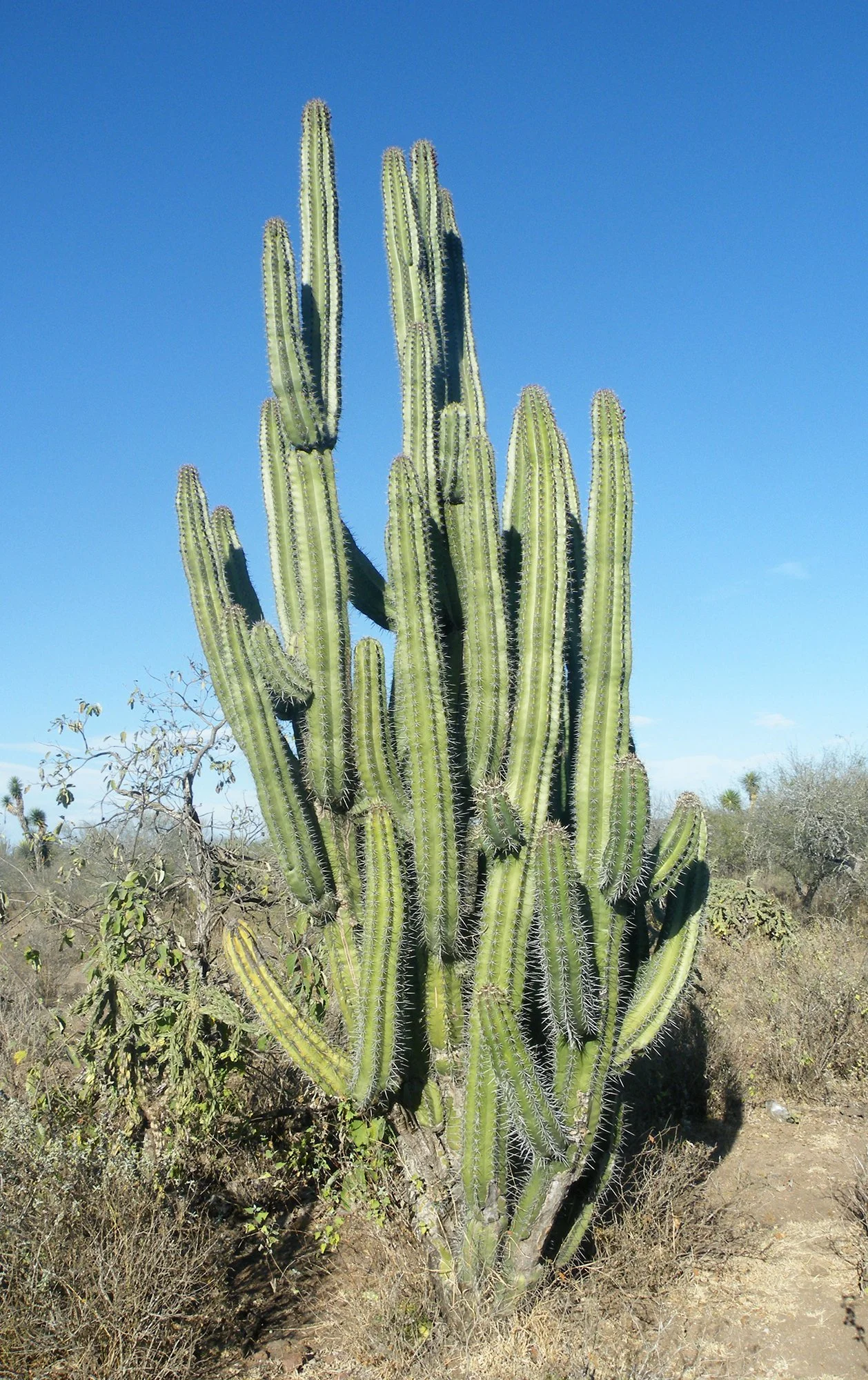 Image 2 of 4
 Image 3 of 4
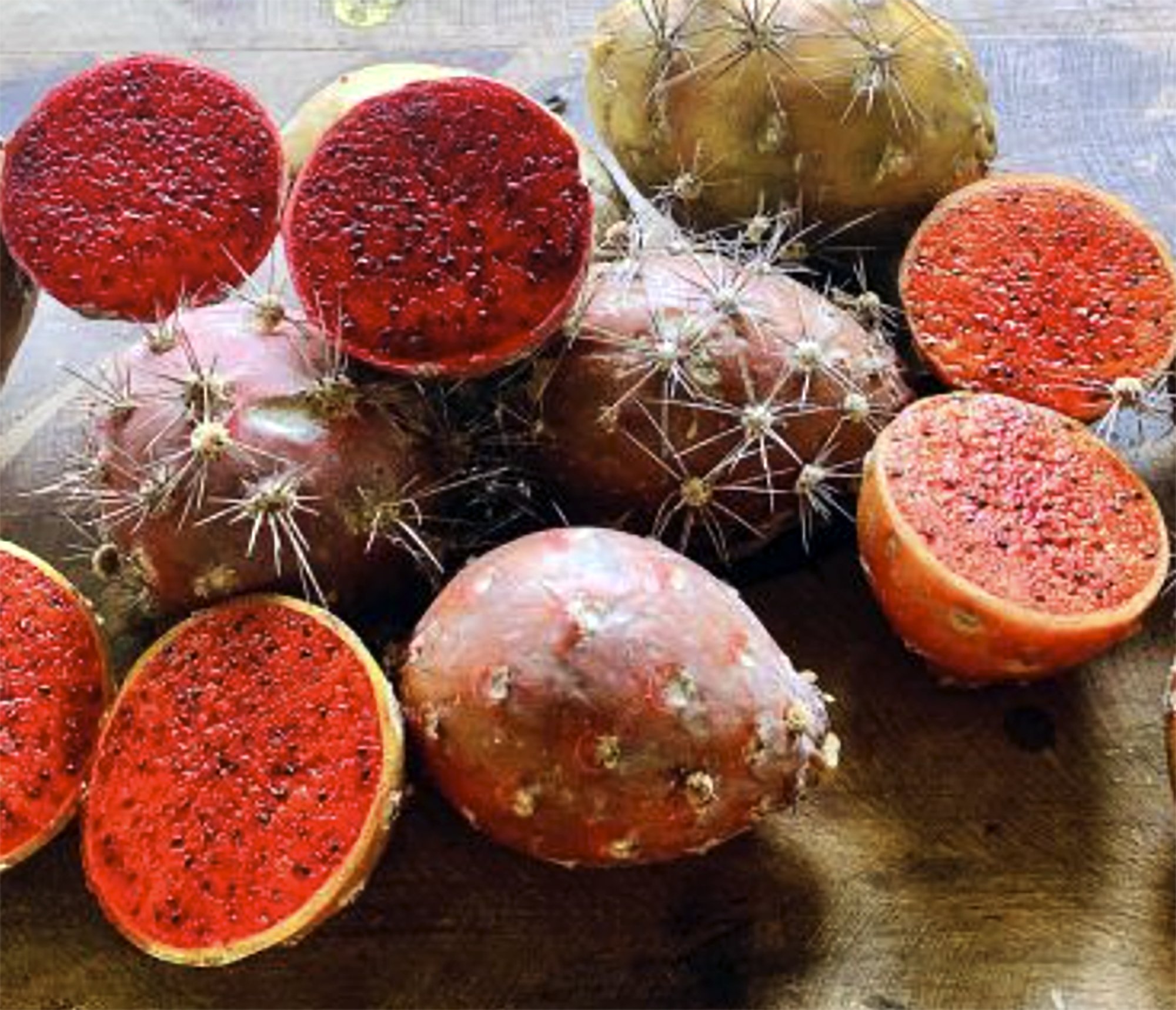 Image 4 of 4
Botanical Name: Stenocereus pruinosus
Common Names: Gray Ghost Organ Pipe Cactus
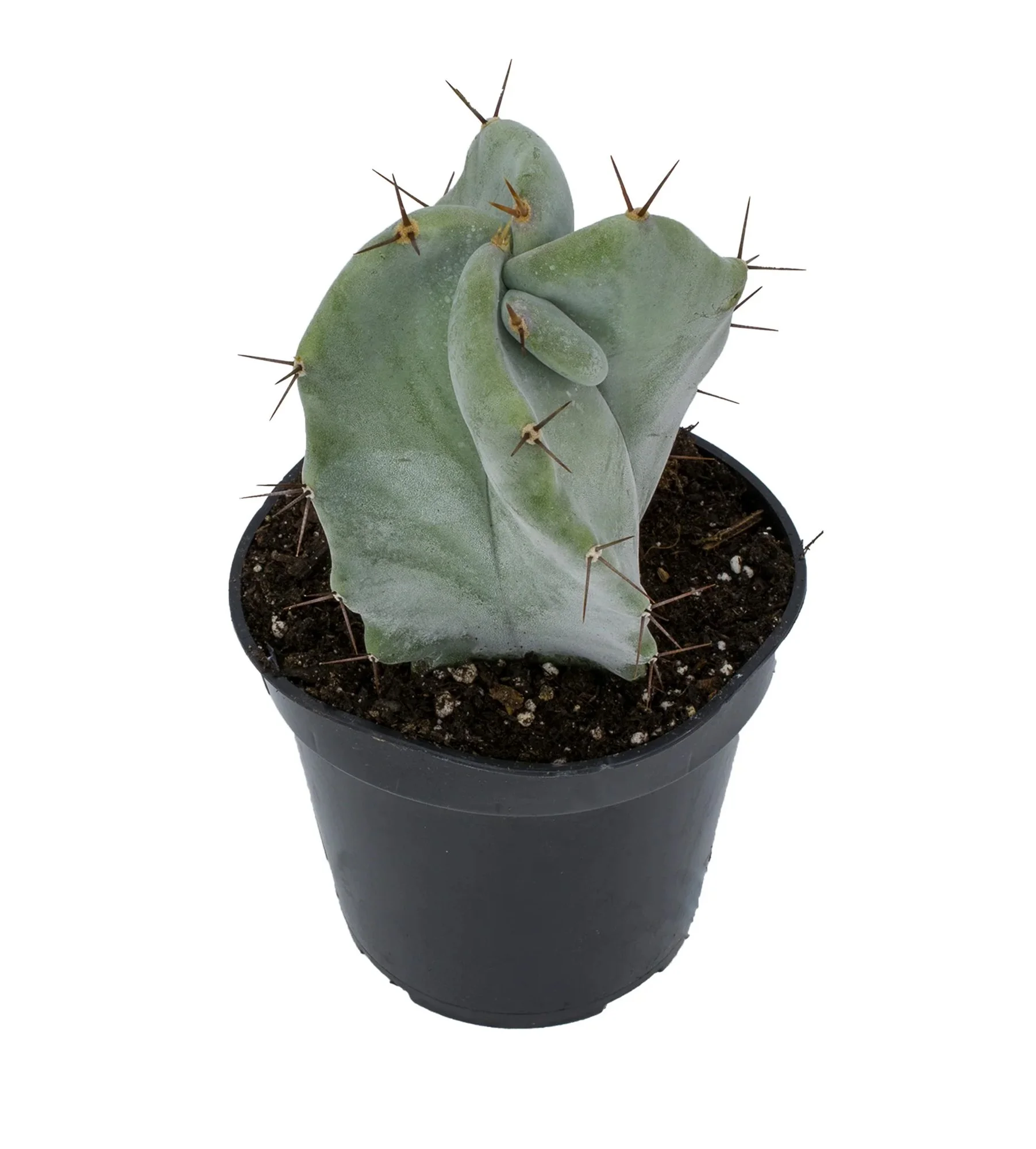
Stenocereus pruinosus is a striking columnar cactus native to southern Mexico, where it grows in arid and seasonally dry tropical regions. It forms multiple upright, branching stems, each coated in a distinctive blue-gray, powdery bloom, earning it the common name “Gray Ghost.” This sculptural species develops a candelabra-like form over time and is also known for producing edible pitaya fruit on mature plants. In the ground, it can reach 12–20 feet tall and 8–15 feet wide, while container-grown specimens remain much smaller.
Care and Cultivation:
Prefers full sun
Water sparingly; drought-tolerant once established
Use fast-draining cactus or sandy soil
Ideal growing temperature range: 70–100°F (21–38°C)
Well-suited for desert landscapes and large containers
Frost Tolerance and Cold Hardiness:
Best suited for USDA Zones 9b–11
Cold hardy to about 28°F (-2°C) for brief periods
Protect from prolonged freezing and winter moisture
Winter Dormancy and Health:
Growth slows during cooler months
Reduce watering significantly in winter
Keep soil dry to prevent cold damage
Notes:
Blue-gray, powdery stems with dramatic architectural form
Produces edible pitaya fruit on mature plants
Long-lived and extremely drought-tolerant
Excellent specimen cactus for warm, arid climates
Botanical Name: Stenocereus pruinosus
Common Names: Gray Ghost Organ Pipe Cactus
Stenocereus pruinosus is a striking columnar cactus native to southern Mexico, where it grows in arid and seasonally dry tropical regions. It forms multiple upright, branching stems, each coated in a distinctive blue-gray, powdery bloom, earning it the common name “Gray Ghost.” This sculptural species develops a candelabra-like form over time and is also known for producing edible pitaya fruit on mature plants. In the ground, it can reach 12–20 feet tall and 8–15 feet wide, while container-grown specimens remain much smaller.
Care and Cultivation:
Prefers full sun
Water sparingly; drought-tolerant once established
Use fast-draining cactus or sandy soil
Ideal growing temperature range: 70–100°F (21–38°C)
Well-suited for desert landscapes and large containers
Frost Tolerance and Cold Hardiness:
Best suited for USDA Zones 9b–11
Cold hardy to about 28°F (-2°C) for brief periods
Protect from prolonged freezing and winter moisture
Winter Dormancy and Health:
Growth slows during cooler months
Reduce watering significantly in winter
Keep soil dry to prevent cold damage
Notes:
Blue-gray, powdery stems with dramatic architectural form
Produces edible pitaya fruit on mature plants
Long-lived and extremely drought-tolerant
Excellent specimen cactus for warm, arid climates