 Image 1 of 2
 Image 2 of 2
Botanical Name: Tulista kingiana (formerly Haworthia kingiana)
Common Names: King’s Tulista, King’s Aloe, Tulista Aloe
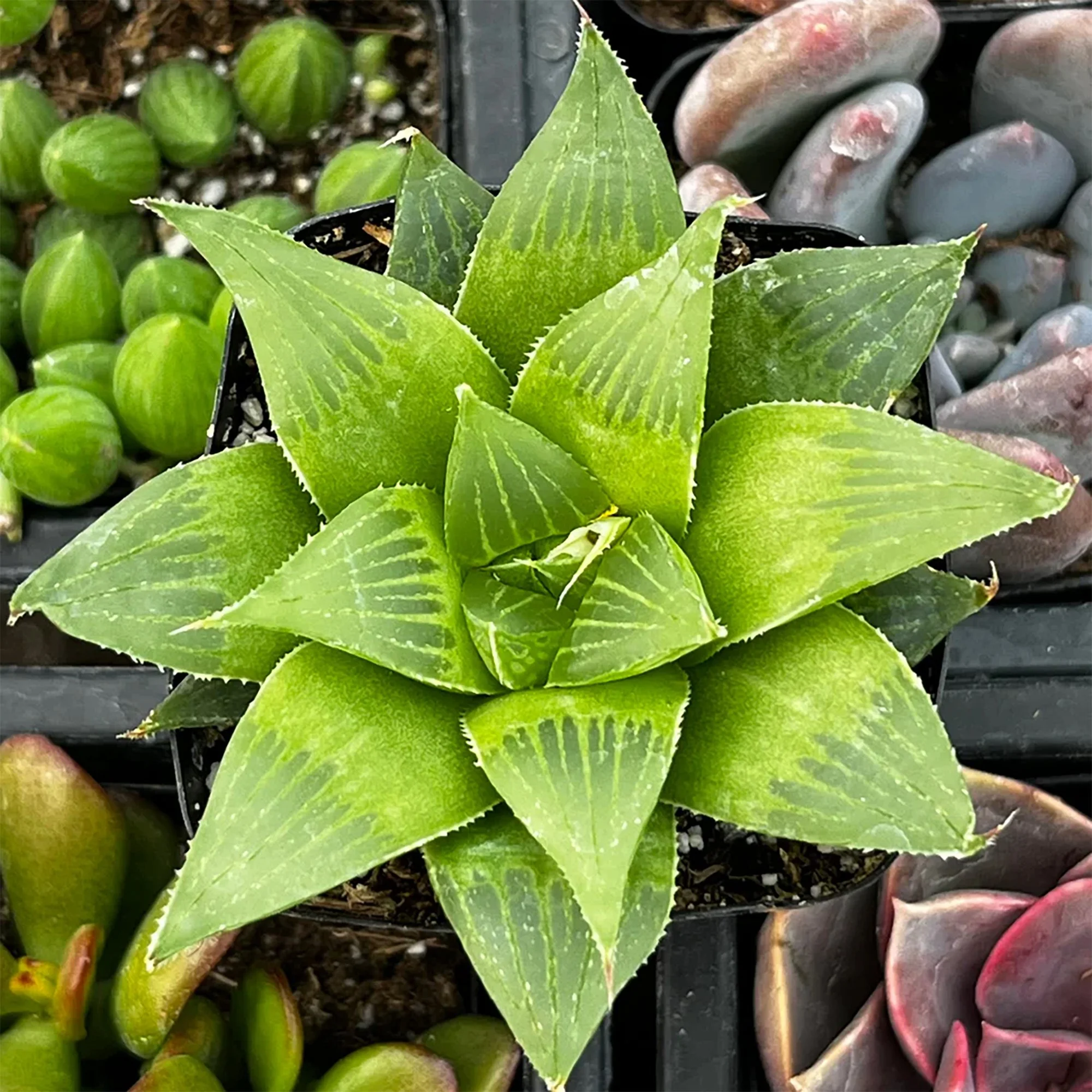
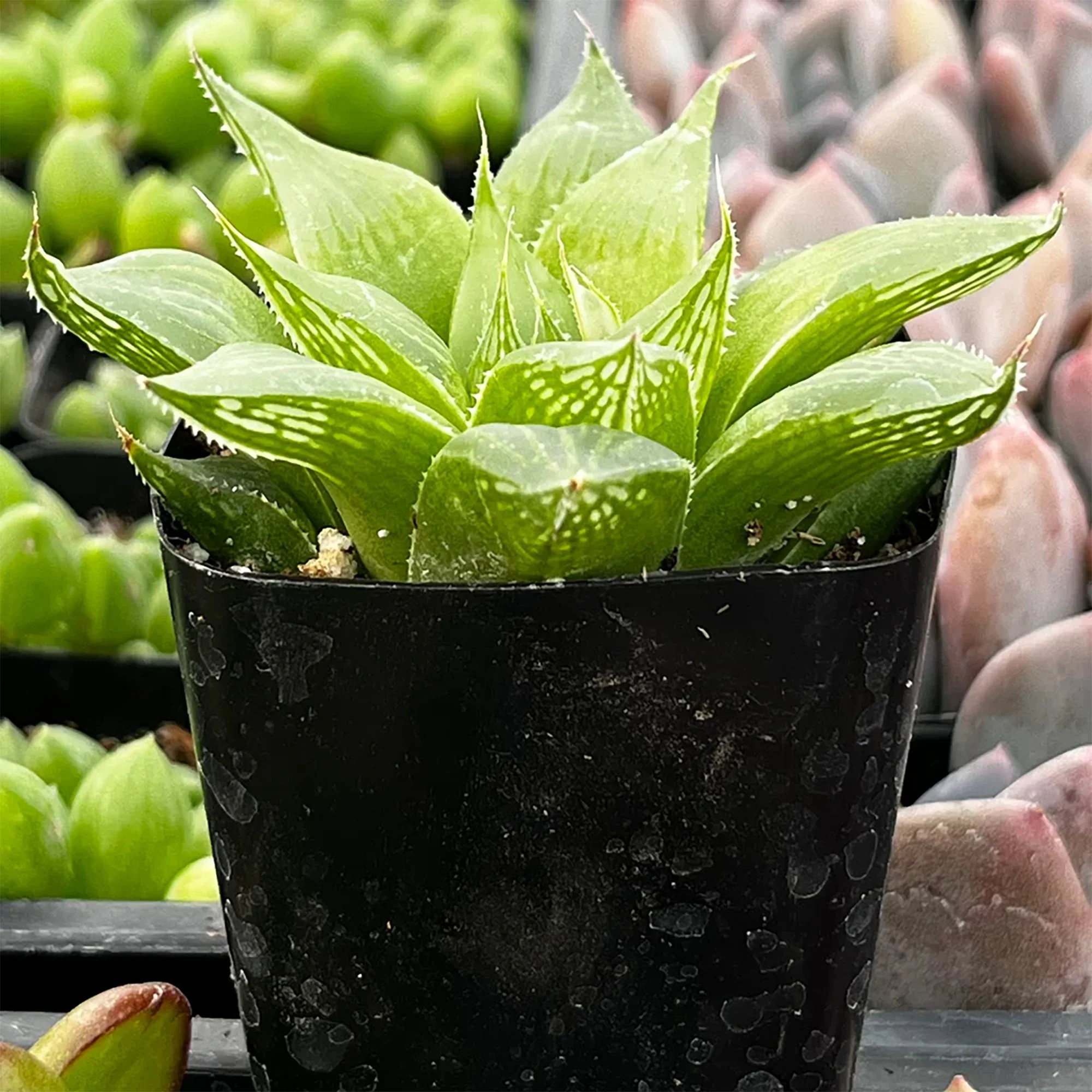
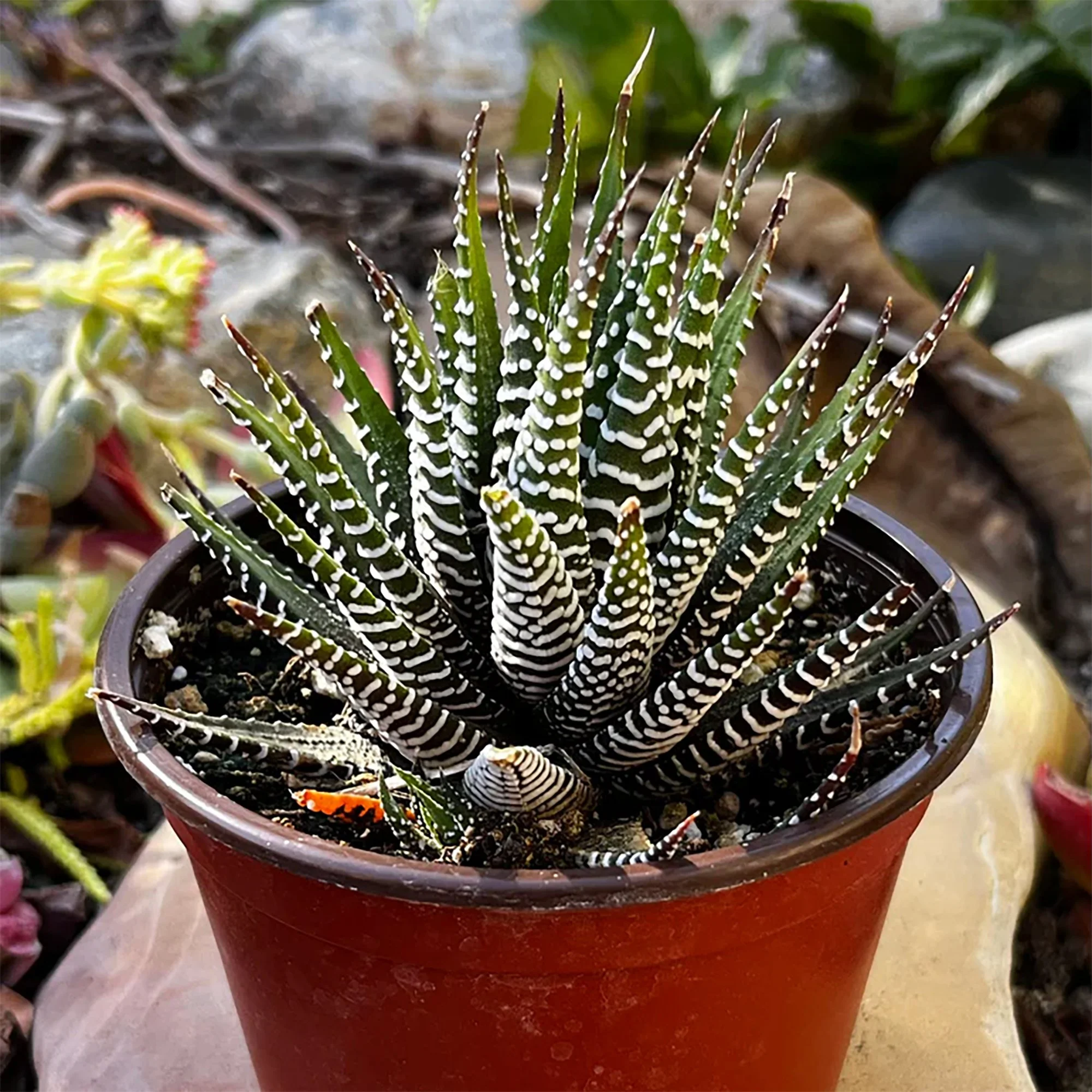
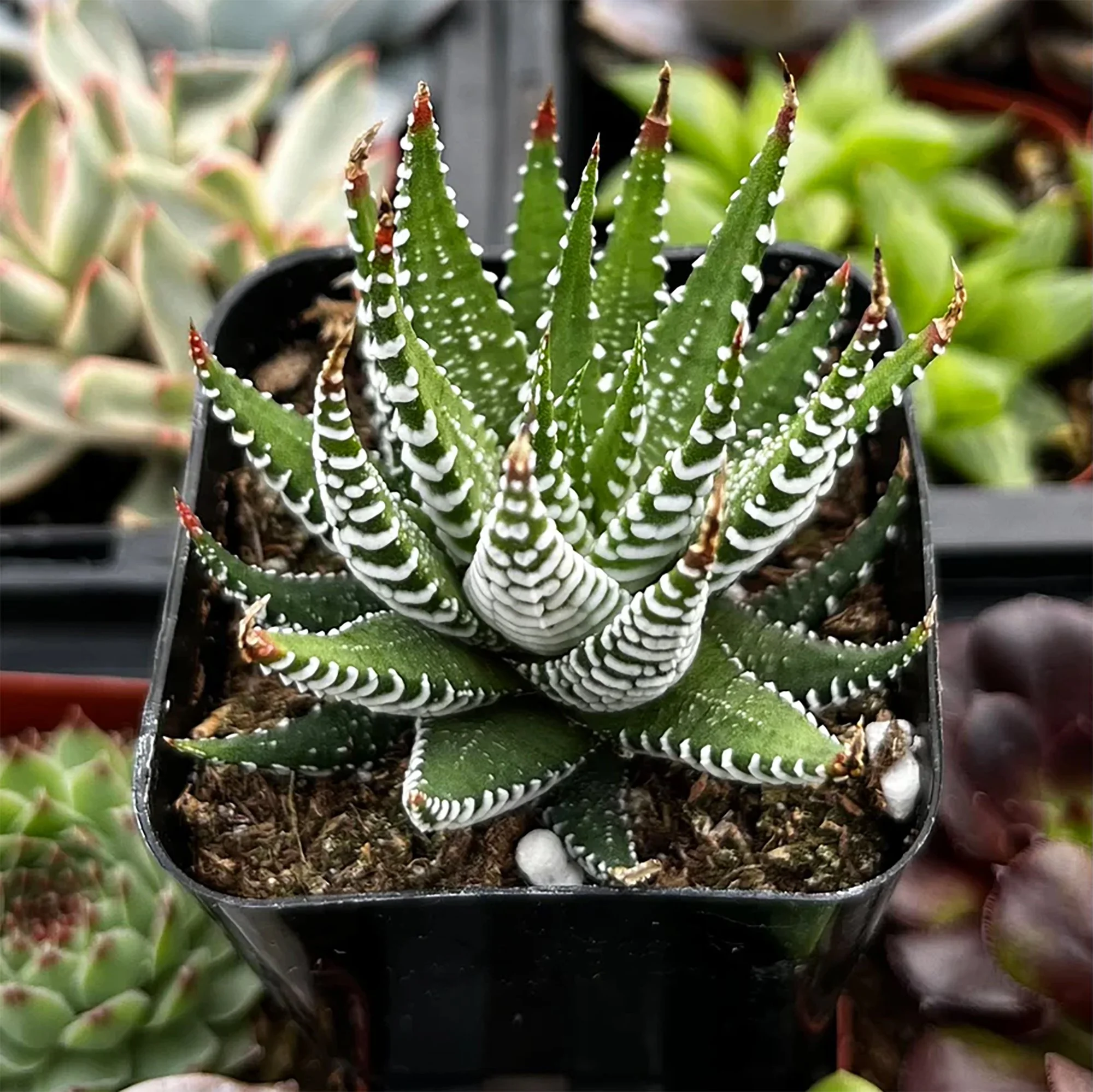
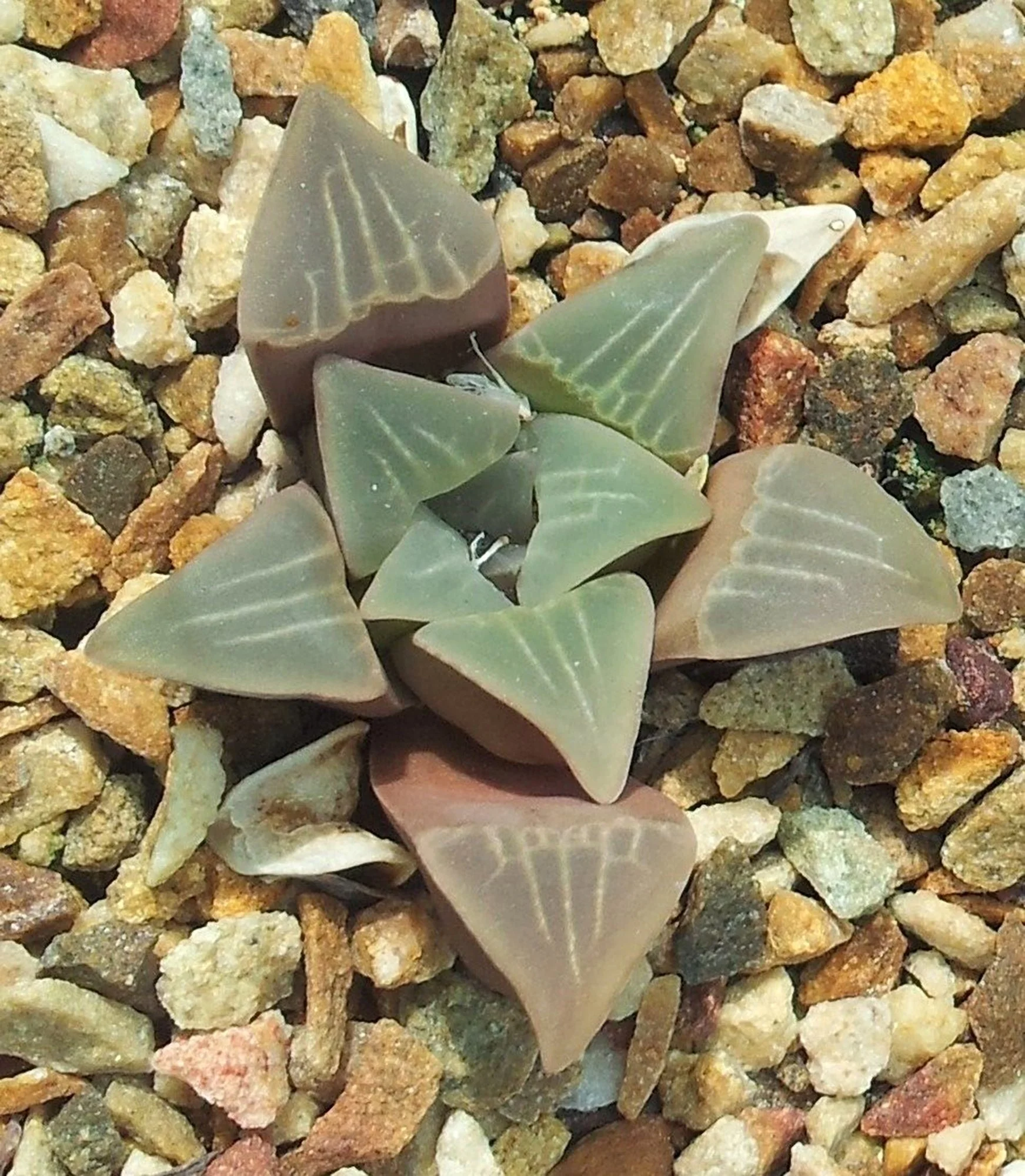
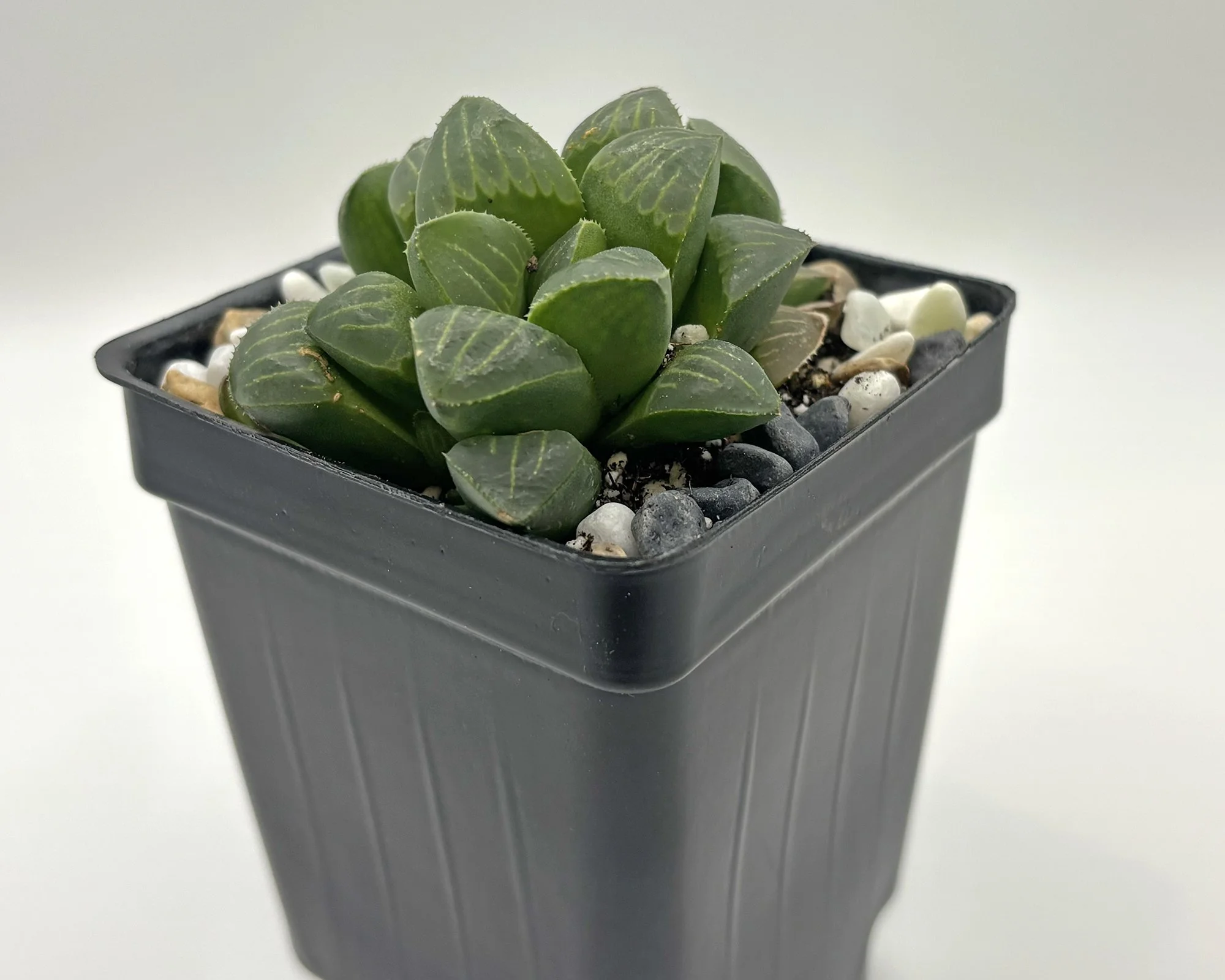
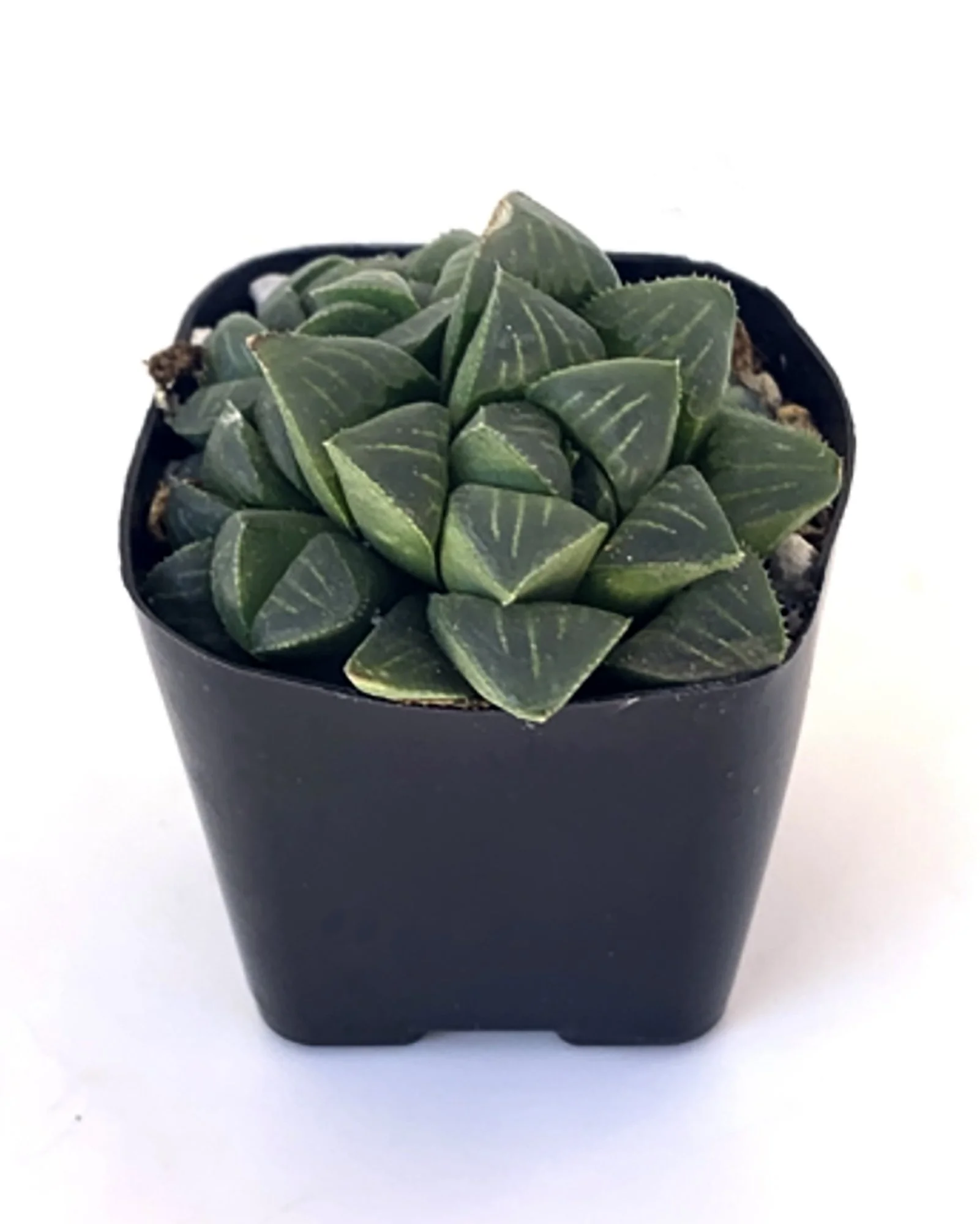
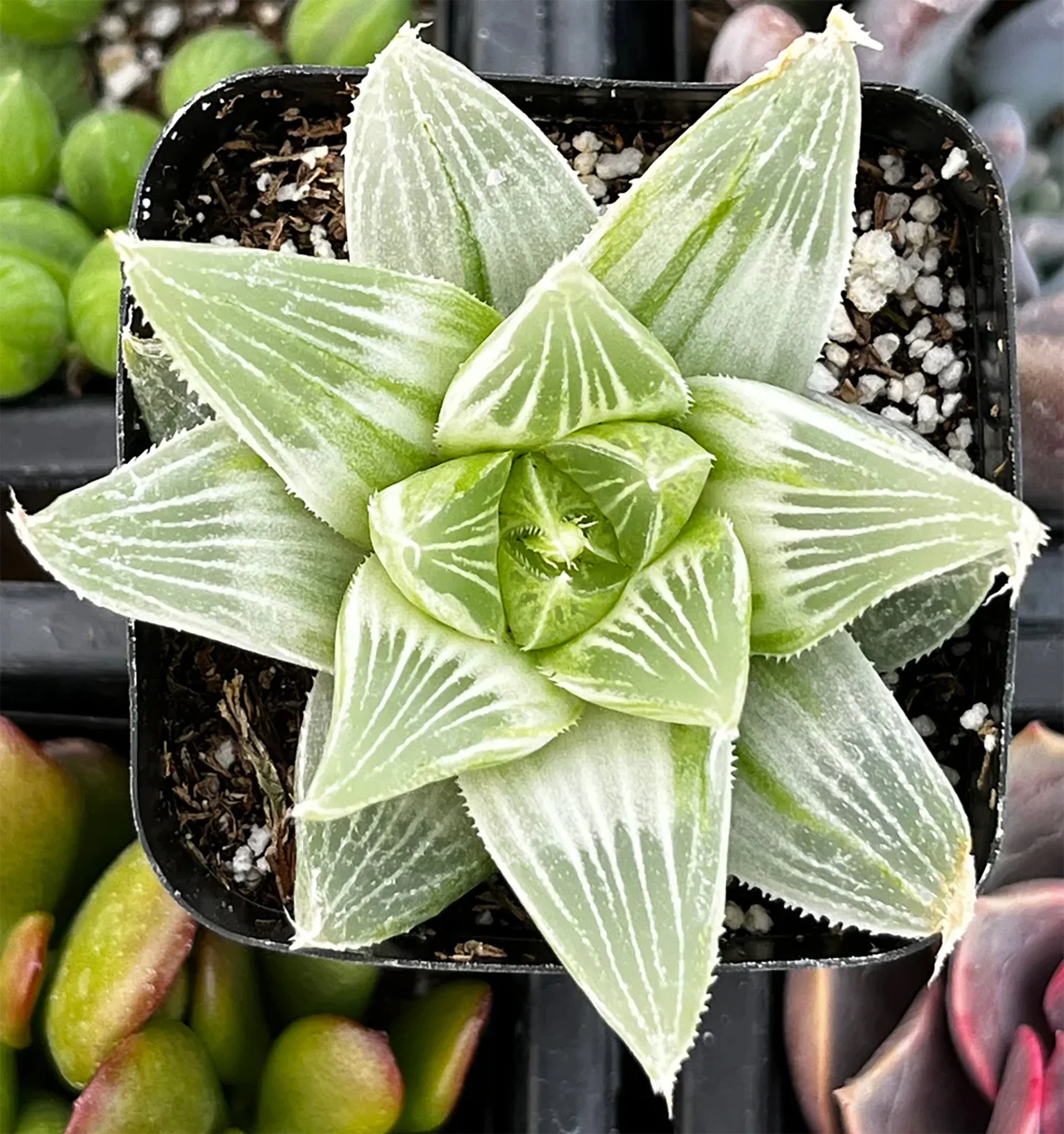
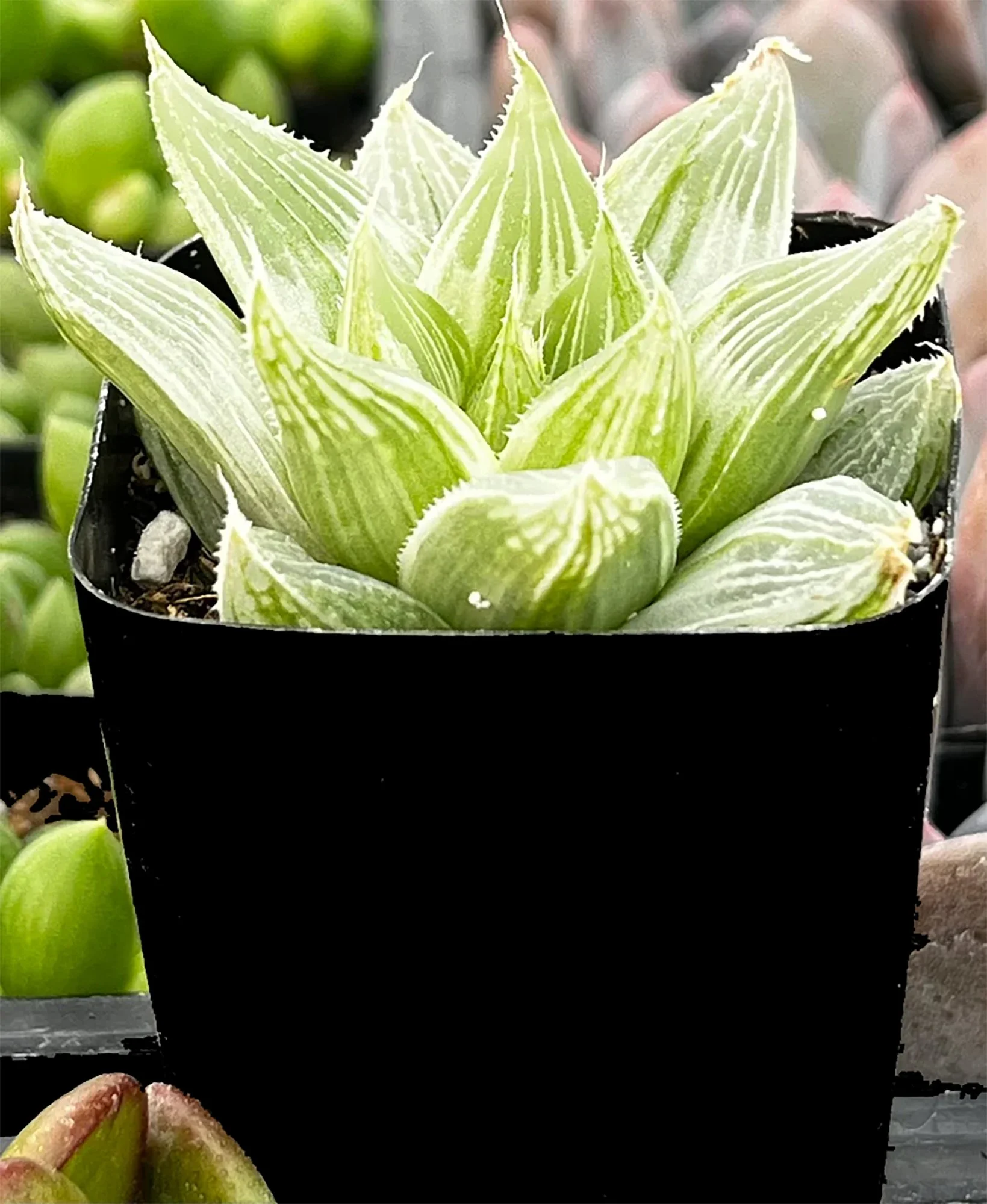
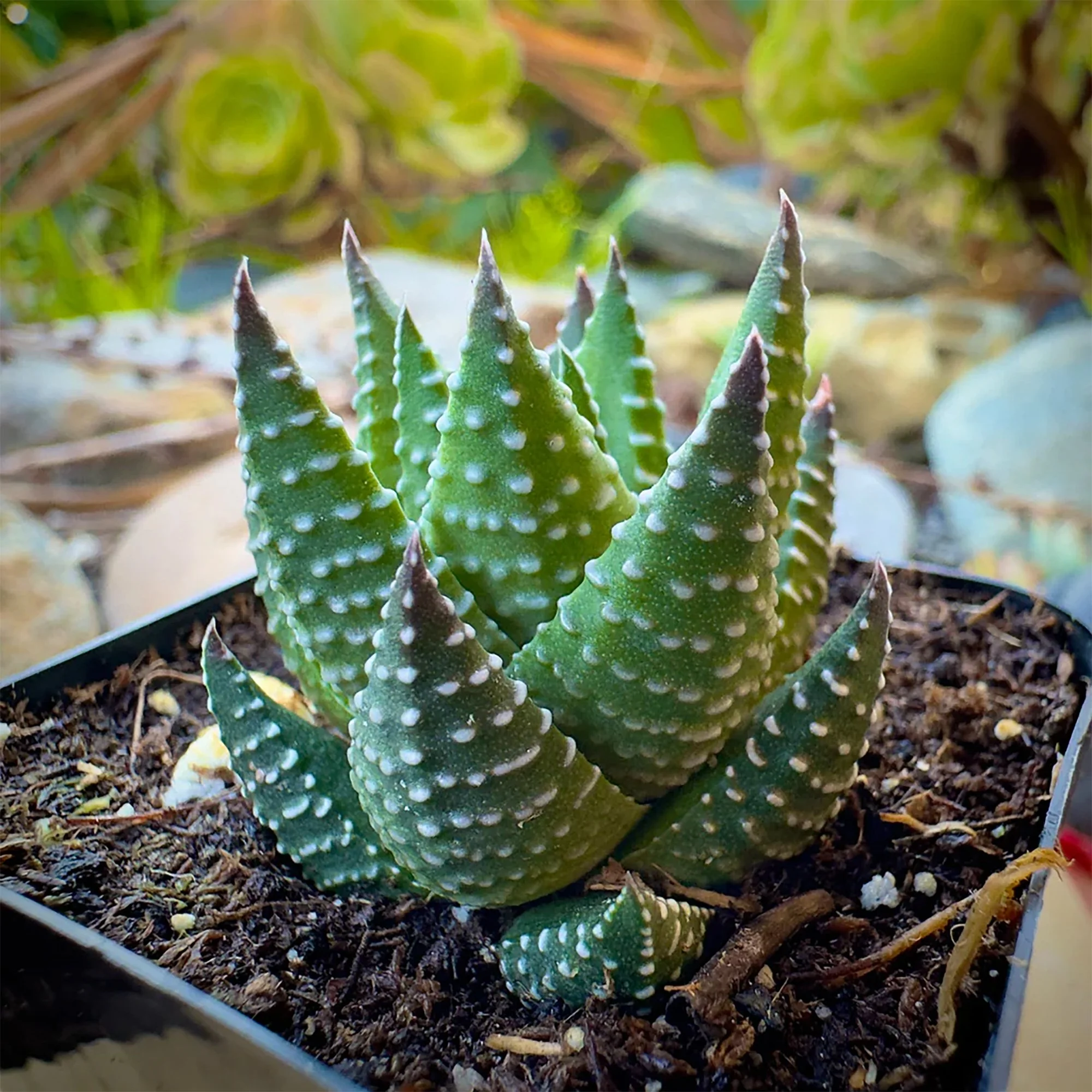
Tulista kingiana is a slow-growing, small succulent native to the Western Cape of South Africa. It forms dense rosettes of thick, triangular leaves with rough, tubercled surfaces and subtle green-gray coloration. Its compact size and sculptural form make it ideal for containers, rock gardens, and succulent collections. Mature plants typically reach 6–12 inches tall and 6–10 inches wide.
Care and Cultivation:
Prefers full sun to bright light
Water sparingly; allow soil to dry between waterings
Use a fast-draining succulent or cactus soil mix
Excellent for containers, rock gardens, and succulent displays
Frost Tolerance and Cold Hardiness:
Best suited for USDA Zones 9–11
Can tolerate brief cold down to about 25°F (-4°C) when dry
Protect from prolonged freezing and excessive winter moisture
Ideal growing temperatures: 60–85°F (16–29°C)
Winter Dormancy and Health:
Growth slows in cooler months
Reduce watering significantly in winter
Maintain bright light to preserve compact rosettes and healthy leaves
Notes:
Compact, sculptural rosettes with tubercled leaves
Drought-tolerant and low-maintenance
Excellent for containers, rock gardens, and succulent collections
Slow-growing and long-lived
Botanical Name: Tulista kingiana (formerly Haworthia kingiana)
Common Names: King’s Tulista, King’s Aloe, Tulista Aloe
Tulista kingiana is a slow-growing, small succulent native to the Western Cape of South Africa. It forms dense rosettes of thick, triangular leaves with rough, tubercled surfaces and subtle green-gray coloration. Its compact size and sculptural form make it ideal for containers, rock gardens, and succulent collections. Mature plants typically reach 6–12 inches tall and 6–10 inches wide.
Care and Cultivation:
Prefers full sun to bright light
Water sparingly; allow soil to dry between waterings
Use a fast-draining succulent or cactus soil mix
Excellent for containers, rock gardens, and succulent displays
Frost Tolerance and Cold Hardiness:
Best suited for USDA Zones 9–11
Can tolerate brief cold down to about 25°F (-4°C) when dry
Protect from prolonged freezing and excessive winter moisture
Ideal growing temperatures: 60–85°F (16–29°C)
Winter Dormancy and Health:
Growth slows in cooler months
Reduce watering significantly in winter
Maintain bright light to preserve compact rosettes and healthy leaves
Notes:
Compact, sculptural rosettes with tubercled leaves
Drought-tolerant and low-maintenance
Excellent for containers, rock gardens, and succulent collections
Slow-growing and long-lived