 Image 1 of 4
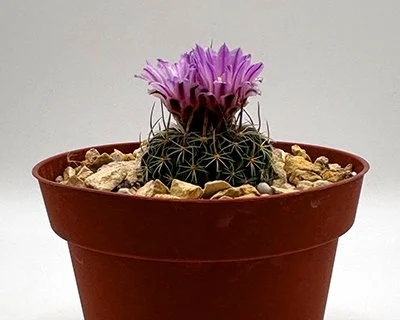 Image 2 of 4
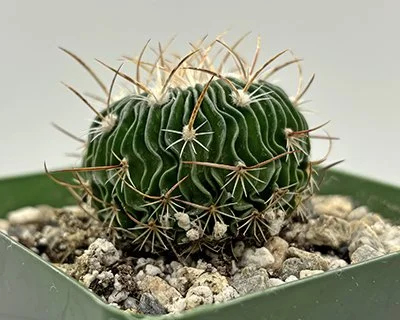 Image 3 of 4
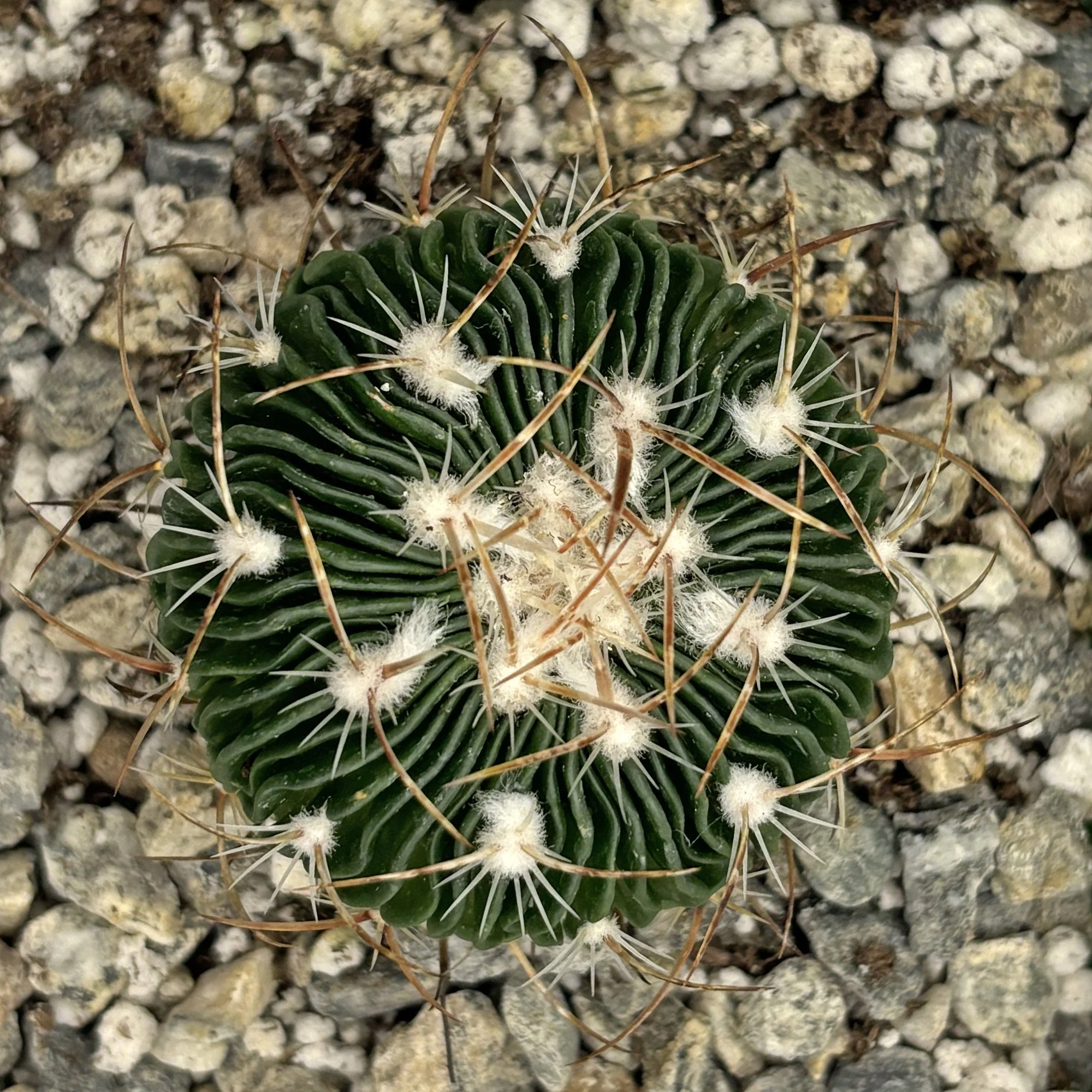 Image 4 of 4
Botanical Name: Stenocactus multicostatus
Common Names: Brain Cactus, Ladyfinger Cactus, Mazatlan Cactus
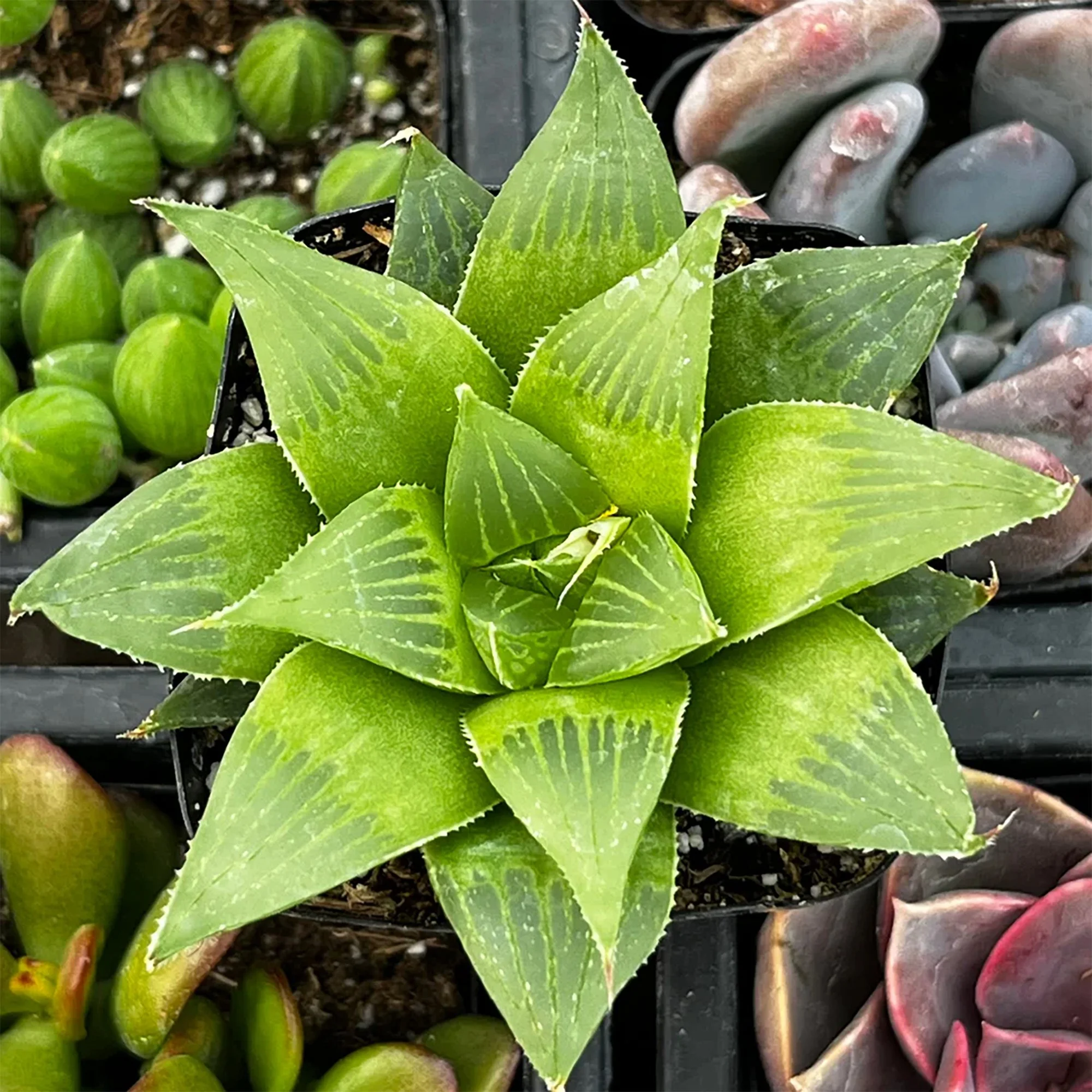
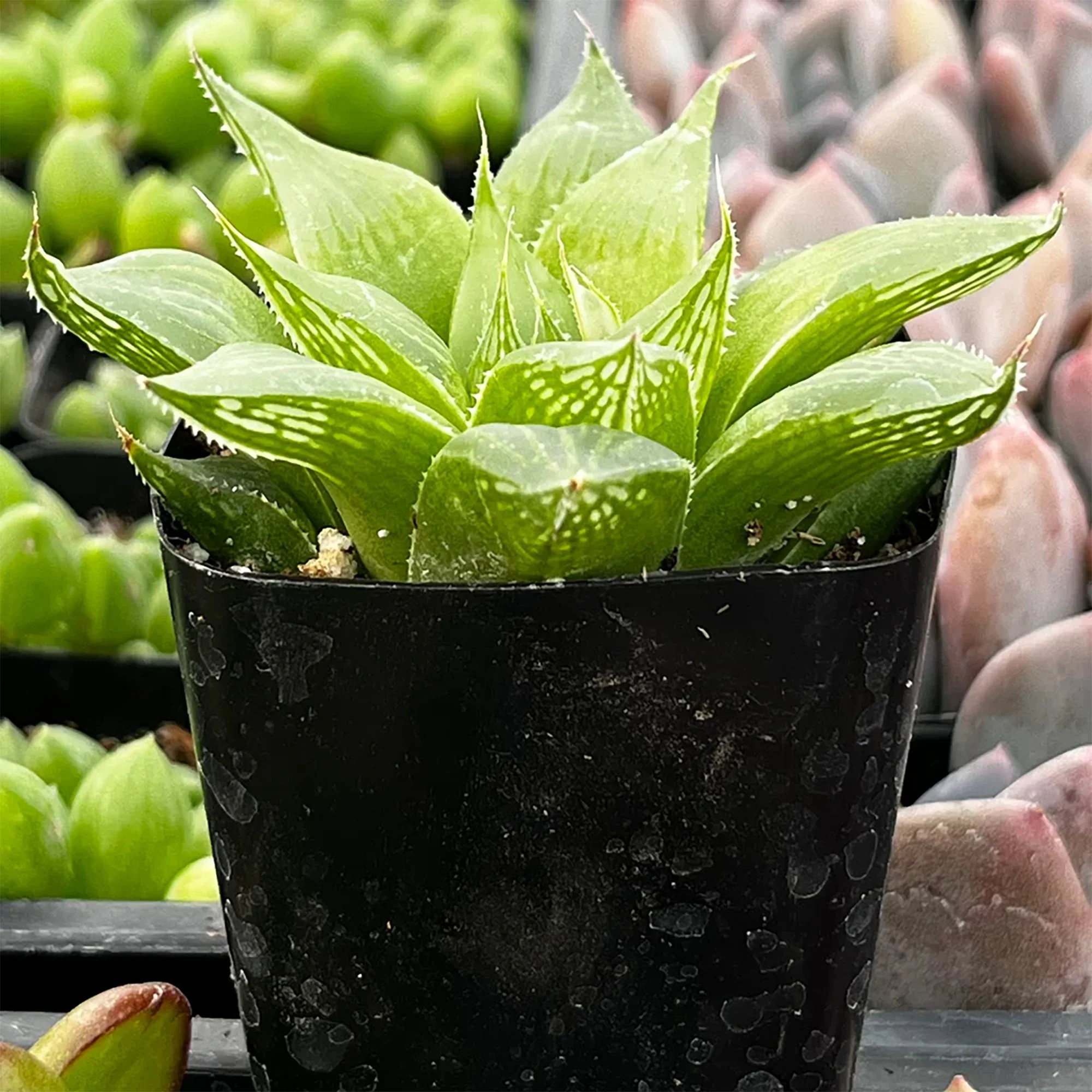
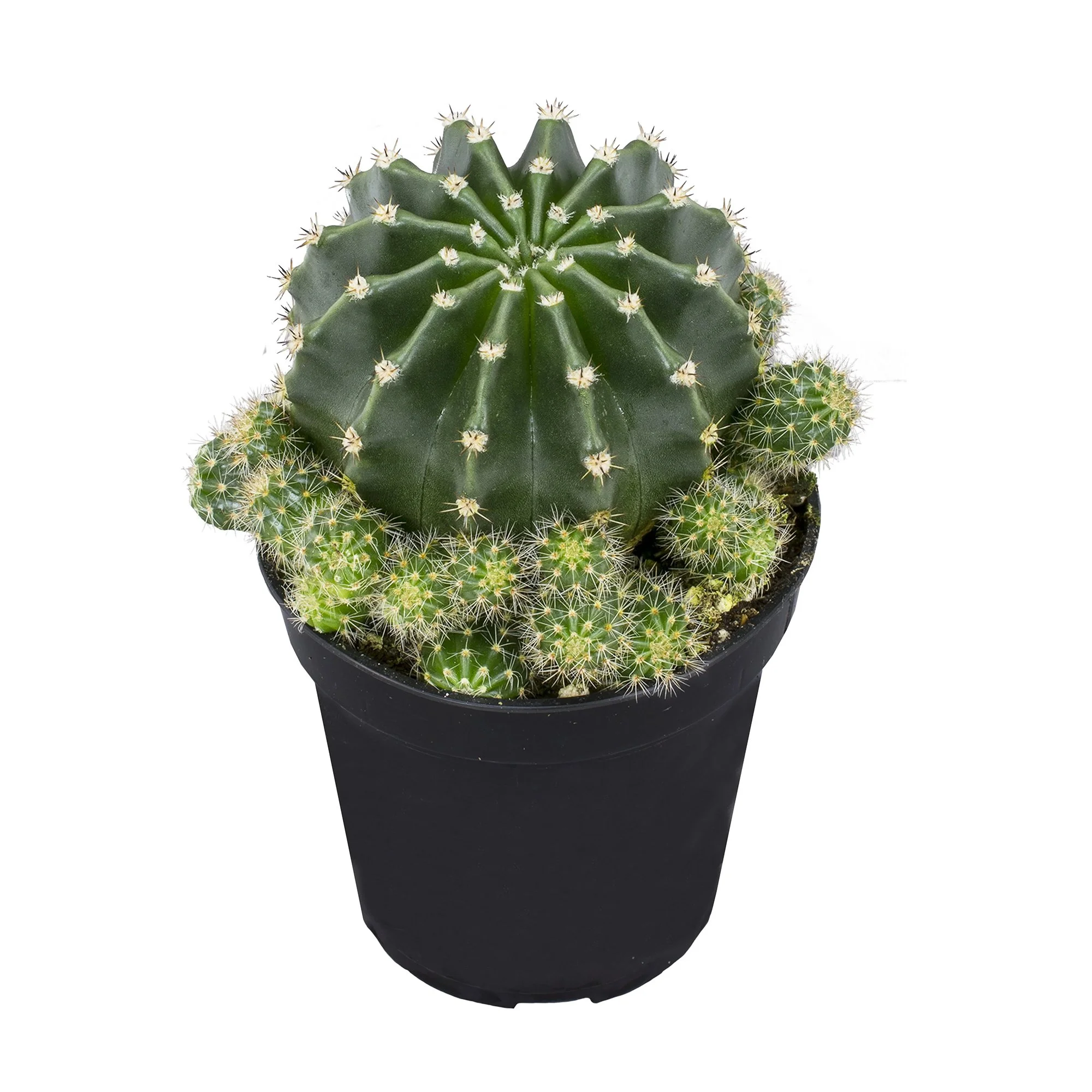
Stenocactus multicostatus is a fascinating small cactus native to the arid regions of northern Mexico, where it grows in rocky soils and open desert landscapes. This species is widely admired for its unusual and highly decorative ribbed structure. The plant forms a compact, globular stem covered with numerous thin, tightly packed ribs that create an intricate, wavy pattern across the surface. These distinctive ribs give the cactus a sculptural appearance that resembles a folded brain or delicate, ridged fabric, making it one of the most visually striking small cacti available for collectors and ornamental plant displays.
Mature plants typically reach about 3–6 inches in height and 3–5 inches in diameter, maintaining a tidy and manageable size that makes them ideal for container cultivation. The ribs are lined with fine radial spines that add texture without appearing overly aggressive, contributing to the plant’s elegant, architectural form. As the cactus matures, the ribbed structure may become even more pronounced, creating a dynamic, layered appearance that stands out in succulent collections.
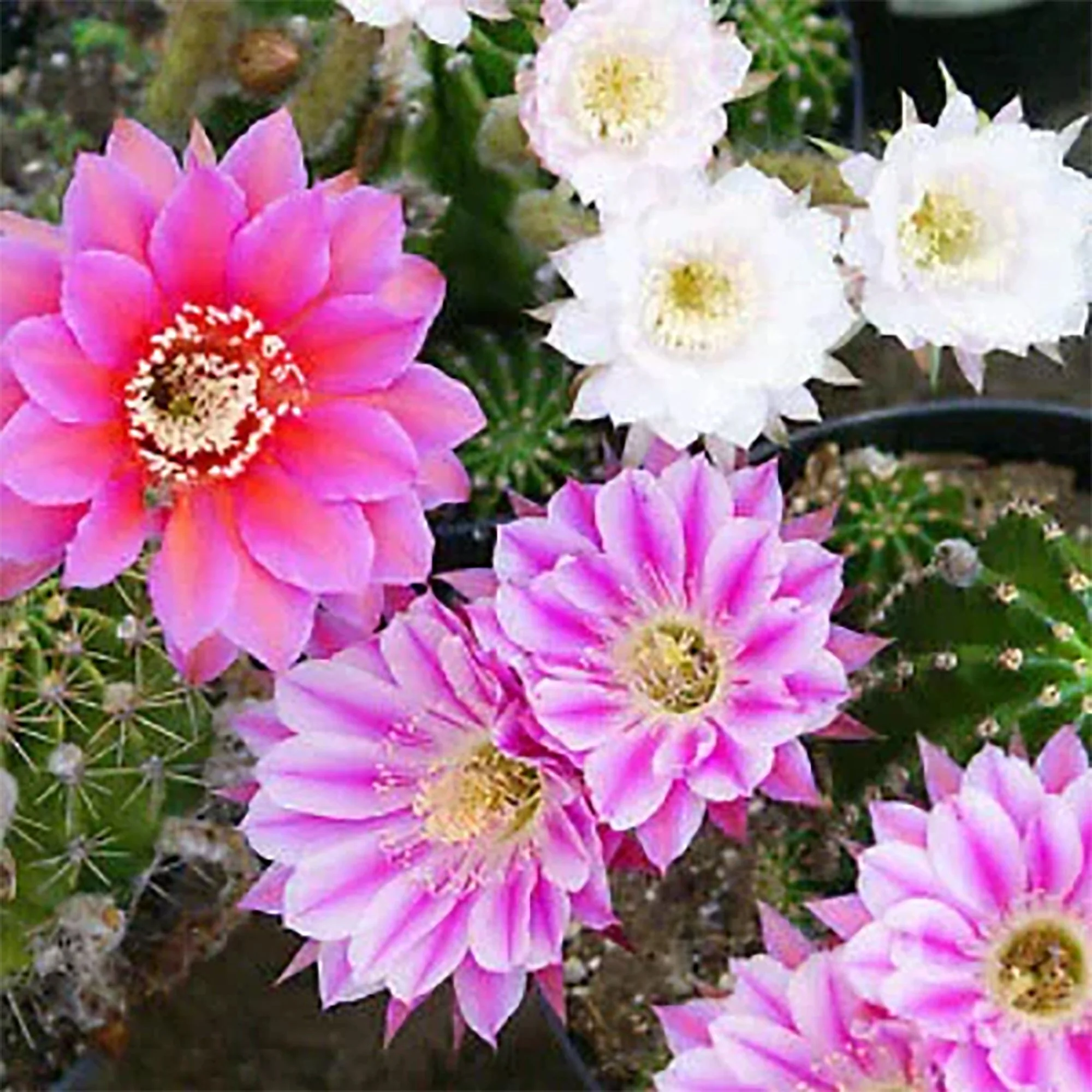
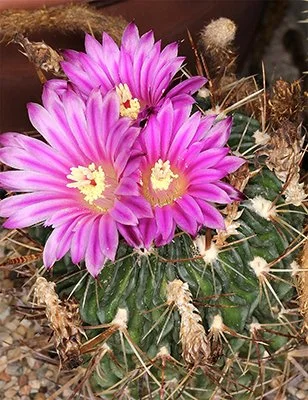
During the warmer months, usually from late spring through summer, Stenocactus multicostatus may produce small, daisy-like flowers that emerge from the plant's crown. These delicate blossoms are typically white to pale pink and sometimes feature subtle striping, adding a gentle burst of color above the ribbed green body. While the flowers are modest in size, they provide a charming contrast to the cactus’s intricate structure.
Because of its compact growth habit and slow-growing nature, this species is especially well-suited for small containers, rock gardens, dish gardens, and curated cactus displays. It pairs beautifully with other desert plants and succulents, adding texture and architectural interest to mixed plantings. Its resilience and minimal care requirements also make it an excellent choice for beginner growers looking to expand their cactus collection.
Care and Cultivation:
• Prefers full sun to bright light
• Water sparingly; allow soil to dry completely between waterings
• Use a fast-draining cactus or succulent soil mix
• Ideal for containers, rock gardens, and collector displays
• Ideal growing temperatures: 65–90°F (18–32°C)
Frost Tolerance and Cold Hardiness:
• Best suited for USDA Zones 9–11
• Can tolerate brief cold down to about 25°F (-4°C) when soil is dry
• Protect from prolonged freezing and excess winter moisture
Winter Dormancy and Health:
• Growth slows during cooler months
• Reduce watering significantly in winter
• Maintain bright light to promote healthy growth and flowering
Notes:
• Distinctive tightly ribbed “brain-like” structure
• Produces delicate white to pale pink flowers in summer
• Slow-growing and compact
• Excellent for containers, rock gardens, and succulent collections
• Highly valued by collectors for its sculptural appearance
Botanical Name: Stenocactus multicostatus
Common Names: Brain Cactus, Ladyfinger Cactus, Mazatlan Cactus
Stenocactus multicostatus is a fascinating small cactus native to the arid regions of northern Mexico, where it grows in rocky soils and open desert landscapes. This species is widely admired for its unusual and highly decorative ribbed structure. The plant forms a compact, globular stem covered with numerous thin, tightly packed ribs that create an intricate, wavy pattern across the surface. These distinctive ribs give the cactus a sculptural appearance that resembles a folded brain or delicate, ridged fabric, making it one of the most visually striking small cacti available for collectors and ornamental plant displays.
Mature plants typically reach about 3–6 inches in height and 3–5 inches in diameter, maintaining a tidy and manageable size that makes them ideal for container cultivation. The ribs are lined with fine radial spines that add texture without appearing overly aggressive, contributing to the plant’s elegant, architectural form. As the cactus matures, the ribbed structure may become even more pronounced, creating a dynamic, layered appearance that stands out in succulent collections.
During the warmer months, usually from late spring through summer, Stenocactus multicostatus may produce small, daisy-like flowers that emerge from the plant's crown. These delicate blossoms are typically white to pale pink and sometimes feature subtle striping, adding a gentle burst of color above the ribbed green body. While the flowers are modest in size, they provide a charming contrast to the cactus’s intricate structure.
Because of its compact growth habit and slow-growing nature, this species is especially well-suited for small containers, rock gardens, dish gardens, and curated cactus displays. It pairs beautifully with other desert plants and succulents, adding texture and architectural interest to mixed plantings. Its resilience and minimal care requirements also make it an excellent choice for beginner growers looking to expand their cactus collection.
Care and Cultivation:
• Prefers full sun to bright light
• Water sparingly; allow soil to dry completely between waterings
• Use a fast-draining cactus or succulent soil mix
• Ideal for containers, rock gardens, and collector displays
• Ideal growing temperatures: 65–90°F (18–32°C)
Frost Tolerance and Cold Hardiness:
• Best suited for USDA Zones 9–11
• Can tolerate brief cold down to about 25°F (-4°C) when soil is dry
• Protect from prolonged freezing and excess winter moisture
Winter Dormancy and Health:
• Growth slows during cooler months
• Reduce watering significantly in winter
• Maintain bright light to promote healthy growth and flowering
Notes:
• Distinctive tightly ribbed “brain-like” structure
• Produces delicate white to pale pink flowers in summer
• Slow-growing and compact
• Excellent for containers, rock gardens, and succulent collections
• Highly valued by collectors for its sculptural appearance